Every family has a dish that only shows up once a year, usually in a bowl that also only comes out once a year. For a lot of households, those once-a-year vegetables have quietly changed, and the green bean casserole and roasted Brussels sprouts now sit where something older used to be.
Three of those older sides still turn up in family recipe boxes and on a few devoted tables: creamed onions, succotash and mashed turnips. Each has a long history on the American holiday table, and each says something about how grandparents cooked when the menu leaned on what kept through the fall.

1. Creamed onions: the side that peaked a century ago
Food Republic, in a look back at creamed onions, describes the dish as small pearl or bulb onions peeled, boiled briefly and finished in a smooth white sauce seasoned with nutmeg or herbs such as sage, parsley or thyme. Done well, the outlet says, the result is rich, saucy and lightly sweet, working almost like another sauce for the turkey, potatoes and stuffing.
The dish began as an English side served with roasts, according to Food Republic, and recipes date to at least 1902. The base sauce, a béchamel, is one of the French mother sauces and had been around for well over a century by then. Early in the 20th century, creamed onions moved onto American Thanksgiving tables and became a go-to side for parents and grandparents across the country, with peak popularity in that era.
Why did it fade? Food Republic points to the work involved, since every tiny onion has to be peeled, and to its plain beige look, which does not photograph well next to brighter modern sides. The dish has the same kitchen-table feel as the things Southern grandmothers kept in every kitchen, and it fits neatly with other mid-century favorites in this list of foods from the ’60s most boomers loved with a passion. A Thanksgiving dinner plate pictured on the Wikipedia page for Thanksgiving dinner still includes creamed onions alongside the turkey, stuffing and cranberry relish.
2. Succotash: corn and beans with deep roots
Succotash is a North American dish made mostly of sweet corn with lima beans or other shell beans. Its name comes from the Narragansett word sahquttahhash, which means “broken corn kernels,” according to Wikipedia’s entry on succotash. Corn and beans are two of the “Three Sisters” that Indigenous farmers grew together with squash, and the dish is believed to have originated with Indigenous peoples in what is now New England.
British colonists adapted it as a stew in the 17th century, and it became a standard of New England cooking. It remains a traditional dish at many Thanksgiving celebrations in that region, as well as in Pennsylvania and other states. Cooks added whatever was on hand over the years, including onions, potatoes, turnips, tomatoes, peppers, salt pork or okra. Corn and lima beans are both New World foods, a theme explored in this rundown of Thanksgiving foods native to the Americas.
Succotash also has the kind of retro charm that sends cooks back to old recipe cards. It sits comfortably beside the Thanksgiving traditions everyone pretends aren’t weird, and the slang of the mid-century era is worth a smile in this list of groovy slang words from the swinging ’60s.
3. Mashed turnips: the humble root on the holiday plate
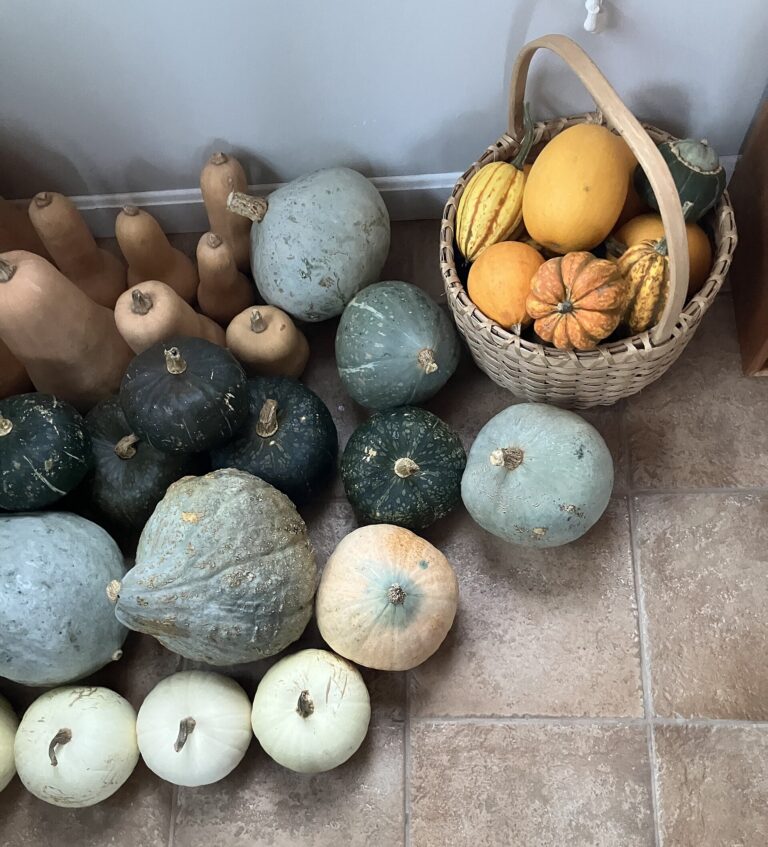
Mashed turnips may be the least glamorous of the three, but they have stayed on the menu longer than many people realize. The Wikipedia article on Thanksgiving dinner lists mashed winter squash, turnips and sweet potatoes among commonly served vegetable dishes, noting that all three can be served mashed or roasted. Sweet potatoes picked up brown sugar, molasses and marshmallows over the years, while turnips mostly stayed simple, mashed with butter, salt and pepper.
The turnip is a root vegetable grown in temperate climates around the world and a familiar sight in late-fall markets. Turnips even appear in an 1889 novel by Jane G. Austin, whose lavish description of a Pilgrim feast included them alongside turkey, venison, oysters and pudding, though the Thanksgiving dinner article notes that her description disregarded the historical record.

What older menus looked like
Holiday menus from the late 1800s show how central these plain vegetables once were. The Thanksgiving dinner page notes that the White House Cook Book, published in 1887 by Fanny Lemira Gillette, listed a menu with roast turkey, cranberry sauce, mashed potatoes, baked squash, boiled onions and parsnip fritters, alongside oysters, soup and several pies. Onions, squash and root vegetables featured heavily on those tables.
Families who still make these sides often do it for one person at the table, usually the relative who expects to see them, and some bring them back simply as a conversation piece about how the holiday used to look.
Bringing one back this year
For anyone curious, the easiest of the three to try is succotash, since frozen corn and lima beans are in nearly every grocery store and the dish comes together in one pan. Mashed turnips cook just like mashed potatoes and can be mixed half and half with potatoes for a milder flavor. Creamed onions take the most time, mostly in the peeling, but a bag of frozen pearl onions removes that step entirely.
None of the three needs to replace a family favorite. A small bowl of creamed onions or succotash on the side gives older relatives a familiar taste and gives younger cooks a piece of family food history to carry forward, which may be the best reason to make room for them on Thursday.
This article was produced with AI assistance and edited for accuracy against the sources linked above.
Image: Jules Morgan – CC BY 2.0/Wikimedia Commons