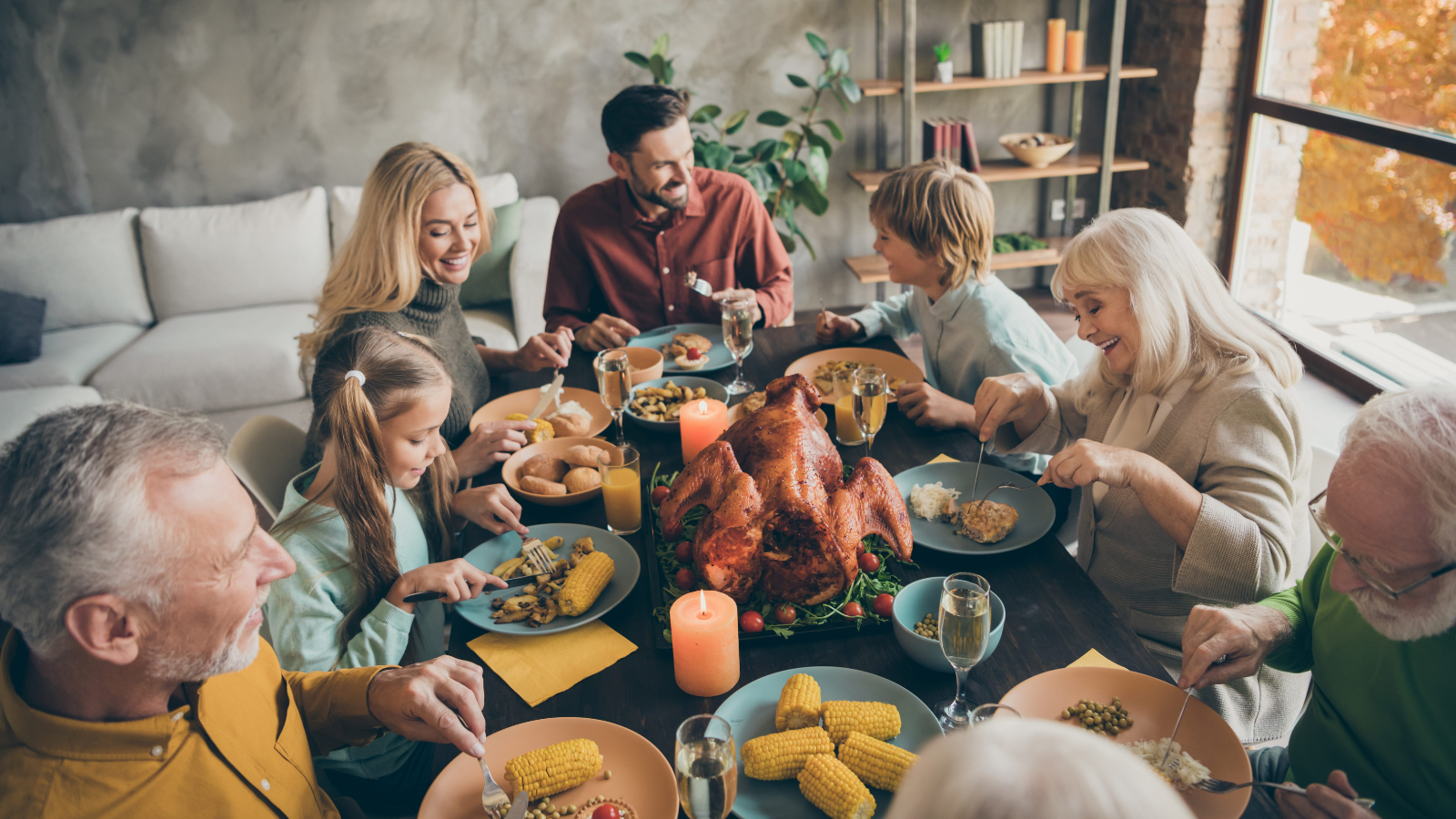
The turkey is barely on the table when it happens. A grown adult who runs meetings and pays a mortgage hears one comment from a parent or a sibling, and suddenly there is an eye roll, a sigh and a napkin tossed across the table like it is middle school all over again.
A Nov. 23 article on RD.com asked two experts why grown adults act 12 again at the holiday dinner table. In it, marriage and family therapist Tasha Seiter of Fort Collins, Colorado, and psychologist John Mayer, author of the book Family Fit, explain how families pull adults back into childhood roles, and how to stay the grown-up through dessert.
The Old Family Roles Come Back
The RD.com piece opens with a familiar scene: a mother complaining about a father’s breathing, a father lecturing about a car lease, and a brother piling the mashed potatoes so high that none will be left by the time the bowl comes around. Within 30 seconds, the article says, a capable adult can be 12 again.
Seiter calls it role regression. At the family table, she told the magazine, people slip back into the parts they played growing up: the responsible one who ends up doing all the chores, the baby who asks for help they do not need, or the rebel who breaks the hidden family rules. The pattern is familiar to anyone who has read about how oldest, middle and youngest children take on different family roles, or recognized themselves in these signs someone was the youngest child.
Seiter also pointed to a line from the spiritual teacher Ram Dass, who famously suggested that anyone who feels enlightened should go spend a week with family.
Why Families Keep Members in Their Places
Mayer uses a different name, imprinted regression, and he puts much of the pull on the family itself. “As a coping mechanism, families place members in such categories, and often they are immovable,” he told the magazine. No matter what someone has achieved since moving out, he said, the family tends to push them back into the old role. Manners at the table used to smooth some of that over, though plenty of the old-school etiquette rules that once kept those moments in check have faded.
Holidays are not the only trigger. Weddings and other big gatherings can set it off too, Mayer said, but the holidays come around on a predictable schedule while those events do not. That makes the Thanksgiving dinner table and its December cousins the most reliable stage for the same old scenes, a bit like the comfort of the Saturday morning cartoons of the ’60s and ’70s that many of those adults grew up on, only with more gravy.
Birth Order Is Not Destiny
A natural guess is that the oldest child always ends up bossy and the youngest always gets babied. Mayer noted that research has not backed up the famous birth-order personality types. Some families do build their own patterns around who is oldest or youngest, he said, but those patterns are particular to each family, not something built in.
Slights also land harder when they come from family, Seiter explained, because parents and siblings are the first relationships anyone has. That helps explain why an old rivalry, the kind captured in the term sibling rivalry, can flare up over something as small as who got the last roll. Holiday gatherings carry plenty of quirks, as this list of odd American traditions that confuse the rest of the world shows, and sliding back into a childhood role may be the most universal one.

The Triggers Mayer Hears About Most
Every family is different, but Mayer listed the situations that come up most often:
Old fights, reheated. The argument that never really ended gets picked right back up between the turkey and the pie.
Negative relatives. The critical aunt or the uncle who always goes too far.
Being shoved back into a role. The screwup, the invisible one or the peacekeeper, expected to play the part again.
Children watching. Being talked down to stings more when the kids see it, and favoritism toward the cousins can bring out what the article calls a parent’s “fiercest middle schooler.”
How to Stay the Grown-Up at the Table
A little prep goes a long way, according to the article. Seiter suggests naming the usual triggers before arriving, whether it is a sister bragging about her kids or a grandmother watching who takes a second slice of pie. Mayer recommends picturing the event ahead of time and rehearsing how it will go, and the article adds a simple rule: decide how long to stay and stick to it. His most common advice: stay in a hotel rather than in a relative’s house.
For the comment everyone dreads, Seiter recommends a light, prepared reply that does not take the bait. One of her examples simply calls the remark “one way to look at it” and then asks for the gravy to be passed. She also suggests watching the scene as if it were a funny movie, enjoying the show without getting swept into the plot.
If the eye roll happens anyway, a short walk away from the table can help, and once things settle, Seiter says the grown-up move is to own the overreaction and name what will be done differently. Mayer’s reminder may be the most useful one to carry into the next family meal: these are “temporary feelings and roles and do not define” who a person is the rest of the year.
This article was produced with AI assistance and edited for accuracy against the sources linked above.