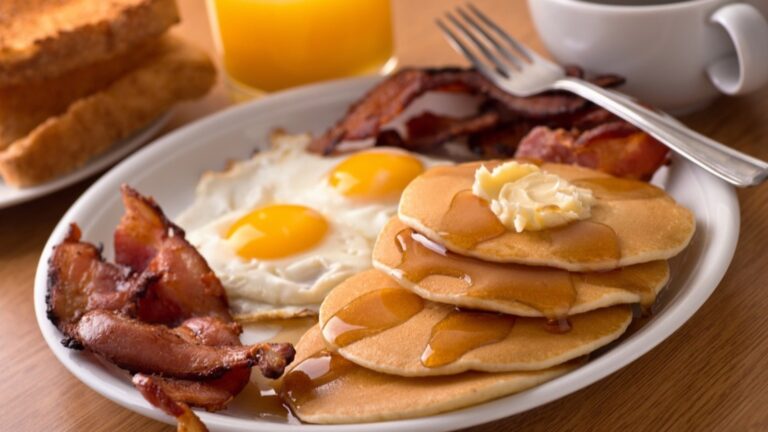
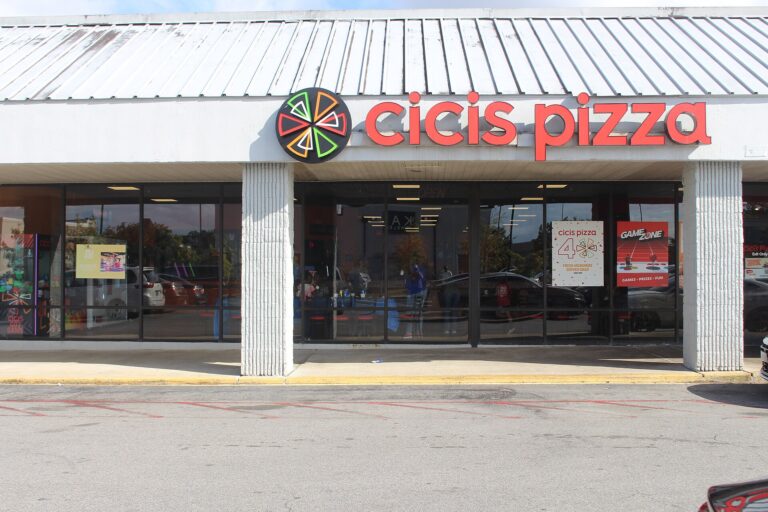
A restaurant owner says an older couple walked in around 3:45 p.m. asking for brunch, 45 minutes after the kitchen had switched to its dinner menu. The wife ended up ordering only coffee, while the husband ordered a 22-ounce porterhouse, a 22-ounce beer and two large sides for $22, then left a 24% tip.
The owner described the visit in a Reddit post that drew more than 15,000 upvotes and over 1,082 comments, The Daily Dot reported on Nov. 4, 2026. The story has turned into a debate about menu hours, online menus and who gets the final word at the host stand.

The Menu Hours Behind the Standoff
According to The Daily Dot’s report on the post, the poster owns the restaurant and cooks there on Fridays, Saturdays and Sundays from 11 a.m. to 11 p.m. Lunch runs from 11 a.m. to 3 p.m., dinner starts at 3 p.m., and an early-bird special runs from 3 p.m. to 6 p.m. Brunch is served only on Sundays, during the lunch hours.
The couple arrived at about 3:45 p.m. and asked for brunch and lunch dishes. Staff told them those menus had ended. A manager repeated the message, and the owner was eventually called out of the kitchen. The woman pointed to the restaurant’s website, which listed the brunch menu, and insisted the dishes should still be available.
The owner held firm. The woman ordered a coffee and nothing else. Her husband went the other way, ordering from the early-bird dinner menu: a 22-ounce porterhouse, a 22-ounce beer and two large sides, all for $22. He then left a 24% tip, even though the restaurant states that tipping is not required.
Early-bird specials have a long history in American dining, and the early-bird dinner grew popular as a way for restaurants to fill tables in the slow hours before the evening rush. It is the kind of diner-era custom that sits alongside the slang words of the swinging ’60s as a marker of another time, though plenty of restaurants still run one.
Why the Steak Stole the Story
For many readers, the husband’s order was the punch line. A porterhouse is cut from the rear of the short loin and includes both the strip and a large piece of tenderloin, which is why it usually sits near the top of a steakhouse menu. A 22-ounce cut paired with a 22-ounce beer and two sides for $22 is a price that makes the early-bird menu look like the real bargain of the visit.
The contrast between the two diners also drew attention. One left with a coffee, the other with a steak dinner and a generous tip, after the same conversation with the same staff. Lists of blunders people make when dining out often include arguing with staff over policies they did not set, and the owner’s story shows how differently two people at one table can react to the same answer.
Holiday menus raise the same questions this week. Chains like Bob Evans post set Thanksgiving Day serving hours, and the busiest chain locations, like the In-N-Out in Tempe, Arizona, run on tight schedules that leave little room for off-menu requests. Customs around set meal times are also among the old-school etiquette rules that have faded in many homes.

The Website Problem Restaurants Face
The woman’s main argument was that the brunch menu appeared online. That is a familiar complaint for restaurants that post every menu on one page. A diner who lands on the site may not notice which hours each menu covers, especially when brunch runs only one day a week.
Simple fixes exist, such as listing the hours at the top of each menu or showing only the menu currently being served. Those changes do not stop every disagreement at the host stand, but they reduce the chance that a guest arrives expecting eggs Benedict at a quarter to four.
The owner’s restaurant also told diners on its menus that it pays employees a living wage and that tips are not expected, according to a commenter who quoted the menu. That made the husband’s 24% tip stand out even more, since it was a choice rather than a custom he was following.
How the Visit Ended
The Daily Dot noted that it could not independently verify the events, which come from the owner’s account. The restaurant’s name and location were not shared, and the couple’s side of the visit is not known.
What is clear from the post is how the afternoon wrapped up. The kitchen kept its menu hours, the woman stuck with coffee, and the husband got what may have been the best-value steak dinner of his week. For an owner who has heard every version of the brunch argument, it was a rare dispute that ended with a 24% tip on a $22 check.
The split between lunch and dinner menus exists for practical reasons. Kitchens often change their prep at the switch, putting away breakfast items, griddles and sauces and setting up for steaks and larger plates. Serving brunch dishes after that point can mean reopening stations the cooks have already broken down, which is why many restaurants hold firm on the cutoff even when a guest is unhappy.
For diners, the lesson is a simple one: check the hours printed next to the menu, not just the menu itself, before heading out for a late weekend meal.
This article was produced with AI assistance and edited for accuracy against the sources linked above.
Image: T.Tseng – CC BY 2.0/Wikimedia Commons