Texas is making headlines for its decision to restrict the sale of lab-grown meat, but claims that the state has become the first in America to block Jeff Bezos’ synthetic egg project tell a different story. One problem remains: the claim does not match the available evidence.
Texas did pass legislation restricting certain types of lab-grown meat. However, the law does not mention Bezos, does not identify a synthetic egg company, and does not specifically prohibit the newer technology used to produce some alternative egg proteins.
So, what actually happened, and why is Texas taking such a strong position on alternative food products?
What Texas Actually Banned

In June 2025, Texas Governor Greg Abbott signed Senate Bill 261 into law. The legislation introduced a temporary prohibition on selling or offering certain cell-cultured protein products for human consumption in the state.
The law took effect on September 1, 2025.
Under the legislation, cell-cultured protein refers to food produced by collecting animal cells and artificially multiplying them in a controlled environment to create tissue.
In simpler terms, companies can take cells from an animal, grow them in specialized facilities, and produce meat without raising and slaughtering an entire animal.
Texas lawmakers decided to restrict the sale of these products, citing concerns about traditional agriculture, food labeling, contamination, and the technology’s potential long-term effects.
However, one important detail remains: the law is not a permanent ban. Its main sales-prohibition provisions are scheduled to expire on September 1, 2027, unless lawmakers change the legislation.
The restriction also does not automatically prohibit every product made using modern food technology.
Why Jeff Bezos Is Being Linked to the Story
Jeff Bezos does have connections to the alternative-protein industry, which may explain why his name has entered the discussion.
Through the Bezos Earth Fund, he has supported research into sustainable food production. In May 2024, the organization announced a $30 million commitment over five years to establish a sustainable-protein research hub at North Carolina State University.
The research covers several areas, including plant-based proteins, precision fermentation, and cultivated meat.
Bezos Expeditions has also participated in funding rounds for NotCo, a company known for developing plant-based food alternatives.
But these connections do not establish that Bezos owns or operates a synthetic egg company.
Two companies often associated with alternative egg proteins are EVERY, formerly known as Clara Foods, and Onego Bio. Both are developing egg-white proteins using precision fermentation.
However, the available investment announcements reviewed for this story do not establish that Bezos or Bezos Expeditions owns or funds either company.
It is therefore misleading to describe Texas Senate Bill 261 as legislation specifically designed to stop a Bezos-owned egg project.
What Are Synthetic Eggs, Anyway?

The term synthetic eggs can be confusing because several different technologies are being grouped together.
One category is plant-based eggs. These products use ingredients such as mung bean protein and vegetable oils to recreate some of the cooking properties of conventional eggs.
Another category is precision-fermented egg protein.
This technology uses microorganisms, such as yeast or fungi, to manufacture specific proteins found in ordinary eggs.
For example, EVERY develops ovalbumin, a major protein found in egg whites. Instead of collecting eggs from chickens, the company uses genetically engineered yeast in a controlled fermentation process to produce the protein.
The resulting ingredient can be used in products such as baked goods, noodles, pancakes, dressings, and other foods.
Onego Bio is developing a similar ingredient called Bioalbumen.
Neither process involves growing chicken tissue into meat. That distinction is important because Texas’s law specifically addresses food produced through animal-cell cultivation.
In other words, a product made through precision fermentation does not automatically fall under the same legal definition as cultivated meat.
There is also an important safety detail for consumers. Animal-free production does not necessarily mean allergen-free. The FDA has stated that EVERY’s reviewed egg-white protein requires egg-allergen labeling and may trigger reactions in people with egg allergies.
Why Texas Lawmakers Are Concerned
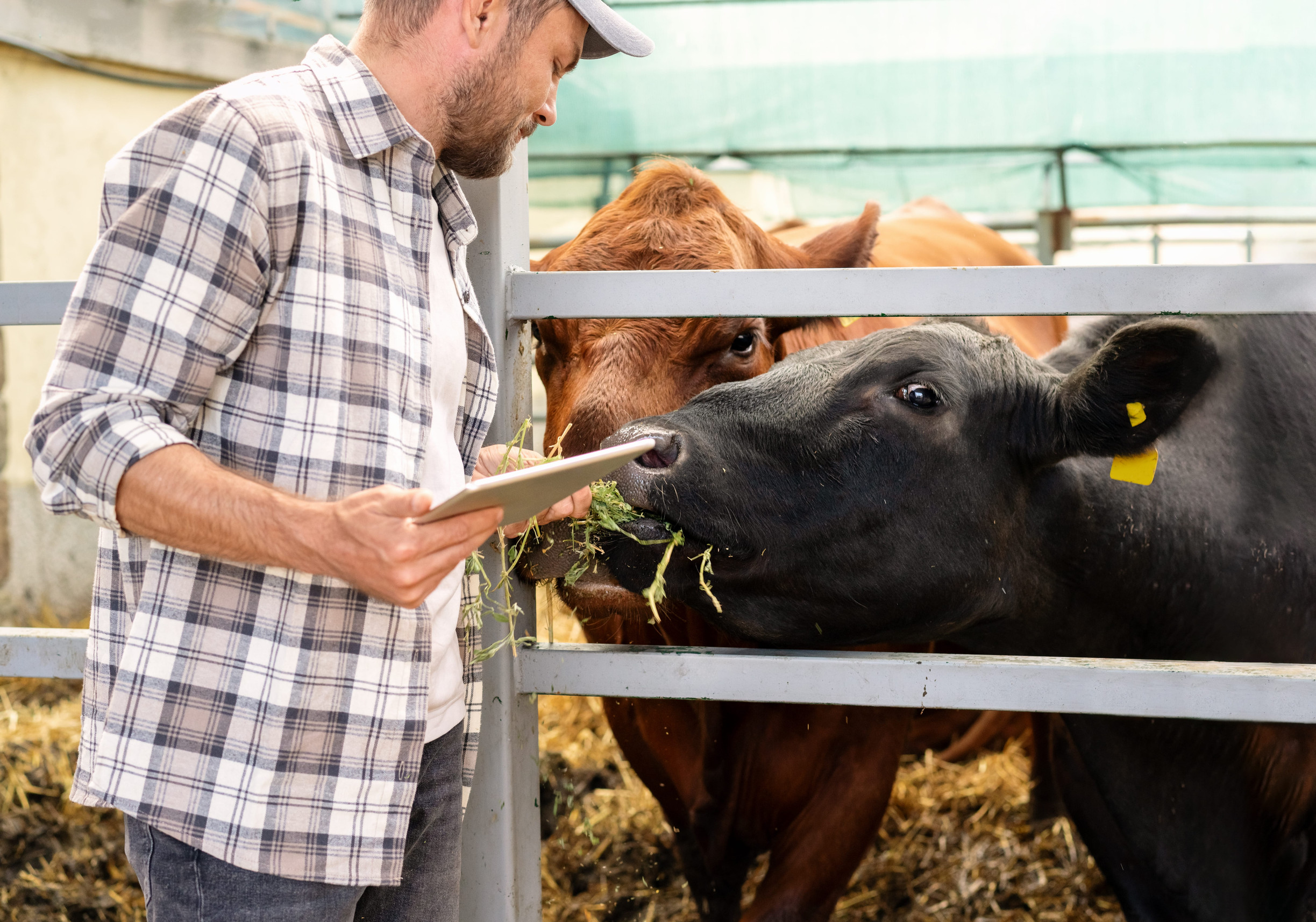
Texas lawmakers have argued that cultivated meat could disrupt traditional livestock markets and affect family farms and rural communities.
They have also raised questions about food labeling, contamination, and the long-term effects of newer food-production methods.
Agriculture Commissioner Sid Miller has publicly defended the legislation, arguing that Texas should protect its ranchers, consumers, and conventional agricultural industry.
Supporters of the measure, including representatives of traditional cattle interests, believe consumers should know exactly how their food is produced.
However, these political and industry concerns should not be confused with scientific findings that every alternative-protein product is unsafe.
The FDA has reviewed EVERY’s egg-white protein under its Generally Recognized as Safe (GRAS) process. In its response to the company’s submission, the agency said it had no questions at the time about the company’s safety conclusion for its specified intended uses.
That is not the same as blanket FDA approval of every synthetic egg product.
Texas Is Not the First State to Restrict Lab-Grown Meat
Another part of the viral claim needs correcting.
Texas was not the first American state to prohibit the sale of cultivated meat.
Florida Governor Ron DeSantis signed a law restricting lab-grown meat on May 1, 2024, more than a year before Texas passed its legislation.
Other states, including Alabama, Mississippi, Montana, Indiana, and Nebraska, also enacted restrictions before Texas.
In fact, the Texas Department of Agriculture described Texas as the seventh state to take such action in 2025.
These laws do not necessarily have identical requirements or penalties, but they demonstrate that the debate has spread well beyond Texas.
The Fight Over Alternative Food Is Far From Over
Texas’s restrictions have also faced legal challenges.
Cultivated-meat companies Wildtype and UPSIDE Foods have challenged the legislation, arguing that the state unfairly restricts competition and interferes with interstate commerce.
In January 2026, a federal judge allowed their constitutional challenge to proceed but denied their request for a preliminary injunction.
An appeals court heard arguments on November 4, 2026, about whether enforcement should be suspended while the case continues. Reporting available by November 19 indicated that no ruling had been issued yet.
For consumers, the distinction is important. Texas has restricted the sale of certain cultivated animal-cell foods, but the law does not establish a blanket ban on plant-based eggs or precision-fermented egg proteins.
And while Jeff Bezos has documented connections to sustainable-protein research and plant-based food investments, no verified evidence shows that Texas passed SB 261 to block his synthetic egg project.
The bigger story is the growing disagreement over who should control the future of food: traditional agricultural industries, innovative food companies, federal regulators, or individual states. As these technologies develop, that debate is unlikely to disappear anytime soon.