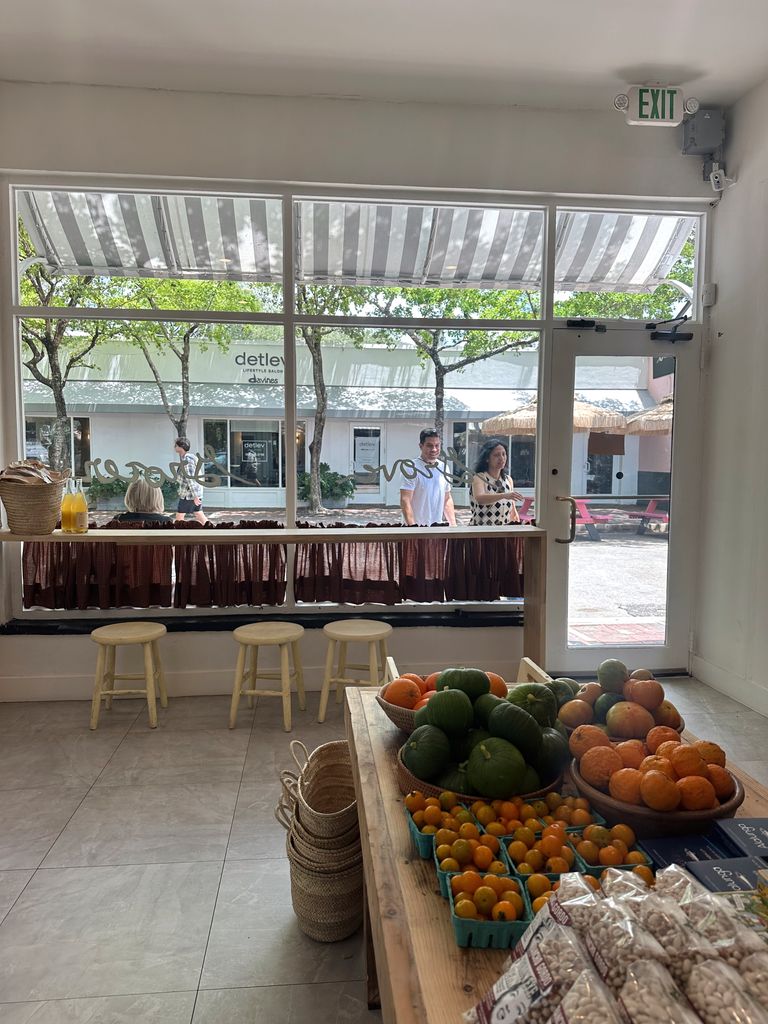
Stores that accept SNAP benefits now have extra time to restock their shelves under the federal government’s new grocery rules. The U.S. Department of Agriculture announced on Nov. 13, 2026, that retailers have a 90-day compliance extension to meet updated staple-food stocking standards.
The new deadline is February 11, 2027. By then, most SNAP-authorized stores, from corner markets to supermarkets, must carry a wider mix of milk, bread, meat, produce and other staples on a continuous basis or lose the ability to accept SNAP.

What USDA Announced on Nov. 13
In a retailer notice dated Nov. 13, 2026, USDA said it was granting a 90-day compliance extension for SNAP retailers to meet the standards in the May 2026 final rule, “Updated Staple Food Stocking Standards for Retailers in the Supplemental Nutrition Assistance Program.” The notice states that by February 11, 2027, retailers must comply with the updated stocking standards.
USDA said it remains committed to program and retailer integrity during the extension. To help stores prepare, the agency has gathered guidance, frequently asked questions, training materials and a SNAP Stocking Standards Calculator on its SNAP retailer page, which notes that more than 250,000 U.S. retailers are authorized to accept SNAP benefits.
For households already tracking changes to the program, the timing overlaps with other SNAP rule shifts, such as the state-by-state SNAP soda and candy limits scheduled for 2027 and 2028. Grocery costs remain a top concern for many families, a theme behind lists of things that are actually getting cheaper.
Seven Varieties in Each of Four Staple Categories
The core of the rule is variety. According to USDA’s stocking standards rule page, all retailers except specialty food stores, farmers markets and direct marketing farmers must keep at least seven varieties in stock on a continuous basis within each of four staple food categories: dairy, grains, protein, and fruits or vegetables.
Continuous basis means that on any day the store is open, the required varieties must be offered for sale and displayed in a public area. A variety is a food that is distinct from others in the same category, and USDA gives apples and oranges as an example of two varieties in the fruits or vegetables category.
Stores must also carry at least one perishable variety in three of the four categories. Perishable foods can be fresh, refrigerated or frozen, but USDA notes that an item that does not need refrigeration until it is opened does not count as perishable. Each variety needs at least three stocking units, for a minimum of 84 stocking units across the four categories. A stocking unit is the way a product is usually sold, such as a bag, box, bunch, can or package.
What Changes for Shoppers, and What Does Not
The rule changes what stores must stock, not what shoppers can buy. In its stocking standards FAQ, USDA states plainly that the rule does not change what is eligible for purchase with SNAP benefits. Butter, jerky and snack bars, for example, can still be bought with SNAP even though they no longer help a store qualify.
For shoppers, the practical effect may show up most at smaller stores, where shelves could gain more kinds of milk, bread, canned fish or fresh produce before the February deadline. Some states do restrict what SNAP can buy under separate waivers, which USDA tracks on its own pages.
Shoppers stretching a grocery budget through the holidays may also find ideas in roundups of Thanksgiving meal bundles at Walmart, Aldi, Lidl and Target, in clever frugal living tips and in a guide on how to save money fast.
What a Compliant Shelf Could Look Like
USDA’s examples give a clear picture of the shelf. In dairy, a store could stock whole milk, buttermilk, yogurt, sour cream, cottage cheese, shredded sharp cheddar and soy milk. In grains, it could carry sourdough bread, whole wheat bagels, whole grain spaghetti, quick-cook oats, brown rice, pearled barley and white flour.
For protein, USDA lists chicken breast, ground beef, frozen salmon fillets, canned tuna, eggs, peanut butter and lentils as one way to reach seven varieties. The rule splits some items that used to count together, counting shelf-stable and refrigerated milk as separate varieties, whole-wheat and regular bread as separate varieties, and meat from different animals as distinct.

Some familiar items no longer count toward the standards. USDA says butter, trail mix, jerky, cheese and fruit dips and spreads, and snack bars no longer qualify as staple foods for retailer authorization. Hot foods do not count, and ready-to-eat cold foods made on site are also excluded from a store’s staple count, in line with the federal definition of staple food in 7 CFR 271.2.
What Happens to Stores That Miss February 11, 2027
The stakes for retailers are high. USDA’s rule page says a store that does not meet the new requirements will be withdrawn from SNAP and will no longer be able to accept SNAP benefits. A withdrawn store can reapply six months after the date it was withdrawn, and a store denied at application can also reapply after six months.
Farmers markets and direct marketing farmers generally do not have to meet the variety standards. Under USDA’s rules they can qualify instead if 50 percent or more of their total sales are staple foods. Specialty stores such as butchers, fish markets and produce stands are also exempt from the updated standards, according to the agency’s retailer page.
For questions, USDA directs retailers to the SNAP Retailer Service Center at 1-877-823-4369. Background on how the program works is available in the Wikipedia overview of SNAP.
This article was produced with AI assistance and edited for accuracy against the sources linked above.
Image: Harrison Keely – CC BY 4.0/Wikimedia Commons