Somewhere between soccer practice, late shifts and homework, the family dinner tends to slip off the calendar. Plenty of parents picture a long, candlelit meal, decide it is out of reach, and end up eating in shifts over the counter.
Harvard psychologist Anne Fishel, co-founder of The Family Dinner Project, has a far less demanding plan. Her 7 family dinner habits start with committing to just 1 meal a week, count breakfast and weekend lunches as fair game, and see a young child who can sit for 5 to 10 minutes as a real starting point rather than a failure.
1. Commit to One Meal a Week First
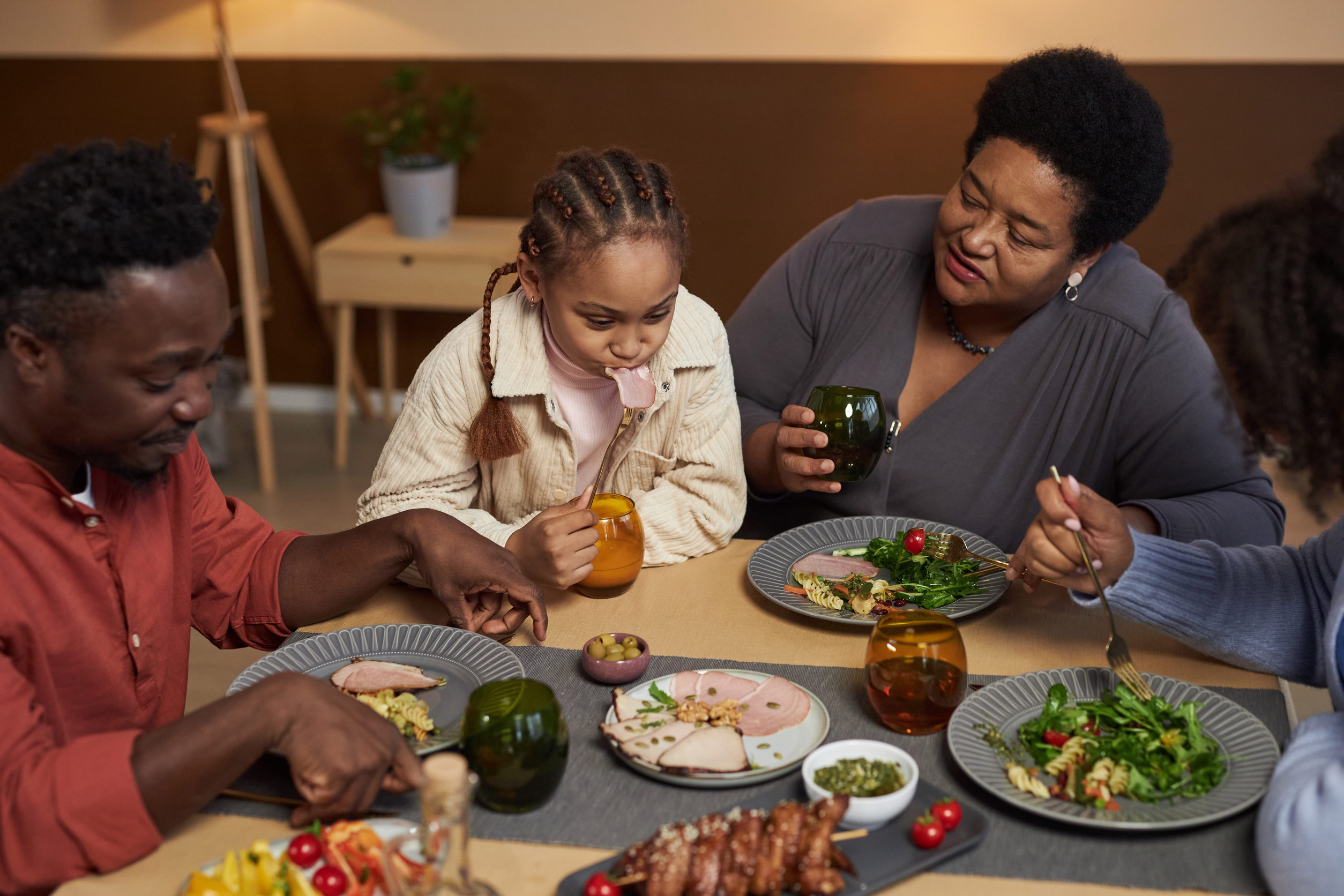
Asked how a family should begin, Fishel told the Harvard Graduate School of Education’s EdCast that she would start by making a commitment to eating together once a week. After that, she suggested each family pick one small change to work on, such as trying a new food, having more fun at the table, or learning more about each other’s days.
The idea is that a good meal makes the next one easier. In a post on The Family Dinner Project’s website, Fishel writes that families who manage one great or “good enough” meal often find they want more of them, and that one dinner a week the whole family looks forward to is worth keeping. The same slow-build logic shows up in families that eat a weekly dinner together.
2. Count All 16 Chances, Not Just Dinner
Dinner gets all the attention, but Fishel counts more options on the weekly menu. In the same EdCast interview, she said there are 16 opportunities for a family to eat together in a week: seven breakfasts, seven dinners and two weekend lunches. Any of those counts, along with weekend brunches or a late-night snack of cheese, crackers and hot chocolate in the kitchen.
In an Experience Life interview, she added that breakfast is often easier to gather a family for, and breakfast foods tend to be simpler. That kind of flexible routine also helps during the busiest stretch of the year, a theme in this piece on getting through the holiday pace without arriving at January in pieces.
3. Start Small With Young Children
Parents of toddlers and preschoolers often give up because the kids will not stay put. Fishel’s advice in the EdCast was to set realistic expectations: if young kids can be coaxed into sitting for five or 10 minutes, that is something to build on as the years go on.
She also suggested more thought about engaging children at the table and less focus on the food itself. A simple game can carry a short meal, and the old standby of easy lunch ideas for kindergarten kids works just as well at a weekend table as it does in a lunchbox.
4. Two People Still Count as a Family Dinner
Not every meal needs the full roster. “If two people in the family are eating together, that constitutes a family dinner,” Fishel told Experience Life. She described one large family whose rule is that nobody eats alone: a buffet goes out, and people eat in groups of two or three as schedules allow.
That loose approach fits the way many households actually run, especially in the week of Thanksgiving, when relatives come and go. Those comings and goings are part of the charm of odd American traditions that confuse the rest of the world, and so are the things families quietly argue about at Thanksgiving dinner.
5. Keep the Cooking Simple
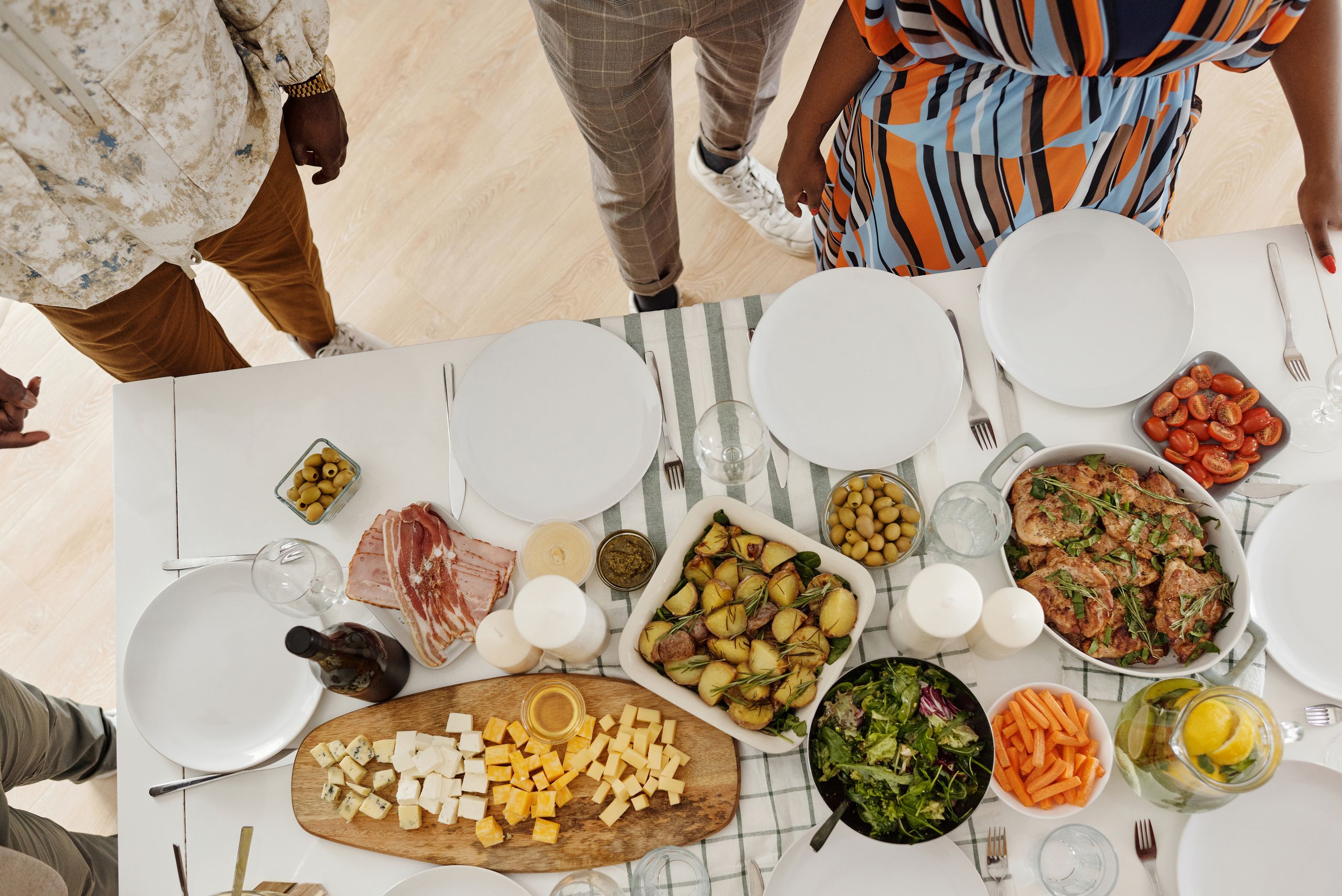
Fishel is clear that the food does not have to be fancy. She told Experience Life that she keeps several meals in mind that take about 10 minutes, and keeps those ingredients on hand. She also endorses shortcuts: a big batch of stew or soup on the weekend, frozen for later, or a store-bought rotisserie chicken served with salad and precut vegetables.
In a separate Experience Life piece, she said shortcuts like occasional takeout or double batches “won’t subtract points” from a family dinner. More time-savers turn up in these clever kitchen tricks for home cooks. The Family Dinner Project also posts free recipes that take under 30 minutes.
6. Skip the “One More Bite” Line
Picky eating is one of the biggest sources of dinner-table friction. “It’s best not to say, ‘Please just take one more bite,'” Fishel told Experience Life. “Those kinds of comments bring a lot of tension to the table.” If a child truly dislikes the meal, she said it is fine for them to have yogurt or make a peanut butter and jelly sandwich that night.
Her alternative is patience. She suggests serving a new food next to a familiar one, such as Brussels sprouts with mac and cheese, and repeating it until it becomes familiar too. “If it keeps showing up, they might think, How bad could it be?” she said. Another option is one simple central dish, like chicken rice soup, that each person customizes. A recent Dear Annie letter about picky eaters landed on a similar idea: polite refusals, not clean plates.
7. Bring Teens Into the Kitchen
Teenagers may look like they would rather be anywhere else, but Fishel told the EdCast that 80% of teens say family dinner is the time of day they are most likely to talk to their parents. Her suggestions for winning them over include letting teens help choose the menu, cook one meal a week or one course, pick dishes from a country they are curious about, or make a playlist for dinner.
One story she shared in the EdCast, from her book, stands out. A divorced father whose three sons bolted from weekend dinners to their screens had them cook ratatouille over pasta, then watch the movie Ratatouille while they ate and compare their version to the film’s. That kick-started regular weekend dinners.
Why the Low Bar Works
The common thread in all 7 habits is that the atmosphere matters more than the menu or the headcount. In her Experience Life interview, Fishel said a family dinner does not have to be perfect or “plumb the meaning of life.” Sitting together for a few minutes, enjoying each other’s company and talking is enough. For families heading into Thanksgiving week, Fishel has also shared a habit of adding one new dish to every Thanksgiving beside the turkey. Starting with 1 meal a week is a small, doable promise, and by her account, the rest tends to follow.
This article was produced with AI assistance and edited for accuracy against the sources linked above.