A string of unusual technology and service disruptions across the United States has left some Americans wondering whether something bigger is happening. From Microsoft’s email services going down to a nationwide flight stoppage and banking interruptions, several essential systems have experienced problems within days of one another.
The concerns have reached officials at the Federal Emergency Management Agency (FEMA). According to a report by The Washington Post, two FEMA employees privately expressed doubts about whether the incidents were simply coincidental. One even withdrew extra cash, while the other was receiving messages from former classmates asking whether they should start preparing for a major emergency.
FEMA Officials Say the Timing Is Difficult to Ignore
The two FEMA officials reportedly told The Washington Post that they were concerned about the number of disruptions affecting different sectors within such a short period.
One employee said they had taken out additional cash as a precaution. The other described receiving numerous messages from former high school classmates who wanted to know whether they should begin preparing for a large-scale emergency.
One official described the situation bluntly: “There is nothing on this scale that has happened before in this many sectors this close together. This is scary, and there is no leadership.”
The employees spoke anonymously because they were not authorized to discuss the matter publicly. FEMA did not respond to the newspaper’s request for comment. Their concerns reflect personal reactions, however, and should not be mistaken for an official FEMA warning that a major disaster is approaching.
Several Major American Services Have Experienced Disruptions
What has made the situation particularly unsettling is the number of familiar services affected within a few days.
Microsoft Outlook experienced a major outage on November 12 and 13, disrupting access to email and other workplace tools. On November 13, the Federal Aviation Administration (FAA) issued a nationwide ground stop that kept aircraft from departing for more than four hours.
The disruptions did not end there. Chase banking services, Apple, United Airlines, and a classified National Security Agency communications network also experienced service problems in the following days.
For ordinary Americans, these are not minor inconveniences. People depend on these systems to access money, communicate with colleagues, travel and carry out everyday responsibilities. Seeing several of them experience problems so close together has understandably raised questions.
Government Officials Say There Is No Evidence of a Coordinated Attack
While some people suspect the incidents could be connected, the federal government has pushed back against suggestions of a coordinated cyberattack.
Director of National Intelligence Jay Clayton addressed the concerns during a House Homeland Security Committee hearing on November 18. He said the disruptions were separate incidents associated with maintenance and technical changes, adding that they were not a coordinated or state-sponsored attack.
Secretary of State Marco Rubio also said the government had zero evidence linking the outages.
That has not stopped questions from lawmakers and the public. Senator Josh Hawley of Missouri expressed skepticism about the timing, telling reporters that if everything was coincidental, it would be “like the greatest coincidence in the history of the world.”
For now, there is no publicly established evidence that the outages share a common cause.
Americans Are Buying Generators and Stocking Their Pantries
The uncertainty is also showing up in shopping habits. Some Americans are choosing to prepare for possible disruptions by purchasing supplies they could need if electricity, banking, or other essential services become unavailable.
Costco has reportedly experienced increased demand for generators, canned food, rice, bottled water, batteries, and household necessities. According to Mizuho Securities analyst David Bellinger, 21 of the 26 expensive generator models listed on Costco’s website were sold out as of November 15.
Costco Chief Financial Officer Gary Millerchip also acknowledged increased purchases of certain essentials toward the end of October, including water, rice, canned goods, generators, and batteries.
The buying activity is not limited to one retailer. Reports indicate that emergency preparedness products are attracting attention from shoppers who want backup power and enough household supplies to manage a temporary disruption.
Should Americans Be Preparing for a Major Emergency?
The recent incidents have revived conversations about emergency preparedness, but there is an important difference between being prepared and assuming a catastrophe is imminent.
A temporary banking outage, for example, could make accessing money difficult even when bank accounts remain intact. Similarly, a prolonged power interruption could affect refrigeration, communication, and other household necessities.
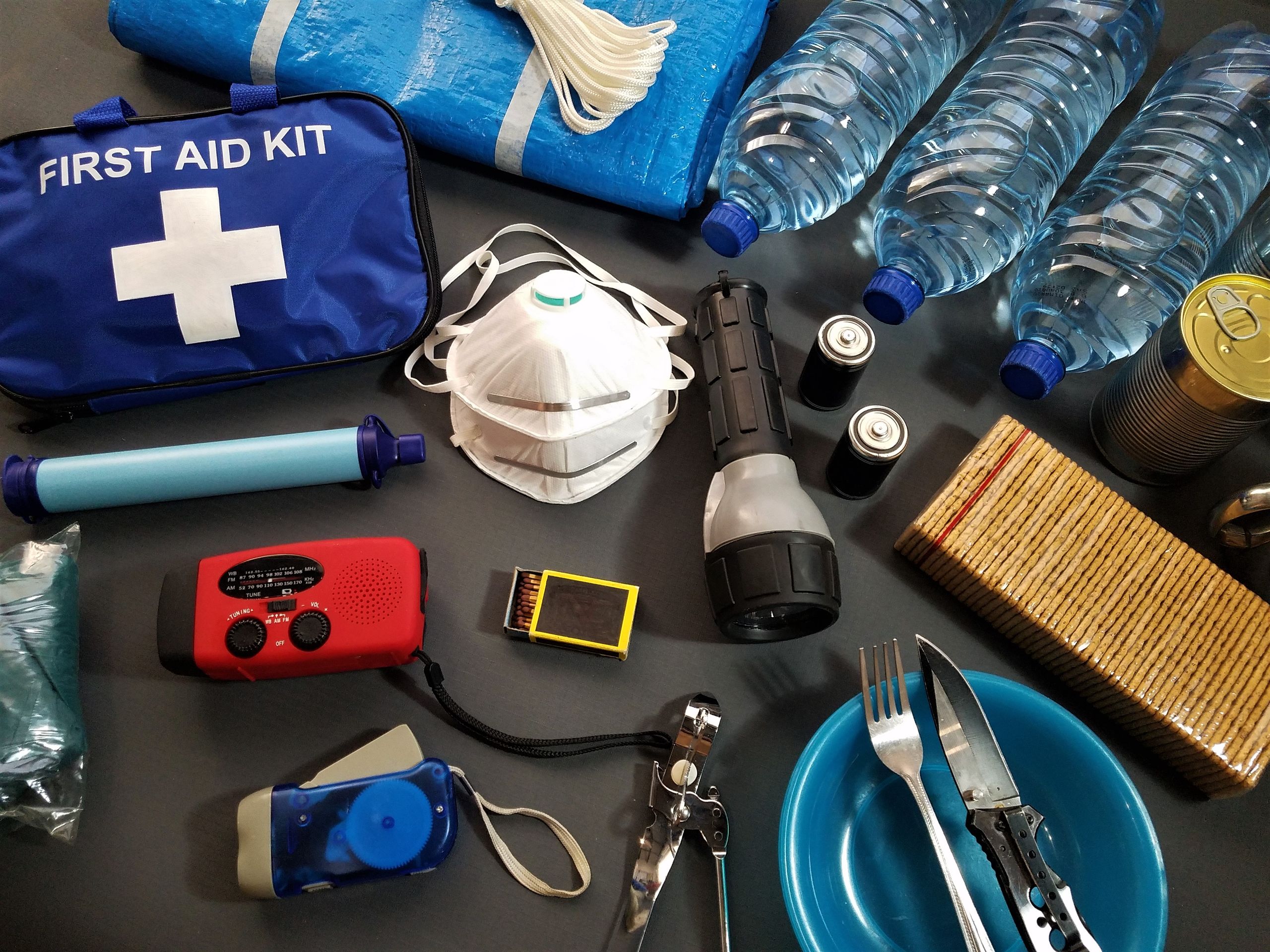
Keeping some cash, drinking water, nonperishable food, batteries, and flashlights at home can provide a useful backup during unexpected disruptions. Having important phone numbers written down and knowing how to contact family members without internet access can also help.
There is currently no confirmed nationwide emergency linked to the recent outages. Still, the concerns raised by FEMA employees show how unsettling it can be when several services people depend on experience problems within the same week. Whether coincidence or not, the events have given many Americans another reason to take basic emergency preparation seriously.