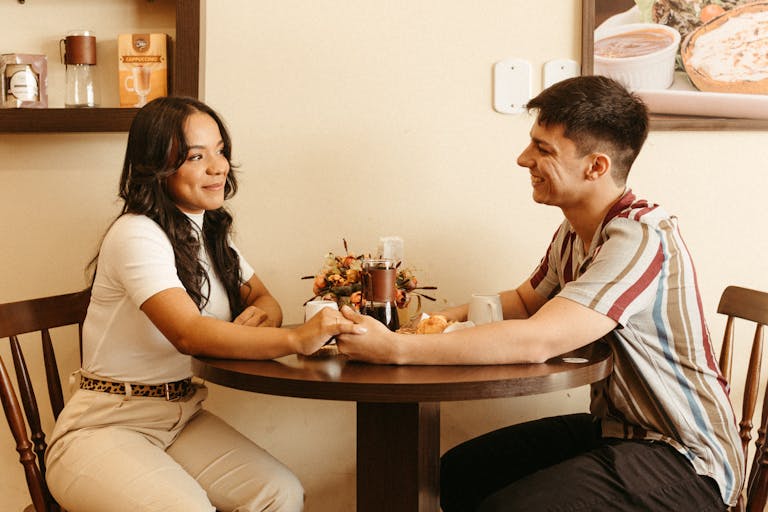
Every family has its holiday script. Mom makes the same apple pie, Dad carves the turkey, and the grown kids show up with stories about their busy lives. Then someone skips the pie, checks a phone during grace or mentions how another family does it better, and the mood at the table shifts.
A YourTango list by staff writer Alexandra Blogier names 11 things grown children do that leave parents feeling disrespected, often without meaning to. One of them, ignoring family traditions, uses Thanksgiving dinner, a mother’s apple pie and Christmas-morning chocolate chip pancakes as its examples.
1. Brushing Off Their Advice
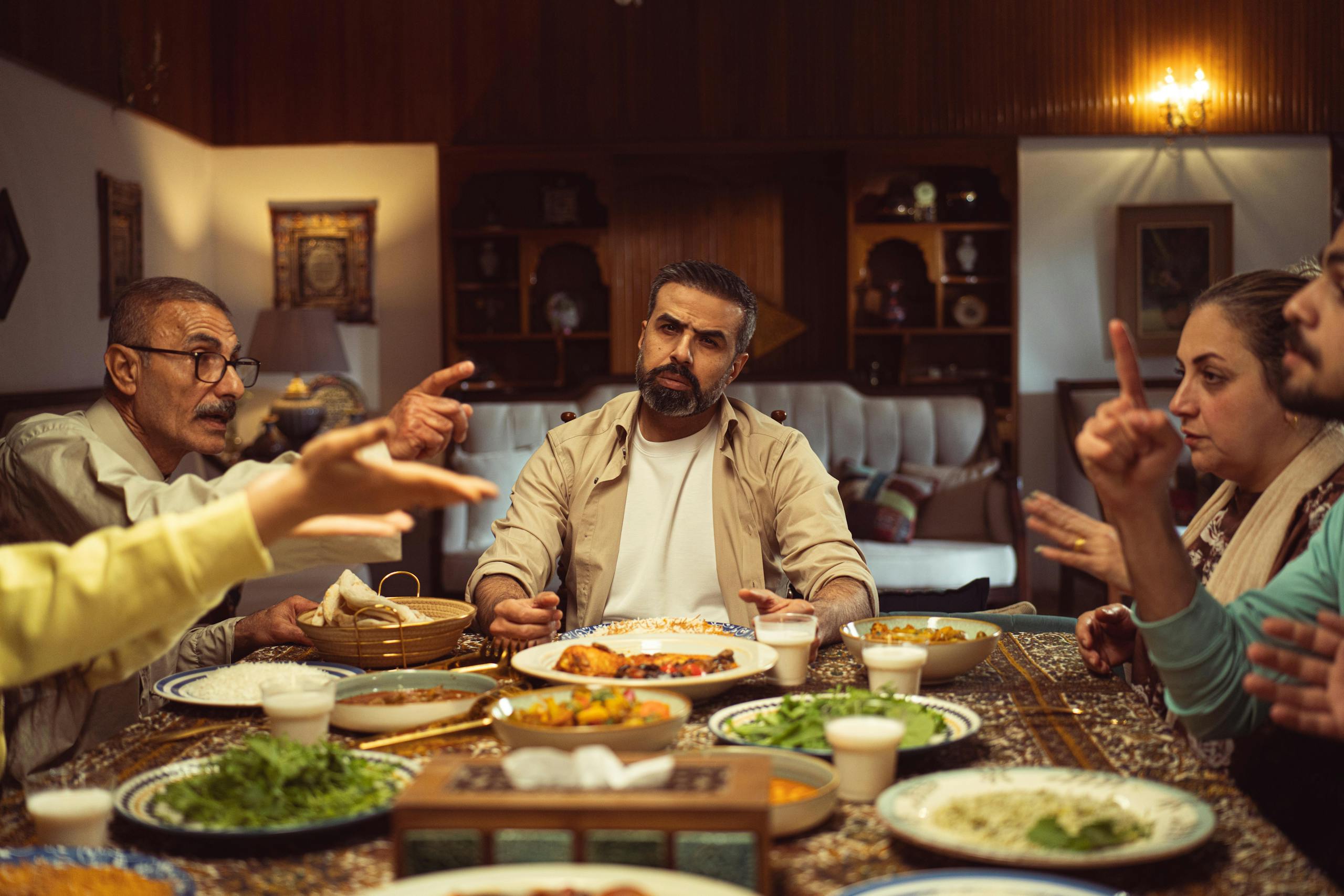
The YourTango list, last updated June 22, 2026, starts with advice. Parents never stop being parents, it notes, and offering advice is one way they show they care. Grown children who wave it off without a second thought can make parents feel shut out, though the list also concedes that unsolicited or critical advice is not always welcome.
2. Acting Like Their Experiences Don’t Matter
The world has changed, from technology to the job market to how kids are raised, but parents lived full lives before their children arrived. Dismissing those experiences can make parents feel their lessons no longer count. Anyone who has heard a parent slip into old slang will recognize the generational gap in these slang words from the swinging ’60s.
3. Judging How They Live
The list’s examples are small and familiar: a thumb over the camera on every FaceTime call, or a habit of changing a restaurant order at least 5 times. Criticizing those habits will not change them, YourTango says, but it can change the relationship. These things boomer parents say that adult children quietly dread show the irritation can run both ways.
4. Forgetting Important Occasions
Anniversaries and birthdays are markers of a life, not just dates on a calendar. A card, a call or a text on the day shows grown children see their parents as people in their own right, not only as the ones who raised them.
5. Not Making Time for Them
Independence is normal and expected, the list says, but parents still want connection. It does not have to be a big production: a photo of the grandkids at the end of the week, or a call while a parent is cooking dinner, keeps the line open. Families that keep a holiday ritual tend to share a few habits, as this look at families that keep a Thanksgiving tradition explains, and this piece on keeping a steady pace through the holidays is about routines that make the season easier on everyone.
6. Bringing Up Old Mistakes
Constantly returning to a parent’s past mistakes can leave them feeling punished for something they cannot change. YourTango cites psychotherapist Diane Barth, who has said that holding a grudge often says more about how the person holding it sees the situation than about the original mistake. Thanksgiving, a fixture on lists of odd American traditions that confuse the rest of the world, is a common place for those old stories to resurface.
7. Comparing Them to Other Parents
This item has a kitchen twist. Repeatedly mentioning that a friend’s parents paid for a Caribbean cruise, or that the in-laws would never cook with frozen vegetables, can leave parents feeling inferior, the list says. Every family runs differently, and these strange Thanksgiving traditions everyone pretends are normal are proof that no two holiday tables look alike.
8. Forgetting to Say Thanks
Gratitude gets its own spot. YourTango points to the work of University of North Carolina at Chapel Hill social psychologist Sara Algoe, whose “find-remind-bind” theory holds that gratitude is essential to long-term relationships. Her research focused on couples, but the list applies the idea to families: a simple word of thanks after a big holiday meal matters.
9. Ignoring Family Traditions
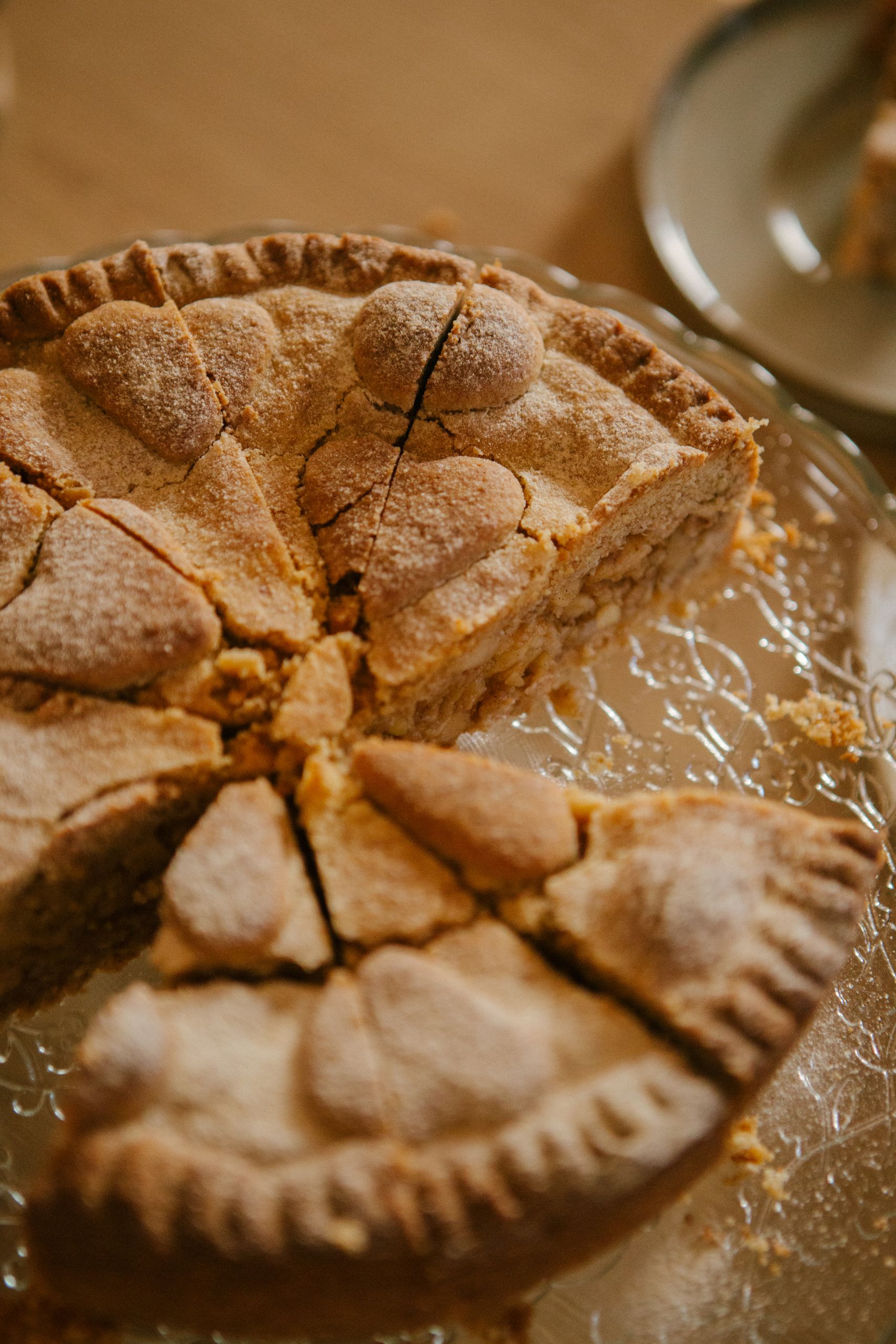
This is the item that lands hardest in late November. Grown children may not be able to fly from California to Connecticut for Thanksgiving dinner, the list says, but they can still bake the apple pie their mom always made, from her mother’s recipe, and share photos of it. They can also record their own kids on Christmas morning eating chocolate chip pancakes, just as they did growing up. Traditions change shape, but the love behind them stays, YourTango says. The traditional Thanksgiving dinner, with turkey, stuffing, potatoes and pie, is the kind of meal where those family recipes tend to live on.
10. Making Fun of Their Habits
Teasing may be meant kindly, but laughing at someone is different from laughing with them. The list’s example: jokes about a turtleneck-and-sweatpants outfit, or the habit of keeping tissues tucked in a sleeve.
11. Missing When Their Needs Change
As parents get older, they often need more practical and emotional support, and the list says failing to notice that can cause friction. Small things, like offering to carry the turkey platter or handle the grocery run, can make parents feel cared for and still useful.
What Experts Suggest for the Holiday Table
Advice for the visit itself comes from AARP. In its guide to family dynamics during the holidays, Stanford’s Erin Cassidy-Eagle suggests asking for changes in a way that enlists parents and gives them the benefit of the doubt. Northwestern’s Mudita Rastogi suggests lining up a support person to check in with when a break is needed. The Emily Post Institute’s Thanksgiving tips add a few basics: offer to contribute to the meal without dictating the menu, arrive on time and put the phone away at the table. None of it requires a grand gesture, just showing up for the pie.
This article was produced with AI assistance and edited for accuracy against the sources linked above.