Most cheese spends its life in a plastic wrapper at the back of the fridge. One wheel of French Comté spent two years under the stone vaults of a mountain fortress, and this month it walked away with the biggest title in the cheese world.
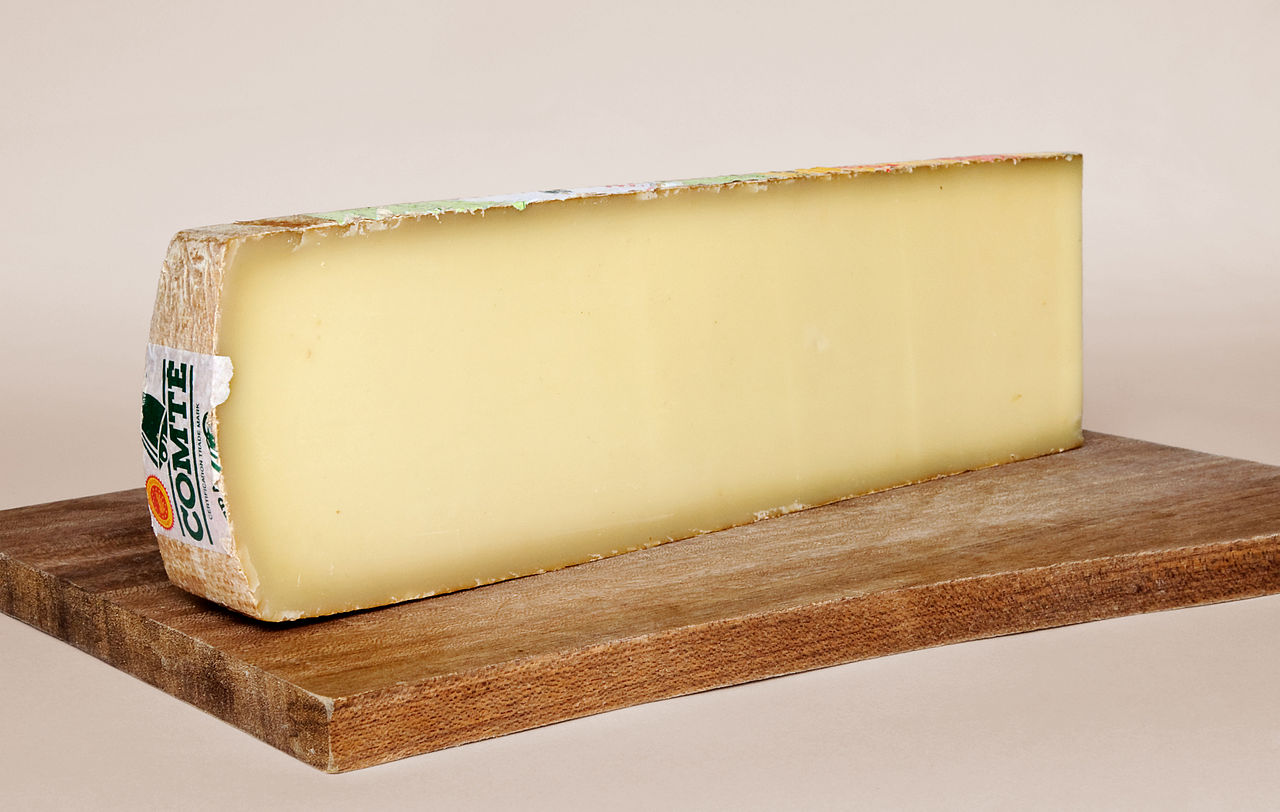
At the World Cheese Awards in Córdoba, Spain, on Nov. 12, 2026, Fromageries Arnaud’s Comté Fort des Rousses 24 Months was named world champion. It finished in a 3-way tie at 81 points with Ossau-Iraty from France and Le Gruyère AOP from Switzerland, and the tie was broken by dropping each cheese’s highest and lowest scores, which left the Comté on top.
How a Tie at the Top Was Settled
The judging ran through several rounds, as laid out in the New York Post’s Nov. 21 report on the winner. More than 5,000 cheeses from over 40 countries were entered. Judges tasted them blind, scoring appearance, aroma, texture, flavor and mouthfeel, and those first-round points decided bronze, silver and gold medals.
From the gold medal winners, judges picked 108 “Super Gold” cheeses. Those went before a 14-member super jury, and each juror chose a favorite for the final round. That last round produced the rare three-way deadlock: the Comté, an Ossau-Iraty and Le Gruyère AOP, each on 81 points.
Organizers then removed each finalist’s single highest and single lowest score. Once the outliers were gone, the Comté came out ahead and took the title of World Champion. The event is run by the Guild of Fine Food, a British trade publisher whose Wikipedia entry notes that the awards began in 1988.
The 14 finalists came from Spain, Portugal, Italy, France and Switzerland. The Post reports the field included an Italian pecorino and an aged Spanish goat’s milk cheese coated in edible flowers, which sounds like the sort of thing that would draw a crowd on any holiday cheese board. Food competitions abroad come with their own customs, and travelers who want to avoid a faux pas at the table can brush up on things never to do in France before a cheese-shop visit.
Shoppers planning a Thanksgiving cheese board may want to note how pricey imported wedges can get, a topic that comes up in 7 grocery prices that may surprise Americans in 2026, and anyone buying a big wedge will want room in the fridge, which makes 5 fridge and freezer checks to make before the big grocery run a handy list. A cheese plate before the turkey is also one of those holiday habits that fits right in with odd American traditions that confuse the rest of the world.
A Fortress Napoleon Picked Out
The winning cheese takes its name from the place it ages. The Fort des Rousses history page says the story begins in 1800, when Napoleon set his sights on Les Rousses as a strategic military position near the Swiss border. Building the fortress took about 70 years. It covers more than 21 hectares and was designed to hold 3,500 soldiers and 2,000 horses.
The French Wikipedia article on the fort fills in the timeline: the main works started in 1843 and wrapped up in the early 1860s, at an altitude of about 1,150 meters. The army used the site for training into the 1990s, then the state sold it to the town of Les Rousses in 1997.
The fort’s own site says it was turned into cheese-aging cellars in 1998. For travelers who prefer their road trips with a stop that actually lives up to the hype, a fortress full of cheese makes a fine counterpoint to the worst American tourist attractions, ranked in order.

What the Judges Tasted
Finalist judge Rafa Dominguez Gonzalez told the Post that the cheese’s complexity is what won him over, and he described its nutty, savory flavors as ones that stayed with him. Patrick McGuigan, a cheese author and educator who co-hosted the final judging, put it this way: “Some people argue that time is the fifth ingredient in cheese.”
That fits what the producers themselves say about aging. The Comté Cheese Association’s guide to flavors and aromas says a young Comté tends to smell of fresh butter, dried apricots and soft caramel, while a long-matured wheel turns more fruity, spicy and nutty. The association counts 83 flavor descriptors for the cheese, grouped into 6 families: lactic, fruity, roasted, vegetal, animal and spicy.
Comté is a cooked, pressed cheese made from raw cow’s milk in the Jura Mountains of eastern France. According to Wikipedia’s Comté entry, it has the largest production of any French protected-origin cheese, about 65,000 tonnes a year, with each wheel weighing up to 55 kilograms and needing up to 600 liters of milk. Inspectors grade every wheel out of 20, and only the best earn the green-label “Comté Extra” name.
140,000 Wheels Under Stone Vaults
The fort’s cellars are why the cheese tastes the way it does, according to the people who run them. The fort’s page on its Comté cellars says the thick walls and rock hold about 140,000 wheels at a steady temperature and humidity, and that the arched stone ceilings create a natural “vault effect” that keeps air moving slowly around the wheels.
The Post reports the fortress has 50,000 square meters of vaulted cellars, making it one of the largest cheese caves in France. The winning wheel was aged by the affineur JuraFlore, which has been aging cheese since 1907, in its Charles Arnaud cellar, a space set aside only for Comté.
The Two Cheeses That Came So Close
The runners-up are no slouches. Ossau-Iraty is a sheep’s milk cheese from the Basque Country and Béarn in southwest France, named for the Ossau Valley and the Irati Forest, and it has held protected-origin status since 1980.
Le Gruyère is a hard Swiss cheese named for the town of Gruyères in Fribourg. Cooks know it as a classic melting cheese for fondue, French onion soup and the croque-monsieur, and it has carried protected-origin status since 2001.
All three finalists are mountain or pasture cheeses with deep regional roots, and the places that make them guard their names closely. This year, the only thing separating them was a little arithmetic and two years in a fortress.
This article was produced with AI assistance and edited for accuracy against the sources linked above.
Image: O. Morand – CC BY-SA 3.0/Wikimedia Commons