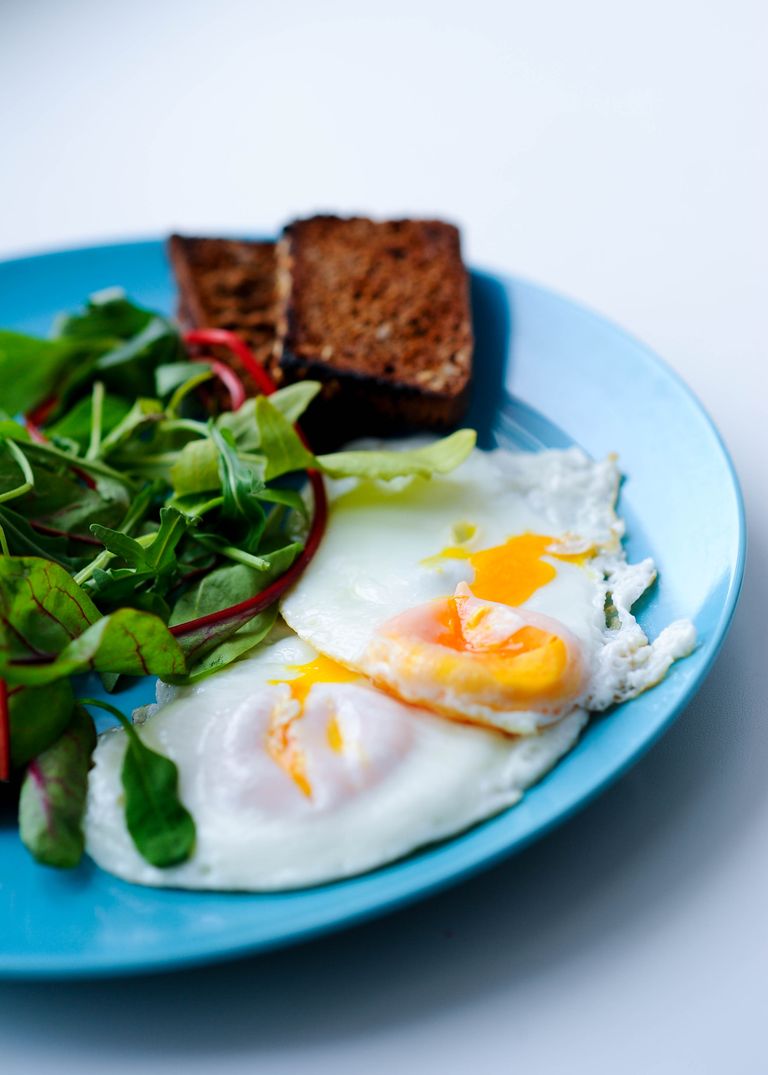
Half a dozen egg whites left over from a custard, a slice or two of Sunday quiche that nobody got to, a breakfast casserole made for a crowd that shrank at the last minute. Leftover eggs are a common kitchen problem, and the usual answer is the freezer, as long as the clock is right.
The FoodSafety.gov cold food storage chart lists raw egg whites at 12 months in the freezer. Casseroles that contain eggs keep 2 to 3 months in the freezer after baking, and so does quiche. The chart also notes that yolks do not freeze well and that eggs in the shell should not be frozen at all.

The number for raw egg whites: 12 months
According to the FoodSafety.gov cold food storage chart, raw egg whites and yolks can stay in the freezer for 12 months. That is the longest figure in the egg category, and it makes whites a practical thing to save. A recipe that calls for yolks only, such as custard or curd, leaves a handful of whites behind, and many cooks simply pour them into a container instead of tossing them.
The chart’s caveat is that yolks do not freeze well. Cooks who want to save them may find the texture changes, and the guidance leans toward saving whites. Whites are also the part that Wikipedia’s entry on egg white describes as making up about two-thirds of a chicken egg by weight and as a common ingredient in meringue and mousse, which is why they are worth keeping.
Casseroles with eggs: 2 to 3 months
The chart’s second figure covers egg casseroles. A baked casserole that includes eggs keeps 2 to 3 months in the freezer. A casserole is a baked dish, as Wikipedia’s casserole article explains, which makes it a natural candidate for a make-ahead meal, an idea with a long history that the 5 facts about the first TV dinner, born from 260 tons of leftover Thanksgiving turkey, also touches on. Breakfast bakes with eggs, cheese and bread are the kind of dish many households make for holiday mornings.
The timing clock starts after baking, not before. That matters for planning. A casserole assembled raw and frozen is a different thing from one baked first and then cooled and frozen, and the 2 to 3 months in the chart applies to the baked version. A cook who wants to prepare a holiday brunch dish ahead should bake it, cool it and freeze it, then write the date on the lid.
Quiche: also 2 to 3 months
Quiche gets the same range as egg casseroles: 2 to 3 months in the freezer after baking. Wikipedia’s quiche entry describes it as a French tart made of a pastry case filled with savory custard and pieces of cheese, meat, seafood or vegetables, and notes that Quiche Lorraine includes lardons or bacon. The same article says quiche is served hot, warm or cold, so a frozen slice has several routes back to the table.
Because quiche is mostly custard in a crust, leftover wedges are an easy thing to freeze by the slice. Wrapping each piece separately lets a cook take out one portion at a time rather than thawing a whole pie. Date labels help, since two months can slip by quickly when a freezer is full of holiday food.

Eggs in the shell stay out of the freezer
The chart is clear that eggs in the shell should not be frozen. Its practical takeaway is that eggs headed for the freezer need to be cracked and the contents stored in a container. Cooks with too many eggs after a sale can crack them into a bowl, stir whites and yolks as needed and freeze them in labeled containers.
That small step turns a grocery-budget problem into a pantry advantage. For households thinking about prices, frugal living tips often start with the same habit: use what is already bought before buying more. Eggs are a good place to apply it, as are the other wallet-friendly life hacks that stretch a grocery budget.
A freezer plan for the holiday week
Thanksgiving falls on Nov. 26, 2026, and the days around it are heavy on eggs: pumpkin pie, custards, breakfast casseroles for overnight guests and a lot of baking. A little planning can keep the leftovers from being wasted. A cook who has already worked through the 7 things to check in the kitchen before Thanksgiving dinner on Nov. 26 will know whether the freezer has room for a quiche or a casserole dish before the cooking starts.
Houses with guests tend to see another pattern: plenty of leftovers on Friday and a shortage of fridge space. Packing up quiche slices and casserole portions on the same day they are cooked, and writing the date on each, keeps the leftover shelf from turning into a guessing game. Hosts who like to look back at older routines may enjoy a blast to the past with slang words from the swinging 60s, a reminder that make-ahead dishes were a staple in mid-century kitchens too.
Why freezing works at all
Freezing is simply holding food below the point at which water turns to ice, a process that Wikipedia’s article on freezing describes in general terms. For food storage, the practical lesson is that the cold slows spoilage but does not stop the clock, which is why the chart lists specific months for each item rather than an open-ended window.
The details to remember are short. Per the FoodSafety.gov chart, raw egg whites keep 12 months in the freezer, yolks do not freeze well, and eggs in the shell should not be frozen. Casseroles with eggs and quiche keep 2 to 3 months in the freezer after baking. Home freezers and wrapping methods vary, so the dates on a label are the best guide for each household.
This article was produced with AI assistance and edited for accuracy against the sources linked above.
Image: User:MarkTraceur – CC BY-SA 1.0/Wikimedia Commons