The turkey gets a thermometer, and then the rest of the holiday table gets a guess. A quiche comes out of the oven when the top looks golden, a casserole when the edges bubble, and the fish when somebody gets nervous. A federal chart puts a number on each of them.
The FoodSafety.gov safe minimum internal temperatures chart lists 160°F for egg dishes such as frittata or quiche, 165°F for casseroles with or without meat and for stuffing cooked inside poultry, and 145°F for fish. The page also says to use a food thermometer.

Quiche and Frittata: 160°F
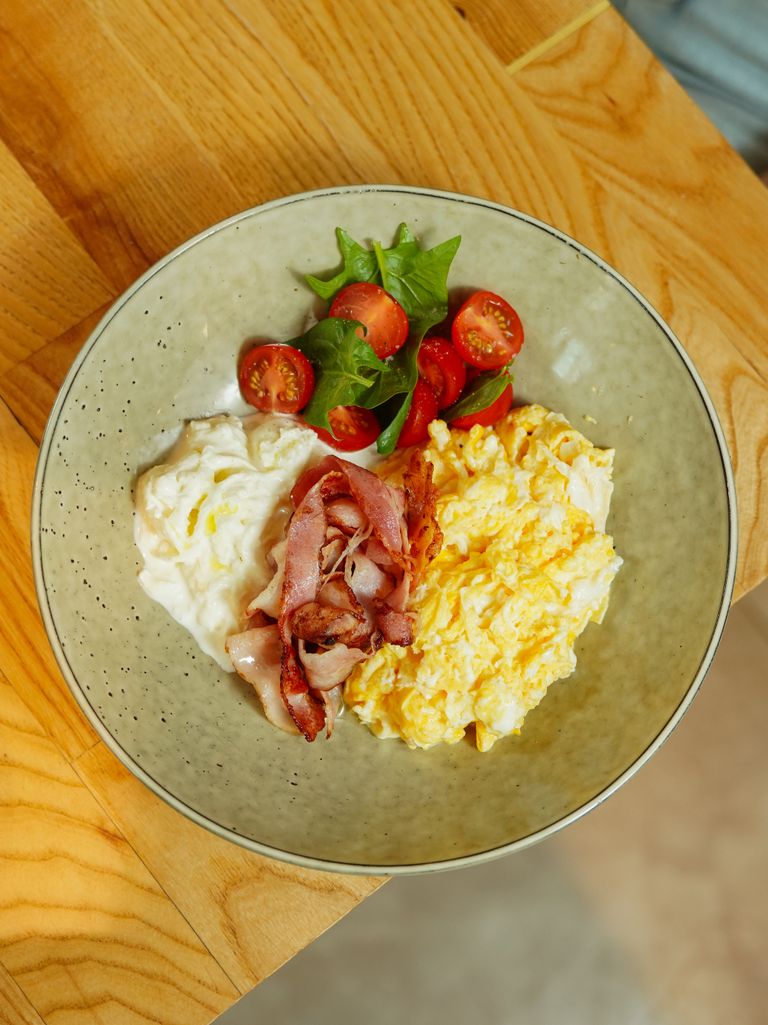
According to the FoodSafety.gov chart, egg dishes such as frittata or quiche belong at 160°F. That is a number worth knowing for a holiday brunch, since both dishes look finished well before the middle reaches it.
Wikipedia’s quiche entry describes a French tart consisting of a pastry case filled with savory custard and pieces of cheese, meat, seafood or vegetables, served hot, warm or cold. The word is first attested in Lorrain in 1605, and the first English use of “quiche lorraine” was recorded in 1925. The frittata entry calls it an egg-based Italian dish similar to an omelette, a crustless quiche or scrambled eggs, enriched with meats, cheeses or vegetables.
Both dishes fit the breakfast-for-dinner habit, a kind of cooking that turns up in a list of things to check in the kitchen before Thanksgiving dinner, since a crowd of overnight guests needs something to eat on Friday morning. A thermometer slid into the center of a quiche answers the question without cutting a slice first.
Casseroles and Stuffing: 165°F
The chart gives casseroles, with or without meat, 165°F, and the same number applies to stuffing cooked inside poultry. A casserole is the side dish that is easy to misjudge, because a bubbling edge can sit beside a cooler center.
Wikipedia’s casserole entry says the word comes from a French diminutive of casse, from Provençal cassa, meaning saucepan, and names both a large, deep pan used in the oven and a category of one-pot foods cooked in it. The holiday favorite in that category is green bean casserole, and Wikipedia’s green bean casserole entry says it was created by Dorcas Reilly for Campbell’s Soup in 1955.

The number matters most for a casserole made ahead and reheated. A dish pulled from the refrigerator on Thursday needs the same 165°F at the center, and the same chart lists 165°F for leftovers of any type. A casserole that started the day in a refrigerator at 40°F or below is not ready simply because the top is hot.
Cooks who plan side dishes ahead are also trying to hold down the bill, a goal that links to clever frugal living tips and a look at wallet-friendly life hacks. Casseroles are a classic stretch dish for that reason.
Fish: 145°F
For fish, the chart lists 145°F, or until the flesh is no longer translucent and flakes easily with a fork. The second description is the visual check, and the first is the number to confirm it. A baked fish fillet is a common holiday entree for households that skip the turkey, and the number is the same whatever the sauce.
The same chart lists 145°F for steaks with a 3-minute rest, and 160°F for ground meat. Poultry, including whole turkey and stuffing, sits at 165°F, so a holiday table that mixes a steak, a casserole and a fish can run on three or four different numbers at once. Hosts who divide the cooking among relatives can share the card, which is also a way to avoid the tension described in a list of things families quietly argue about at Thanksgiving dinner.
A Quick Reference for a Crowded Kitchen
A short list keeps the numbers in view. Egg dishes such as quiche and frittata, 160°F. Casseroles, stuffing and leftovers, 165°F. Poultry, 165°F. Ground meat, 160°F. Fish, 145°F, and steaks, 145°F with a 3-minute rest. Writing them on a card taped to a cabinet is a small habit that spares a hurried cook from searching a phone with messy hands.
A thermometer is the tool that makes the card useful. The FoodSafety.gov page says to use a food thermometer, and it should go into the thickest part of the food, away from a pan edge or a bone. Checking more than one spot is a sensible step for a wide casserole dish.
The holiday itself brings its own rhythm of cooking too much. A list of odd American traditions that confuse the rest of the world notes the national habit of preparing far more than a table can eat, which means leftovers become part of the plan from the start.
After the Meal
The cook who handles the thermometer is often the one who deserves the thanks, a point made in a note on habits of people who thank the cook. Passing the job around the kitchen also keeps the dishes moving, since a person with a thermometer in hand can check three dishes in a minute or two.
The FoodSafety.gov cold storage chart gives cooked leftovers 3 to 4 days in a refrigerator at 40°F or below, and the freezer at 0°F holds food longer for quality. Label each container with the contents and the date, and plan the reheating to reach 165°F.
The summary comes from the FoodSafety.gov temperature chart as of Nov. 21, 2026. Egg dishes such as frittata and quiche need 160°F, casseroles and stuffing 165°F, and fish 145°F, with a food thermometer as the tool. Prices, recipes and oven times vary, so the numbers on the chart are the fixed point for every dish.
This article was produced with AI assistance and edited for accuracy against the sources linked above.
Image: Famartin – CC BY-SA 4.0/Wikimedia Commons