If you have ever looked at American neighborhoods, you may have noticed something unusual: many houses are built with wooden frames rather than the concrete blocks, bricks, and cement commonly used elsewhere.
For people who grew up in countries where concrete houses are the norm, building an entire family home with wood can seem surprising. After all, concrete looks stronger, feels more permanent, and is often seen as durable.
So why do American builders keep choosing wood?
The answer comes down to a mix of history, cost, construction speed, material availability, and how the American housing industry developed. Wood is not necessarily better than concrete in every situation, but it offers several practical advantages that have made it the preferred choice for generations.
And the numbers show just how popular it remains.
According to the National Association of Home Builders (NAHB), approximately 94% of new single-family homes completed in the United States in 2025 used wood framing. Concrete accounted for around 5%, while steel made up approximately 0.5%.
That means wood is still overwhelmingly dominant in American home construction, despite the availability of other building materials.
America’s History With Wood Construction Goes Back Centuries
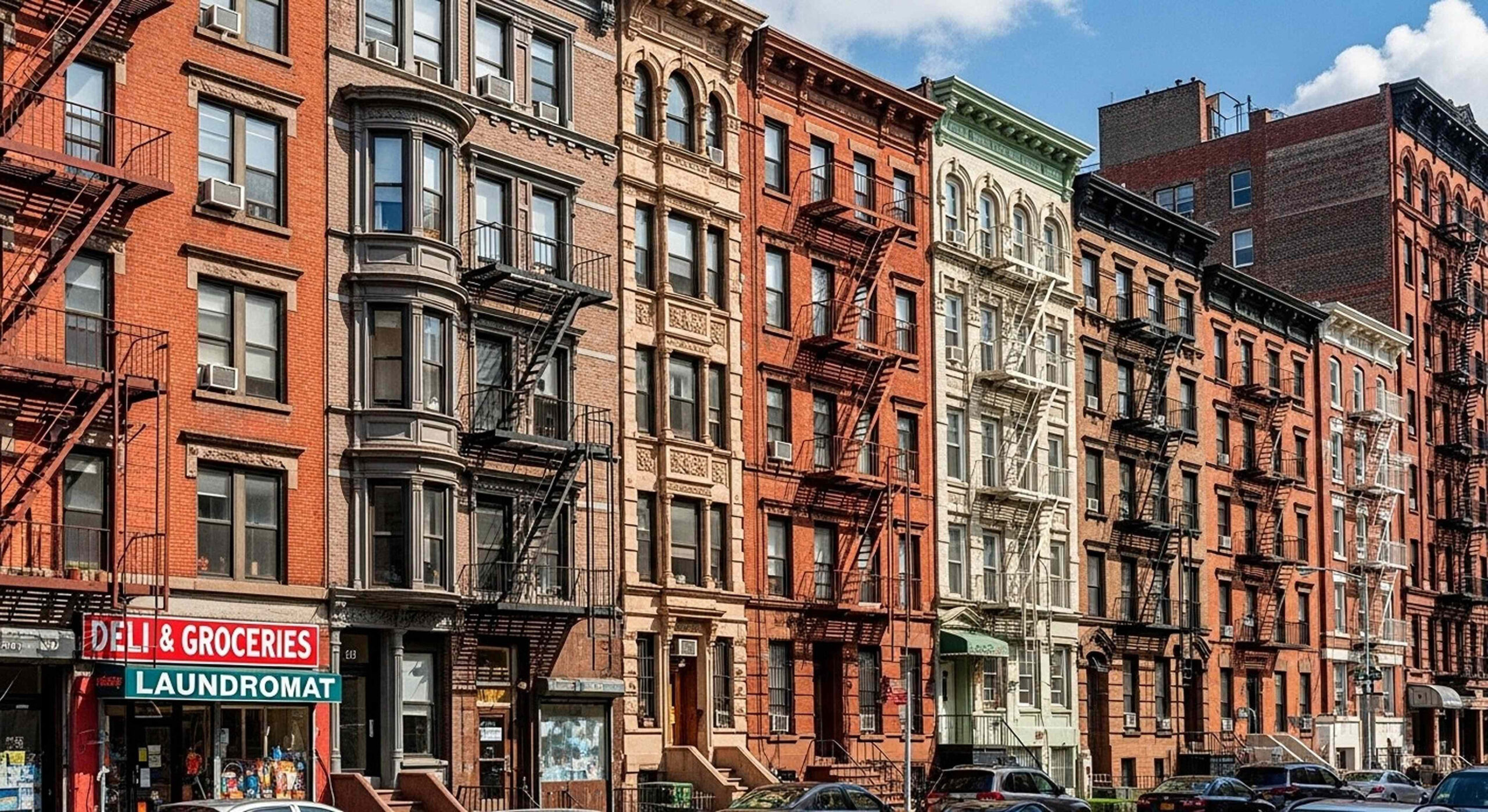
One major reason American homes are commonly built with wood is history.
When European settlers arrived in North America centuries ago, they encountered vast forests filled with trees they could use to build houses, barns, and other structures.
Wood was readily available, making it a practical building material for communities that needed homes quickly. Rather than transporting large quantities of bricks or other materials over long distances, builders could use timber found relatively close to where they were constructing their houses.
As towns expanded and the country developed, wood construction became an established building tradition.
Over time, builders developed familiar techniques, tools, and designs around wooden framing. Those methods were passed from one generation of construction workers to another.
Today, the industry has become so familiar with wood framing that switching to an entirely different construction system would require changes to building practices, worker training, suppliers, and construction costs.
In other words, America’s preference for wooden houses is not simply a modern trend. It partly stems from a construction tradition that has developed over hundreds of years.
Wood Is Often Cheaper and Easier to Work With
Building a house involves much more than purchasing materials. Builders must also consider transportation, labor, equipment, and the amount of time required to complete the project.
Wood has an advantage in several of these areas.
Lumber is relatively lightweight compared with concrete blocks and many other masonry materials. It can be transported, lifted, cut, and assembled without always requiring heavy construction equipment.
A construction crew can use ordinary tools to cut wooden boards to the required measurements and assemble them into walls, floors, and roof structures.
Concrete construction, particularly when it involves poured concrete, requires additional steps. Workers may need to install forms, place reinforcement, pour the concrete, and allow it to cure before moving to later stages.
These extra processes can affect the construction schedule and labor requirements.
The National Association of Home Builders has also highlighted how difficult it can be for builders to move away from traditional wood framing. In a 2021 industry survey, 82% of builders identified a lack of workers and subcontractors experienced in alternative construction methods as a significant obstacle to switching away from wood.
Another 42% cited material costs as a major concern.
For builders working on multiple houses, sticking with a familiar construction method can make a significant difference.
Wooden Houses Can Be Built Much Faster
Time is another important reason wood remains popular.
Imagine a developer planning an entire neighborhood with dozens of houses. Finishing each property quickly can reduce labor costs and get homes to market sooner.
Wood framing makes this process relatively straightforward.
Once the foundation is ready, construction workers can assemble wooden frames, install wall sections, and create the basic structure of a house. Some components can even be manufactured or assembled off-site before delivery.
This makes it easier to repeat similar designs across multiple properties.
Concrete construction can also be efficient, especially when builders use precast components or specialized systems. However, traditional concrete work often involves more preparation and coordination.
Weather is another factor. Rain, cold temperatures, and other conditions can affect certain concrete operations, while properly managed wood framing can continue under a wider range of conditions.
This does not mean wooden houses can be completed overnight. Roofing, plumbing, electrical work, insulation, drywall, and finishing still take considerable time.
However, assembling the main structure relatively quickly gives wood an important advantage.
Wood Makes It Easier to Insulate American Homes
Another reason builders favor wood is the way it works with modern insulation systems.
American homes must handle a wide range of weather conditions. Some states experience freezing winters, while others face extremely hot summers.
A well-insulated house helps maintain comfortable indoor temperatures and reduces heating and cooling needs.
Wood-framed walls have spaces between their structural studs. Builders can fill these spaces with insulation materials such as fiberglass or mineral wool.
Insulation slows heat movement through the walls, making it easier to manage indoor temperatures.
Concrete homes can also be insulated. Builders can install insulation inside or outside concrete walls or use insulated concrete forms, commonly called ICFs.
However, these systems require different construction techniques.
Wood framing has an established supply chain, and many American contractors already know how to install insulation within conventional wall systems.
This familiarity makes wood a convenient option for builders who want to meet modern energy-efficiency requirements without completely changing their construction methods.
America’s Construction Industry Is Already Designed Around Wood
Sometimes, an industry keeps using a particular material because almost everything around it has been designed to support that choice.
That is what has happened with wood construction in the United States.
Lumber suppliers, construction companies, architects, hardware stores, and subcontractors are accustomed to working with wooden framing.
Established lumber measurements, familiar building techniques, and widely available products are designed specifically for wood-framed houses.
This makes planning and building homes more predictable.
Switching to concrete would require more than simply replacing wooden boards with concrete blocks. Builders might need different structural designs, equipment, specialized workers, and new supply arrangements.
The process could also involve redesigning existing house plans to accommodate concrete’s weight and structural characteristics.
The established wood construction system therefore benefits from decades of industry experience and investment.
It is one reason why wood remains popular even when lumber prices rise.
Wooden Homes Are Not Necessarily Weak or Unsafe
One common misconception is that wooden houses are automatically less durable than concrete houses.
Wood is vulnerable to moisture damage, termites, rot, and fire. Without proper protection and maintenance, these issues can affect a building’s lifespan.
However, properly designed and maintained wood-framed houses can remain in good condition for many decades.
Modern construction also includes measures intended to protect wooden structures. These can include moisture barriers, treated lumber, fire-resistant materials, and building components designed to meet applicable safety standards.
Wood also has structural flexibility. Properly engineered wood-frame buildings can accommodate some movement during earthquakes without behaving like a completely rigid structure.
Concrete has its own advantages, including resistance to rot, insects, and fire. Reinforced concrete can also provide considerable structural strength.
However, concrete is not automatically earthquake-proof. Its performance depends on engineering, reinforcement, construction quality, and compliance with building codes.
The key distinction is that both materials can produce safe, durable homes when properly designed and constructed.
Concrete Still Has an Important Place in American Home Construction
Although wood dominates American home construction, concrete has never disappeared from the industry.
In fact, many American houses combine both materials.
A typical wood-framed house may have a concrete foundation, basement walls, garage floor, or slab. The wooden framing is then built above the foundation.
Concrete is also popular where builders need extra protection against specific weather conditions.
For example, homes in parts of Florida and other hurricane-prone areas may use concrete blocks or reinforced concrete to resist strong winds better.
The NAHB’s analysis of 2025 housing data found that concrete-framed homes made up about 9% of single-family homes completed in the South, compared with about 5% nationally.
This shows that construction choices can vary with regional conditions and building requirements.
Concrete also remains an important choice for commercial buildings, apartment buildings, and other structures with different engineering requirements.
So American builders don’t reject concrete. They use different materials depending on the building’s purpose.
So, Will Americans Ever Stop Building Houses With Wood?
Probably not anytime soon.
Wood has several advantages the American construction industry can’t ignore. It is widely available, relatively easy to work with, supported by an established workforce, and suitable for many common residential designs.
Concrete may offer greater resistance to certain hazards, but it also requires different construction methods and costs differently.
For homebuyers, the choice between wood and concrete ultimately depends on factors such as location, budget, climate, maintenance expectations, and local building regulations.
There is also growing interest in alternative materials and construction technologies, including insulated concrete forms, engineered timber, and other building systems.
Still, wood remains firmly established in the American housing market.
The next time you see a wooden American house, remember that its construction is not necessarily a shortcut or a sign that builders are cutting corners. It reflects centuries of building traditions, an established construction industry, and a practical approach to residential development.
Sometimes, the most popular way to build a house is simply the one that an entire country has spent generations learning to do well.