Breakfast is supposed to be one of the easiest meals of the day. Whether you grab a sausage biscuit on your way to work, heat up a breakfast sandwich, or pick up a quick meal from a refrigerated vending machine, convenience matters when mornings get busy.
But some ready-to-eat breakfast products are now drawing attention from federal food safety officials because of possible Listeria contamination.
The U.S. Department of Agriculture’s Food Safety and Inspection Service (USDA-FSIS) issued a public health alert on November 14, 2026, involving certain ready-to-eat meat products containing biscuits that may be contaminated with Listeria monocytogenes. The warning remains active as of November 19.
Consumers should also know about an important development. Fresh & Ready Foods expanded its company recall on November 17, adding more breakfast products to the affected list.
So, which breakfast items should you avoid, and what should you check in your refrigerator?
Three Breakfast Products Are Involved
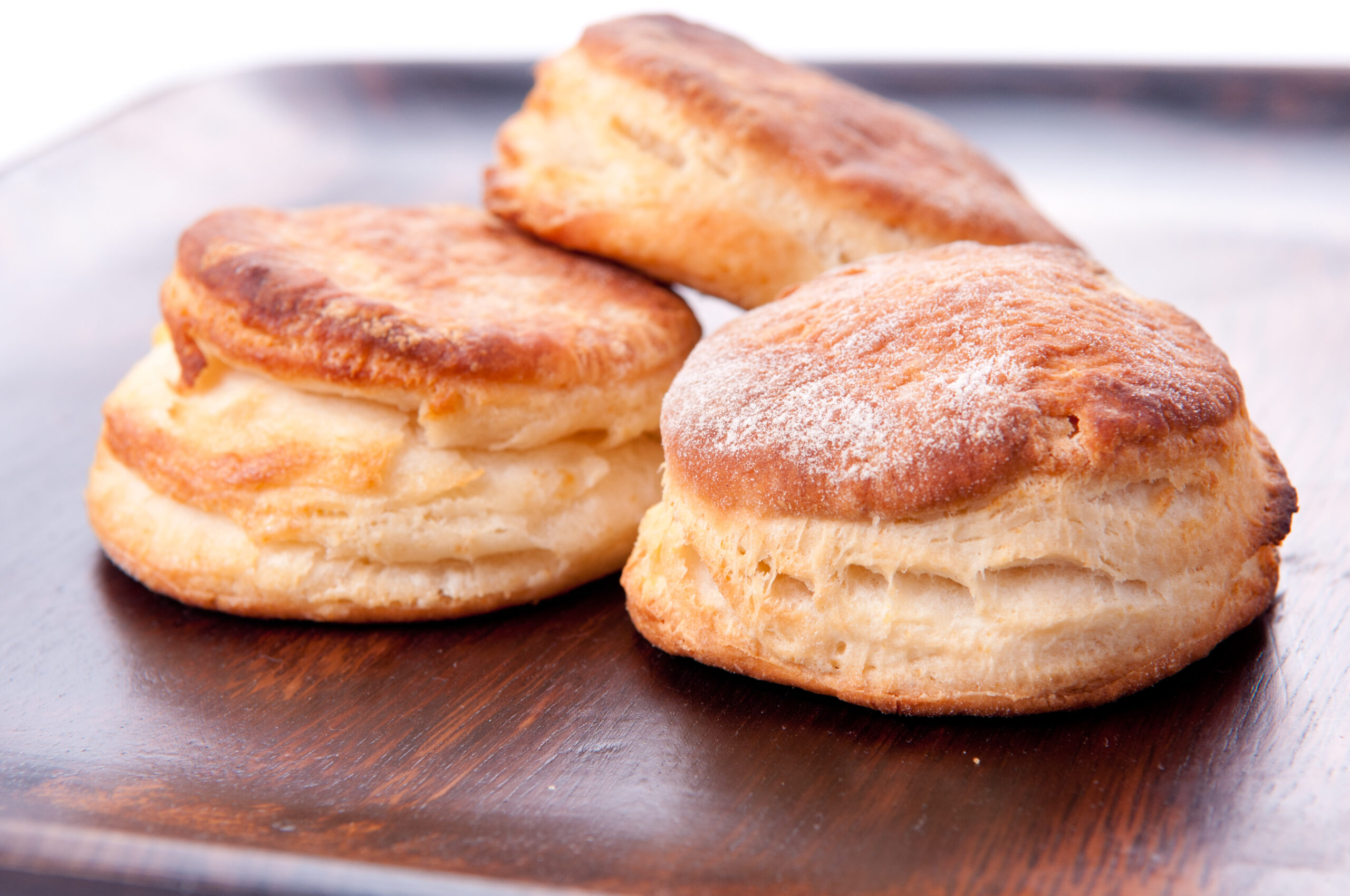
The warnings cover three specific product configurations manufactured by Fresh & Ready Foods LLC at facilities in Longview, Texas, and Renton, Washington.
They are not warnings against all breakfast sandwiches or biscuits. Consumers should check the product names, package sizes, and printed dates.
The first affected product is Mmm! Meals Made in Minutes Biscuit & Sausage Gravy. It comes in a 9.5-ounce clear plastic clamshell package and carries SKU 90013. Look for the expiration marking “EXP: 11/12–11/18,” referring to November 2026.
The second product is Fresh To You Sausage, Egg & Cheese Biscuit Sandwich manufactured at the company’s Longview, Texas, facility. It comes in a 5.7-ounce clear plastic film package, carries SKU 3100048, and has a “Fresh Thru: 11/12–11/22” marking.
The third product is another Fresh To You Sausage, Egg & Cheese Biscuit Sandwich, this time manufactured at the Renton, Washington, facility. It weighs 4.6 ounces and carries SKU 3100048. Its package displays “Fresh Thru: 11/07–11/19.”
These products were distributed through employee break rooms, refrigerated vending machines, cafeterias, grab-and-go coolers, and workplace micro-markets.
That means consumers should not assume a product is safe simply because they purchased it from a workplace vending machine rather than a traditional grocery store.
Nine States Are Named in the Company Notices
The distribution information is another important part of the warning.
The original USDA public health alert identifies six states: Arkansas, Louisiana, Mississippi, Oklahoma, Tennessee and Texas.
However, the expanded company recall and the earlier related sandwich recall bring the combined distribution area to nine states.
The additional locations are Alabama, Oregon, and Washington.
The Longview products were distributed between October 15 and November 11, 2026. The Renton sandwiches were distributed between October 25 and November 4.
The combined nine-state distribution does not mean the original USDA alert covered all nine states. The different products and distribution areas are identified in separate company and government notices.
The announcements do not identify specific grocery chains, employers, or vending operators.
If you live in one of these states, check the product details carefully, especially if you regularly purchase refrigerated breakfast meals at work.
Why Is Listeria Such a Concern?
The alert concerns Listeria monocytogenes, a bacterium that can cause an infection called listeriosis.
According to the USDA, the affected products contain biscuits supplied by C.H. Guenther & Son. The supplier recalled certain biscuit products because of possible Listeria contamination. Fresh & Ready Foods used the affected biscuits in the specific breakfast products identified in its notices.
The important distinction is that the government notices identify a potential contamination risk. They do not report confirmed positive laboratory results from the finished breakfast sandwiches or gravy meals.
As of the latest company statement published November 18, no illnesses had been reported.
Still, consumers should take the warning seriously. Listeria can be particularly dangerous for pregnant women, newborns, adults aged 65 and older, and people with weakened immune systems.
Symptoms can include fever, muscle aches, fatigue, diarrhea, and vomiting. More serious infections may cause headaches, stiff neck, confusion, loss of balance, and seizures.
For pregnant women, listeriosis can also lead to serious pregnancy complications, even when the mother experiences relatively mild symptoms.
What Should You Do If You Have These Products?
If you find an affected product in your refrigerator or freezer, do not eat it.
The USDA advises consumers to throw the products away or return them to the place of purchase. Fresh & Ready Foods also instructs consumers to discard any remaining affected products.
Do not assume that freezing, refrigerating, or reheating the meal makes it acceptable to eat. The official recommendation is to avoid consuming the affected products.
You should also check the surfaces and utensils that may have come into contact with the food.
The FDA recommends cleaning refrigerator shelves, countertops, cutting boards, and kitchen utensils that may have been exposed. Wash your hands with soap and warm water for at least 20 seconds.
For general food safety, keep your refrigerator at 40°F or below and your freezer at 0°F or below. However, these temperatures do not make recalled food safe.
Consumers who want a full refund can contact Fresh & Ready Foods at 1-855-424-8390 or email [email protected]. The company lists its customer assistance hours as Monday through Friday, 8 a.m. to 6 p.m. Eastern Time.
For additional questions, consumers can contact the USDA Meat and Poultry Hotline at 888-674-6854.
What If You Have Already Eaten One?
Eating an affected product does not automatically mean you will become sick.
The CDC advises people who have eaten recalled food and develop symptoms associated with Listeria infection to contact a healthcare provider and explain what they ate.
This is especially important for pregnant women, older adults, and people with weakened immune systems.
People who have eaten potentially contaminated food but feel well generally do not need testing or treatment, according to CDC guidance. However, anyone with concerns should speak with a healthcare professional.
Symptoms can take time to appear, so it is worth remaining aware of how you feel after a possible exposure.
Check Your Breakfast Before Taking Another Bite
The latest warning reminds us that convenience foods still deserve a closer look.
A quick sausage biscuit or breakfast sandwich might seem like an ordinary morning purchase, but checking the product name, package size, and date marking can help you avoid an unnecessary food safety risk.
Also, remember that this alert does not cover every biscuit, breakfast sandwich, or sausage product on the market. It applies to the specifically identified Fresh & Ready Foods products.
The USDA has also indicated that additional downstream products could be identified as the supplier’s ingredient recall progresses. Consumers should check official USDA food safety announcements for updates.
A few seconds spent checking a food label could make a meaningful difference. When a product appears on a food safety alert, it is better to leave it alone and choose another breakfast.