Imagine walking into your local grocery store to pick up milk, frozen pizza, and a few other things, only to discover that the store’s refrigerators have been tampered with by hackers. It sounds like something out of a strange movie, but U.S. federal authorities are warning that this is a real cybersecurity threat. And surprisingly, the targets aren’t just computers, payment systems, or customer databases. They’re commercial refrigerators and freezers.
Earlier this month, the FBI joined four other federal agencies in warning grocery stores and businesses about cybercriminals targeting internet-connected refrigeration systems. The attackers may be able to remotely change temperature settings, interfere with cooling cycles, and even make stored food unsafe. The government now wants businesses to take a closer look at how their refrigeration equipment connects to the internet.
Why Is the FBI Worried About Grocery Store Refrigerators?
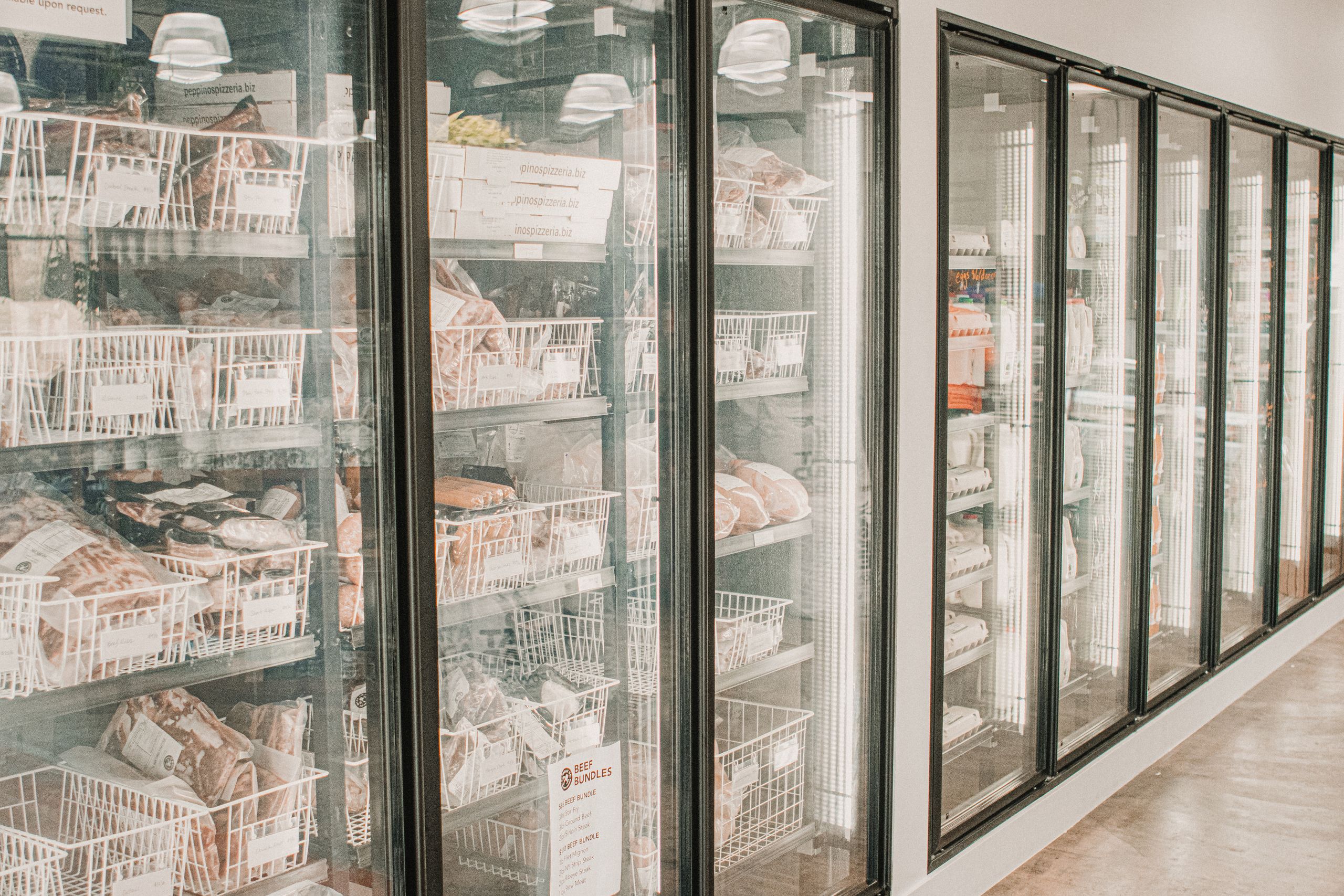
It turns out that modern commercial refrigerators do considerably more than keep food cold. Many large grocery stores use electronic controllers that monitor temperatures, manage defrost cycles, and allow staff to check equipment remotely.
These systems can make running a supermarket easier, particularly when a business has several refrigeration units spread across a large building. Employees can monitor temperatures without physically checking every freezer. The trouble starts when those controllers are connected to the internet without adequate security.
According to a joint warning from the FBI, the Cybersecurity and Infrastructure Security Agency (CISA), and three other federal agencies, malicious actors are targeting vulnerabilities in these systems around the world. Hackers may exploit weak passwords, outdated software, or security flaws to gain unauthorized access.
Hackers Could Actually Change the Temperature of Store Freezers
This is where things get particularly concerning. Authorities say attackers who successfully access vulnerable refrigeration controllers could remotely change temperature settings or force equipment into continuous heating and defrost cycles.
A freezer that suddenly stops maintaining the correct temperature could leave thousands of dollars worth of meat, seafood, vegetables, and other products at risk.
The problem isn’t limited to spoiled groceries, either. Federal officials warn that manipulating refrigeration equipment could create fire hazards, damage machinery, and shorten the equipment’s service life.
There is another concern called a loss of visibility into current temperatures. Essentially, store operators could lose access to accurate temperature readings, making it harder to recognize that something is wrong before the damage becomes serious.
This Is Not Just a Made-Up Cybersecurity Scenario
The federal warning comes after a series of reported incidents involving commercial refrigeration equipment overseas. In October 2026, cyberattacks reportedly affected hundreds of supermarkets in France, with attackers manipulating refrigeration settings and causing major operational problems.
Another wave of incidents reportedly affected more than 115 stores across six European countries. Some refrigeration systems were shut down, while others experienced dangerous temperature changes.
There was also an incident involving refrigeration equipment at three French blood service facilities. According to the FBI, attackers targeted refrigeration components at the facilities, but the attempt was unsuccessful because proper alert mechanisms were in place.
These incidents explain why authorities are taking the threat seriously. Refrigeration systems don’t just protect supermarket groceries. They also help preserve blood products, medicines, and other items that must remain within specific temperature ranges.
Five Federal Agencies Are Asking Businesses to Tighten Security
The warning wasn’t issued by the FBI alone. CISA, FBI, Department of Health and Human Services, Department of Agriculture, and Department of Transportation joined forces to publish a cybersecurity advisory.
Their message is straightforward: Businesses should stop exposing refrigeration controllers unnecessarily to the public internet. Systems that require remote access should have proper security protections in place.
The agencies also recommend changing default passwords, installing software updates, and replacing outdated equipment that manufacturers no longer support. Businesses should review their systems to identify which devices are accessible online and whether those connections are actually necessary.
They also recommend stronger authentication and properly configured temperature limits. Importantly, businesses should make sure alerts reach the employees responsible for responding when something goes wrong.
Why Grocery Stores Are Being Asked to Disconnect Refrigerators
The recommendation to remove refrigeration controllers from the public internet might sound unusual, especially when businesses increasingly rely on connected equipment. However, there is a difference between using technology internally and allowing sensitive equipment to be directly accessible online.
A grocery store may still need employees to monitor refrigeration temperatures remotely. The agencies aren’t saying every refrigerator must become a completely disconnected machine. Instead, they want businesses to remove unnecessary internet exposure and secure any remote connections they genuinely need.
For example, companies can use firewalls and other security measures to restrict who can access refrigeration controls. They should also separate sensitive equipment from ordinary business networks where possible.
This approach makes it harder for unauthorized people to reach systems that control something as important as food storage.
Could This Affect the Food Americans Buy?
For shoppers, the biggest concern is whether food could become unsafe without anyone noticing. Refrigerated products need appropriate storage conditions, and an unexpected temperature change can compromise their quality and safety.
If hackers manipulate a freezer or interfere with temperature monitoring, store employees may not immediately realize that products are no longer being stored correctly. That could create problems involving food spoilage, inventory losses, and potentially unsafe products reaching consumers.
However, the government advisory does not announce a nationwide grocery food recall or suggest that shoppers should stop buying refrigerated products. Its focus is on helping businesses protect their equipment before cyberattacks cause physical damage.
For now, the responsibility falls largely on grocery chains, cold storage operators, and other organizations that depend on commercial refrigeration.
Your Grocery Store’s Biggest Security Problem Might Not Be Its Computers
Most people probably don’t give much thought to how a supermarket keeps its refrigerators running. You walk in, grab what you need, and assume the milk, meat, and frozen food have been stored properly.
But modern grocery stores depend on interconnected systems that criminals may try to exploit. A vulnerable refrigeration controller can create problems that go far beyond a computer screen.
The latest federal warning is a reminder that cybersecurity isn’t just about protecting bank accounts and personal information. It can also affect the physical systems businesses rely on every day.
And perhaps the strangest part is that something as ordinary as a grocery store freezer has become part of the cybersecurity conversation.
Would you have imagined that hackers could potentially interfere with a supermarket’s refrigerators? And should businesses reconsider connecting so many everyday appliances and machines to the internet?