Not all relationships follow the same rules. While many couples choose traditional monogamy, where both partners agree to be romantically and sexually exclusive, others explore different arrangements. One increasingly discussed option is an open relationship, a form of consensual non-monogamy in which partners agree that they can pursue romantic or sexual connections with other people under mutually established boundaries.
For some couples, the arrangement offers freedom, excitement, and an opportunity to explore their needs without ending their primary relationship. For others, it introduces difficult emotions, unexpected conflicts, and questions about trust. An open relationship is not automatically easier or more complicated than a monogamous one. Much depends on the people involved, their expectations, and how honestly they communicate.
Before deciding whether this arrangement is right for you, here are 12 important things worth understanding.
An Open Relationship Does Not Automatically Mean Cheating
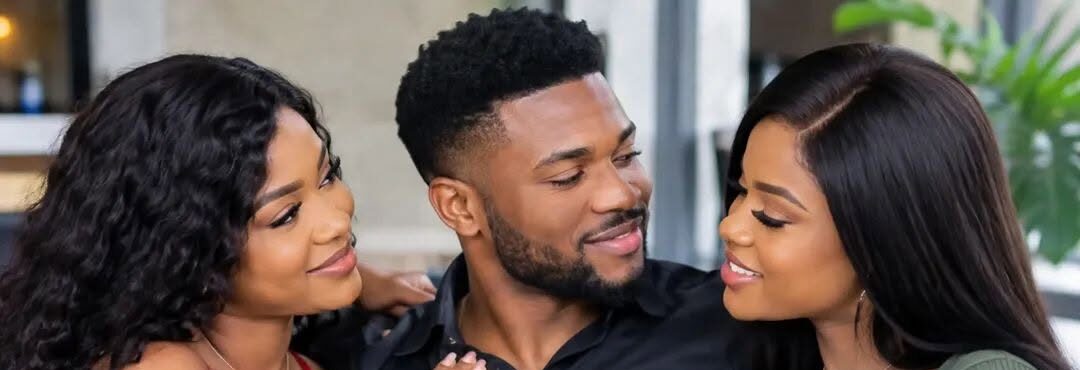
One of the biggest misconceptions about open relationships is that they involve infidelity. The distinction is consent. In an open relationship, both partners know about and agree to the possibility of outside connections. Cheating involves breaking the relationship’s agreed-upon boundaries or hiding romantic or sexual involvement. Without honesty and permission, an arrangement is not genuinely open.
Both Partners Must Agree
An open relationship should never be something one person reluctantly accepts to prevent a breakup. Both individuals need to feel comfortable with the decision. If one partner wants exclusivity while the other wants outside connections, that difference deserves an honest conversation, not pressure or manipulation.
Agreement also needs to be ongoing. Someone who feels comfortable at first can change their mind as the relationship develops.
Communication Becomes Even More Important
Every relationship needs communication, but open relationships often require more detailed conversations. Partners may need to discuss new attractions, dating experiences, emotional changes, scheduling, and boundary concerns. Avoiding uncomfortable conversations can create misunderstandings and resentment.
Being honest does not necessarily mean sharing every intimate detail. Couples should decide together what information they want to know and what they prefer to keep private.
Jealousy Does Not Disappear
Some people assume that couples who choose non-monogamy never experience jealousy. That is not necessarily true. A partner might feel uncomfortable when the other person spends more time with someone new, develops strong feelings, or appears especially excited about another connection.
The important difference is how couples respond. Jealousy can become an opportunity to identify insecurities, unmet needs, or unclear expectations rather than something partners automatically dismiss.
Boundaries Need to Be Clearly Established
An open relationship without boundaries can quickly become confusing. Couples should discuss what is acceptable before pursuing outside connections. For example, they might agree on whether overnight stays are allowed, whether dating mutual friends is acceptable, or how much information they should share about other partners.
Boundaries should reflect both individuals’ needs. They should also be realistic enough to follow consistently.
Sexual Health Requires Serious Attention
When people have multiple sexual partners, sexual health becomes an important consideration. Partners should discuss STI testing, barrier protection, contraception, and how they will communicate potential exposure risks.
Regular testing and honest disclosure can reduce risk, although no precaution eliminates it. The Centers for Disease Control and Prevention provides guidance on STI prevention and testing based on individual circumstances.
Emotional Connections Can Develop Unexpectedly
An arrangement that begins with casual dating or physical encounters can become more emotional. Someone might develop romantic feelings for an outside partner, even if that wasn’t part of the original plan.
This does not automatically mean the primary relationship has failed. However, it can change expectations and require difficult conversations about time, commitment, and emotional availability.
An Open Relationship Is Not a Guaranteed Fix for a Troubled Marriage
Some couples consider opening their relationship when they are already experiencing problems. They may hope that outside attention will restore excitement or resolve dissatisfaction.
However, non-monogamy does not automatically repair poor communication, unresolved resentment, or a lack of trust. In some situations, introducing additional relationships can make existing problems more complicated. Addressing the underlying issues first is often a better starting point.
Time Management Can Become Challenging
Dating multiple people requires time and attention. Partners may need to coordinate schedules, make room for individual activities, and protect the time they have promised to each other.
This can become especially complicated when children, demanding jobs, family responsibilities, and household commitments are involved. An open relationship still requires people to honor their existing responsibilities.
Outside Partners Deserve Honesty Too
An open relationship involves more than the two people who originally agreed to the arrangement. Anyone they date or become intimate with also deserves to understand the situation.
Being transparent about your relationship status helps others make informed decisions about their involvement. Presenting yourself as single or promising exclusivity when neither is true can create unnecessary hurt.
There Is No Single Definition of an Open Relationship
Different couples establish different arrangements. Some allow sexual encounters but not romantic relationships. Others are comfortable with emotional connections, dating, and longer-term partnerships.
Some couples prefer to know about every outside encounter, while others agree on limited disclosure. These differences demonstrate why couples should avoid assuming that another person’s arrangement represents what an open relationship must look like.
Comparison Can Become a Problem
Seeing a partner enjoy another connection can sometimes trigger comparisons. Someone might wonder whether the other person is more attractive, more interesting, or more exciting.
These thoughts can affect confidence, particularly when someone is already struggling with insecurity. Healthy communication and reassurance can help, but partners should also recognize that another person’s qualities do not automatically diminish their own value.
The Bottom Line
Open relationships require honesty, clear agreements, emotional awareness, and respect for everyone involved. They can work for couples who genuinely want this arrangement and are willing to handle its responsibilities. However, they can also expose existing disagreements, insecurities, and differences in expectations.
There is no universal relationship formula. Whether someone chooses monogamy or consensual non-monogamy, the foundation should remain the same: mutual consent, trust, communication, and respect.