When shoppers walk into Whole Foods, they often expect to pay more for a reason. The store has built its reputation around natural foods, higher sourcing standards, and products that promise something a little different from what you might find at an ordinary supermarket.
That expectation can make a premium package of beef seem worth the extra money. After all, if you’re paying more for Angus beef marketed as antibiotic-free and hormone-free, you probably expect a product with a carefully controlled supply chain.
But a 2017 Bloomberg investigation raised an interesting question: How different is premium supermarket meat when some of the companies behind it are major industrial food processors?
One example involved Open Prairie Natural Angus, a beef brand produced by Tyson Foods and historically sold at Whole Foods. The investigation also reported that some of the beef brands discussed were available through lower-priced retailers, including Target.
The story is worth revisiting, but shoppers should understand a few key details before drawing conclusions.
Whole Foods Is Owned by Amazon, but the Beef Story Started Earlier
First, let’s clear up the ownership question.
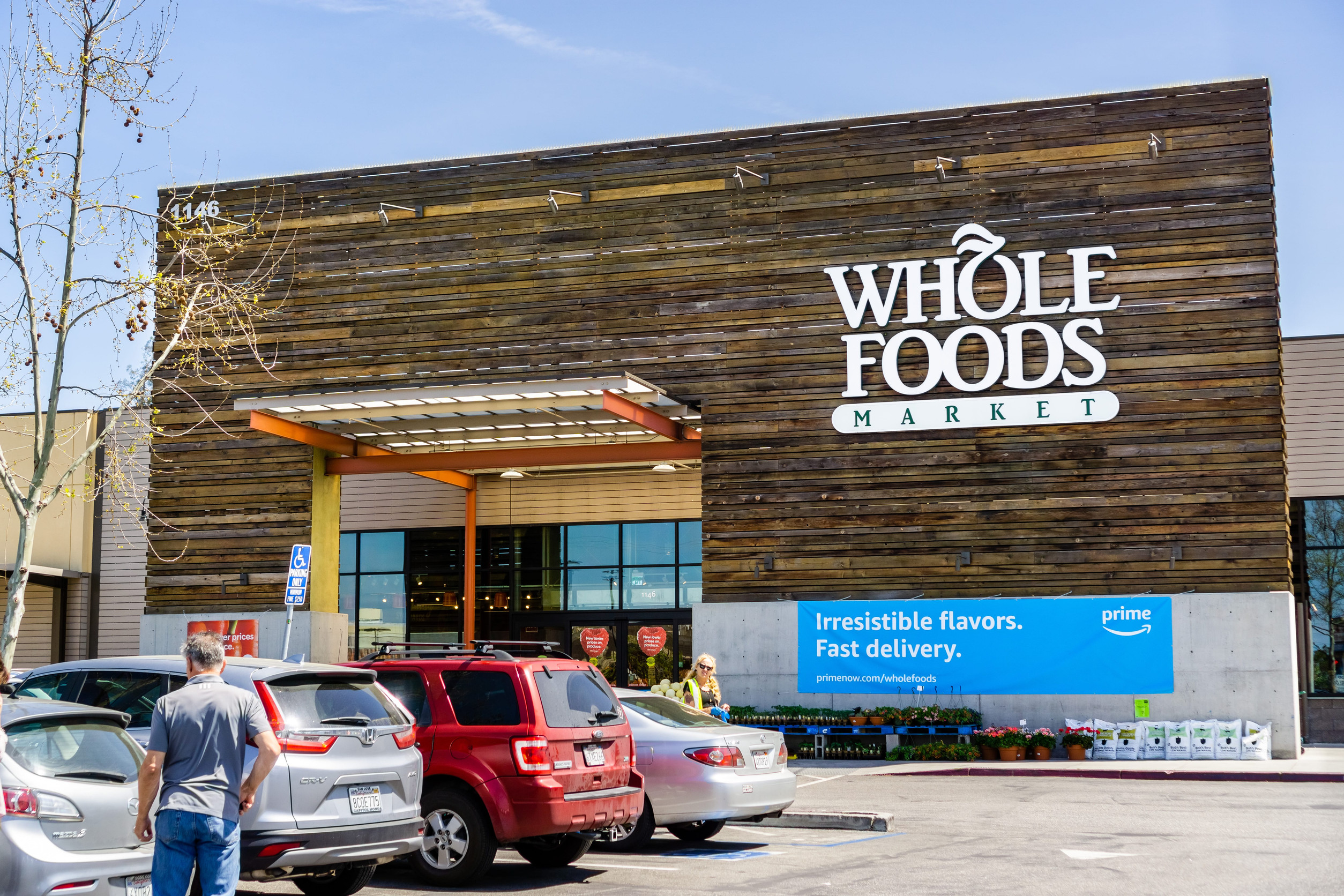
Amazon announced its acquisition of Whole Foods Market in June 2017 in a deal valued at approximately $13.7 billion. The acquisition officially closed on August 28, 2017, making Whole Foods a wholly owned subsidiary of Amazon.
However, Bloomberg published its investigation on August 14, two weeks before the acquisition was completed.
That timeline matters because Tyson’s relationship with Open Prairie and Whole Foods was already in place. Amazon did not introduce Tyson to Whole Foods through the acquisition.
Amazon has since expanded its involvement in Whole Foods through online grocery services, pricing initiatives, and new retail concepts. But no evidence shows that Amazon ordered Whole Foods to replace higher-standard beef with ordinary commodity meat.
Meet Open Prairie, the Tyson Brand Behind the Beef
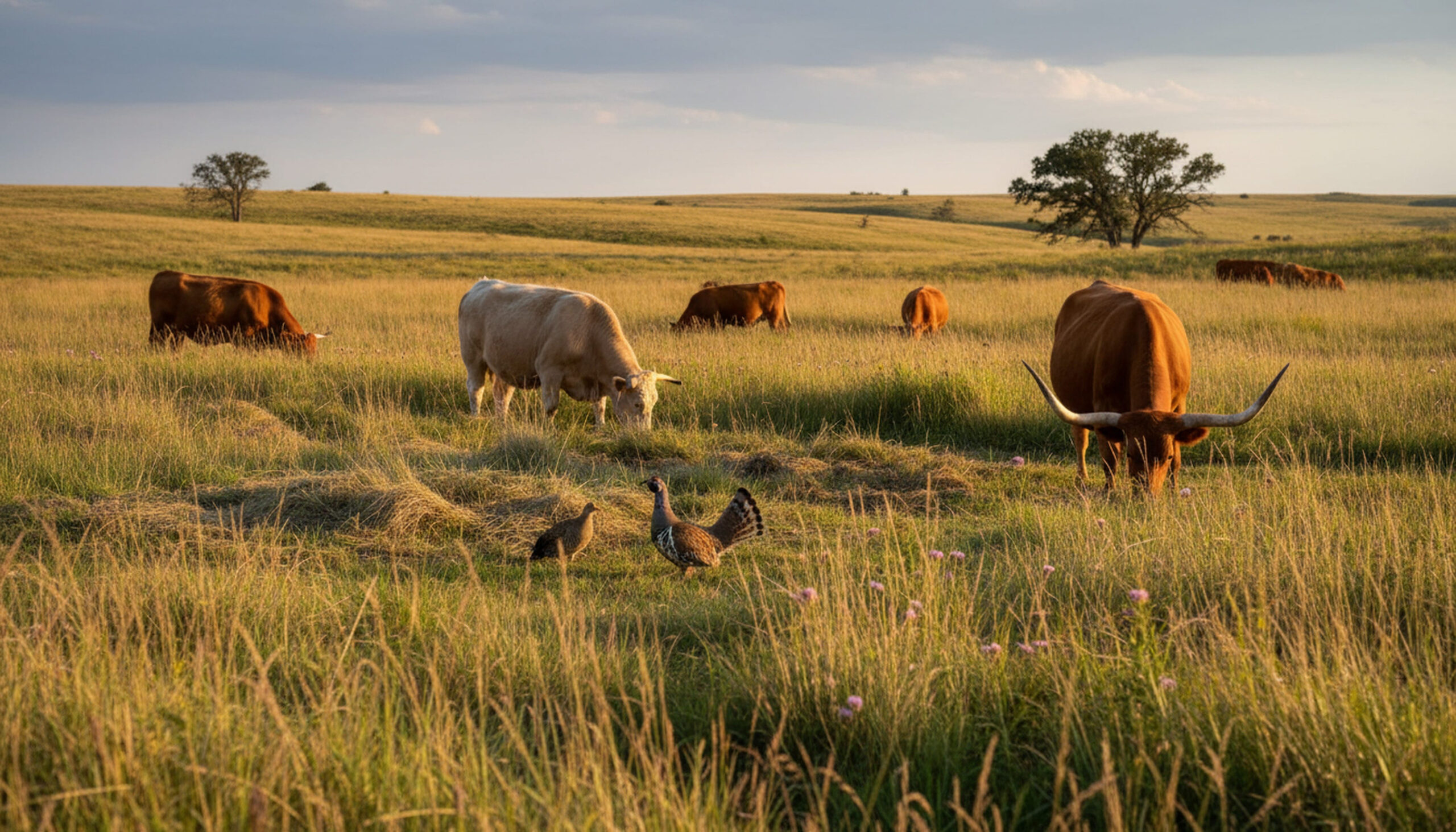
Open Prairie Natural Angus might sound like the name of a small ranch or an independent farm. However, the brand belonged to Tyson Foods, one of America’s largest meat processors.
According to Tyson’s 2019 announcement, the company worked with independent ranchers, primarily in states including Montana, North Dakota, Oregon, Washington, and Nebraska.
The beef program had several specific requirements. Tyson described its historical Open Prairie Natural Angus beef as having:
- No antibiotics ever.
- No added hormones.
- No artificial ingredients.
- A 100% vegetarian diet.
- Traceability to the birth ranch.
- Angus beef meeting USDA Prime and Choice specifications.
- Animal-welfare requirements.
These were meaningful product specifications, not simply marketing words.
Tyson also announced a DNA-based traceability program designed to connect individual beef cuts to the animals they came from.
However, these details describe the historical program. They should not automatically be treated as proof of current product availability or current production arrangements.
What Did the Bloomberg Investigation Actually Find?
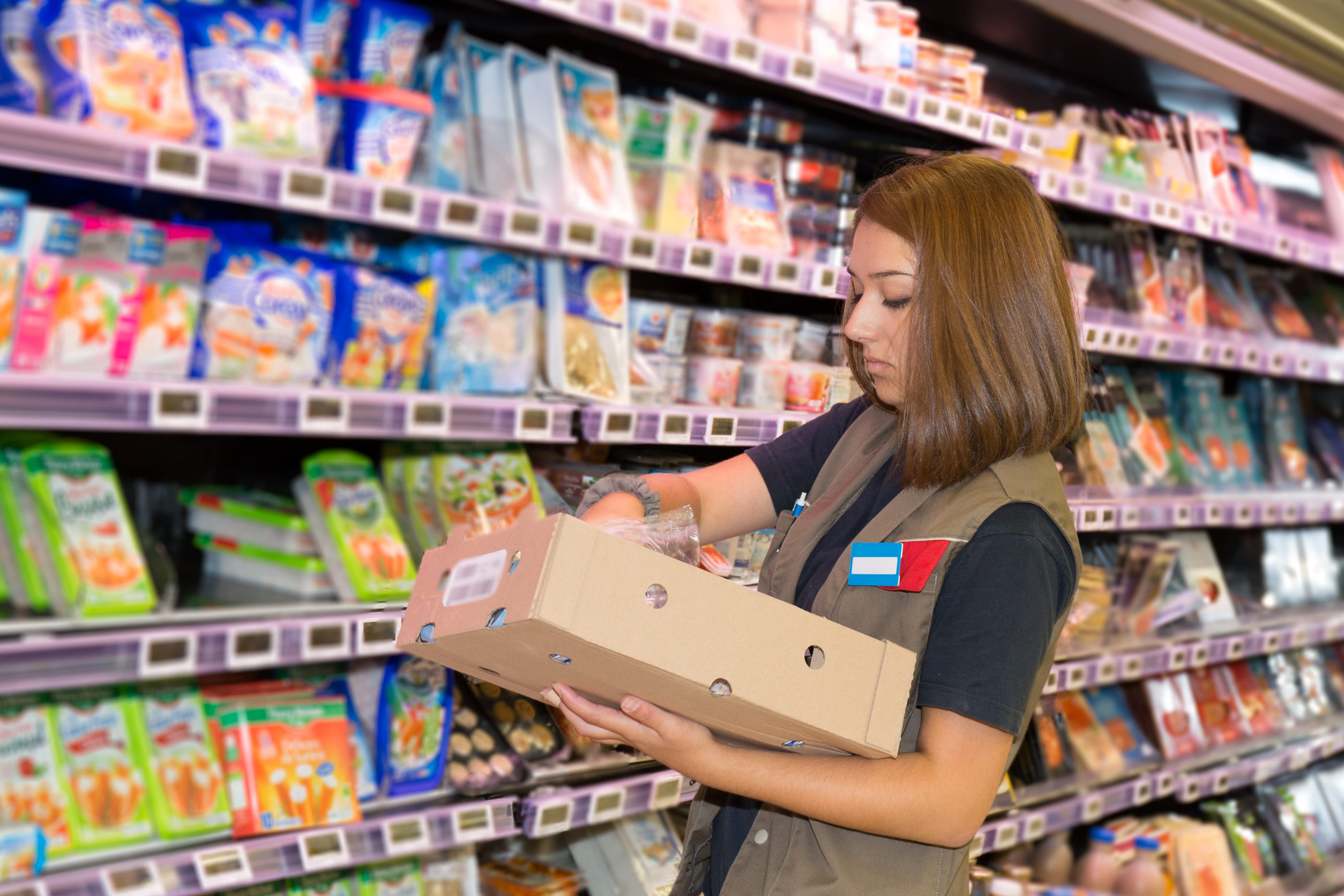
The August 2017 Bloomberg investigation, titled “That Chicken From Whole Foods Isn’t So Special Anymore,” examined relationships between premium supermarket meat brands and large food processors.
Journalists Deena Shanker and Polly Mosendz examined supplier relationships, processing facilities, product labels, and retail prices.
One finding involved Open Prairie Natural Angus. Bloomberg reported that Tyson produced the beef sold under the brand at Whole Foods.
The investigation also discussed the availability of some of the beef brands through lower-priced retailers, including Target and Walmart-owned Jet.com at the time.
That raised an interesting question for shoppers: If a product comes from the same brand or processor, does buying it at a premium supermarket automatically make it better?
Not necessarily.
There is an important distinction between sharing a processor and selling identical products. Two retailers can source meat from the same large company while offering products with different grades, specifications, certifications, packaging, and prices.
In fact, Bloomberg acknowledged that beef prices were hard to compare because cuts and availability varied by location.
It did not establish that identical Open Prairie steaks were cheaper at Target than at Whole Foods.
The Price Comparison That Needs a Closer Look
Some retellings of the investigation suggest that Bloomberg proved Whole Foods charged more for the same Tyson beef available at Target.
But the actual price examples need to be handled carefully.
Bloomberg’s detailed price comparisons involved chicken sold at Whole Foods and Key Food, not matching Open Prairie beef products at Whole Foods and Target.
For example, the investigation listed a Whole Foods whole chicken at $4.09 per pound and a Perdue Harvestland whole chicken at Key Food for $1.99 per pound.
Those were historical chicken prices, not evidence of a beef price difference.
The distinction matters because a fair comparison requires more than recognizing the same processor’s name. Shoppers would need to compare the same cut, grade, animal-raising standards, package weight, certification, and price per pound.
Without those details, claiming one retailer charged more for identical beef goes beyond the available evidence.
Does Natural Beef Automatically Mean Better Beef?
Another important part of this story is understanding what food labels actually mean.
Words such as natural, organic, grass-fed, and antibiotic-free are often used together in conversations about premium meat. However, they do not mean the same thing.
According to the USDA, natural meat must contain no artificial ingredients or added color and must be minimally processed.
That definition does not automatically mean the animal was raised without antibiotics, fed grass, or raised under organic standards.
Those are separate claims that require their own supporting requirements.
For example, a no-antibiotics-ever claim concerns the animal’s treatment history. An organic claim involves additional requirements concerning feed, prohibited substances, and livestock management.
This is why reading the complete label matters more than relying on one attractive word printed across the front of a package.
Is Open Prairie Beef Still Available Today?
Another detail makes this story particularly interesting.
The Open Prairie website currently promotes natural pork products, not beef. Food Dive also reported in July 2024 that Tyson was scaling back some of its beef raised without antibiotics and that Open Prairie no longer listed beef on its website.
That means the historical relationship should not be presented as proof that Open Prairie beef is currently available at Whole Foods or Target.
The current status of any remaining Open Prairie beef arrangements has not been independently established.
Tyson also announced in November 2025 that it would end operations at its Lexington, Nebraska, beef facility, which had been identified as the Open Prairie production location in its 2019 announcement.
Consequently, shoppers should be cautious about assuming that historical production arrangements remain unchanged.
What Should Shoppers Take Away From This?
The biggest lesson is that an expensive grocery item does not automatically come from a small farm or an independent producer.
A product can involve independent ranchers and still pass through a major meat processor. That does not automatically make the product inferior, but it does show why understanding the supply chain matters.
Whole Foods has published meat standards, including requirements for antibiotics, added hormones, animal welfare, and traceability. These standards apply to its meat department and are separate from any individual Tyson brand’s specifications.
For shoppers, the practical approach is simple: Check the actual product claims, look for relevant certification labels, compare prices per pound, and pay attention to the specific cut and grade.
And remember, a familiar brand name does not tell you everything about where your food came from.
The Whole Foods and Tyson story is not proof that premium beef is a scam or that all supermarket meat is identical. It reminds us that the modern food supply chain can be more complicated than the attractive packaging suggests.
Sometimes, the most useful thing you can do before paying extra is ask one simple question: What exactly am I getting for the additional money?