For Americans who love a good steak, burger, or homemade meatloaf, grocery shopping is getting increasingly expensive. Beef prices have climbed, and even buying ground beef for a typical family dinner can put extra pressure on an already stretched budget.
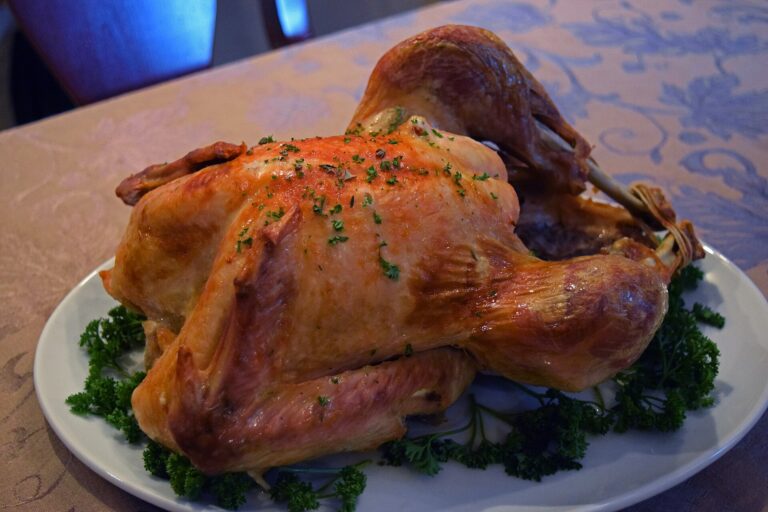
Now, the Trump administration has some advice for people struggling with the cost: consider eating chicken, pork, salmon, or eggs instead.
The suggestion came from U.S. Agriculture Secretary Brooke Rollins during an appearance on conservative commentator Benny Johnson’s podcast, The Benny Show. Her comments quickly attracted attention, particularly because beef remains a major part of American food culture.
From backyard barbecues to family dinners and summer cookouts, many Americans aren’t keen on giving up their favorite meat.
But with cattle supplies remaining tight and grocery prices staying elevated, some shoppers are reconsidering what’s going into their shopping carts.
Here’s what the agriculture secretary said, why beef has become so expensive, and what the government is doing about the problem.
Agriculture Secretary Brooke Rollins Tells Americans to Consider Chicken
During her September 2026 appearance on The Benny Show, Agriculture Secretary Brooke Rollins acknowledged that beef had become expensive for American consumers.
When host Benny Johnson raised concerns about steak prices, Rollins suggested consumers consider other protein sources.
“If it is too expensive – unlike fuel, Benny – you can eat chicken, pork, salmon, eggs,” she said.
She added that these foods provide other sources of protein and argued that their prices were also coming down.
The comments attracted attention because they came from the country’s agriculture secretary, whose department oversees important parts of America’s food and farming system.
However, Rollins wasn’t announcing a new federal dietary requirement or ordering Americans to stop buying beef.
She was suggesting alternatives for households finding beef increasingly difficult to afford.
For families accustomed to serving burgers, steaks, and beef tacos several times a week, that suggestion may be easier said than done.
Beef Prices Are Putting Pressure on Grocery Budgets
The frustration isn’t difficult to understand when shoppers look at supermarket price tags.
Ground beef, one of America’s most versatile grocery purchases, has become particularly expensive.
According to reporting by The Independent in September 2026, the average price of uncooked ground beef reached $7.16 per pound in August, up from $6.63 the same month in 2025.
That difference might not seem enormous when purchasing a single package, but it adds up for households buying several pounds every week.
Ground beef is used in countless everyday meals, including hamburgers, meatballs, tacos, spaghetti, casseroles, and homemade meatloaf.
When its price increases, families may have to reconsider several meals rather than stop buying expensive steaks.
The USDA’s October 2026 Food Price Outlook provides further evidence of the pressure.
Beef and veal prices were 3.5% higher in September 2026 than they were in September 2025. Although prices declined 1.3% between August and September, the USDA still forecasts an average annual increase of 8.7% for beef and veal prices in 2026.
In other words, a one-month price decrease doesn’t necessarily mean shoppers will see significant savings.
America’s Cattle Supply Is Part of the Problem
So why is beef so expensive?
One major reason is that the United States has had a historically small cattle supply.
Years of drought have affected grazing conditions in important cattle-producing regions. When pasture becomes scarce, ranchers may need to purchase additional feed, increasing the cost of raising animals.
Some producers have also reduced their herds rather than continue paying high operating costs.
According to the Associated Press, the U.S. cattle herd stood at approximately 86.2 million head on January 1, 2026, its smallest size in 75 years.
Ranchers can’t rebuild that supply overnight.
Cattle take time to mature, and expanding a breeding herd requires producers to keep animals that might otherwise have been sold.
This creates a supply problem that cannot be solved simply by asking ranchers to produce more beef immediately.
The USDA’s October 2026 Livestock, Dairy, and Poultry Outlook also projected U.S. beef production at approximately 24.8 billion pounds for 2026.
The report indicated that a slower slaughter pace was expected to continue into 2027, even with increased cattle import forecasts.
For shoppers hoping for cheaper steaks next month, that isn’t particularly encouraging news.
Chicken Is Becoming a More Attractive Grocery Store Alternative
While beef prices have climbed, chicken has remained relatively more affordable.
That’s one reason American shoppers are increasingly considering poultry when planning their weekly meals.
An Axios report published in May 2026 compared the prices of popular grilling meats.
According to its findings, boneless, skinless chicken breasts averaged approximately $4.17 per pound in April, while average fresh beef prices reached a record $9.64 per pound.
The difference makes chicken an appealing option for families trying to stretch their grocery budgets.
The USDA is also observing this shift.
Its October 2026 livestock outlook projected that per-person chicken availability would increase by nearly 4% in 2026 compared with 2025, partly because consumers are substituting chicken for more expensive beef.
That doesn’t mean Americans have suddenly stopped loving burgers.
Instead, some households are making adjustments.
They might serve grilled chicken during the week and save beef for special occasions. Others are purchasing smaller quantities of ground beef or replacing expensive steak dinners with chicken-based meals.
For families trying to control grocery spending, these small changes can make a difference.
The Government Is Also Trying to Increase Beef Supplies
Interestingly, the administration isn’t simply telling Americans to change their eating habits.
It’s also taking steps intended to improve beef availability.
President Donald Trump authorized a temporary tariff-free import quota of up to 331,000 metric tons of lean beef trimmings over 90 days to increase supplies and help ease ground beef prices.
The administration has also been working to restore Mexican cattle imports after restrictions were imposed because of concerns about the New World screwworm parasite.
However, increasing imports doesn’t guarantee immediate relief.
According to Associated Press reporting, Mexico historically supplied approximately 1.1 million cattle annually, representing around 3% of the U.S. supply.
Restrictions on those imports have created additional challenges for an already pressured cattle market.
The USDA’s October outlook indicated that higher expected cattle imports could help improve availability, but beef production forecasts remained relatively low.
Meanwhile, American ranchers face the longer process of rebuilding domestic cattle herds.
For consumers, that means cheaper beef may not arrive as quickly as they would like.
Families Are Finding Creative Ways to Stretch Their Meat Budgets
For households that don’t want to give up beef completely, changing how they prepare meals can help control grocery spending.
One option is mixing ground beef with other ingredients.
For example, adding mushrooms, beans, or lentils to taco fillings and casseroles can stretch less beef further.
Another option is using ground turkey in recipes that traditionally call for ground beef.
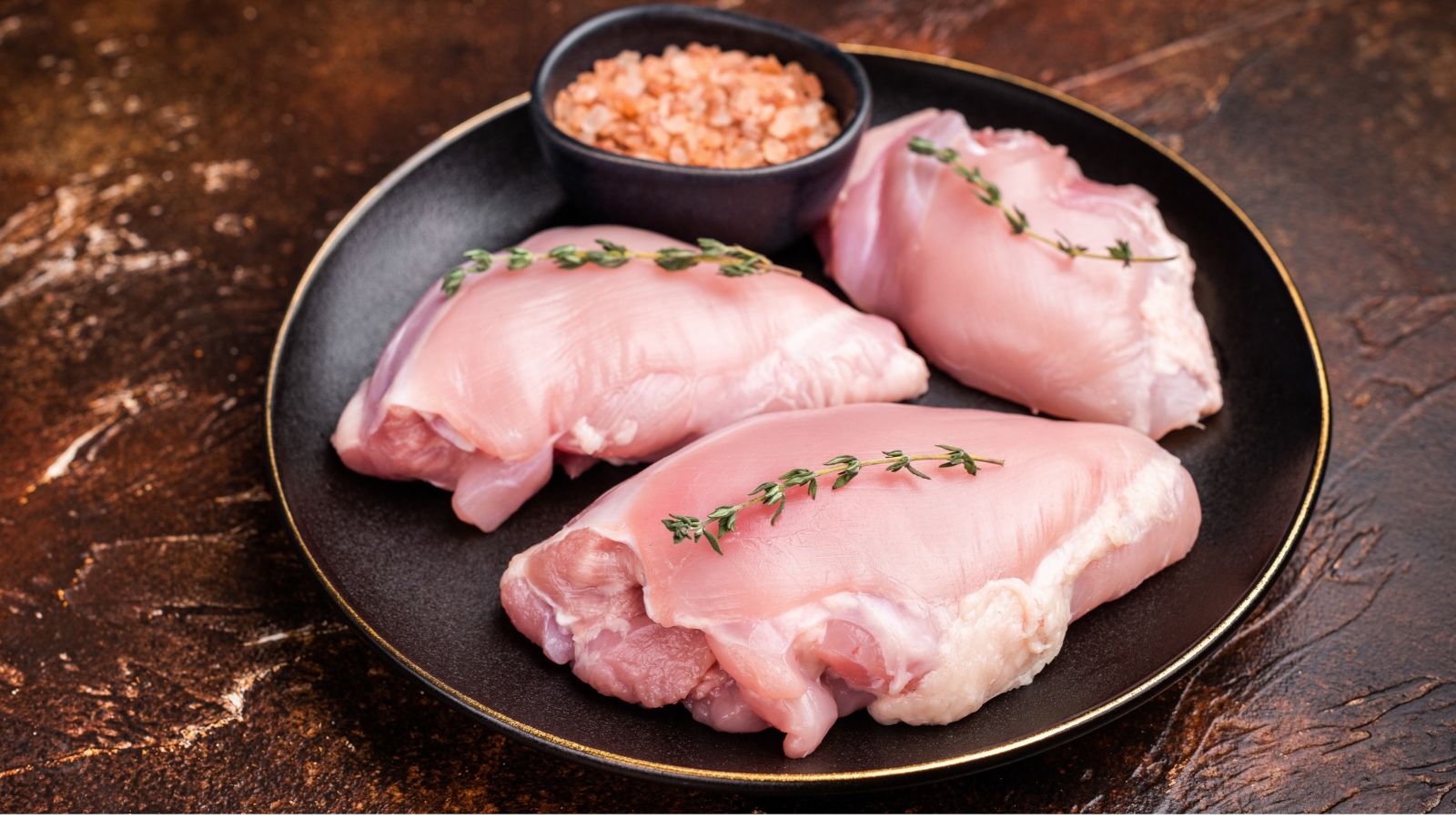
Chicken thighs are also worth considering because they can be less expensive than certain premium cuts of chicken breast.
Families can also look for supermarket promotions, compare prices between fresh and frozen products, and purchase larger packages when the per-pound price makes sense.
Here are five practical ways to keep grocery costs manageable:
- Try chicken-based dinners: Grilled chicken, chicken tacos, and homemade chicken sandwiches can replace some beef meals.
- Use ground turkey: It works in meatballs, pasta sauces, burgers, and casseroles.
- Choose less expensive beef cuts: Chuck roast and other value cuts may cost less than premium steaks, depending on the store.
- Stretch ground beef: Add beans, lentils, or chopped vegetables to recipes.
- Compare supermarket prices: Weekly promotions can make a significant difference when purchasing meat for a family.
The goal isn’t necessarily to eliminate beef. It’s to make the grocery budget work without sacrificing every meal people enjoy.
Americans Aren’t Necessarily Ready to Give Up Beef
Despite rising prices, beef remains an important part of American food culture.
Burgers are a familiar feature of backyard cookouts, steaks remain popular for celebrations, and ground beef is a staple in countless household recipes.
That’s why Rollins’ suggestion has generated so much attention.
For some shoppers, switching proteins is easy.
For others, beef is something they genuinely enjoy and don’t want to remove from their menus.
The Axios report published in May 2026 found that demand for premium cuts such as ribeye and tenderloin remained strong among some consumers despite higher prices.
This suggests that Americans may be adjusting their spending without abandoning beef entirely.
Some are buying smaller portions, choosing cheaper cuts, or reserving steak for occasions when they can afford it.
And that may become the new normal while cattle supplies remain limited.
Will Beef Prices Finally Come Down?
Unfortunately, shoppers shouldn’t expect an immediate return to the prices they remember from several years ago.
The USDA’s October 2026 outlook indicates that beef production will remain under pressure, while its Food Price Outlook projects another annual increase in beef and veal prices.
Although individual grocery prices can move up and down from month to month, the broader supply situation remains challenging.
Rebuilding cattle herds takes time, and producers must consider feed costs, weather conditions, breeding decisions, and market demand.
Even if additional imported beef becomes available, it may not be enough to solve the supply problem quickly.
For shoppers, comparing prices and being flexible with meal planning may be more useful than waiting for a dramatic price drop.