Some cities are famous for their beautiful skylines, busy streets, and expensive shopping districts. Others have something even more impressive: the power to influence what happens around the world.
Think about it. A financial decision made in New York can affect markets thousands of miles away. A government meeting in Washington, D.C., can influence international policies. A technology breakthrough developed in Silicon Valley can change how millions of people work, communicate, and live.
But what actually makes a city powerful? It is not just about having the tallest buildings or the largest population. Economic strength, financial markets, political influence, technology, culture, and international connections all play a role.
Research from Kearney, Oxford Economics, the Mori Memorial Foundation, and the Global Financial Centers Index offers different perspectives on the world’s leading cities. Although their rankings do not always agree, some names consistently appear near the top.
Here are 15 cities that have an enormous influence on the modern world.
New York City, United States
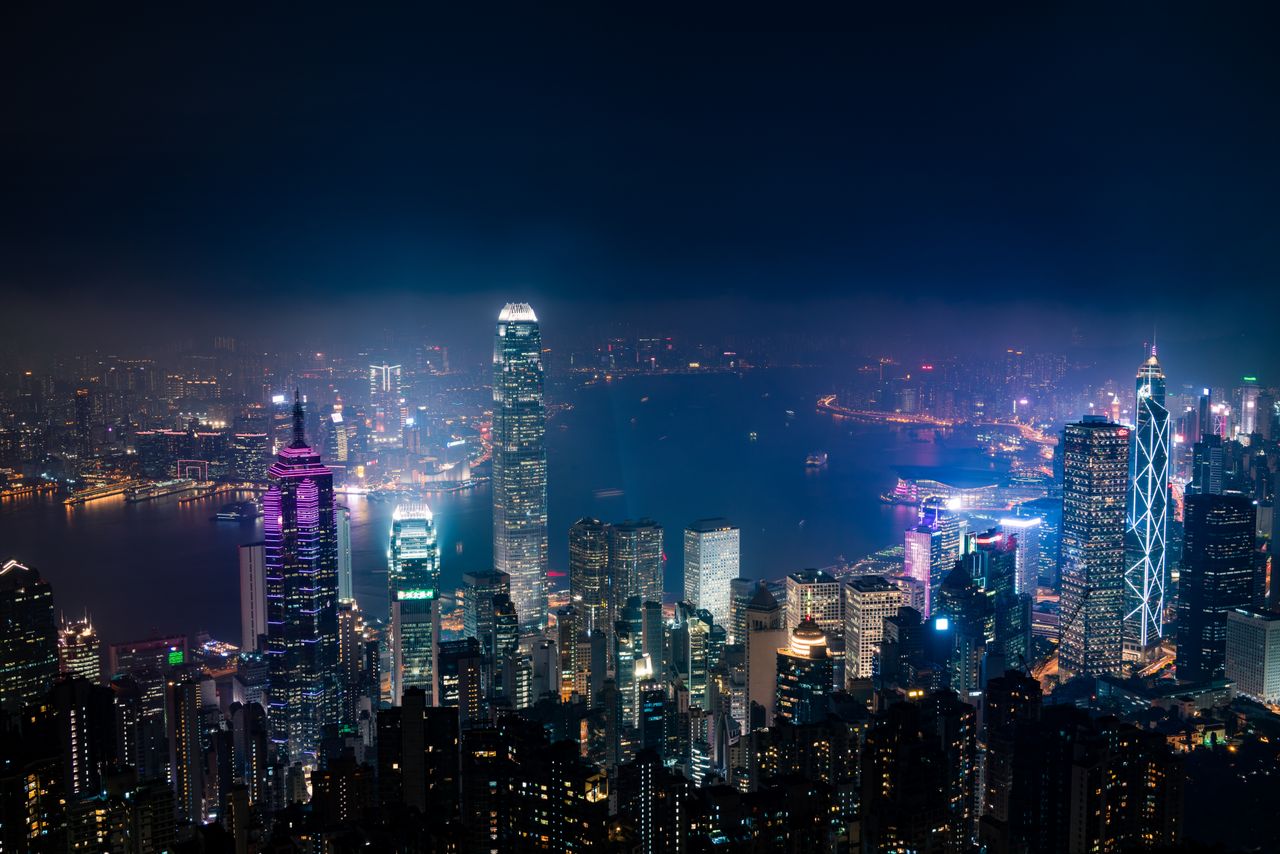
New York has one of the strongest claims to being the world’s most powerful city. It is home to Wall Street, major international corporations, influential media organizations, and the United Nations headquarters.
Its financial influence is particularly impressive. The city ranked first in the September 2026 Global Financial Centers Index, ahead of London, Hong Kong, and Singapore. It also took first place in both Kearney’s 2025 Global Cities Index and Oxford Economics’ 2026 Global Cities Index.
New York’s influence extends beyond money. Its media, entertainment, technology, and business industries help shape conversations worldwide. When major financial or political developments happen, the city is often part of the story.
London, United Kingdom
London is one of the few cities that can seriously challenge New York’s position. It is a major destination for international banking, investment, business services, education, and culture.
The British capital ranked first in the Mori Memorial Foundation’s 2025 Global Power City Index. It also shares the highest Alpha++ classification with New York in GaWC’s global city network assessment.
London’s financial influence is especially strong in foreign exchange trading and interest-rate derivatives. Its cultural reach is equally impressive, with internationally recognized museums, theatres, music venues, and creative industries.
It is also home to the headquarters of major international businesses, including HSBC. London demonstrates how a city can remain influential through a combination of finance, culture, and global connections.
Paris, France
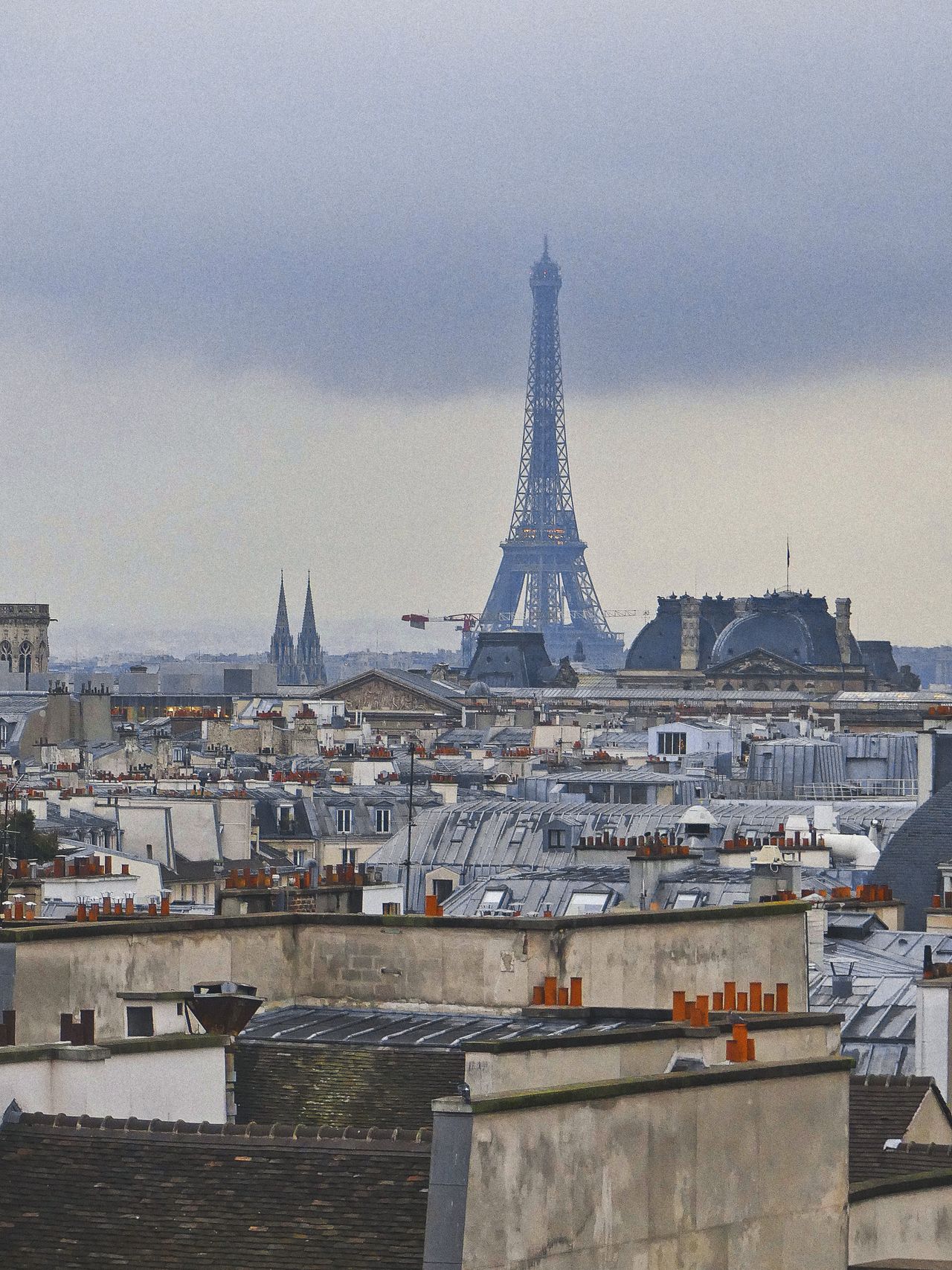
Paris is famous for fashion, art, architecture, and romantic streets, but its influence extends far beyond tourism.
The French capital is a major center for luxury goods, international business, research, and creative industries. LVMH, one of the world’s best-known luxury groups, is headquartered in Paris.
Paris ranked third in both Kearney’s 2025 Global Cities Index and Oxford Economics’ 2026 Global Cities Index. It also placed fourth in the 2025 Global Power City Index.
Interestingly, Paris ranked 23rd in the 2026 Global Financial Centers Index. This shows that a city can be enormously influential without being one of the world’s strongest financial centers.
Tokyo, Japan
Tokyo is a powerhouse of technology, manufacturing, research, entertainment, and business. It is home to internationally recognized companies such as Sony, whose operations cover gaming, music, films, and electronic technology.
The city ranked second in the 2025 Global Power City Index, surpassing New York. It also ranked fourth in Kearney’s Global Cities Index.
Tokyo’s technology influence is particularly significant. The Tokyo-Yokohama innovation cluster ranked second globally in the World Intellectual Property Organization’s 2026 assessment.
Its mix of advanced industries, transportation systems, research institutions, and cultural exports makes it one of Asia’s most influential cities.
Singapore
Singapore may be small compared with many global cities, but its influence is anything but small.
As both a city and an independent country, Singapore has built a strong reputation in international finance, trade, technology, and transportation. Major financial institutions, including DBS, operate from the city-state.
Singapore ranked fourth in the 2026 Global Financial Centers Index and fifth in Kearney’s 2025 Global Cities Index.
Its Changi Airport also makes it an important international travel hub. For businesses connecting Asia with other parts of the world, Singapore remains an attractive location.
Beijing, China
Beijing’s greatest source of power is its political and economic importance. As China’s capital, it is where major national government decisions are made.
However, the city is also a significant centre for finance, scientific research, and technology. The headquarters of Industrial and Commercial Bank of China, one of the world’s major banks, is located there.
Beijing ranked fourth among the world’s largest innovation clusters in WIPO’s 2026 assessment. Its scientific research activity is particularly important.
Its influence comes from combining government authority with major financial institutions and a growing technology sector.
Shanghai, China
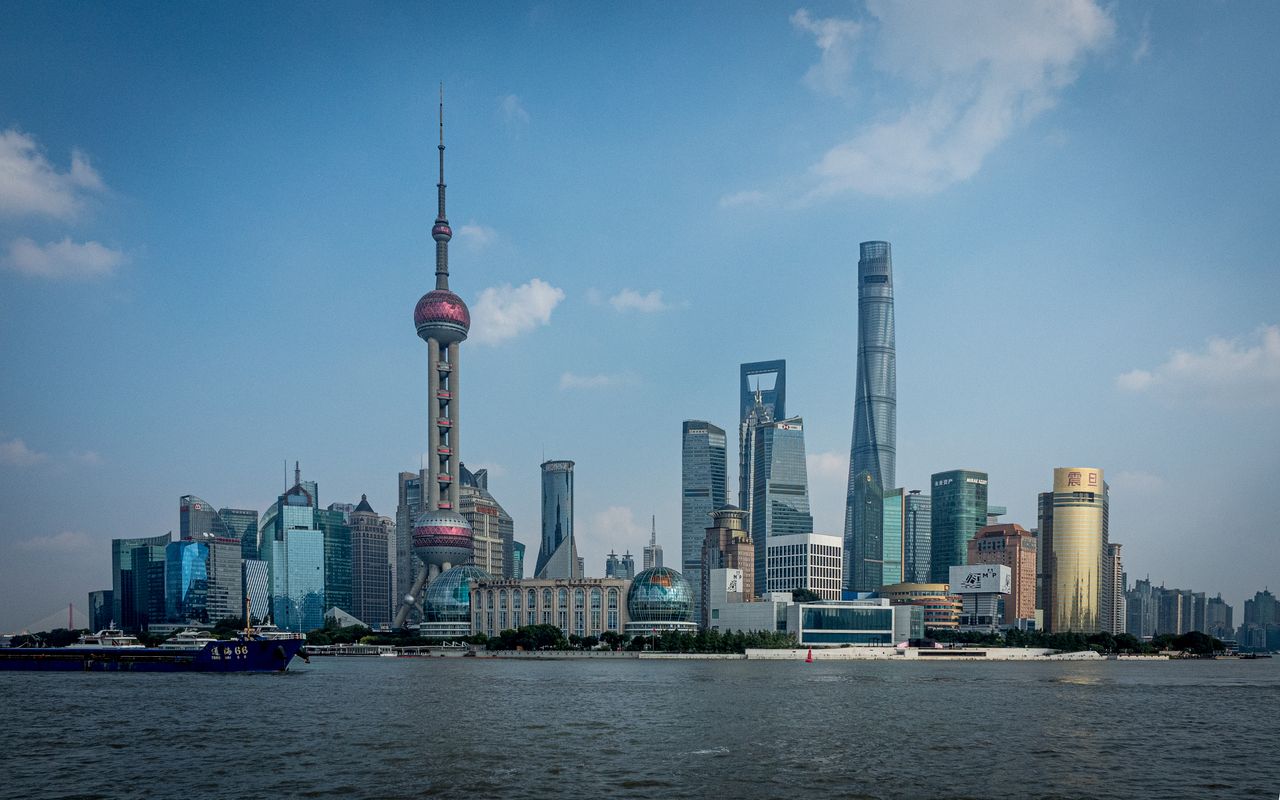
While Beijing is China’s political center, Shanghai is one of its most important commercial and financial cities.
The city has a major international business presence, a large industrial economy, and an important stock market. It ranked fifth in the September 2026 Global Financial Centers Index.
Shanghai is also part of the Shanghai-Suzhou innovation cluster, which ranked sixth in WIPO’s 2026 assessment.
Its influence continues to grow through finance, manufacturing, international business, and technology. It is a good example of how different cities within the same country can have very different kinds of global power.
Hong Kong
Hong Kong is one of the world’s most important financial gateways. Although it is a Special Administrative Region of China rather than an independent country, it has a distinct financial and commercial role.
It ranked third in the 2026 Global Financial Centers Index, placing it among the world’s leading financial centers.
Banking, insurance, investment, and international business are major parts of its economy. Its location also makes it a key link between mainland China and international markets.
Hong Kong’s technology influence is strengthened by its participation in the Shenzhen-Hong Kong-Guangzhou innovation cluster, which ranked first globally in WIPO’s 2026 assessment.
Dubai, United Arab Emirates
Dubai has become one of the world’s most recognizable business and travel destinations.
Its influence comes from international aviation, tourism, finance, real estate, and commercial services. Emirates, one of the world’s major airlines, is headquartered there.
Dubai International Airport handled approximately 95.2 million passengers in 2025 and ranked first for international passenger traffic.
The city also ranked ninth in the 2026 Global Financial Centers Index and ninth in the 2025 Global Power City Index.
Its position between Europe, Asia, and Africa makes it an important meeting point for international business.
Washington, D.C., United States
Washington, D.C., does not need Wall Street to demonstrate its global importance. Its greatest strength is political influence.
As the American capital, it is home to the White House, Congress, and major government institutions. It also hosts the headquarters of the International Monetary Fund and the World Bank.
Decisions made in Washington can influence international trade, development funding, security, and economic policy.
The city ranked 14th in Oxford Economics’ 2026 Global Cities Index. Its financial-center ranking does not fully reflect its political importance.
Los Angeles, United States
Los Angeles has a different kind of global power: entertainment.
Hollywood has helped make the city a major center for film, television, music, and international entertainment production. Companies such as Disney operate major entertainment businesses in the wider Los Angeles metropolitan area.
The city also has a large economy and growing technology and startup activity.
Los Angeles ranked 12th in Oxford Economics’ 2026 Global Cities Index and 14th in the Global Financial Centers Index.
Its cultural influence reaches far beyond the United States, with films, television productions, and entertainment businesses distributed across international markets.
Seoul, South Korea
Seoul has become an important global center for technology, manufacturing, entertainment, and innovation.
Companies such as Hyundai Motor are headquartered there, while South Korea’s broader entertainment industry has helped Korean music, films, television dramas, and fashion reach international audiences.
Seoul ranked sixth in the 2025 Global Power City Index and seventh in the 2026 Global Financial Centers Index.
It also ranked fifth among the world’s leading innovation clusters in WIPO’s 2026 assessment.
San Francisco, United States
San Francisco’s influence comes largely from technology and entrepreneurship.
The city is part of the wider Bay Area innovation ecosystem, which includes Silicon Valley. This region has helped shape industries such as software, artificial intelligence, and digital services.
Salesforce has its global headquarters in San Francisco, while the wider Silicon Valley ecosystem ranked first in Startup Genome’s 2026 startup assessment.
The San Jose-San Francisco innovation cluster also ranked third globally in WIPO’s 2026 assessment.
Geneva, Switzerland
Geneva may not have the enormous skyline of New York or Shanghai, but its international influence is remarkable.
The city hosts major international institutions, including the World Health Organization, World Trade Organization, International Labour Organization, and World Intellectual Property Organization.
These organizations help shape discussions and policies involving global health, employment, trade, and intellectual property.
Geneva ranked 12th in the 2026 Global Financial Centres Index, but its diplomatic and institutional importance is arguably its greatest source of power.
Brussels, Belgium
Brussels is another city whose influence comes mainly from international institutions.
It is home to NATO’s political headquarters and major European Commission functions. Important discussions involving European policies, international cooperation, and military alliances take place there.
Brussels ranked 25th in Oxford Economics’ 2026 Global Cities Index.
Although it ranked 82nd in the Global Financial Centres Index, its political and diplomatic importance makes it difficult to leave out of a discussion about powerful cities.
So, Which City Is the Most Powerful in the World?
There is no universally accepted winner because different rankings measure different things. Some focus on finance, others examine technology, political influence, culture, or economic strength.
However, New York has the strongest overall claim, given its repeated first-place finishes in major global-city and financial-center rankings. London remains its closest competitor, particularly in cultural influence and international business.
One thing is clear: global power is no longer concentrated in just a few Western cities. Asian centers such as Singapore, Tokyo, Shanghai, Seoul, Hong Kong, and Beijing have enormous influence in finance, innovation, and international business.
The world’s most powerful cities are not simply places where people live and work. They are places where decisions, discoveries, investments, and ideas can shape life far beyond their own borders.