A neighbor, a teacher and a cousin all get the same thing this year: a restaurant card or a grocery-store card tucked into an envelope. That is exactly why the Federal Trade Commission keeps repeating one rule as the holiday shopping season starts.
The FTC says only scammers ask a shopper to buy gift cards and then read out the numbers on the back. Gift cards are meant to be given as gifts, and no real business or government agency will ask for one as payment, according to the agency’s consumer page on avoiding and reporting gift card scams, published Jan. 28, 2026 and updated June 9, 2026. An FTC consumer alert published Dec. 20, 2023 and modified Feb. 1, 2024 put it in plain terms: anyone who asks a shopper to buy gift cards and read out the numbers on the back is a scammer.
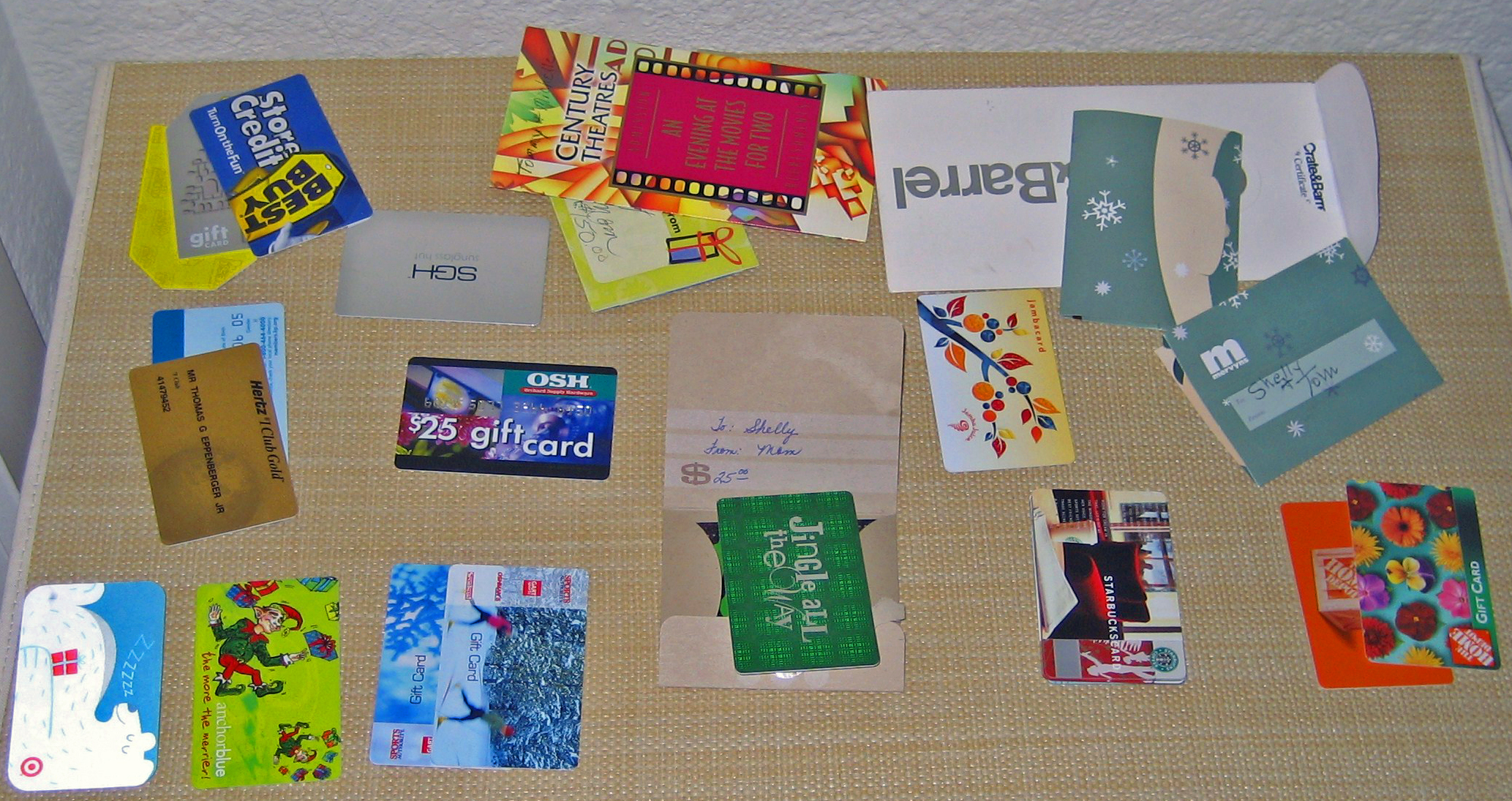
Gift Cards Sit at the Top of Wish Lists Again
The National Retail Federation reported on Oct. 20, 2026 that 47% of consumers said they would like to receive gift cards this holiday season, which put them first on wish lists. Clothing came second at 44%, according to the NRF holiday survey release, which covered 8,094 U.S. adults surveyed Oct. 1 to 7.
Restaurant and grocery cards fit neatly into that pattern. They are easy to wrap, they cover a holiday dinner or a week of staples, and they are sold in racks at many stores. The FTC’s holiday warnings arrive in the same weeks for that reason. Shoppers setting a gift budget can also look at Frenz Hub’s frugal living tips and its guide to saving money fast, since a food card is an easy place to set a firm spending limit.
The One Rule That Settles Every Payment Demand
The FTC’s wording is blunt: gift cards are for gifts, and only gifts. A caller who claims to be from a government office, a utility or a well-known company and insists on payment by card is, in the agency’s words, a scammer. The 2019 FTC page on holiday gift card shopping, last modified Sept. 11, 2025, adds that this includes people posing as relatives in an emergency, the IRS, Social Security, law enforcement or utility companies.
The rule applies to any brand. Nothing in the agency’s current guidance singles out a grocery chain or a restaurant card, and none needs to be named. If a stranger or an urgent message asks for a card of any kind, the request itself is the warning sign.
Partner site craftingyourhome.com has covered other holiday rules shoppers run into, including a list of holiday-season things that are against the law and the Amazon holiday return deadline of Jan. 31, 2027.
How the Pitch Usually Unfolds
According to the FTC, these scams often begin with a call, text, email or social media message that feels urgent and demands immediate payment. The sender may pose as a government agency or a company the target knows. The FTC also warns that a free gift card offer is often a phishing attempt aimed at collecting personal or financial details, and that links in unexpected texts or emails should be left alone.
The scammer then picks the card and the store, sometimes names the amount, and asks for the card number and PIN. If someone stays on the phone while a shopper loads a card, the FTC says to hang up. FTC staff said in a reply under the 2023 alert that once a scammer has the number and PIN, the funds can be used even if the physical card is still in hand.
The holidays are a busy stretch, full of the routines described in a list of strange Thanksgiving traditions on Frenz Hub, and urgency is the tool the FTC says scammers lean on.

Checking the Rack Before Buying a Restaurant or Grocery Card
For real gift-giving, the FTC offers a short checklist. Buy from trusted stores and avoid online auction sites, where fake or stolen cards may be sold. Check that the protective stickers are intact and that the PIN is not exposed. Report any card that looks tampered with to the store.
The agency also says to keep a copy of the card and the store receipt, and to read the terms before buying, since some cards carry fees for each use or for sitting unused. If a card is lost or stolen, the FTC says to contact the issuer right away, because some issuers may replace part of the money.
That checklist fits restaurant and grocery cards at the register just as it does any other card.
If a Card Already Went to a Scammer
The FTC says to act quickly and to keep the card and receipt. Report the scam to the gift card company, even if it happened some time ago, and ask for the money back. Some companies are working to stop these scams and may refund the buyer. The FTC also asks for a report at ReportFraud.ftc.gov.
The scale is worth knowing. In a December 2021 Data Spotlight, the FTC counted about 39,263 gift card reports in the first nine months of 2021, with losses of $147.8 million. About one in four people who reported losing money to fraud said a scammer had them give the numbers on a gift card, according to the FTC Data Spotlight. Those figures are several years old, and the agency noted that reported losses are likely a small share of the total.
For a holiday shopper, the takeaway is short. Grocery and restaurant cards make good gifts, and the FTC’s guidance counts them as ordinary gifts. The moment anyone asks for one as payment, or asks for the numbers on the back, the FTC says the conversation is with a scammer.
This article was produced with AI assistance and edited for accuracy against the sources linked above.
Image: Harrison Keely – CC BY 4.0/Wikimedia Commons