Imagine reaching for your favorite ketchup, grabbing a bottle of soda, or adding salad dressing to dinner, only to discover that the ingredients have changed. That possibility is at the center of a new proposal in Washington that could reshape America’s grocery shelves.
On September 3, 2026, Representative Nancy Mace introduced the REAL Sugar Act, a bill that aims to prohibit high-fructose corn syrup (HFCS) in food sold through interstate commerce. If passed, the legislation would give food manufacturers two years after enactment to adjust their products before the new restriction takes effect.
The proposal could affect familiar products, from soft drinks and ketchup to fruit drinks, sauces, and packaged foods. However, shoppers should understand an important detail: the bill does not require manufacturers to replace high-fructose corn syrup with cane sugar, and it does not limit how much sugar a product can contain.
Here’s what the proposed legislation could mean for American shoppers.
What Is the REAL Sugar Act?
The REAL Sugar Act, short for the Removing Excess Additives and Limiting Sugar Act, is sponsored by Representative Nancy Mace of South Carolina.
The legislation would amend the Federal Food, Drug, and Cosmetic Act to classify food intended for human consumption containing high-fructose corn syrup as adulterated.
That legal wording matters. Under existing federal food laws, introducing adulterated food into interstate commerce is prohibited. Rather than creating an entirely new enforcement agency, the proposal would use existing food safety laws and enforcement mechanisms.
The bill also includes a two-year transition period. However, that period would begin only if the legislation becomes law. It has not started simply because the proposal was introduced.
As of November 12, 2026, H.R. 10278 remains referred to the House Committee on Energy and Commerce. It has no listed cosponsors and has not advanced through the legislative process.
Why Has America Used High-Fructose Corn Syrup for So Long?
High-fructose corn syrup has been part of the American food industry for decades. Although it was first introduced in 1967, its commercial use increased significantly during the 1970s after improvements in food-processing technology.
One major reason manufacturers embraced it was cost.
In many market conditions, producing HFCS became less expensive than buying refined sugar. U.S. sugar policies also helped make the ingredient more attractive to food companies by keeping domestic sugar prices relatively high.
But price wasn’t its only selling point.
Manufacturers also valued its ability to retain moisture, provide sweetness, influence texture, and help baked products develop their color. It became useful in everything from beverages to processed foods and sauces.
In other words, removing it from a recipe may involve more than finding another ingredient that tastes sweet. Companies may need to adjust several parts of their production process.
Your Favorite Grocery Store Products Could Be Affected
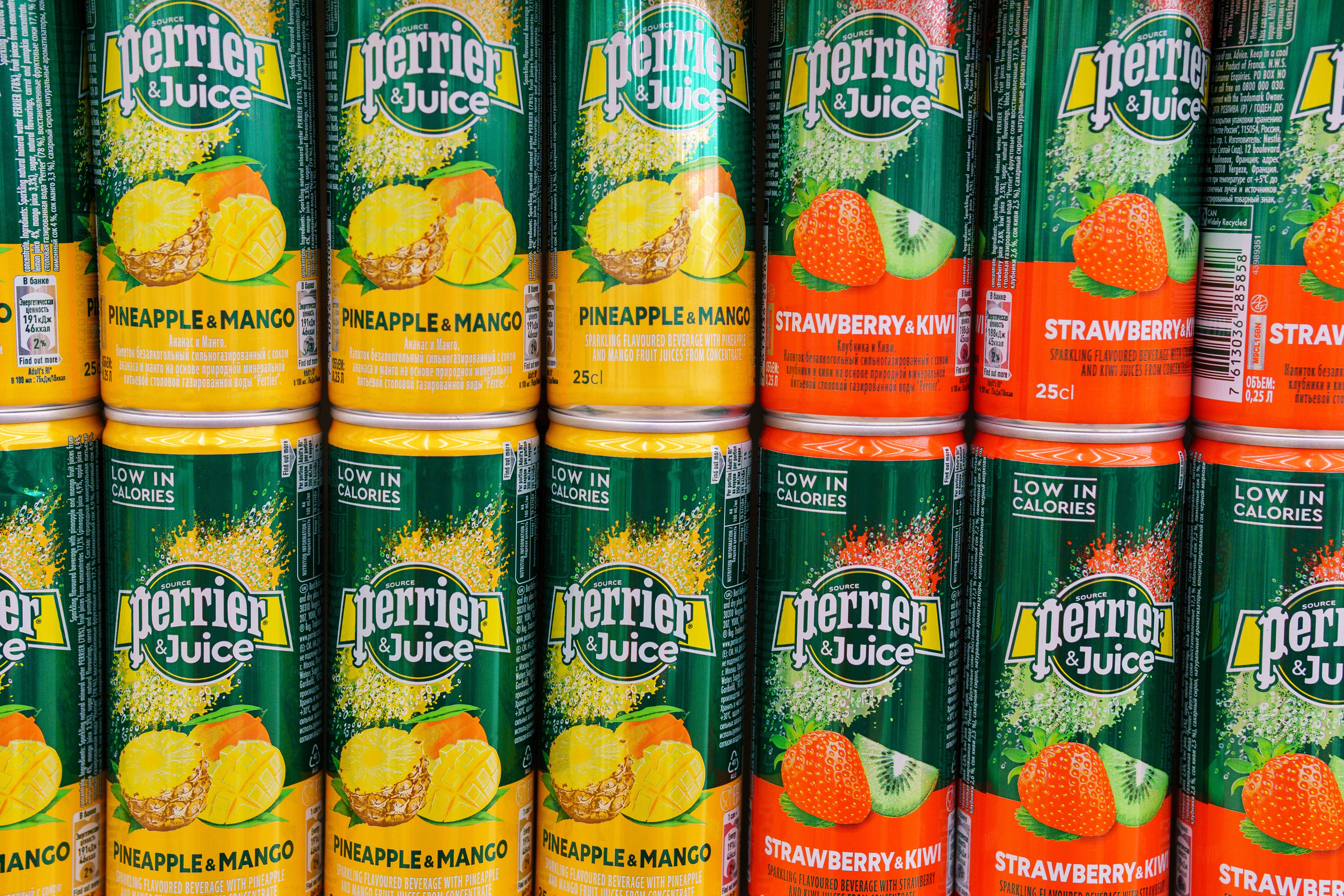
Some familiar American grocery products already list high-fructose corn syrup on their manufacturers’ ingredient pages.
The research identifies several examples, including:
- Coca-Cola Original Taste in the United States.
- Hi-C fruit drinks, including Flashin’ Fruit Punch.
- Kool-Aid Tropical Punch ready-to-drink soft drink.
- Heinz Tomato Ketchup in its standard formulation.
- Heinz Sweet Relish.
- Heinz 57 Sauce.
- Del Monte Sliced Yellow Cling Peaches in Heavy Syrup.
- Del Monte Original Sloppy Joe Sauce.
- Marzetti Sweet and Sour Salad Dressing.
- Marzetti Country French Dressing.
These examples are based on specific manufacturer-listed formulations, not every product sold under those brands.
For instance, Simply Heinz uses cane sugar rather than HFCS, while Heinz Organic has a different sweetener formulation. Capri Sun Pacific Cooler also lists no HFCS.
That distinction is important because shoppers shouldn’t assume every version of a familiar product contains the same ingredients.
What Would Manufacturers Use Instead?
Here’s where things get interesting. The proposed legislation does not tell food companies which sweetener they must use.
Cane sugar is one possible replacement, but it isn’t the only option. Manufacturers could also consider beet sugar, ordinary corn syrup, honey, invert sugar, or certain permitted high-intensity sweeteners.
Each option comes with different considerations.
Cane sugar is already used in many food products, but switching to it could require adjustments to ingredient sourcing, processing, and storage.
Beet sugar offers another option because it is chemically the same basic type of sugar as cane sugar. Ordinary corn syrup could also help preserve certain characteristics of a recipe, although it does not provide exactly the same sweetness as HFCS.
Honey and alternative sweeteners may work in some formulations, but they also change flavor, composition, and functionality.
For manufacturers, the biggest challenge may be keeping familiar products tasting and feeling the same after changing their recipes. A soda, for example, needs more than sweetness. Its overall flavor and consistency also matter.
This means companies would have to test replacement ingredients carefully before making large-scale changes.
Could Grocery Prices Go Up?
This is probably one of the biggest questions shoppers will have.
Changing ingredients can cost manufacturers money. Companies may need to find new suppliers, purchase different ingredients, update product labels, conduct testing, and potentially adjust their manufacturing equipment.
Those expenses could eventually put pressure on grocery prices.
However, a price increase is not guaranteed.
USDA’s October 2026 price data showed HFCS-55 at 46.753 cents per pound on a dry-weight basis, compared with a refined cane sugar quotation of 59.25 cents per pound. But these figures use different market and delivery terms, so they should not be treated as a direct estimate of what manufacturers would pay.
Interestingly, USDA’s 2025 annual averages showed refined beet sugar costing less than HFCS-55. This shows that replacement costs can vary by sweetener and market conditions.
Manufacturers could absorb some expenses, adjust their recipes, change package sizes, reduce discounts, or pass some costs to shoppers. At this point, no reliable estimate shows how much the REAL Sugar Act would add to household grocery bills.
This Isn’t America’s First Attempt to Ban HFCS
The proposal also has a recent legislative predecessor.
In June 2024, Representative Anna Paulina Luna introduced the Stop Spoonfuls of Fake Sugar Act of 2024, known as H.R. 8688.
Like Mace’s proposal, Luna’s bill sought to classify food containing HFCS as adulterated under federal food law.
However, the earlier legislation did not advance beyond its introduction and referral to the House Energy and Commerce Committee.
The two proposals differ in key ways. Luna’s bill included a one-year transition period, while Mace’s proposal provides two years and requires an implementation report from the Department of Health and Human Services through the FDA.
The earlier bill’s lack of progress does not necessarily tell us what will happen to the new proposal.
Does Replacing HFCS Automatically Make Food Healthier?
Not necessarily.
Although the legislation focuses on removing HFCS from food, that does not automatically mean products will contain less sugar.
A manufacturer could replace HFCS with cane sugar or another sweetener without reducing the total amount of added sugar in the product.
The FDA has also stated that it is not aware of evidence showing a safety difference between foods containing HFCS-42 or HFCS-55 and foods containing similar amounts of other nutritive sweeteners, such as sucrose or honey.
The bigger public health concern remains excessive added-sugar consumption, regardless of which sweetener supplies it.
That distinction is worth remembering as the proposal receives attention. Removing one ingredient does not automatically make a product lower in sugar or calories.
What Happens Next?
For now, American shoppers don’t need to rush to replace their favorite grocery products. The REAL Sugar Act is still in its early stages, and no final decision has been made.
The proposal would need to move through the legislative process before becoming law. If enacted in its current form, manufacturers would have two years before the new restriction applies to covered food entering interstate commerce.
Until then, the biggest question is how food companies would respond and whether those changes would eventually reach consumers through different ingredients, product formulations, or prices.
For now, the grocery aisle remains unchanged, but this proposal could make some familiar ingredient labels worth watching.