Long before the checkout-aisle displays of today, a handful of candy makers in Pennsylvania, Illinois, New York and Minnesota were turning out bars that people still buy. Many of them date to the first half of the twentieth century and are still sold under the same names. Here are ten classic candy bars that debuted before 1950.
1. Hershey bar: The chocolate that made luxury affordable
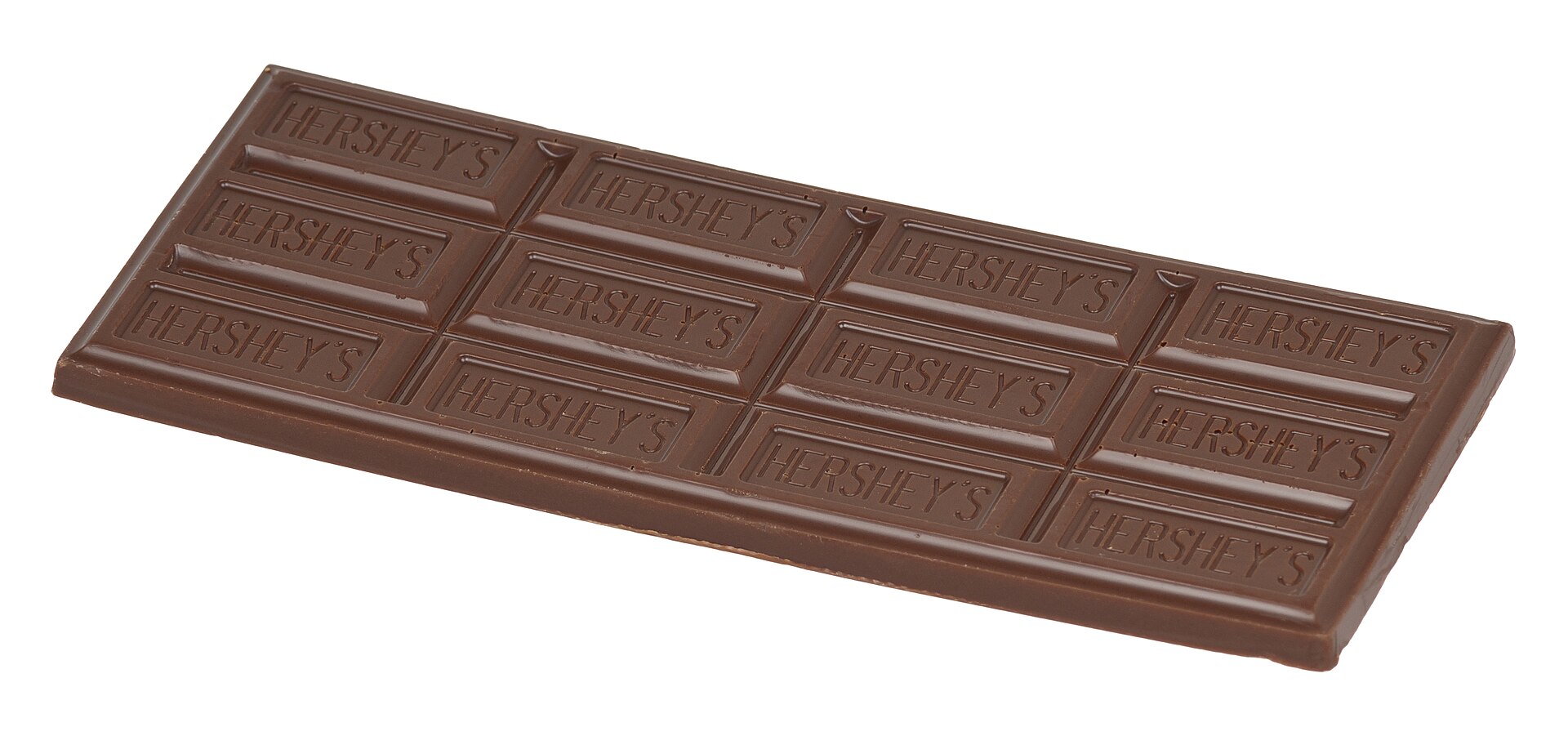
Milton Hershey introduced his milk chocolate in 1900, after several years of trial and error in search of the right formula. The Hershey Community Archives notes that the chocolate appealed to shoppers because it gave the average person a chance to enjoy what had been a luxury treat.
Unlike Hershey’s sweet chocolate line, which came in dozens of shapes, the milk chocolate was sold in only a few forms: bars, croquettes and wafers. The original wrapper had gold lettering on white glossy paper, and the archives later describe a classic maroon paper wrapper that replaced it.
2. Snickers: Named for a family horse
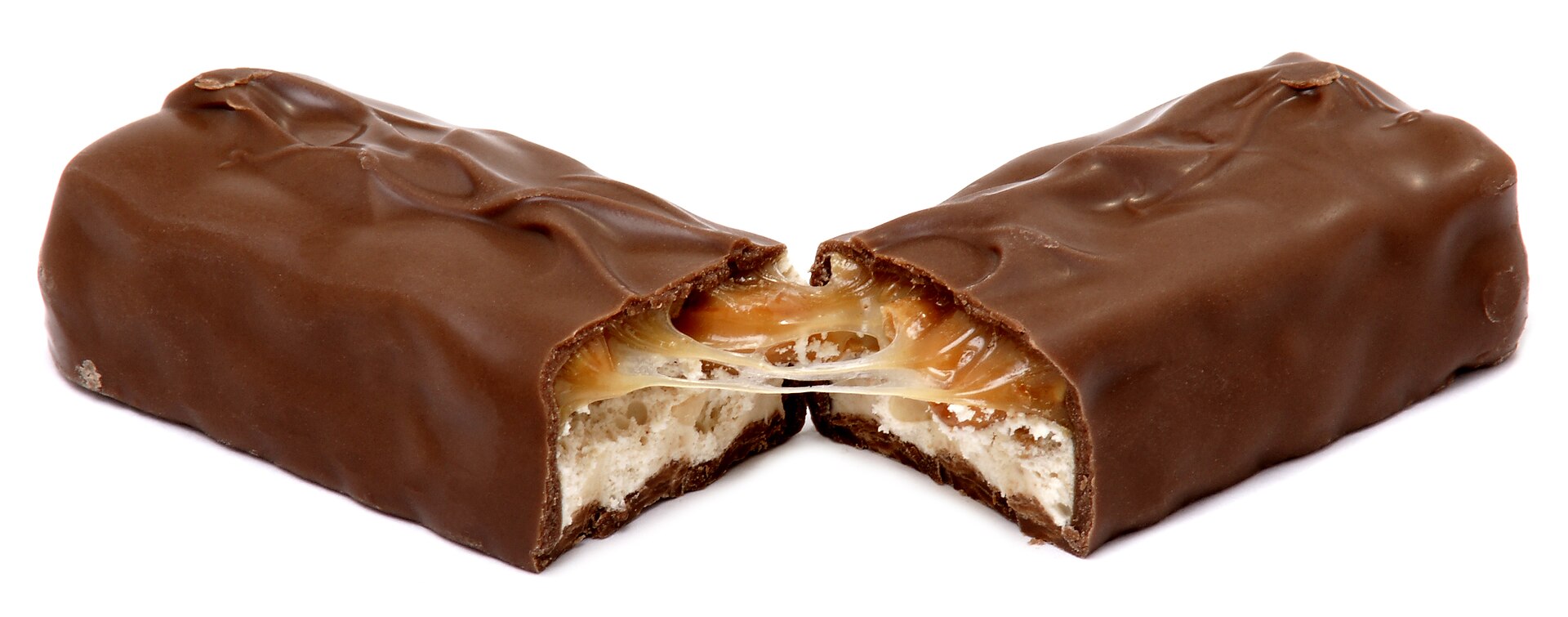
Mars introduced Snickers in 1930 at its candy factory in Chicago. The bar was named after the favorite horse of the Mars family, according to Wikipedia, which also calls it widely considered the bestselling candy bar in the world.
The recipe has stayed easy to describe: nougat topped with caramel and peanuts, all covered in milk chocolate. Over the decades Mars has added mini, dark chocolate, white chocolate, ice cream and protein versions to the line, and in 2024 Mars and Jel Sert teamed up to sell Snickers-flavored pudding and pie mix.
3. Milky Way (chocolate bar): Frank Mars’s first chocolate bar
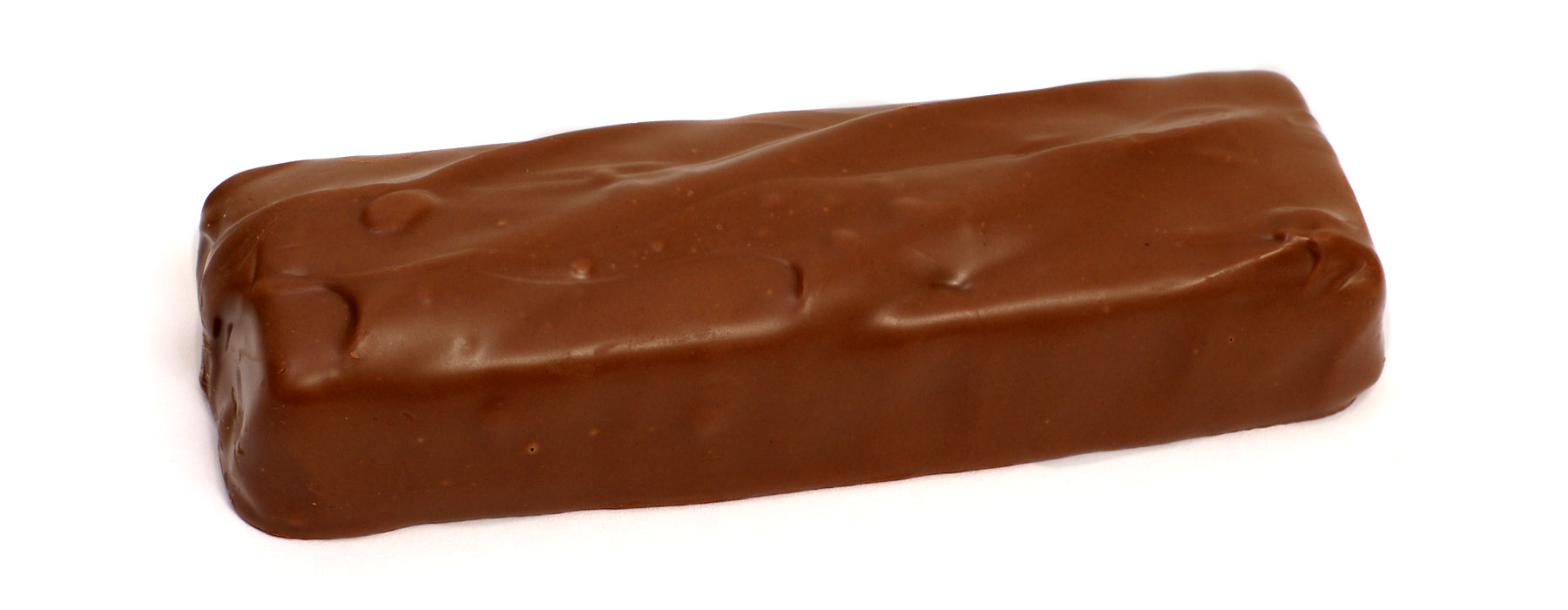
Frank C. Mars created the Milky Way in 1923, and it was his first chocolate bar product. It was originally made in Minneapolis, Minnesota, and the American version is built from nougat topped with caramel and covered in milk chocolate.
The name and the taste came from a popular malted milk drink of the day, not from the galaxy. Wikipedia reports that the bar went on sale nationally in 1924, with sales of 800,000 dollars that first year, and that the trademark was registered on March 10, 1925. In 1935 Mars promoted it with the slogan about a sweet that could be eaten between meals.
4. 3 Musketeers: Three flavors in one package
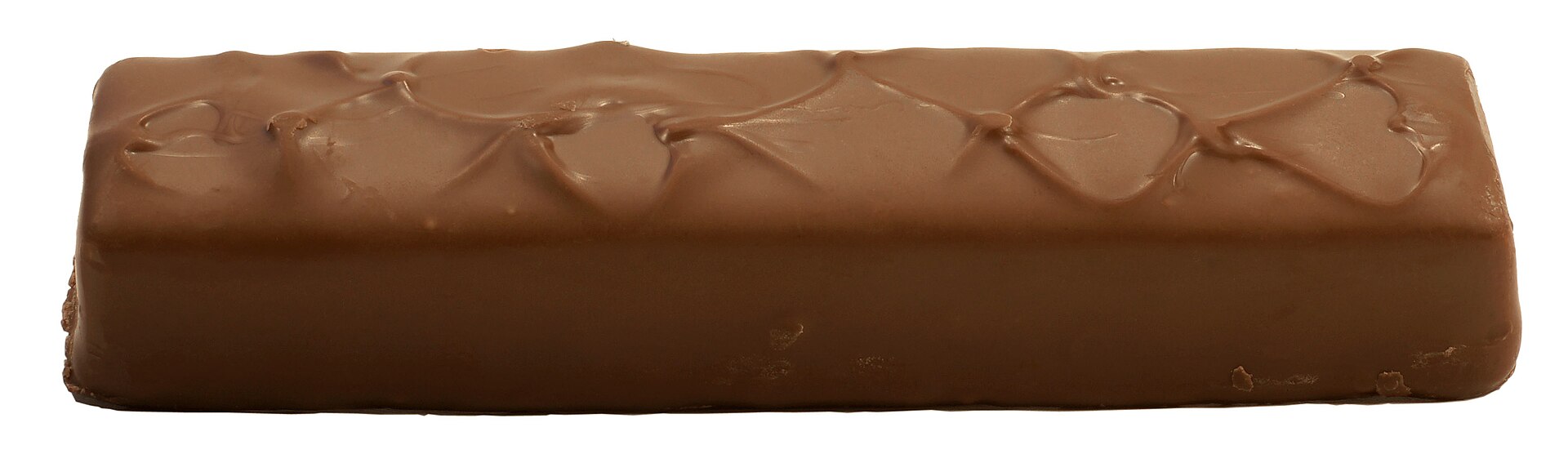
Mars introduced 3 Musketeers in 1932, making it the third brand the company produced. Each package originally held three flavors of nougat: chocolate, strawberry and vanilla. That trio explains the name, which came from the 1844 novel The Three Musketeers by Alexandre Dumas.
Rising costs and wartime restrictions on sugar led the company to phase out the vanilla and strawberry pieces, leaving only chocolate. The bars cost five cents when they were introduced and were marketed as one of the largest chocolate bars available. Today the candy is a chocolate-covered, whipped nougat bar.
5. Butterfinger: A name picked by popular vote
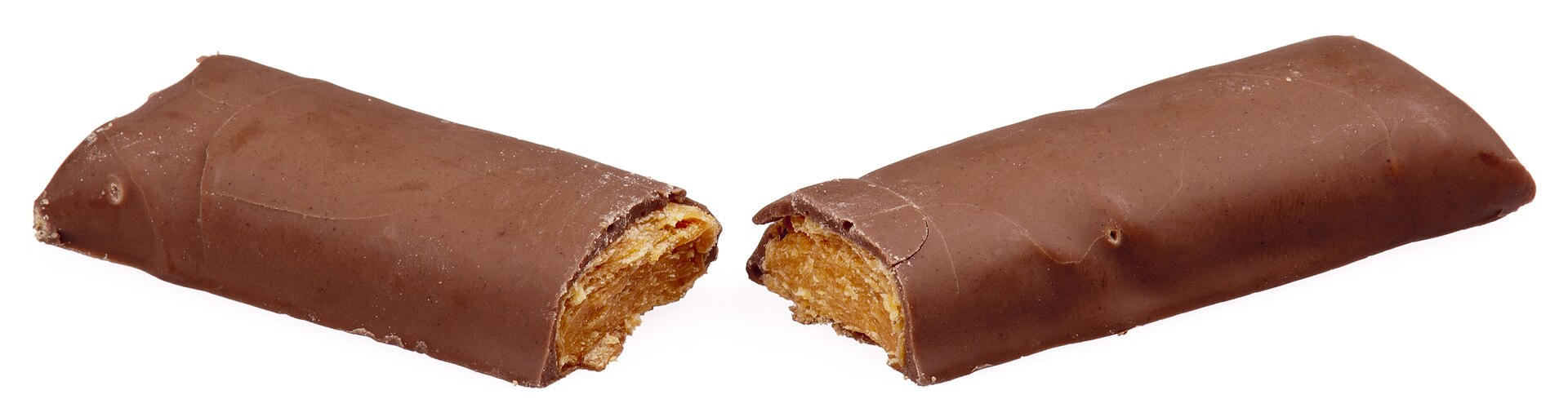
Otto Schnering of the Curtiss Candy Company invented Butterfinger in 1923, a year after founding the company near Chicago, Illinois. The company held a public contest to choose the name, according to Wikipedia.
The bar has a crisp peanut butter core inside a chocolate-like coating. In an early marketing campaign, Curtiss dropped Butterfinger and Baby Ruth bars from airplanes over cities across the country as a publicity stunt. The bar was also promoted by Shirley Temple in the 1934 film Baby Take a Bow.
6. Reese’s Peanut Butter Cups: Created in a basement in Hershey
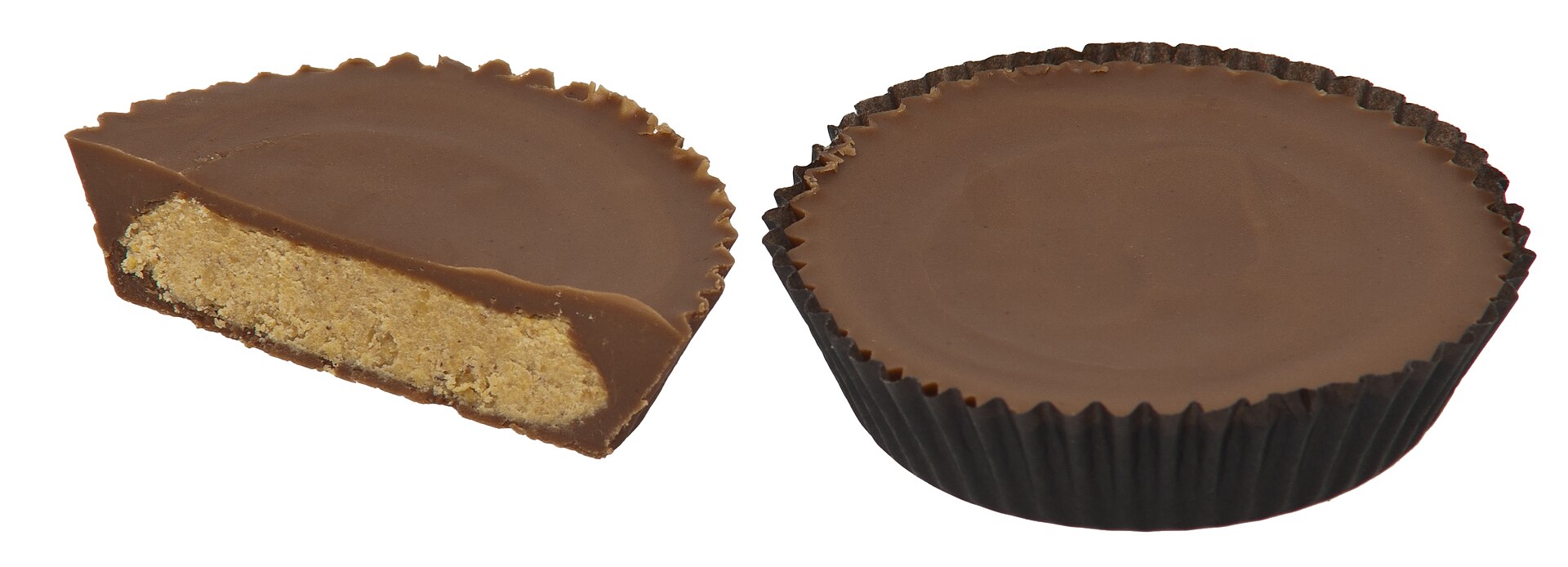
Harry Burnett Reese, known as H.B. Reese, created Reese’s Peanut Butter Cups in 1928. According to Hershey, he made them in his basement in Hershey, Pennsylvania, after working as an employee of the Hershey Chocolate Company.
The candy pairs chocolate with peanut butter. Hershey notes that Reese was a former employee of the company when he invented the peanut butter chocolate candy, and that today the cups come in milk chocolate, dark chocolate and white creme versions across a range of sizes.
7. Mounds (candy): Coconut in dark chocolate since 1920
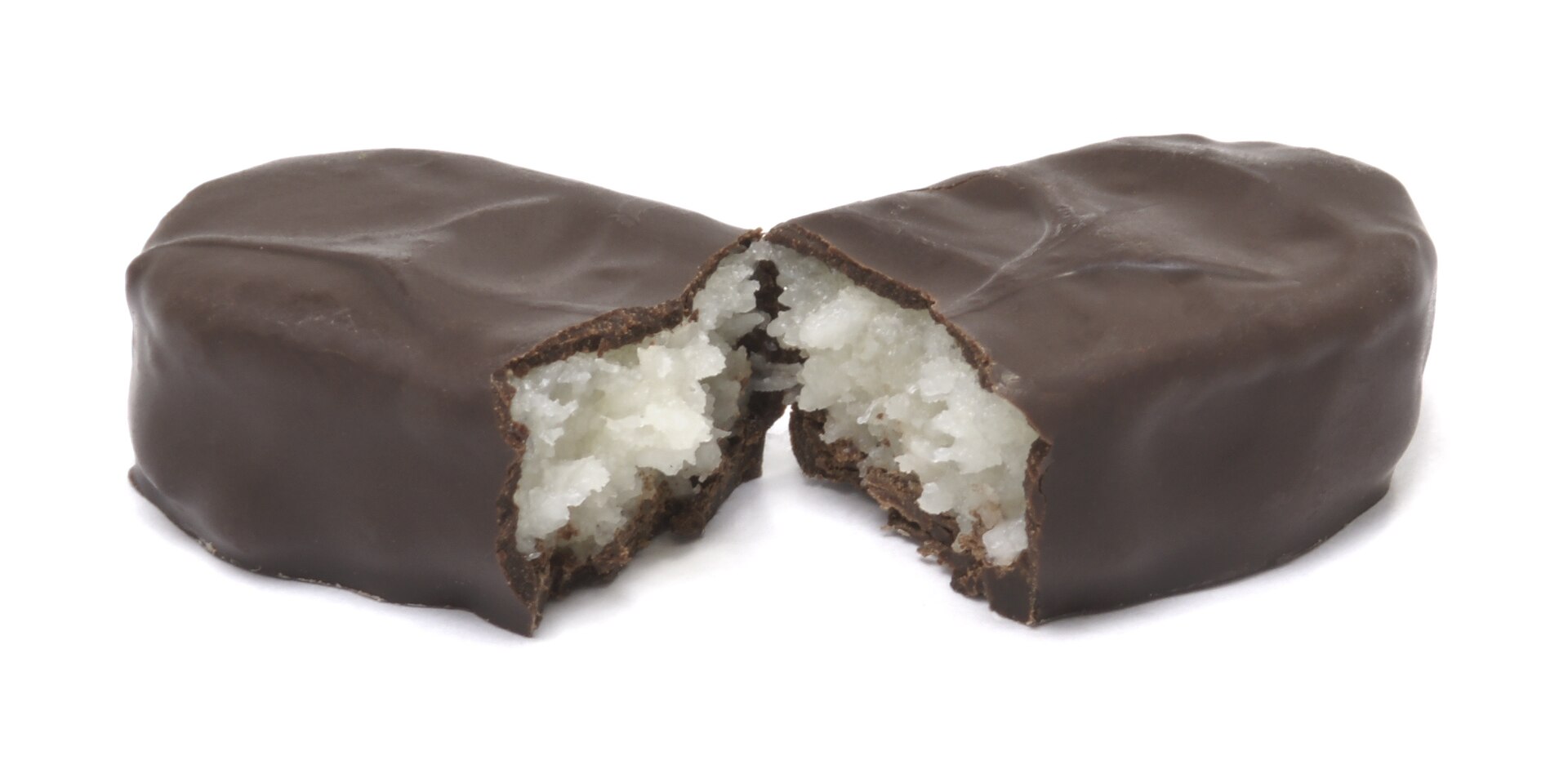
Hershey says Mounds was created in 1920, which makes it far older than its sibling Almond Joy, which made its debut in 1946. The bar is shredded coconut covered in a dark chocolate candy coating, with no nuts.
Almond Joy adds a whole almond and uses a milk chocolate coating, which is the main difference between the two bars. Both coconut candies joined The Hershey Company as licensed products in 1988, and they still share similar packaging, with Mounds in red and Almond Joy in blue.
8. Milk Duds: Chocolate caramels that never came out round
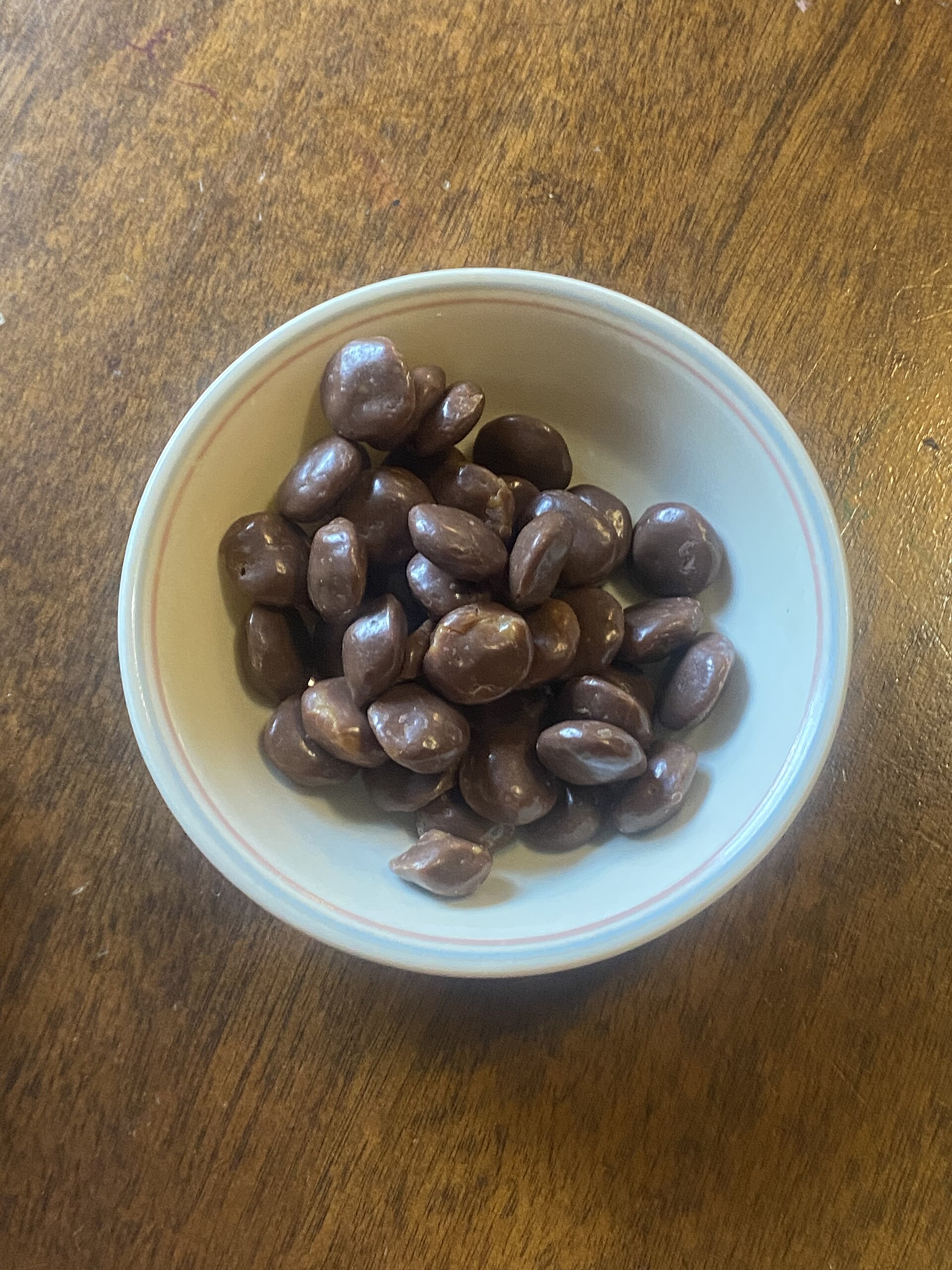
F. Hoffman & Company of Chicago first produced Milk Duds in 1928. The brand later joined The Hershey Company in 1996, and Hershey describes the chocolate-covered caramels as an old-school classic.
The name has a plain explanation. Their maker found it impossible to form the chocolate-covered caramels into perfectly round balls, so he called them duds. Hershey notes that they are never perfectly round to this day, and they remain a popular movie theater candy as well as a snack for streaming at home.
9. Tootsie Roll: A penny candy named for a daughter
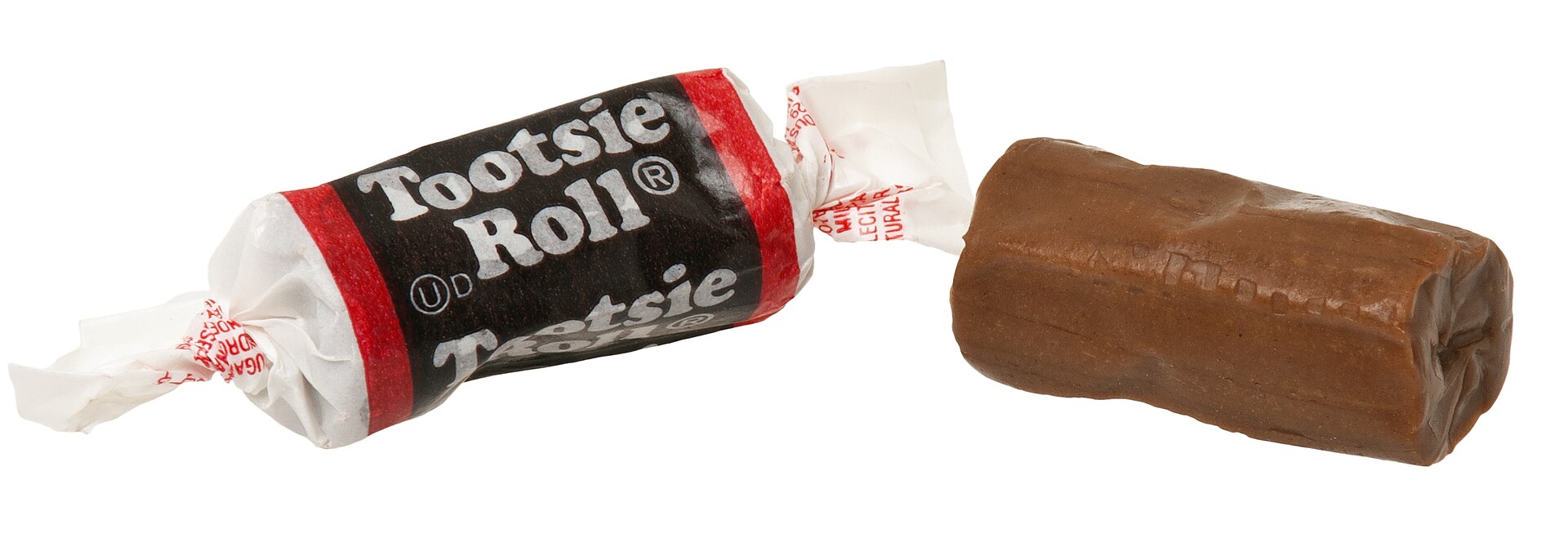
Leo Hirschfield invented the Tootsie Roll in New York City in 1896 and named it after his daughter. According to the company, the hand-rolled candy sold for one penny when it was introduced.
By 1905 Tootsie Rolls were made in a four-story candy factory in New York City and delivered by horse and buggy. An early advertisement in 1914 stressed that a whole package cost only 5 cents, and by 1916 the candy was moving by delivery truck. The company, founded in 1896, is now based in Chicago.
10. Baby Ruth: Curtiss’s reworked Kandy Kake
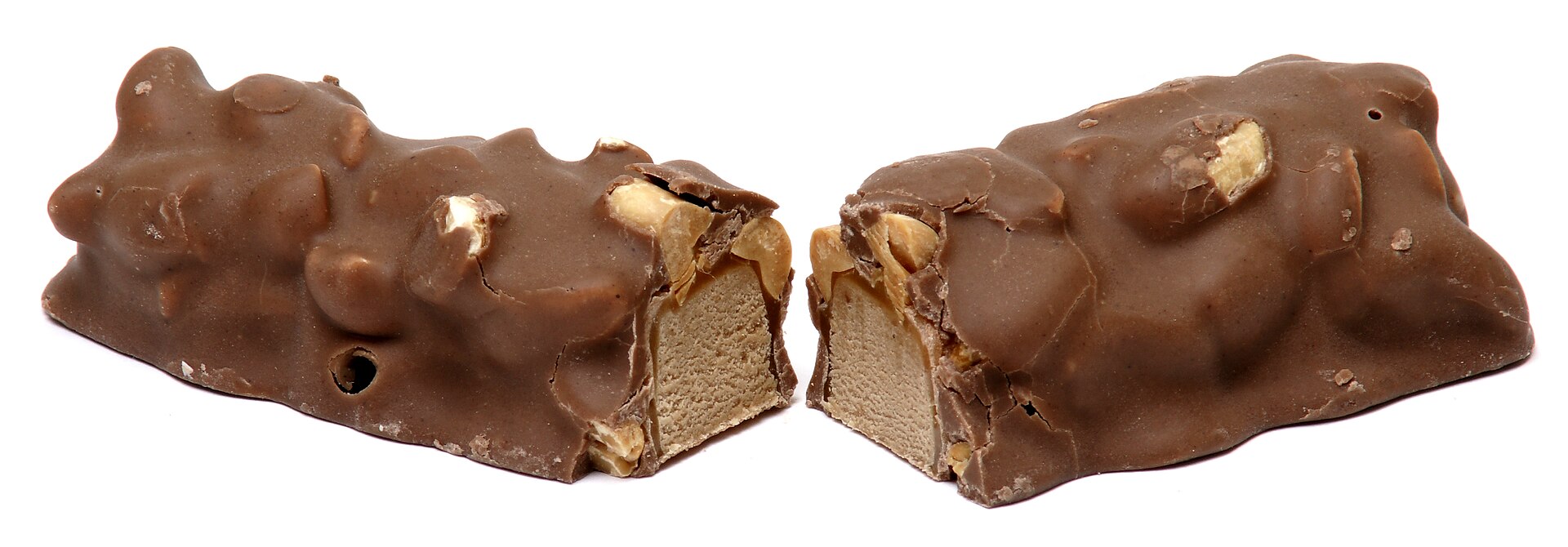
The Curtiss Candy Company refashioned its Kandy Kake into Baby Ruth in 1920, according to Wikipedia. By the late 1920s it had become the best-selling confection in the five-cent category.
The bar is made of peanuts, caramel and milk chocolate-flavored nougat, covered in compound chocolate. It was a staple of the Chicago-based company for more than six decades, until Nabisco bought Curtiss in 1981. Ferrara Candy Company, a subsidiary of Ferrero, makes it today. Curtiss was also the maker of Butterfinger, and the two bars shared the airplane publicity drops of the 1920s.
This article was produced with AI assistance and edited for accuracy against the sources linked above.