Boxes of cereal have lined American pantries for well over a century. Several of the best-known brands launched between the 1890s and the 1960s, and many are still on grocery shelves today. Here are nine breakfast cereals that became pantry staples, with a short look at how each one began.
1. Shredded wheat: Whole-wheat biscuits from Denver in 1890
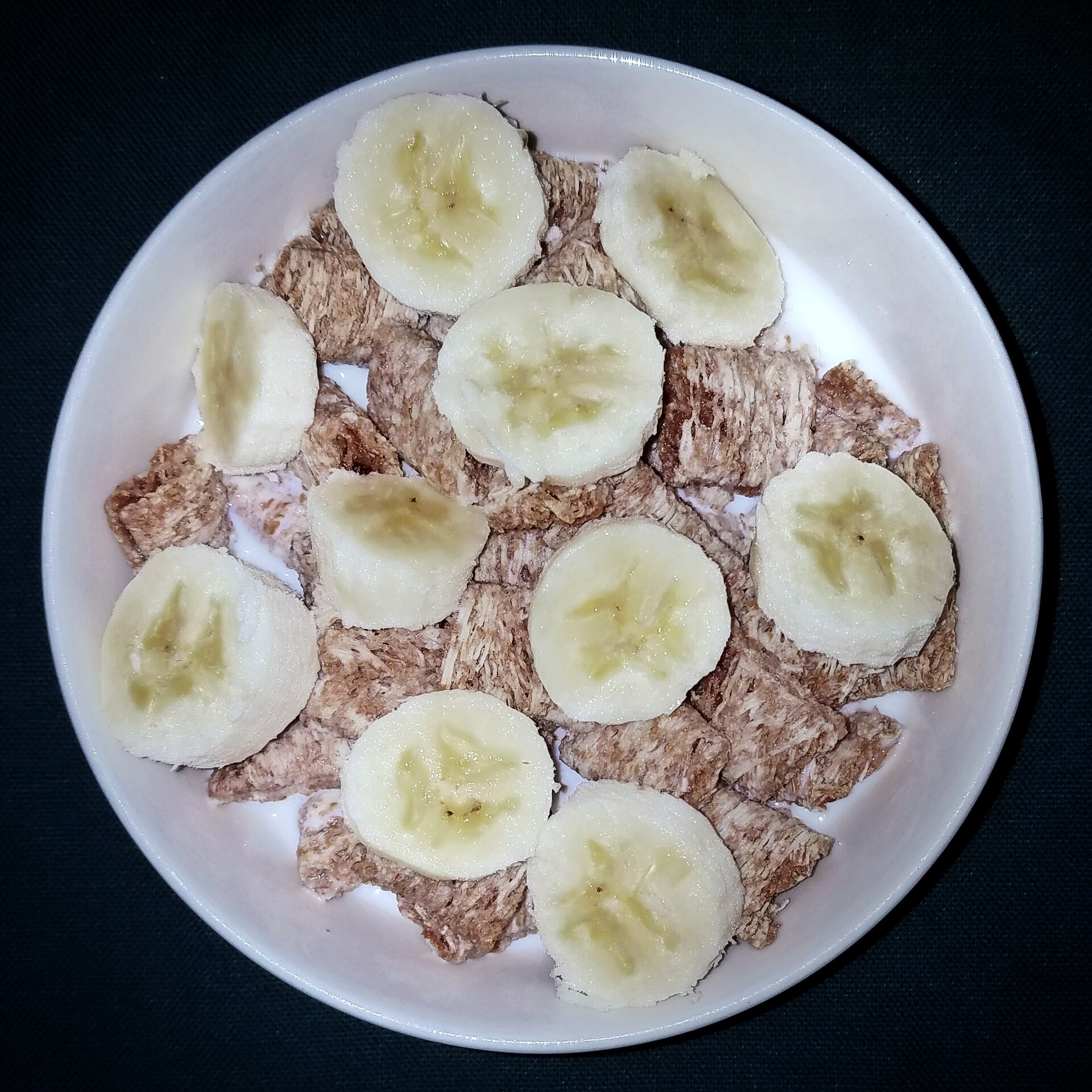
Shredded wheat is a breakfast cereal of whole wheat formed into pillow-shaped biscuits, and Henry Perky created it in Denver, Colorado, in 1890 and received a patent in 1895, according to Wikipedia.
The cereal was first shown to the public in 1893 at the World’s Columbian Exposition in Chicago. Perky distributed it from a factory in Niagara Falls, New York, and Nabisco bought the Shredded Wheat Company in December 1928. Nabisco sold the brand in 1993, and Post Consumer Brands now markets it in the United States.
2. Corn flakes: A Battle Creek invention that went mass market
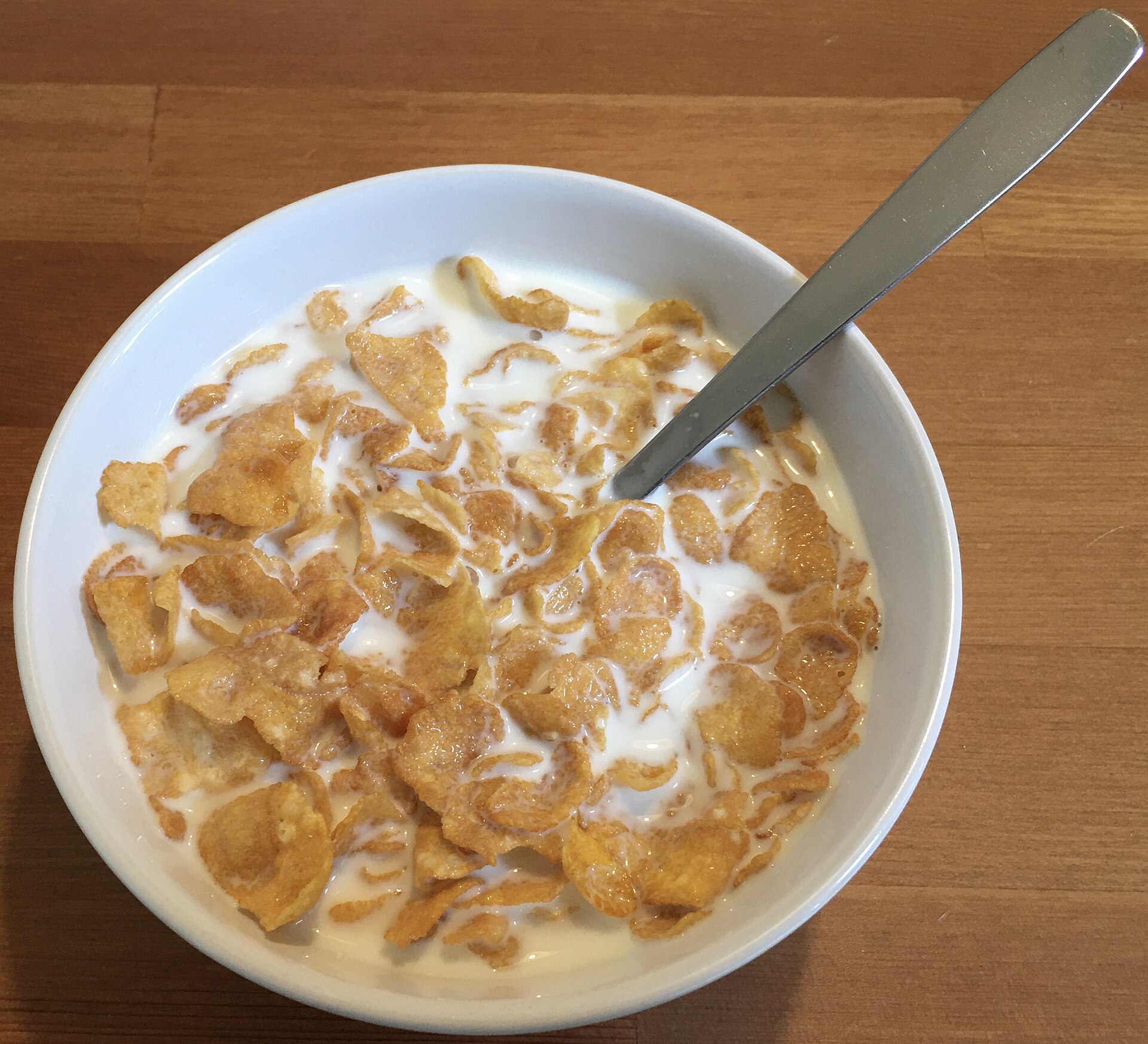
Corn flakes were created in 1894 at the Battle Creek Sanitarium in Michigan, where John Harvey Kellogg was superintendent and his brother Will Keith Kellogg worked, according to Wikipedia, though accounts of who did what differ.
John Harvey Kellogg received the patent for the flaking process in 1896 after a legal dispute between the brothers. In 1906 Will Keith Kellogg began mass-marketing the cereal through his Battle Creek Toasted Corn Flake Company, adding sugar to make it more appealing, and that company later became the Kellogg Company.
3. Wheaties: The Breakfast of Champions turns 100
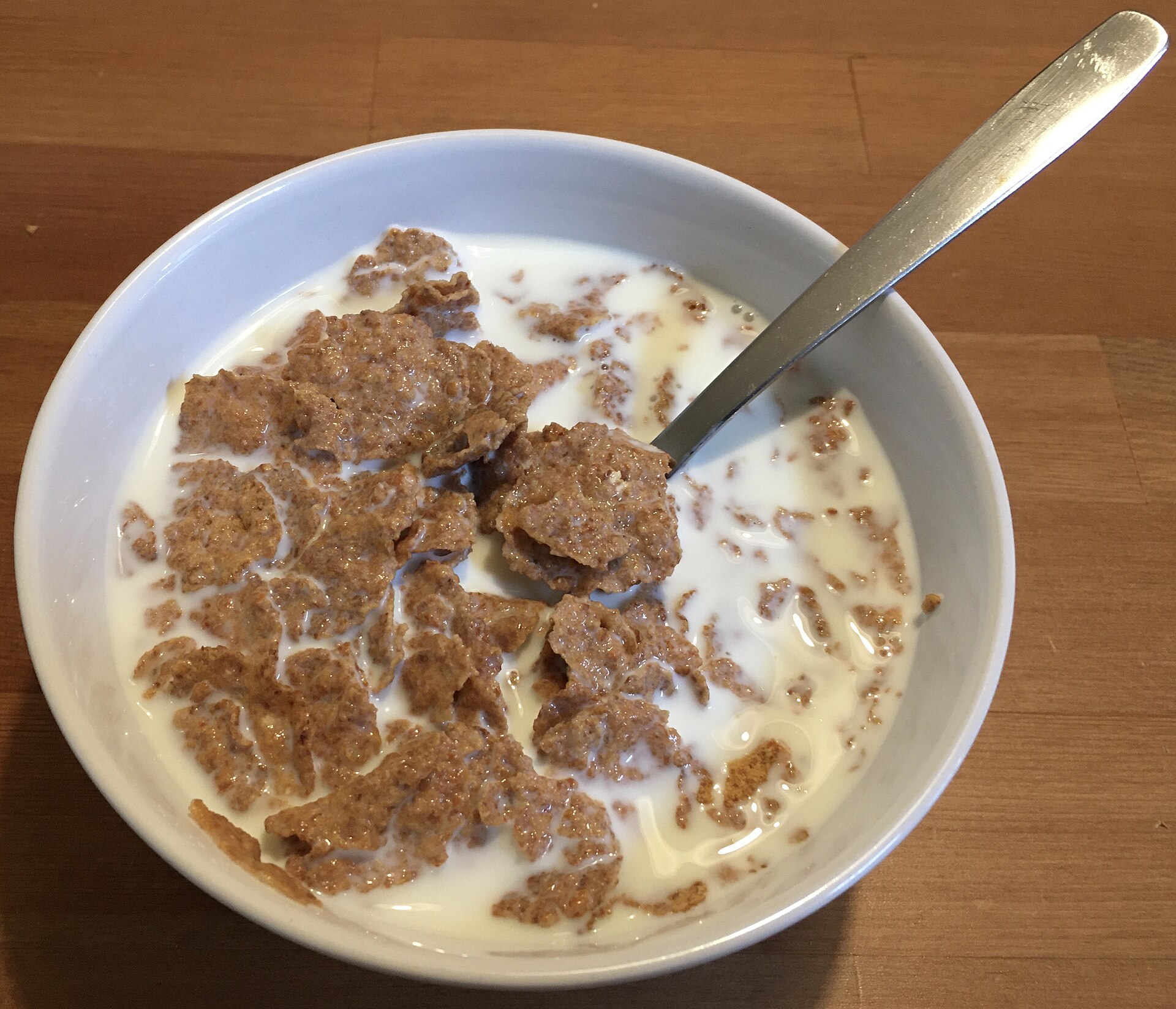
Wheaties is celebrating 100 years as the Breakfast of Champions, according to the brand, which has long put athletes on its box.
The brand highlights the athletes who have graced the cover, and Michael Jordan first appeared in 1988 and has done so 19 times, more than any other athlete. General Mills makes the cereal, and the athlete covers helped turn a whole-wheat flake cereal into one of the best-known sports brands in the country. The box has become as familiar to shoppers as the cereal itself.
4. Cheerios: CheeriOats in 1941, Cheerios by 1945
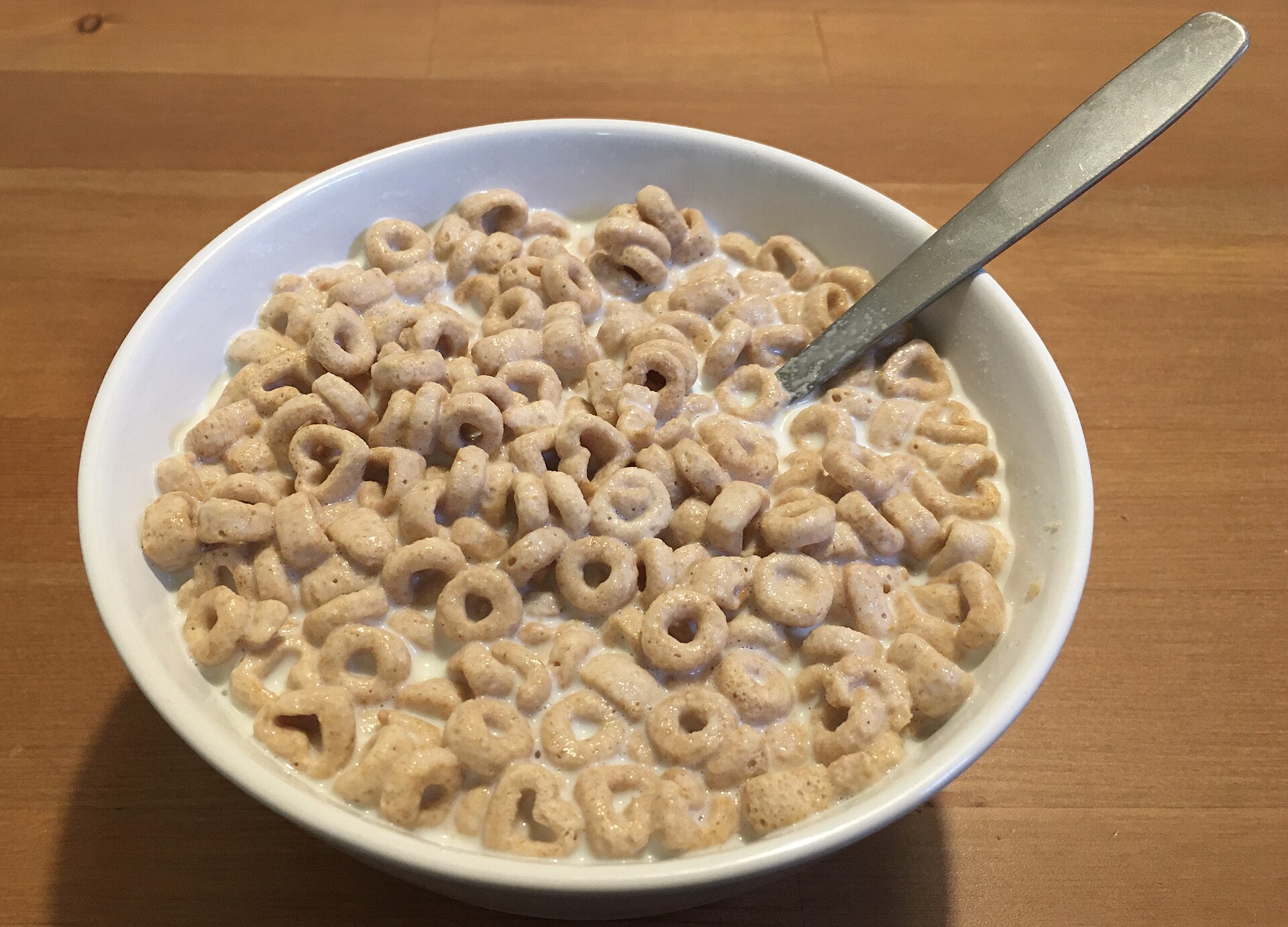
Cheerios arrived in 1941 under the name CheeriOats, according to General Mills, which describes it as a ready-to-eat oat cereal.
The cereal was renamed Cheerios in 1945. General Mills lists it among the iconic brands introduced in the early and middle decades of the twentieth century, and the small oat ring has stayed on grocery shelves ever since. The company has added many varieties, though the original Cheerios remains the one most tied to the name. Its simple ring shape is among the most recognizable in the cereal aisle.
5. Raisin Bran: A 1926 launch that anyone could copy
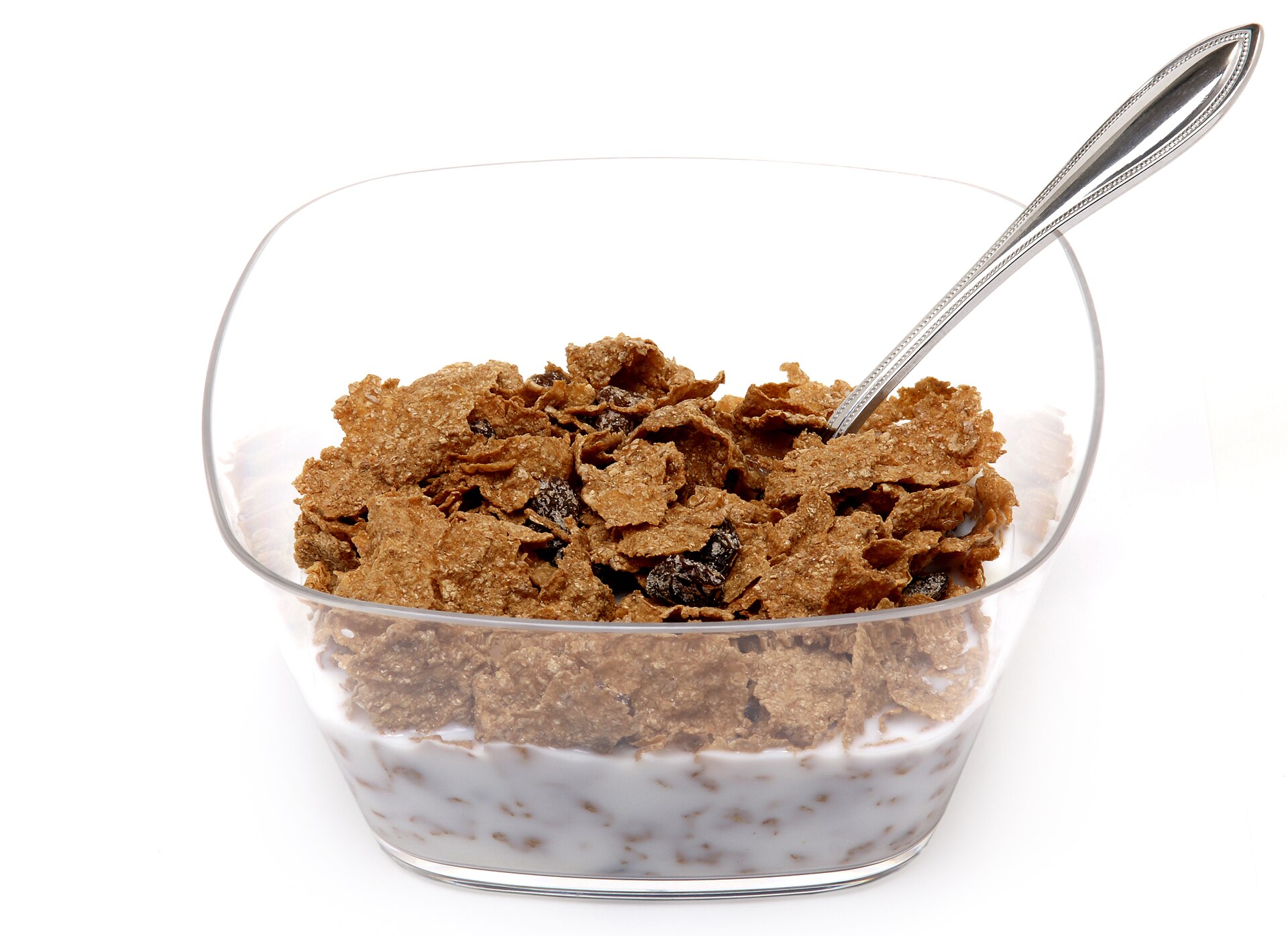
Raisin bran is a cereal of raisins with bran flakes, and the Skinner Manufacturing Company launched Skinner’s Raisin-BRAN in the United States in 1926, according to Wikipedia.
Skinner held the product name for about 17 years until a 1944 appeals court ruling found the name descriptive and not protectable as a trademark. Kellogg’s and Post then began selling their own versions, and Kellogg’s Two Scoops Raisin Bran and Post Raisin Bran remain the best-known brands today. The case shows how a single launch can turn into a whole product category.
6. Froot Loops: Bright rings that all taste the same
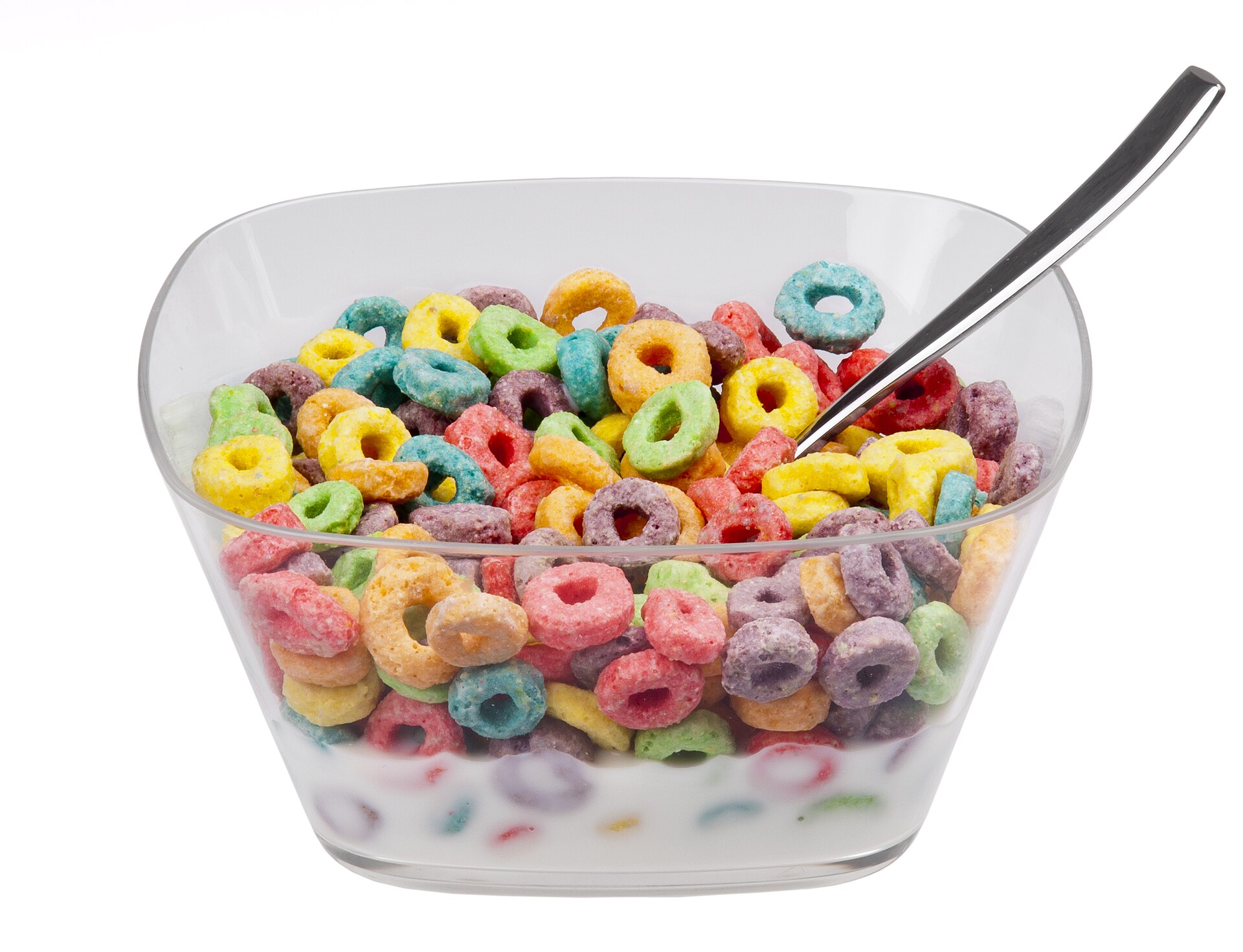
Froot Loops is a sweet, fruit-flavored cereal that Kellogg’s introduced in 1963, according to Wikipedia, and its ring-shaped pieces come in several bright colors.
Every color tastes the same. The mascot is Toucan Sam, a blue cartoon toucan whose bill matches the three original loop colors. WK Kellogg Co sells the cereal in the United States, Canada and the Caribbean, and Kellanova sells it elsewhere. Its arrival came in the same year as Cap’n Crunch, part of a wave of sweetened cereals aimed at children.
7. Grape-Nuts: One of the first ready-to-eat cereals
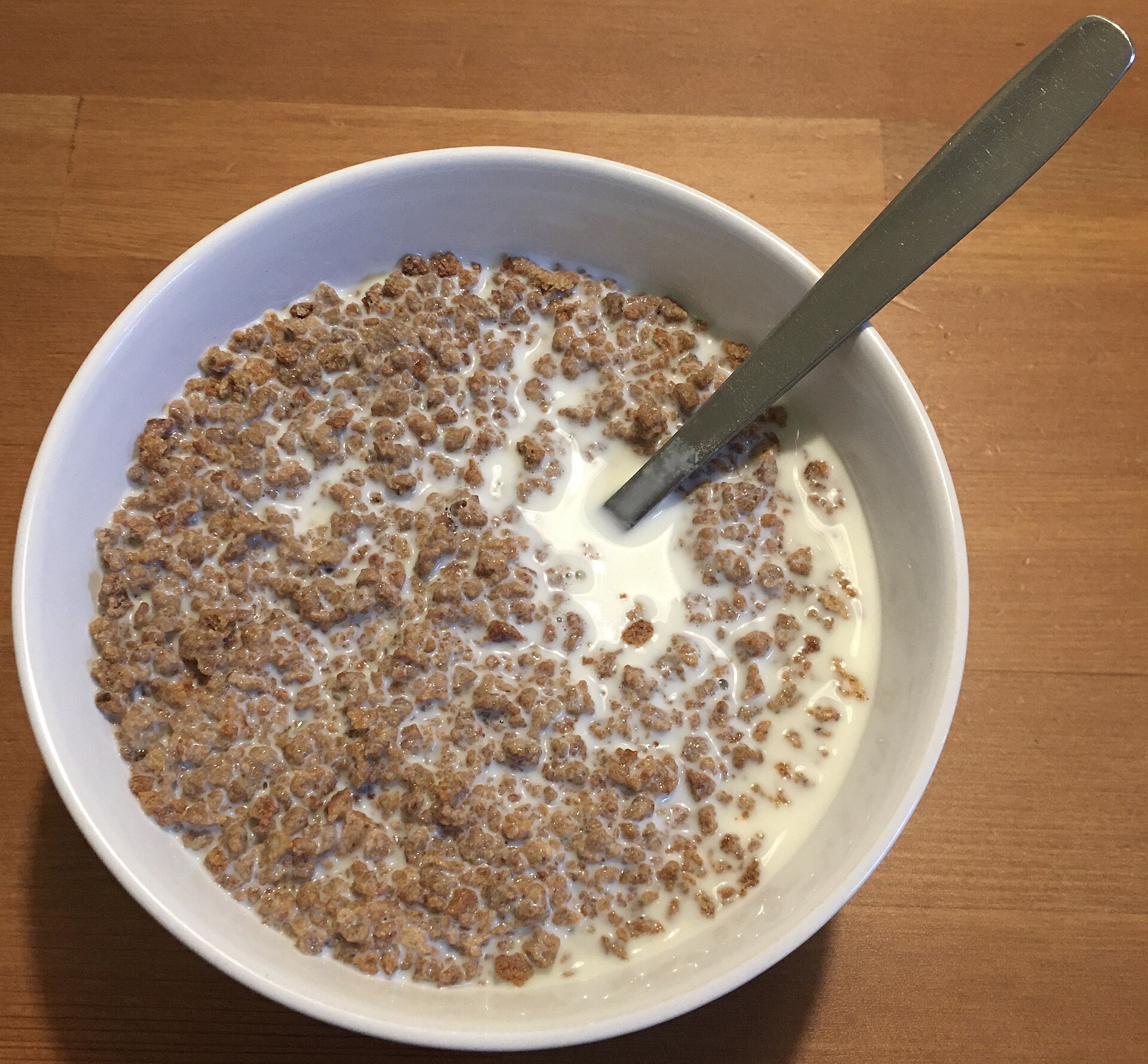
Grape-Nuts was created in 1897 by C.W. Post and is made from wheat and barley, according to the brand.
The name has two explanations. One says Post thought glucose formed during baking was grape sugar and that the cereal’s nutty flavor fit the name, and another links it to the cereal’s resemblance to grape seeds. The cereal contains no grapes or nuts, and Post Consumer Brands calls it one of the first ready-to-eat cereals. Its dense, crunchy pieces set it apart from flaked cereals on the shelf.
8. Lucky Charms: Frosted oats and colored marshmallows
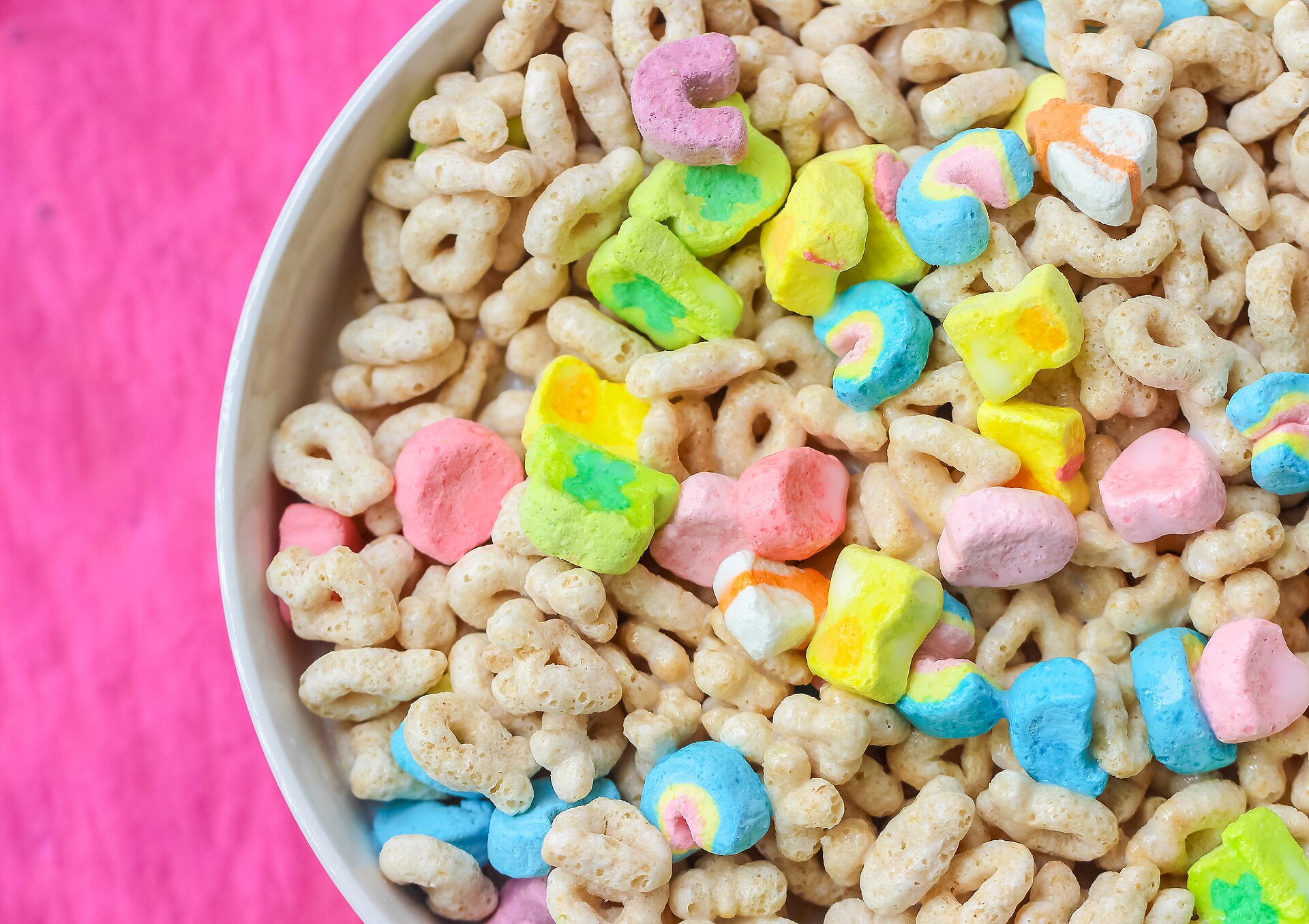
Lucky Charms pairs frosted oats with colored marshmallows, and the brand says it has done so for five decades and counting.
General Mills has marketed the cereal since 1964. Colored marshmallows are a signature part of the cereal alongside the frosted oats, and its mascot is Lucky, a leprechaun the brand describes as clever, playful and mischievous, who lives in a magical forest and hunts for his magical charms while children chase him. The marshmallow shapes have changed over the years as new charms were added.
9. Cap’n Crunch: A cartoon captain and a corn-and-oat crunch
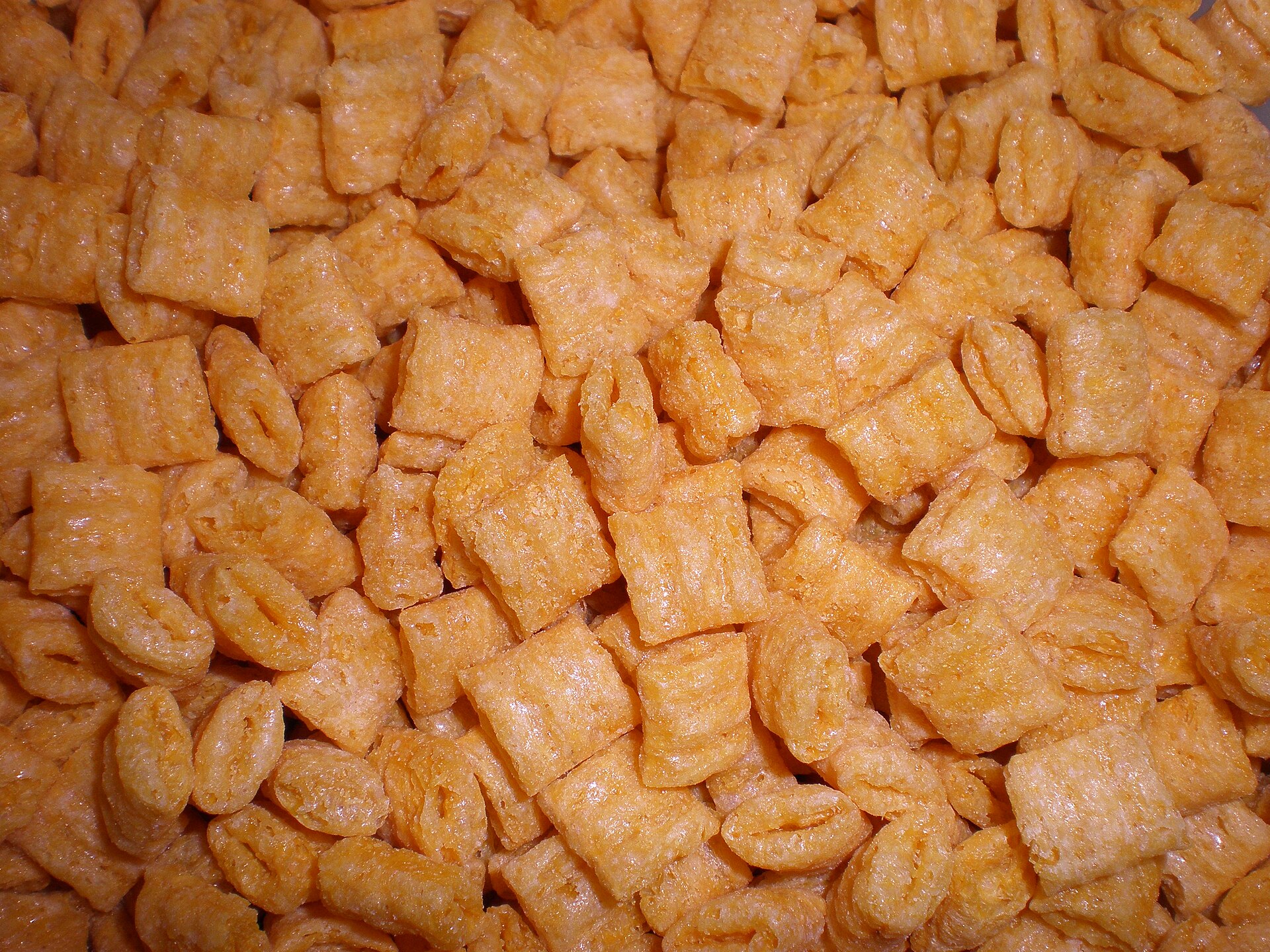
Cap’n Crunch is a sweetened corn and oat cereal that the Quaker Oats Company introduced in 1963, according to Wikipedia.
The mascot is Cap’n Horatio Magellan Crunch, a cartoon naval captain. Jay Ward Productions originally produced the commercials, Allan Burns is credited with creating the character, and Pamela Low, a flavorist at Arthur D. Little, developed the original flavor in 1963. Quaker Oats has been a PepsiCo subsidiary since 2001. The cereal’s sweet crunch has made it a fixture in the cereal aisle for generations.
This article was produced with AI assistance and edited for accuracy against the sources linked above.