An Italian chef’s refusal to put pineapple on pizza has become an international workplace controversy, raising questions about cultural pride, customer demands, and how far employees can go when refusing instructions from their bosses.
Davide Tamburella, a chef who previously worked at La Costa Restaurant and Bar in Brisbane, Australia, was dismissed after repeatedly refusing to prepare ham-and-pineapple pizzas for customers. He believed adding the tropical fruit to a traditional Italian dish insulted his culture.
But the disagreement did not end with his dismissal. Tamburella challenged the decision before Australia’s Fair Work Commission, hoping to pursue a legal claim against his former employer. His application was ultimately rejected because it was submitted outside the required deadline.
The unusual dispute has since reignited one of the food world’s most entertaining arguments: Does pineapple really belong on pizza?
A Customer’s Request Turned Into a Workplace Dispute
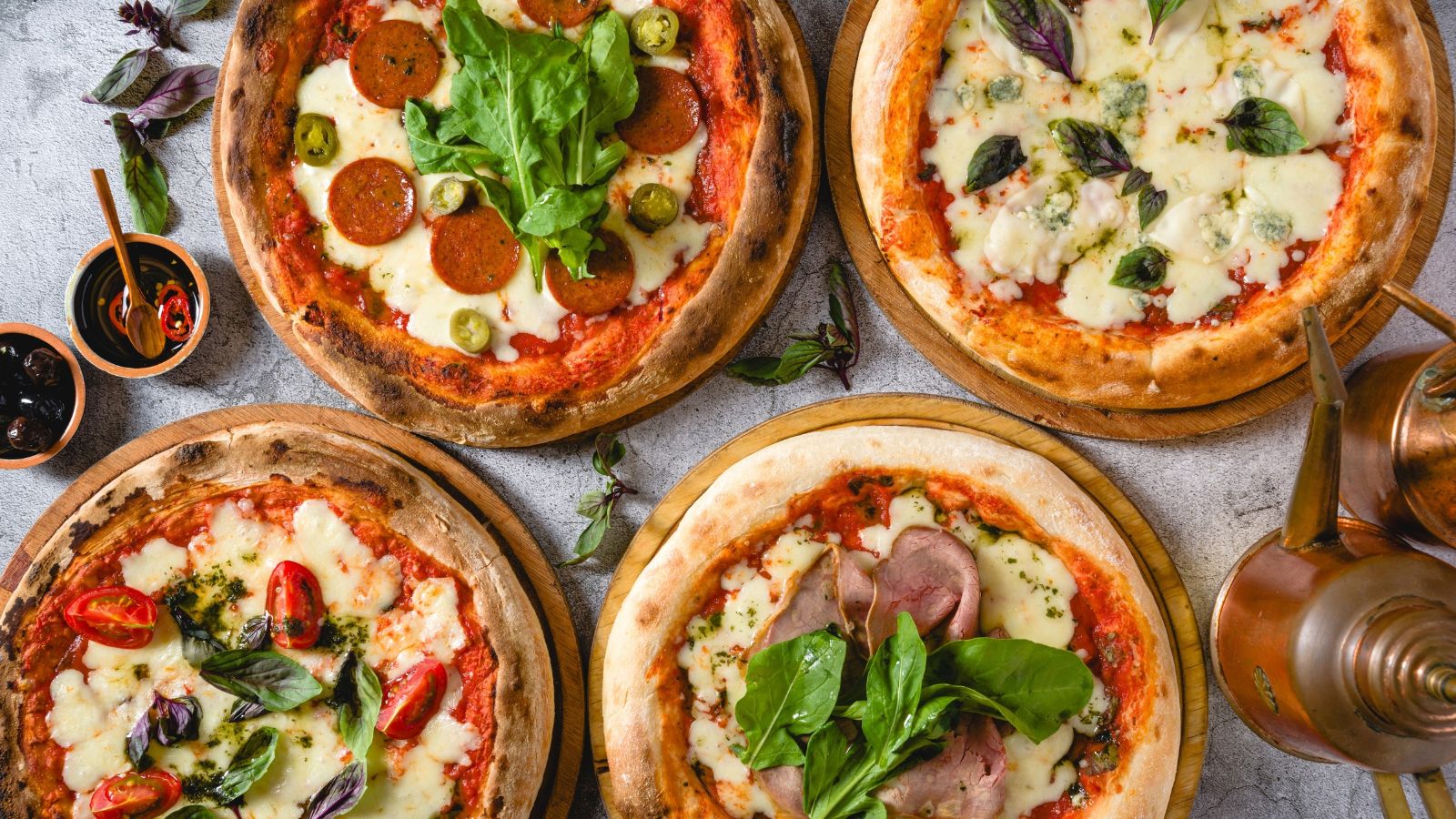
The incident happened at La Costa Restaurant and Bar in Fortitude Valley, Brisbane. Tamburella had worked at the Italian restaurant since January 2023 and was serving as its head chef.
The disagreement came to a head when a customer organized a private function at the restaurant and requested ham-and-pineapple pizzas for the guests.
According to the restaurant’s former managing director, Elliot Ingram, the event was worth more than 15,000 Australian dollars. The customer paying for the function specifically wanted the pizzas included in the menu.
However, Tamburella refused to follow the instruction.
According to the Fair Work Commission’s account of the dispute, the chef believed that adding pineapple to pizza was offensive to his Italian heritage.
He reportedly argued that instructions from management did not need to be followed when they offended his culture.
This was not the first time the chef had objected to the topping. The commission heard that he acknowledged refusing similar instructions on three occasions over four years.
On one occasion, he reportedly asked his employer to investigate how important it was to Italians that pineapple should not be placed on pizza.
For Tamburella, this was about more than personal taste. He believed that traditional Italian food deserved to be treated with respect.
The Restaurant Says There Was More to the Dispute
While the pineapple disagreement attracted most of the public attention, the restaurant’s management insisted that it was not the only reason Tamburella lost his job.
Ingram said several workplace concerns contributed to the decision.
According to the Australian Broadcasting Corporation’s report, management had concerns about the chef’s language, professionalism, leadership and interactions with colleagues.
The commission also noted concerns about his behavior during service and what was described as an escalation of frustration in the workplace.
Ingram later explained that the pineapple incident contributed to the termination decision because management considered the customer’s request reasonable.
He also made it clear that the restaurant was operating in Australia, where Hawaiian pizza is a common menu choice.
The former managing director reportedly acknowledged that pineapple pizza was not necessarily his personal favorite either. However, he believed that restaurants needed to accommodate reasonable customer preferences.
He said customers should be able to enjoy the food they ordered without unnecessary kitchen disagreements.
This highlights an interesting challenge in the restaurant business. Chefs often have strong opinions about ingredients, cooking methods, and traditional recipes, but they also work in an industry where customer satisfaction matters.
A chef may believe a particular combination does not belong on a menu, but restaurant management may see things differently when customers are paying for a specific experience.
The Chef Also Had a Workplace Injury
Another part of the dispute involved an injury Tamburella suffered while working at the restaurant.
According to reports surrounding the Fair Work Commission proceedings, the chef struck a metal handrail at work and fractured two bones in his right hand.
Tamburella later alleged that his dismissal was partly connected to the workplace injury and the circumstances surrounding it.
His former employer disputed that allegation.
The restaurant’s management maintained that the termination was based on workplace performance and conduct concerns, not the injury.
The disagreement eventually became part of the chef’s legal challenge against his former employer.
However, the commission did not proceed to determine all the underlying allegations because of a procedural issue with the application.
Why the Fair Work Commission Rejected His Case
After losing his position, Tamburella took his complaint to Australia’s Fair Work Commission.
He alleged that his dismissal breached protections under the Fair Work Act. He wanted to challenge the circumstances surrounding the termination.
However, one major problem remained: he had submitted his application outside the required time limit.
Under the relevant Australian workplace rules, certain general protections dismissal applications must be submitted within 21 days of the dismissal taking effect.
The Commission considered whether exceptional circumstances justified allowing Tamburella additional time.
Commissioner Jennifer Hunt ultimately decided that the circumstances did not justify an extension.
As a result, the application was dismissed.
Importantly, the commission did not conduct a full hearing to determine whether the pineapple disagreement alone justified firing the chef or whether every allegation surrounding his dismissal was correct.
However, Commissioner Hunt commented that the employer’s stated lawful reasons for the dismissal appeared strong. She also expressed doubts about Tamburella’s prospects of succeeding if the case had proceeded.
The distinction matters because the decision focused on the late application, not a legal ruling that refusing to make pineapple pizza is grounds for dismissal.
Losing His Job Also Affected His Residency Plans
The disagreement’s consequences extended beyond the restaurant kitchen.
Tamburella had been pursuing an employer-sponsored pathway to permanent residency in Australia through a subclass 186 visa.
According to The Guardian’s reporting, he had already spent more than three years in the process.
His employment at La Costa was connected to the sponsorship arrangement.
After his dismissal, the restaurant’s managing director said he delayed notifying authorities that Tamburella was no longer employed, hoping the chef’s permanent residency application would be approved before the sponsorship had to be withdrawn.
That did not happen.
The dismissal therefore disrupted Tamburella’s immigration plans, leaving him facing the prospect of restarting the employer-sponsored process.
For someone who had spent years building a future in another country, this was a significant additional consequence of losing his position.
La Costa Has Since Closed Its Doors
Another twist to the story.
La Costa, the restaurant at the center of the controversy, is no longer operating.
The establishment closed in July 2026 after its lease expired. Ingram attributed the closure to the high cost of running a restaurant in Brisbane’s Fortitude Valley.
The closure means that the restaurant where the disagreement began is no longer serving customers.
Tamburella has reportedly found another position as head chef at an Italian restaurant called Don Gino in Brisbane’s West End.
Interestingly, pineapple does not appear on the new restaurant’s pizza menu, according to reporting by The Guardian.
It remains unclear whether the new workplace will ever ask him to prepare a Hawaiian pizza.
Does Pineapple Really Belong on Pizza?
The controversy has brought an old food debate back into the spotlight.
Hawaiian pizza has been dividing food lovers for decades. Some people enjoy the combination of sweet pineapple, salty ham, and melted cheese, while others believe fruit has no place on a traditional pizza.
Interestingly, Hawaiian pizza did not originate in Italy. Greek-born Canadian restaurant owner Sam Panopoulos is generally credited with introducing the combination at his Ontario restaurant in 1962.
That history helps explain why the dish can mean different things to different people.
For some customers, it is simply another pizza option. For traditionalists, it represents a departure from the recipes and techniques associated with Italian cooking.
Still, the disagreement involving Tamburella raises a bigger question about the relationship between cultural identity and professional responsibilities.
Chefs have every right to take pride in their culinary traditions and defend the food they believe in. However, restaurants also have to consider customer expectations, business decisions, and management instructions.
In this case, a disagreement over one controversial topping became part of a much larger workplace dispute, cost a chef his position, and disrupted his plans for permanent residency.
And while pizza lovers may continue arguing about whether pineapple belongs on pizza, Tamburella’s experience shows that refusing to make one customer’s favorite order can sometimes have consequences far beyond the kitchen.
Editorial accuracy note: The chef’s legal application was dismissed because it was filed late, not because the commission ruled that his cultural objection was invalid. The article preserves that distinction.