Nobody wants to get home from the grocery store only to realize they have run out of ingredients needed to prepare a simple meal. Keeping a few dependable pantry staples on hand can make everyday cooking easier, reduce unnecessary shopping trips, and help households manage their grocery budgets.
While concerns about food shortages sometimes encourage people to buy more than they need, there is no reason to panic or empty supermarket shelves. A more practical approach is to build a small collection of foods your household already eats, especially items that store well for extended periods.
Some pantry staples are useful because they can be combined into several different meals. Others provide convenient alternatives when fresh ingredients are unavailable, or grocery shopping has to wait.
Here are 10 foods worth considering during your next grocery trip.
Rice
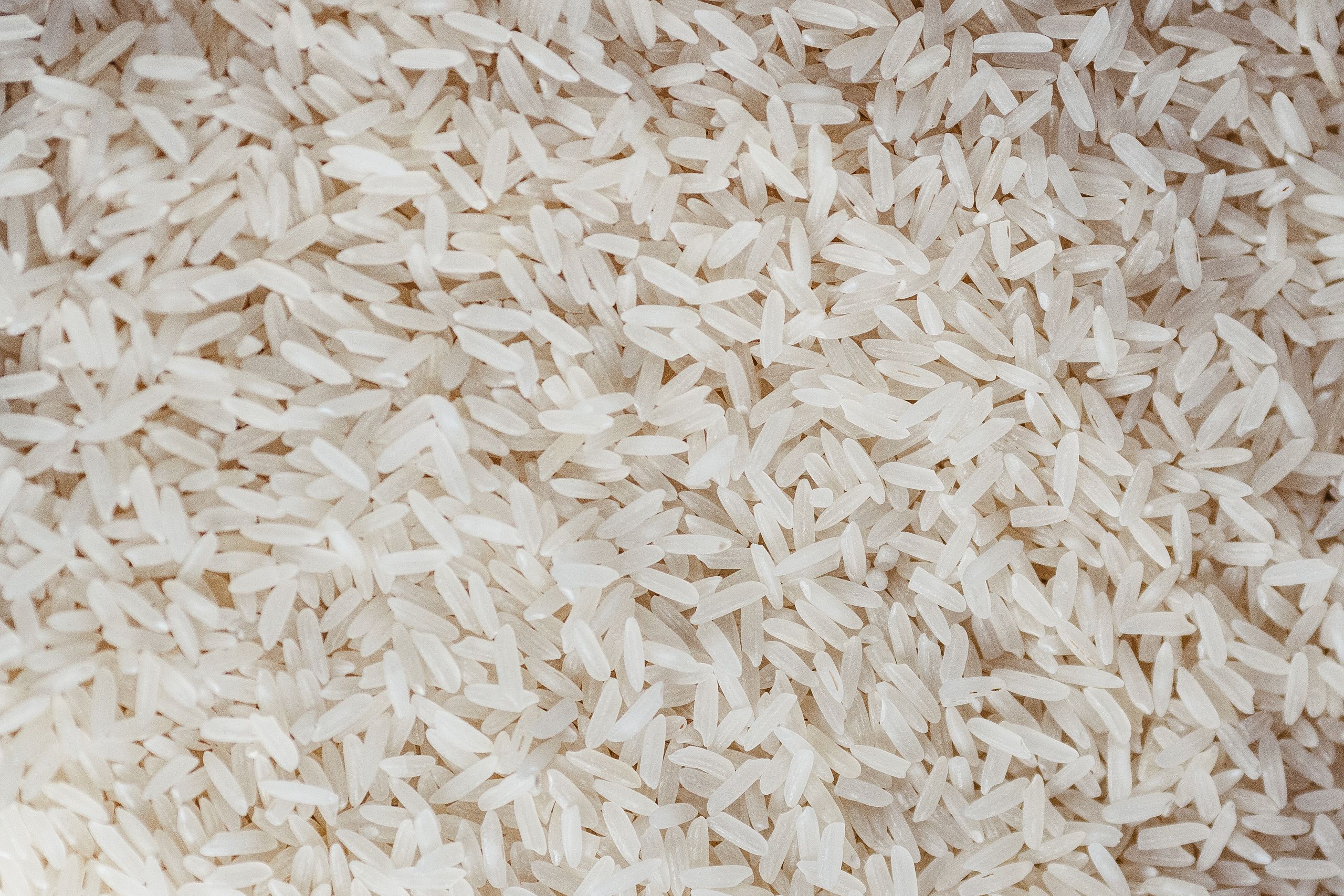
Rice is one of the most versatile pantry staples because it pairs with many different meals. It works with vegetables, beans, soups, stews, and other dishes, making it useful for households that prepare meals regularly.
Uncooked white rice can last a long time when kept in a cool, dry place inside a properly sealed container. Brown rice generally has a shorter storage life because its natural oils can become rancid.
Instead of buying more than your household can reasonably use, consider purchasing a bag that matches your normal consumption. Proper storage helps protect it from moisture and insects.
Oatmeal
Oats are another useful food to keep on hand because they can be a breakfast staple or an ingredient in other recipes.
You can prepare them with milk or water and add fruits, nuts, or other toppings. Oats can also be used in baking and homemade snacks.
Buying a larger container may offer better value than purchasing several small individual packets. However, check the price per ounce before deciding which package is the better deal.
Keep oats in an airtight container in a dry cupboard to protect them from moisture and pests.
Dried Beans and Lentils
Beans and lentils are practical pantry choices because they can be used in soups, stews, rice dishes, and other filling meals.
Dried varieties are often economical, particularly when purchased in larger quantities. They can also remain usable for extended periods when stored properly.
Before purchasing, consider the types your household actually enjoys eating. Buying unfamiliar foods simply because they are inexpensive can lead to waste.
Store dried beans and lentils in tightly sealed containers, and follow the preparation instructions before cooking. Canned beans are another convenient option when time is limited.
Pasta
Pasta is useful when you need to prepare a meal without relying on several fresh ingredients.
It can be served with tomato sauce, vegetables, beans, or canned protein. Different shapes also let you prepare a variety of dishes without changing the basic ingredients much.
Dry pasta is generallyshelf-stable when unopened and stored in a cool, dry cupboard. Check the packaging for storage instructions and avoid products with damaged seals or signs of moisture.
Buying a few packages during a supermarket sale can help reduce future grocery expenses, provided you have enough storage space.
Canned Vegetables
Canned vegetables can make meal preparation more convenient, especially when fresh produce is unavailable or needs to be used quickly.
Corn, green beans, peas, carrots, and tomatoes are examples of vegetables that can be incorporated into soups, rice dishes, and stews.
They are particularly useful because they are already processed and packaged for storage. Compare brands and check the labels for sodium content if that matters to your household.
Keep unopened cans in a cool, dry cupboard. Avoid cans that are bulging, leaking, badly dented or rusted.
Canned Fruits
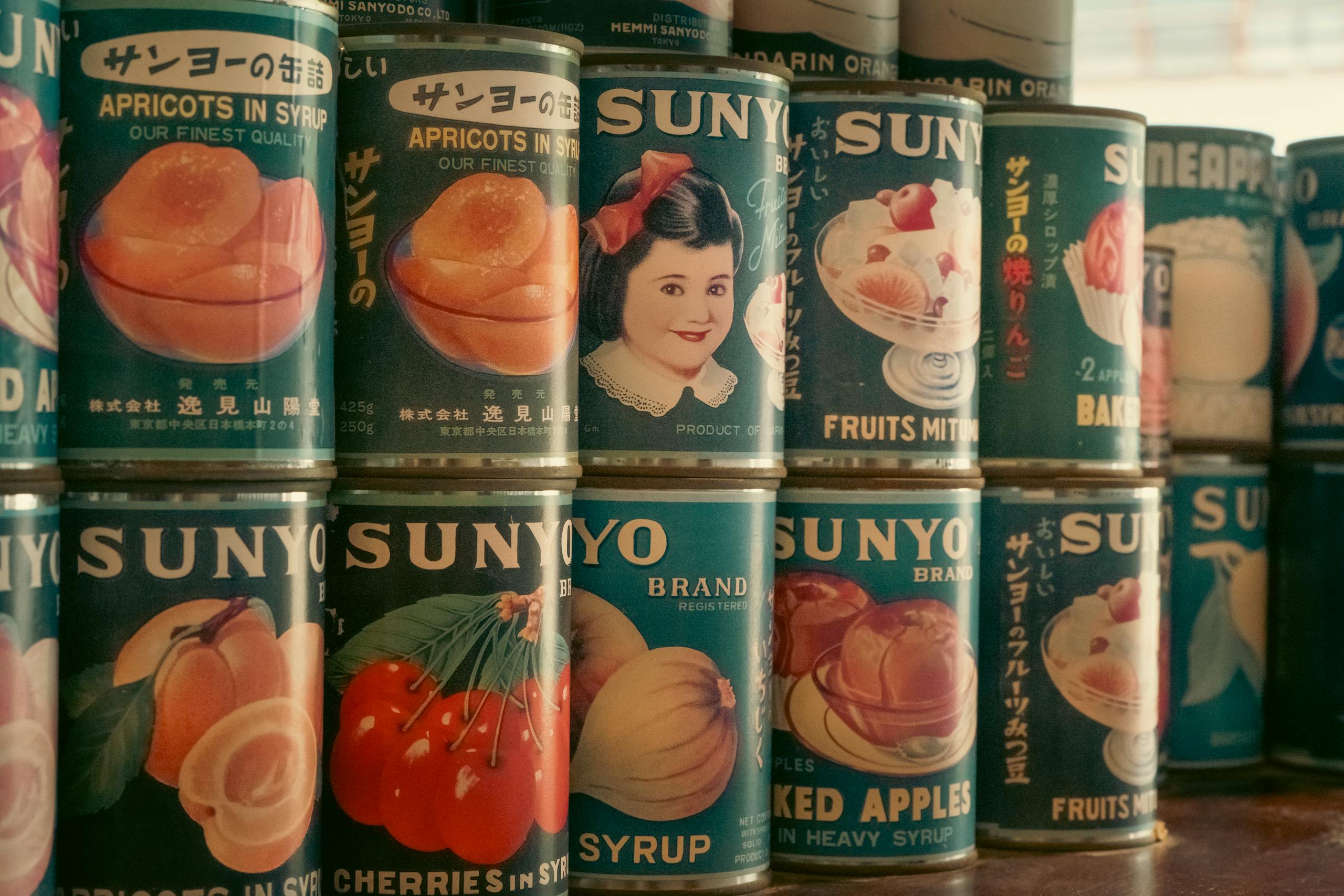
Canned fruit can provide another option when fresh fruit is expensive, unavailable or difficult to store.
Peaches, pineapple, pears and other varieties can be eaten as snacks or added to breakfast dishes and desserts.
When comparing products, check whether the fruit is packed in water, fruit juice, or syrup. Products packed in water or juice may be preferable for shoppers trying to limit added sugar.
Choose package sizes your household can finish after opening, since leftover canned fruit usually needs refrigeration.
Canned Fish and Chicken
Canned tuna, salmon, chicken, and similar products provide convenient protein without requiring fresh meat every day.
They can be used in sandwiches, salads, pasta dishes, and quick meals. Their convenience makes them useful for busy households that want alternatives to cooking fresh meat at every meal.
Compare the cost per serving rather than assuming that larger packages are always cheaper. Also check the expiration or best-before information and follow the storage instructions on the label.
Peanut Butter
Peanut butter is another versatile pantry staple you can use for breakfast, snacks, and simple recipes.
You can spread it on bread, add it to oatmeal, or use it in sauces and baking. Because it is calorie-dense, a relatively small serving can also make a snack more filling.
Compare different brands by looking at package size, ingredients, and price. If your household doesn’t use peanut butter regularly, there is little reason to buy several containers at once.
Once opened, follow the manufacturer’s storage instructions to maintain its quality.
Powdered or Shelf-Stable Milk
Milk is an ingredient many households use regularly, but fresh milk requires refrigeration and has a limited storage period.
Powdered milk and certain shelf-stable milk products provide alternatives that can be stored before opening, according to their packaging instructions.
They can be useful for breakfast, baking, beverages, and recipes that require milk.
Before purchasing, compare the cost of the amount you will actually prepare with the price of fresh milk. Also check whether the product needs refrigeration after opening.
Cooking Oil
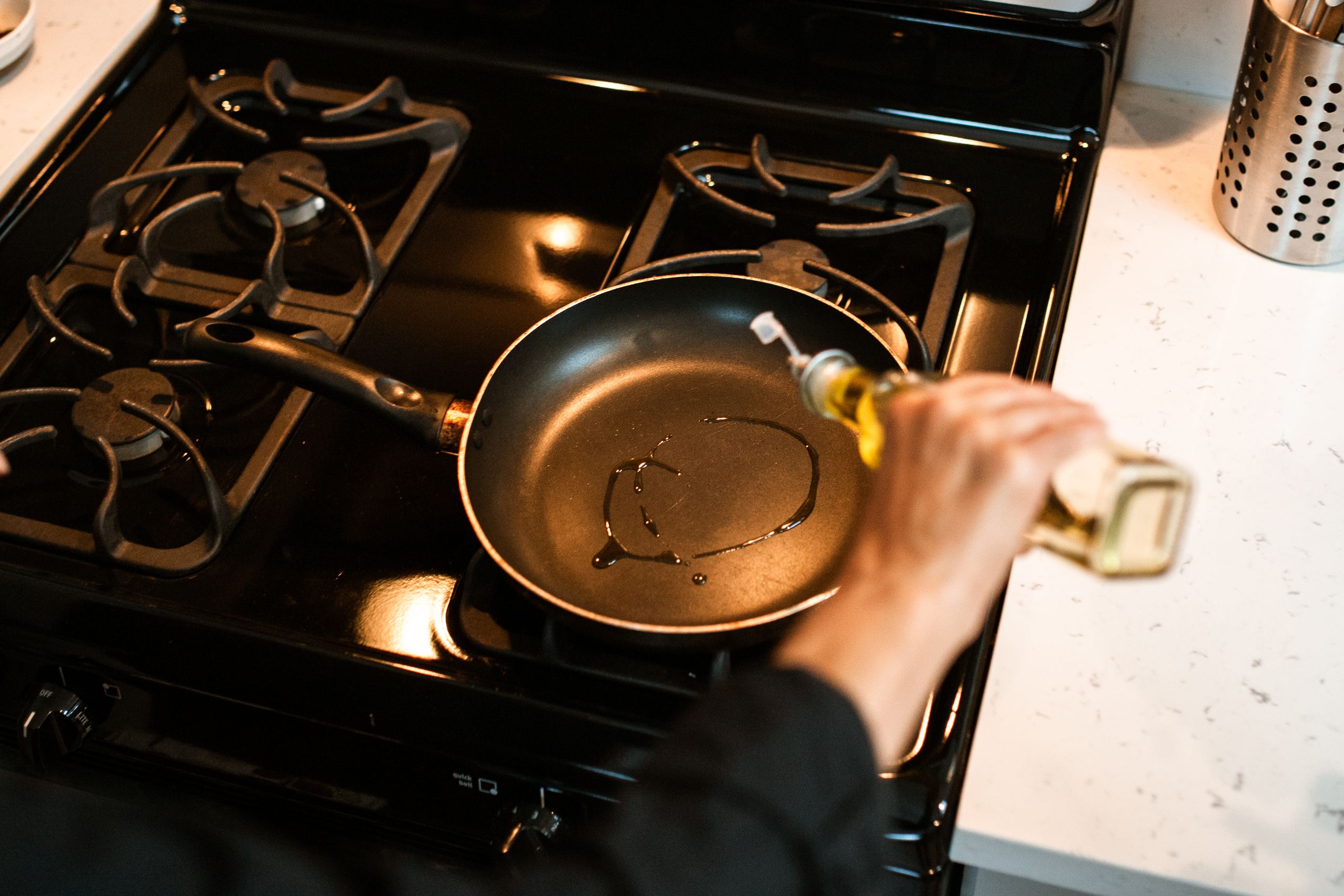
Cooking oil is a basic ingredient used in many everyday recipes, from sautéing vegetables to preparing sauces and baked dishes.
Keeping a suitable quantity available can reduce the need for emergency shopping when you are preparing meals.
However, don’t buy oil in excessive quantities just because it is on sale. Heat, light, and poor storage conditions can affect its quality over time.
Choose a package size your household can use within a reasonable period and follow the manufacturer’s storage recommendations.
How to Stock Your Pantry Without Overspending
Having useful pantry foods on hand doesn’t mean buying everything at once. Start by checking what you already have at home and identifying the ingredients you use most often.
Make a shopping list based on meals you regularly prepare. Compare package sizes and prices, and look for discounts on products that your household will actually consume.
Also, store food correctly. It is recommended to keep emergency food supplies in a cool, dry, and dark location, checking dates and using older supplies before replacing them.
A simple rotation system can help prevent forgotten packages from sitting at the back of a cupboard until they are no longer suitable for use.
The goal is not to prepare for a shortage that may never happen. It is to make grocery shopping more organized, reduce food waste, and ensure that a few dependable ingredients are available when you need them.