Millennials have spent years getting roasted online for everything from their skinny jeans to their overly enthusiastic social media posts. But what if some of that embarrassing optimism actually has a deeper story?
Rep. Alexandria Ocasio-Cortez has offered an explanation that goes far beyond internet jokes. Following Democrats’ victories in the November 3, 2026, midterm elections, the New York congresswoman shared a message about why millennials sometimes seem determined to believe that anything is possible.
Her explanation took younger Americans back to one unforgettable moment in 2008, when Barack Obama became the first Black president of the United States.
And suddenly, the generation famous for being a little too enthusiastic had a different story to tell.
AOC Had a Message for Gen Z After the Election
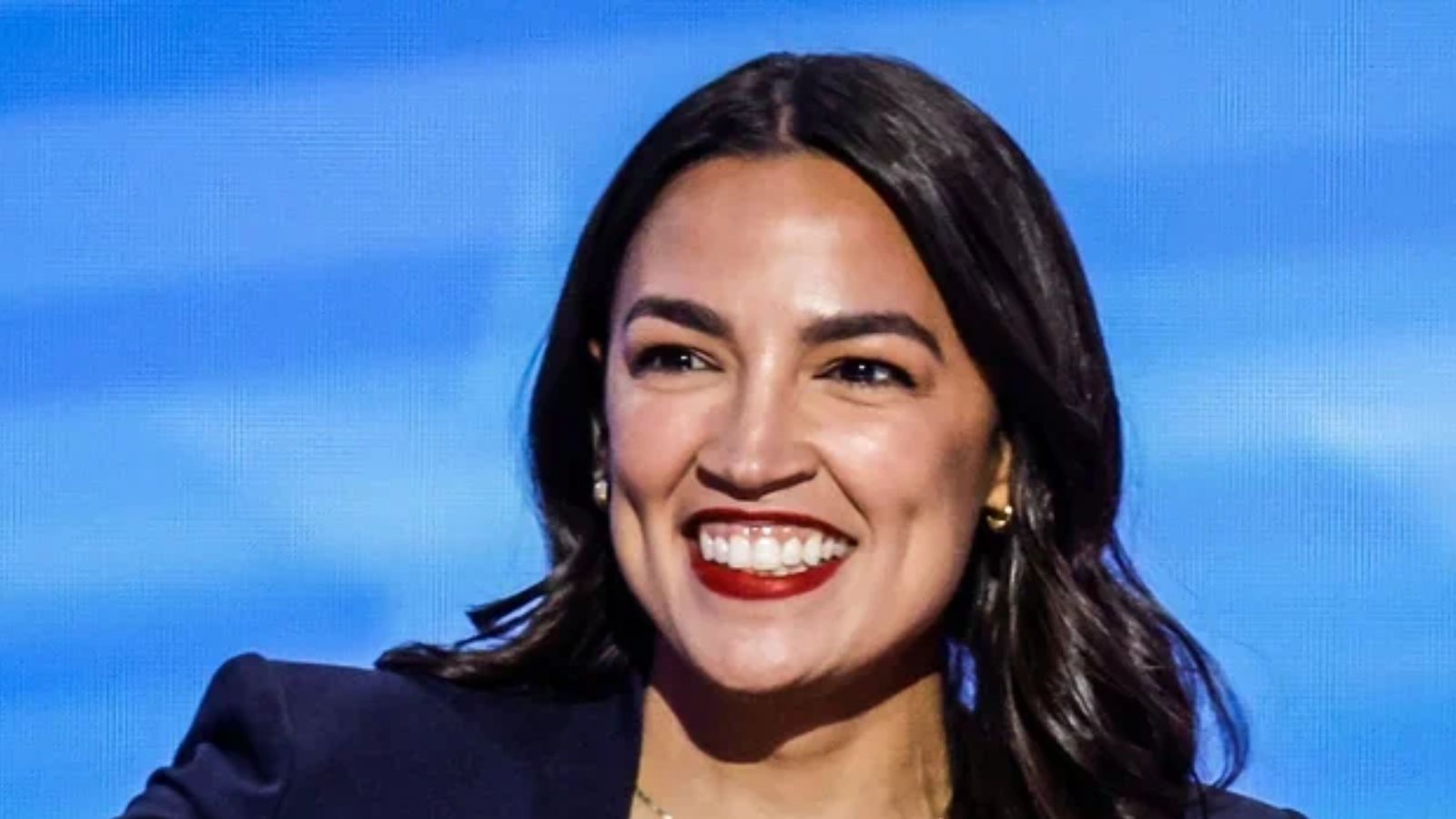
On November 4, 2026, Ocasio-Cortez posted an Instagram Story addressing Gen Z directly.
Democrats had celebrated significant victories in the previous day’s midterm elections, creating excitement among supporters who saw the results as an opportunity for political change.
Rather than simply celebrating those victories, Ocasio-Cortez used the moment to explain something about her own generation.
She wanted younger voters to imagine how they might feel if the excitement they experienced after one election became one of the defining memories of their early adulthood.
Then she asked them to imagine something even bigger.
What if that election also brought a historic first to the White House? And what if they had experienced it during their earliest years of participating in democracy?
That, she suggested, was part of the story behind the optimism that younger internet users sometimes dismiss as millennial cringe.
The 2008 Election Changed How Many Young People Viewed Politics
To understand her point, it helps to return to November 2008.
Barack Obama’s presidential victory was historic. For many young Americans, it also introduced them to the possibilities of political participation.
Ocasio-Cortez was 19 when Obama won the election, placing her among the young adults who experienced that moment firsthand.
The enthusiasm among younger voters was measurable.
According to a Pew Research Center analysis published in November 2008, Obama received 66% of the vote among Americans younger than 30. Republican candidate John McCain received 31%.
The difference between younger voters and older age groups was particularly notable.
Pew found that the generational voting gap was larger than in any previous presidential election since exit polling began in 1972.
For comparison, Democratic presidential candidate John Kerry had received 54% of the under-30 vote in 2004.
Those figures help explain why Obama’s victory mattered so much to many young voters.
They had supported a candidate who promised change, watched him win, and witnessed a historic milestone unfold.
For some, that experience became a lasting reference point for what political involvement could accomplish.
Maybe Millennial Cringe Was Optimism All Along
The internet has developed an impressive collection of jokes about millennials.
There are the pumpkin spice lattes, the endless references to adulting, the enthusiastic captions, and the occasional expressions that younger generations would rather leave behind.
Much of that behavior gets grouped under the label millennial cringe.
But Ocasio-Cortez was not particularly interested in defending fashion choices or outdated internet slang.
She was talking about earnestness.
She argued that some of the sincerity younger people find embarrassing may come from growing up during a period when major political change seemed possible.
Imagine participating in an election early in adulthood and seeing something historic happen.
Then imagine carrying that experience into the rest of your life.
It becomes easier to understand why someone might remain unusually hopeful, even when circumstances become difficult or disappointing.
In her remarks, as reported by BuzzFeed, Ocasio-Cortez described the lasting desire to experience that excitement again.
Of course, this is her interpretation of a generational attitude, not a universal explanation of millennial behavior.
Not every millennial voted for Obama. Many were too young to vote in 2008, and others supported different candidates.
Still, her comparison offers a more thoughtful perspective on an internet joke that usually gets very little serious attention.
One Line Made the Message Especially Personal
Among the remarks reported from the Instagram Story, one particularly memorable line stood out.
“You are chasing that feeling ever since.”
It is a simple observation, but it captures the emotional center of her message.
Ocasio-Cortez was describing what happens when an early experience creates lasting expectations about the world.
A memorable success can become something people measure later experiences against.
The feeling does not necessarily disappear when the political environment changes or when subsequent elections produce disappointing results.
Instead, some people continue looking for another moment that brings the same excitement.
That is a different way of understanding millennial enthusiasm.
What looks like excessive optimism to someone watching from the outside might reflect a memory of a time when optimism seemed justified.
It does not mean millennials are naturally more hopeful than Gen Z, or that everyone born in the same generation shares identical experiences.
It simply adds a little history to a familiar cultural stereotype.
Millennials Recognized the Feeling She Was Describing
Ocasio-Cortez’s comments also prompted responses from people who remembered the atmosphere surrounding Obama’s victory.
According to indy100, journalist Eric Garcia reflected on turning 18 shortly after the 2008 election.
He had narrowly missed the chance to vote, yet still remembered the moment’s significance.
His response suggested that the emotional impact reached beyond those who had actually cast ballots.
Amanda Litman, identified by indy100 as president of Run for Something, also connected millennial attitudes with a lasting belief that circumstances could improve.
These reactions do not establish that an entire generation agreed with Ocasio-Cortez.
They do, however, illustrate why her remarks resonated with some people who remembered the election.
For those individuals, 2008 was more than a political contest.
It represented a period when they could imagine themselves participating in something larger than their everyday lives.
Her Message Wasn’t Really About Which Generation Is Better
The most interesting part of Ocasio-Cortez’s explanation is that she did not need to portray Gen Z as cynical or millennials as superior.
Instead, she connected two generations through experiences of political excitement.
Younger voters celebrating the 2026 midterms could recognize the enthusiasm that many older voters felt in 2008.
Millennials could also see their own earlier experiences reflected in a new generation’s celebrations.
That comparison turns a familiar online rivalry into something more constructive.
Different generations may use different slang
, wear different clothes, and disagree about what deserves to be mocked.
But enthusiasm for participating in an important moment isn’t exclusive to any age group.
Ocasio-Cortez ended her message by encouraging people to keep participating.
And perhaps that is what makes her explanation memorable. Behind some of the internet’s most embarrassing expressions of optimism, there may simply be people who once saw history change and never stopped believing it could happen again.
The Post: AOC Explains Why Millennials Are So “Cringe,” and Her Message to Gen Z Hits Surprisingly Deep first appeared on Timeless Dishes