There was a time when the food was almost as memorable as the destination. A roadside picnic table became a family dining room, an orange-roofed restaurant promised ice cream, and a cold soda from a glass bottle felt like a small reward after hours on the highway.
American road-trip food has a surprisingly rich history.
According to the National Park Service, Ohio opened its first roadside park in 1935 and its first interstate rest area in 1958. Meanwhile, Howard Johnson’s became famous for 28 ice cream flavors, and Sonic introduced its drive-in experience during the 1950s.
These weren’t simply places to eat. They helped shape the way Americans traveled.
Some traditions remain popular today, while others belong more closely to another era. Here are ten old-fashioned road-trip food habits that deserve a little nostalgia.
Packing a Picnic Lunch Instead of Buying Food Along the Way
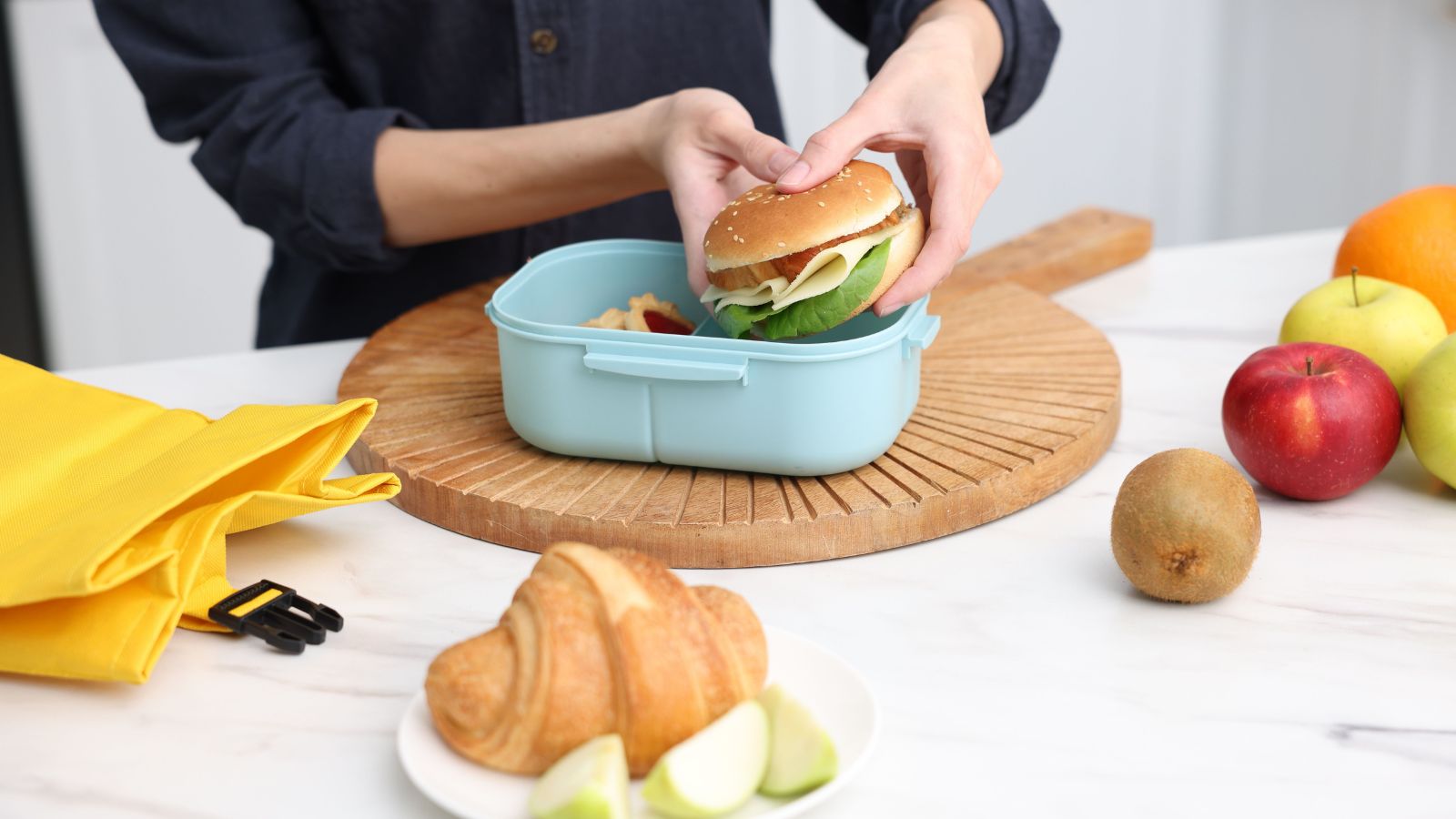
Before every highway stop offered familiar restaurant options, bringing a meal from home was practical road travel.
Families could pull into a roadside park, spread out their food, and enjoy a break from driving.
According to the National Park Service, Ohio opened its first roadside park in 1935.
By 1958, the state had introduced its first interstate rest area, offering expanded facilities that included picnic tables.
These spaces turned a simple packed lunch into a roadside experience.
And the tradition hasn’t disappeared. National parks still provide designated picnic areas for travelers who prefer bringing their own meals.
Sometimes the best restaurant is simply a table with a beautiful view.
Loading a Heavy Metal Cooler Into the Family Car
A road trip wasn’t complete without somewhere to keep drinks and packed food cool.
Before today’s many portable cooler designs, sturdy metal ice chests were a familiar solution. Coleman traces its classic steel-belted cooler design to 1954.
The company even sells a modern vintage-style version inspired by that original appearance.
The appeal was simple: travelers could carry their own refreshments instead of buying everything along the highway.
Of course, the original 1954 cooler shouldn’t be confused with today’s versions, which incorporate modern features.
But the familiar metal design still reminds us that packing the car was almost a ceremony of its own.
Pouring Drinks From a Trusty Vacuum Bottle
Long before modern insulated tumblers became everyday accessories, travelers had another dependable companion: the vacuum bottle.
According to Thermos’ company history, its consumer vacuum-bottle business dates to 1904.
By 1923, the company had introduced a pint-sized Blue Bottle and a gallon-sized insulated Jumbo Jug.
These containers offered a convenient way to carry beverages without constantly stopping to buy another drink.
For someone planning a long journey, that convenience had obvious appeal. The technology may look familiar today, but its history stretches back more than a century.
Sometimes the supposedly modern travel essential is simply an old idea wearing a fashionable new outfit.
Ordering Food From a Carhop Without Leaving the Car
There’s something wonderfully theatrical about pulling into a parking space and having your meal brought directly to the window. That was the magic of the classic American drive-in.
Sonic traces its beginnings to a hamburger and root-beer stand called Top Hat in Shawnee, Oklahoma, in 1953.
The business adopted the Sonic name in 1959. Its drive-in format used curbside speakers that allowed customers to order from their parked cars, followed by personal carhop service.
That’s different from today’s familiar drive-through line, where drivers move between ordering and pickup windows.
The tradition isn’t entirely gone. Sonic still describes carhop service as part of its restaurant experience.
Watching for Howard Johnson’s Famous Orange Roof
For generations of American travelers, a bright orange roof was a welcome sight. It meant Howard Johnson’s was nearby, offering familiar restaurant meals and an impressive selection of frozen treats.
The chain became particularly associated with its signature 28 ice cream flavors.
According to historical reporting and Smithsonian Libraries’ records, the orange-roofed restaurants became recognizable landmarks along American highways.
Period advertising also promoted fried clams and full-service meals. The distinctive architecture helped travelers recognize the brand before reaching the parking lot.
For many, the excitement wasn’t only about choosing an ice cream flavor. It was spotting that orange roof in the distance.
Checking a Printed Guide Before Choosing Where to Eat
Old-fashioned road trips weren’t equally carefree for every American family.
During segregation, Black motorists often needed reliable information about restaurants and other establishments where they would be welcomed.
That need inspired The Negro Motorist Green Book, which Victor Hugo Green founded in 1936.
The Library of Congress preserves historical editions documenting restaurants, lodging, gas stations, and other businesses that served Black travelers.
For those motorists, choosing a meal stop involved considerations far more serious than finding the tastiest sandwich. The Green Book helped travelers plan journeys amid discriminatory practices.
Its history reminds us that the American road-trip experience differed depending on who was traveling.
Sitting Down at a Roadside Diner for a Full Meal
Sometimes the journey deserved more than a snack eaten behind the steering wheel.
Historic roadside diners and cafés offered travelers a chance to sit down and enjoy a proper restaurant meal.
One remarkable example is the Ariston Café in Litchfield, Illinois. According to the National Park Service, the restaurant opened at its Route 66 location on July 5, 1935.
Its surviving 1938 menu listed a porterhouse steak for 85 cents and a bacon, lettuce, and tomato sandwich for 25 cents.
Those prices are historical figures, not proof that dining out was more affordable relative to earnings. Still, the menu offers a fascinating glimpse into roadside dining nearly nine decades ago.
Buying Gasoline and Lunch at the Same Stop
Today’s combination of fuel stations and food outlets has surprisingly old roots. Along historic Route 66, businesses frequently combined gasoline sales with restaurant service.
The National Park Service documents how roadside establishments used different services to attract passing motorists.
The Ariston Café even installed two gas pumps outside its restaurant during its early years.
Another example is Dell Rhea’s Chicken Basket, which began in the 1930s as a lunch counter attached to a service station.
For drivers, the arrangement was wonderfully convenient. One stop could serve both drivers and hungry passengers. It’s a simple business idea that helped shape American highway dining.
Buying a Regional Candy Treat at a Roadside Stand
Some road-trip snacks became traditions all their own. Stuckey’s offers one of the best-known examples.
According to the company’s official history, the business began as a roadside pecan stand in Eastman, Georgia, in 1937.
Ethel Stuckey later began making and selling candies, including the company’s famous pecan log roll.
By 1948, the business had expanded into a candy plant. These sweets became closely associated with Stuckey’s highway identity.
A candy stop wasn’t merely about satisfying a craving. It could become a familiar part of the journey, complete with souvenirs and treats to share.
The pecan log roll turned an ordinary roadside purchase into a memorable travel ritual.
Getting a Cold Soda From a Glass-Bottle Vending Machine
Long before large plastic bottles became familiar sights, Coca-Cola vending machines dispensed drinks in small glass bottles.
According to The Coca-Cola Company’s historical account, early machines were designed around the standard 6½-ounce contour bottle.
The technology evolved as beverage selections expanded. In 1960, Westinghouse introduced a vending machine capable of handling different products, bottles or cans, and multiple prices.
Those developments changed the roadside refreshment experience. For travelers accustomed to glass bottles, the sound and appearance of a cold soda emerging from a machine became part of the ritual.
A small bottle offered a simple pleasure before the journey continued.
The Road-Trip Food Traditions That Still Bring Back Memories
From the first roadside parks of 1935 to Sonic’s carhop service in the 1950s, America’s highway food traditions reveal how travel and dining developed together.
Some habits, including packing coolers and enjoying picnics, still shape modern journeys. Others, such as consulting the Green Book during segregation, belong to a difficult and important chapter of American history.
These ten examples aren’t proof that every family traveled the same way. Different decades, regions, budgets, and personal circumstances shaped the experience. But they capture something special about road-trip food.
Sometimes the meal wasn’t simply a break from the journey. The meal was one of the reasons the journey became unforgettable.