Some experiences divide life into two chapters: before they happened and after. A woman may wake up one morning expecting an ordinary day, only to discover that something is about to change her responsibilities, relationships, or plans for the future.
Sometimes, that change brings happiness. Other times, it brings heartbreak, uncertainty, or responsibilities she never imagined carrying.
Becoming a mother, losing someone close, ending a marriage, or stepping away from a lifelong career can all reshape everyday life. But these experiences don’t affect every woman in the same way, and change doesn’t always mean suffering.
Research suggests that major life transitions can influence identity, routines, relationships, and financial circumstances. Here are seven experiences that can leave a lasting impression on a woman’s life.
Becoming a Mother and Realizing Life Is No Longer Just About Her
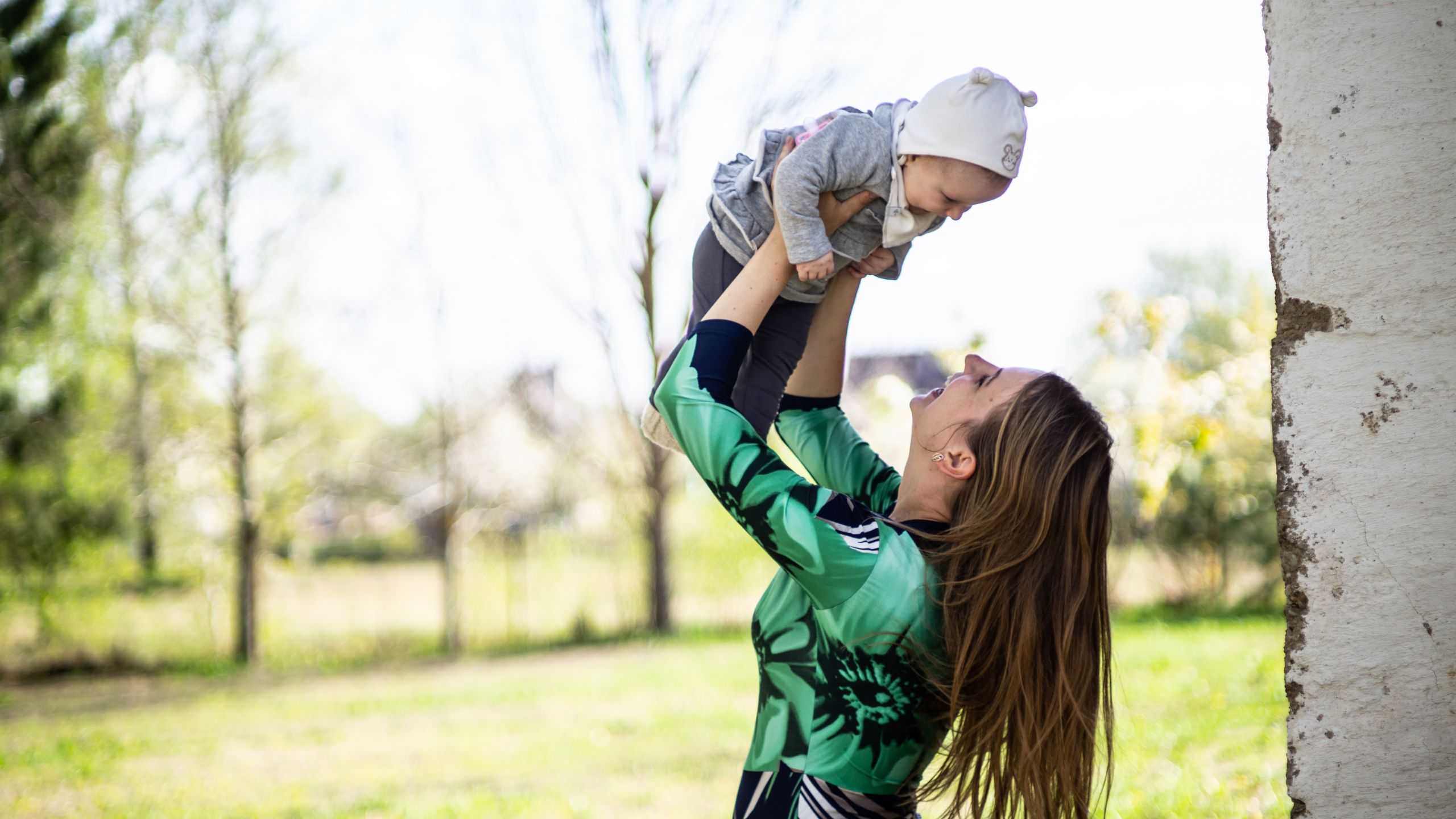
Few experiences can change a woman’s everyday responsibilities as dramatically as becoming a parent. Suddenly, decisions about time, money, work, and personal priorities must account for another person’s needs.
A peaceful morning might become a rush of school preparations, while a carefully planned weekend may revolve around a child’s activities.
But motherhood isn’t simply a story of sacrifice. According to a 2023 Pew Research Center report, 88% of mothers with children younger than 18 described being a parent as the most important or one of the most important aspects of their identity.
The same research found that 83% considered parenting enjoyable all or most of the time, while 47% described it as tiring that often. Those findings capture something important: motherhood can be deeply rewarding and demanding at the same time.
For some women, the transition involves discovering new priorities. Others work hard to maintain their previous interests and ambitions while raising children.
And motherhood isn’t a requirement for a meaningful or complete life. It is simply one major experience that can transform the routines and responsibilities of women who choose or enter parenthood.
Losing Someone She Thought Would Always Be There
There are losses that change more than the number of people around the dinner table. Losing a parent, partner, sibling, close friend, or another deeply loved person can alter the familiar rhythm of everyday life.
The phone call someone used to make every evening may no longer happen. Holidays may feel different, and ordinary household decisions may suddenly become reminders of the person who is gone.
According to the National Institute on Aging, grief can affect emotions, concentration, sleep, and daily functioning. When a spouse or partner dies, the surviving person may also need to take over responsibilities that were previously shared.
But grief doesn’t follow a universal schedule. Some women find comfort in maintaining familiar traditions, while others gradually develop new routines. Feelings can change over time, and meaningful memories may remain important for years.
Losing someone doesn’t mean a woman can never experience happiness again. It means that a relationship that once shaped her daily life may continue to influence how she experiences the world, even after that person is gone.
Ending a Marriage and Having to Rebuild Her Life
Divorce isn’t simply the end of a romantic relationship. For many women, it can also mean reorganizing finances, living arrangements, parenting responsibilities, and plans for the future.
A home that once supported two adults may need to be maintained on one income. Shared friendships can change, and familiar routines may no longer make sense.
Research on divorce later in life shows how substantial these adjustments can be. A U.S. longitudinal study examining divorce after age 50 found that women’s standard of living, measured using an income-to-needs ratio, declined by an average of 45% following divorce.
For men, the corresponding decline was 21%. These findings concern divorce later in life, not every divorce at every age, and individual financial outcomes vary widely. Still, they reveal why separation can involve more than emotional disappointment.
For some women, divorce brings uncertainty and financial pressure. For others, it creates relief, independence, or an opportunity to build a different future. The experience doesn’t have to be described as a failure to recognize how significantly it can change someone’s life.
Becoming the Person Everyone Depends On
There can come a time when a woman realizes she has become the person responsible for keeping someone else’s daily life running.
Perhaps an aging parent needs assistance with appointments and household tasks. Maybe a partner develops a condition requiring ongoing support. What begins as occasional help can turn into a sustained caregiving role.
The U.S. Office on Women’s Health recognizes that caregiving can be both rewarding and stressful, particularly when unpaid care must be balanced with employment and other family responsibilities.
A woman may find herself coordinating appointments, managing practical tasks, and adapting her schedule to another person’s changing needs.
Sometimes, the relationship itself changes. A daughter who once relied on her mother for advice may gradually become responsible for helping that same parent navigate everyday life.
That reversal can be emotionally complicated, even when the relationship remains loving. Not every caregiver is female, and not every woman takes on this role. But for those who do, caregiving can reshape how time, energy, and responsibilities are distributed across the household.
Receiving a Serious Diagnosis That Changes Her Plans
Life can feel predictable until a medical appointment introduces an entirely different reality. A serious diagnosis may bring treatment decisions, repeated appointments, changes in physical abilities, and uncertainty about the future.
Plans that once seemed straightforward may suddenly require adjustments. The National Cancer Institute explains that people facing cancer can experience a wide range of emotions, including fear, anger, sadness, and uncertainty.
Treatment and recovery may also affect relationships, body image, daily routines, and future plans. These experiences are not exclusive to women, and not every serious illness follows the same course as cancer.
Some people respond by reconsidering their priorities. Others focus on preserving their familiar routines and relationships as much as possible. Importantly, a serious diagnosis does not automatically produce personal growth or make someone stronger.
There may be difficult periods, moments of relief, and ongoing adjustments. For women navigating such experiences, the most significant change may simply be learning to manage daily life under circumstances they never expected.
Going Through Menopause and Adjusting to a New Chapter
Menopause is a natural transition, but that doesn’t mean every woman’s experience is simple or predictable. The years leading up to menopause, known as perimenopause, can involve changes in menstrual patterns and other symptoms.
According to the Office on Women’s Health, menopause is generally identified after 12 consecutive months without a menstrual period, when other explanations do not apply. Possible symptoms include hot flashes, sleep difficulties, changes in mood, and problems with concentration.
The agency’s symptom guidance also emphasizes that the intensity and effects of these changes vary considerably.
Some women experience relatively mild symptoms. Others find that changes in sleep or physical comfort interfere with work, relationships, and daily activities.
This transition can also prompt practical questions about health and future plans. However, menopause does not mean a woman loses her identity, femininity, or personal value.
And because symptoms can overlap with other conditions, concerns should be evaluated individually rather than automatically attributed to menopause. For many women, this stage is less about becoming a different person and more about understanding and responding to changing needs.
Retiring and Discovering Life Without a Work Schedule
After decades of working, retirement can sound like the ultimate reward. No more early commutes, office deadlines, or waiting for vacation approval. But when work has shaped someone’s schedule and social relationships for years, stepping away can require adjustment.
The familiar structure of weekdays may disappear. Coworkers who were once part of daily life may become occasional contacts. A 2026 review of 50 studies involving more than 20,000 participants examined retirement transitions and their relationship to meaning and purpose.
The review found that retirement can involve shifts in identity, social roles, and everyday structure. However, the findings did not show that retirement universally reduces people’s sense of purpose.
For some women, leaving paid employment creates opportunities to travel, pursue hobbies, spend time with family, or explore interests that previously received little attention. Others may miss the routine, social contact, or satisfaction their careers provided.
The experience can also differ considerably depending on whether retirement was planned, financially comfortable, or unexpected. Retirement may end one important role, but it doesn’t have to end a woman’s ambitions or sense of direction.