A kitchen pantry can make everyday cooking much easier, but only when people can find what they need without searching through piles of groceries.
Many households have cupboards filled with pasta, rice, canned foods, spices, snacks, and other ingredients. Over time, these items can become difficult to manage, especially when new groceries are continually added without checking what is already available.
An organized pantry does not have to look like something from an expensive interior design magazine. What matters most is creating a system that makes food easier to locate, store, and use.
Professional organizers recommend using simple categories, accessible storage, and regular maintenance to keep pantry spaces functional.
Here are six practical ways to improve pantry organization.
Remove Everything Before Rearranging
One useful starting point is taking everything out of the pantry.
This lets household members see exactly what they own instead of arranging items around existing clutter.
As the shelves are emptied, separate products into groups and check their condition.
Look for expired items, damaged packaging, and products that are no longer usable.
It is also a good opportunity to wipe shelves and clean corners that may have collected dust or food particles.
Once the space is clean, it becomes easier to decide how everything should be arranged.
There is no need to purchase new storage products immediately. First, understand how much space is available and what needs to be stored.
Group Similar Items Together
One common mistake is placing groceries wherever space happens to be available.
This may seem convenient at first, but it can make it hard to find ingredients later.
Instead, group similar products together.
For example, keep pasta and noodles in one section, canned foods in another, and baking ingredients in a separate area.
Snacks can also have their own designated space.
Some households may prefer arranging food according to meal preparation. For example, store breakfast ingredients together.
The best arrangement depends on how the household cooks and shops.
The aim is to create a system that makes sense to everyone who uses the kitchen.
Use Containers That Fit Your Available Space
Storage containers can help keep small food packages from scattering across shelves.
Clear containers are particularly useful because they make it easier to see what is inside.
They work well for dry ingredients such as rice, flour, pasta, and other pantry staples.
However, it is important to choose containers that are appropriate for the food being stored.
They should be clean, dry, properly sealed, and food-safe.
Before purchasing a large collection, measure the shelves to ensure the containers will fit.
There is no need to replace every original package. Some products are better kept in their original packaging, especially when important product information and instructions need to remain available.
Make Better Use of Vertical Space
A pantry can have more usable storage space than it initially appears.
Adjustable shelves, shelf risers, and stackable organizers can help you use available height more effectively.
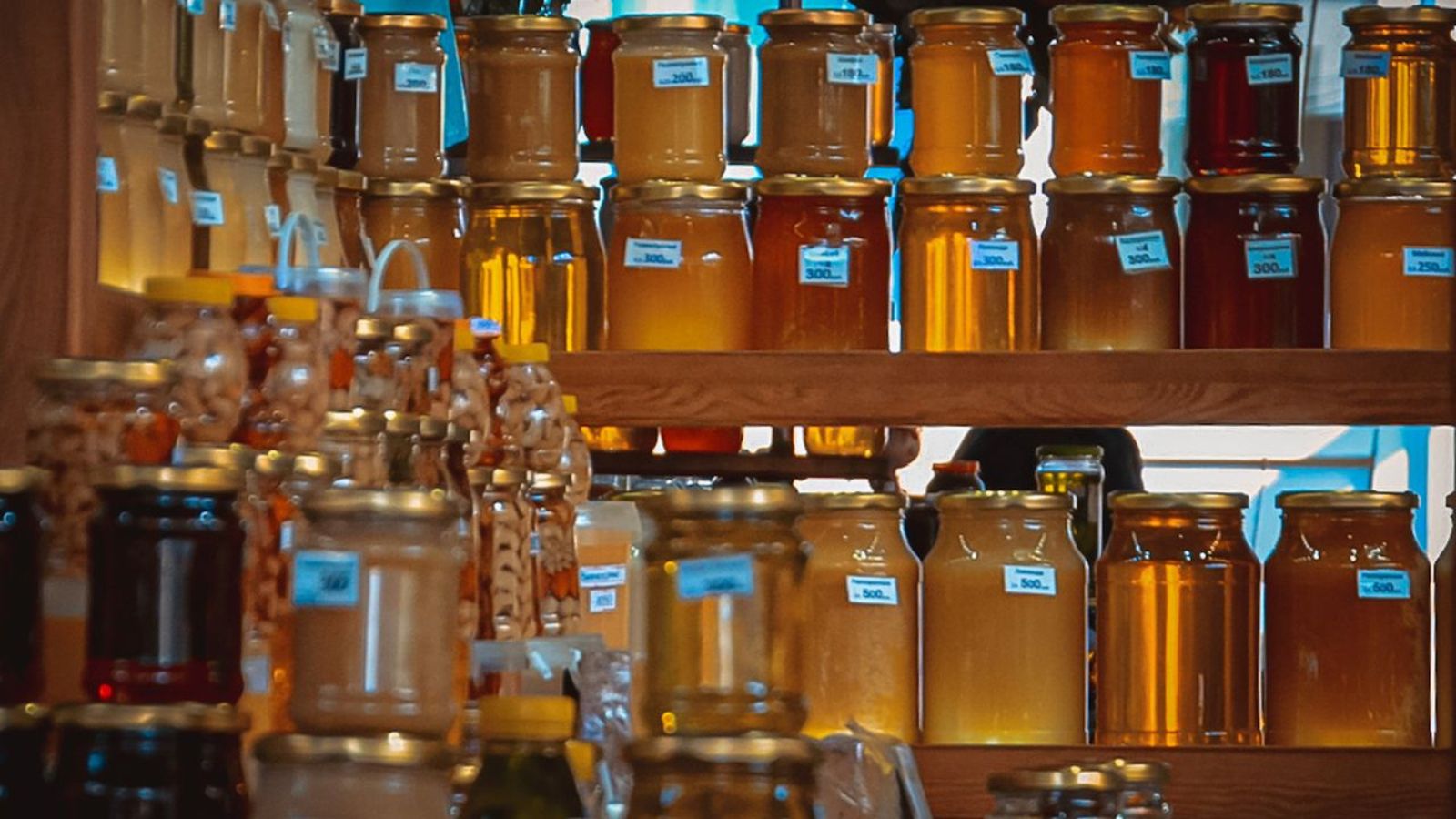
For example, a shelf riser can create an additional level for storing smaller cans or jars.
This can make it easier to see products that would otherwise be hidden behind taller packages.
However, avoid stacking items in ways that make them unstable or hard to reach.
Heavy products should be placed where they can be lifted safely, while frequently used items should remain accessible.
Use Labels to Make Items Easier to Find
Labels can make a pantry easier to maintain, especially when several people use the same kitchen.
A container marked for rice, flour, sugar, or pasta helps everyone know where items belong.
Labels can be simple handwritten stickers or professionally printed ones.
The purpose is not necessarily to make the pantry look decorative. It is to reduce confusion and prevent people from repeatedly searching through containers.
When transferring food into another container, retain relevant product information, including expiration dates and preparation instructions, where necessary.
Maintain the Pantry After Grocery Shopping
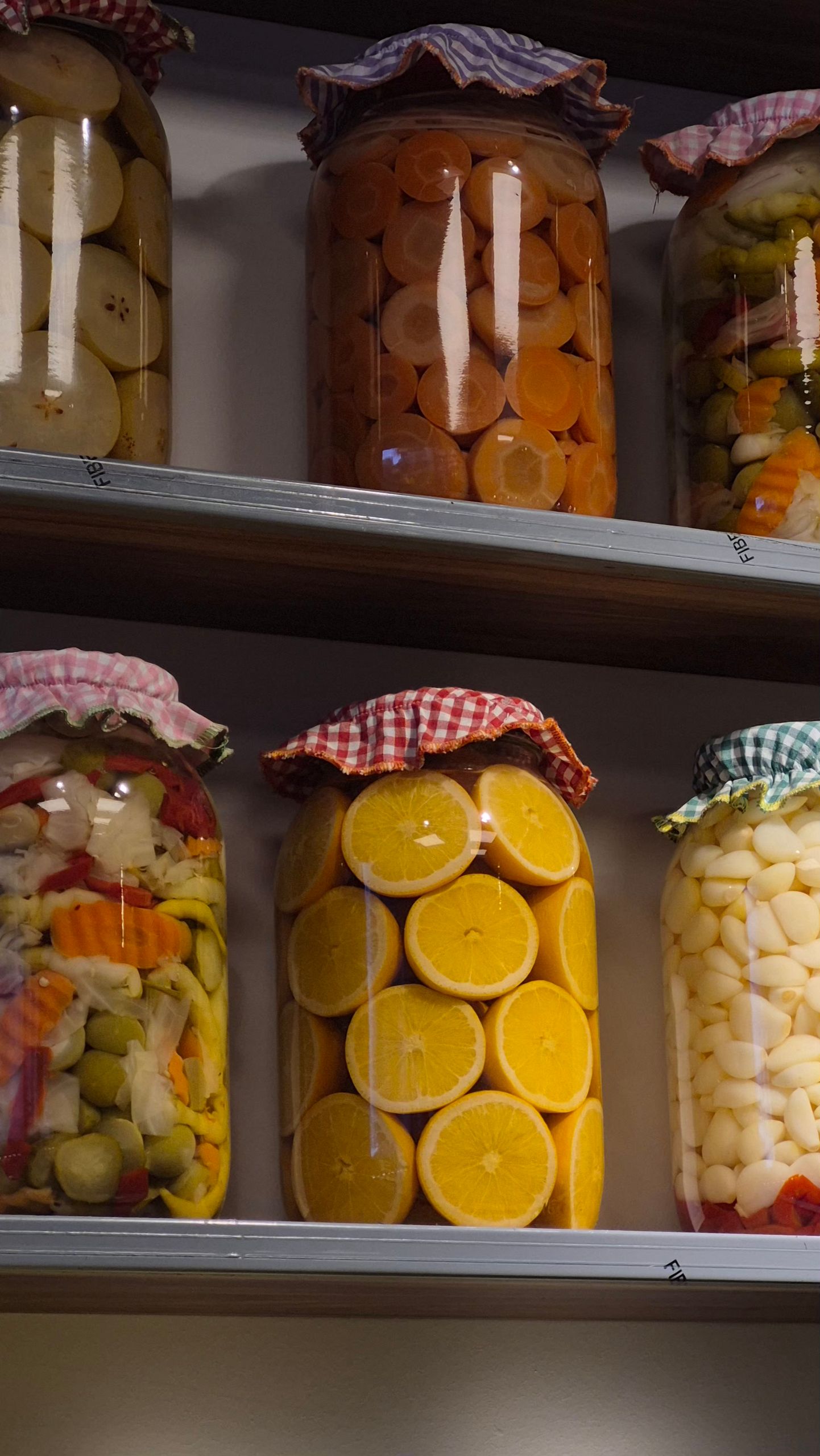
Organizing the pantry once is not enough if new groceries are continually added without a system.
A simple routine after each shopping trip can help maintain order.
Check what is already available, place newly purchased items in their designated sections, and bring older suitable products forward so they are easier to use first.
It is also useful to schedule occasional pantry reviews.
During these reviews, check expiration dates, remove unsuitable items, and identify products that need replacing.
This routine can also help with grocery budgeting because shoppers are less likely to purchase ingredients they already have.
Final Thoughts
An organized pantry isn’t simply about matching containers or attractive shelves.
It is about making the kitchen easier to use and ensuring that groceries can be located without unnecessary stress.
Grouping similar products, measuring storage spaces, using appropriate containers, and maintaining simple routines can make a noticeable difference.
Whether someone has a large walk-in pantry or just a few kitchen cupboards, the right organization system can help make everyday cooking more convenient.