Food shopping changed dramatically for American households during World War II. Rationing affected products such as sugar, meat, butter, and canned goods, requiring families to plan purchases and adapt familiar recipes.
Many households also grew vegetables, saved cooking fats, and found ways to stretch ingredients. Wartime cooking wasn’t identical across the country, but the shared pressure to conserve resources influenced everyday meals. These nine foods and cooking habits reveal how American families responded to shortages and restrictions during the war.
1. Victory Garden Vegetables

Victory gardens encouraged Americans to grow vegetables at home and in community plots. Families planted tomatoes, beans, carrots, lettuce, and other produce suitable for their growing conditions.
The gardens supplemented purchased food and supported wartime conservation efforts. They also gave households more control over some of the ingredients available for meals. The National WWII Museum documents the importance of civilian participation in wartime efforts, including food production and conservation.
Gardening required work, space, and knowledge, so not every family could participate equally. Nevertheless, victory gardens became a recognizable symbol of the home front.
2. Meatless Meals
Meat rationing encouraged households to prepare more meals that didn’t rely on large portions of beef, pork, or other restricted products. Beans, eggs, cheese, and vegetables could provide alternatives.
Recipes often emphasized casseroles, soups, and hearty side dishes. A smaller amount of meat might also be used primarily for flavor rather than as the centerpiece.
These adaptations reflected necessity rather than a single national dietary preference. Families made different choices based on region, household resources, and availability.
3. Potato-Based Dinners
Potatoes were useful because they could be boiled, baked, mashed, or added to soups. They also paired well with other inexpensive vegetables and modest amounts of protein.
A potato-based meal could be adapted according to available ingredients. Leftovers might become patties, soup, or another side dish.
The versatility of potatoes helped households prepare filling meals. But relying on one ingredient alone wasn’t enough to provide a varied diet, making additional foods important.
4. Oatmeal
Oatmeal was familiar as a breakfast food, but oats could also be used in baking and savory recipes. They helped stretch ingredients in some preparations.
Oats could contribute texture to meatloaf or baked goods when other ingredients were limited. Their storage advantages also made them practical pantry staples.
Modern families still use oats in similar ways, although convenience has changed preparation habits. Instant oatmeal offers a different approach from the stovetop cooking familiar to earlier households.
5. Eggless Cakes
Eggless cake recipes became useful when eggs were unavailable, expensive, or being reserved for other meals. Some recipes used alternative ingredients to provide moisture and structure.
The resulting cakes often depended on carefully balanced ingredients rather than simply removing eggs from an ordinary recipe. Different versions used vinegar, baking soda, fruit, or other pantry staples.
These desserts demonstrated how home cooks adapted familiar foods to changing conditions. Their appeal came from preserving an occasional treat despite ingredient limitations.
6. Sugar-Reduced Desserts
Sugar rationing required families to reconsider sweet recipes. Some used smaller quantities of sugar or relied partly on fruit and other available ingredients.
Not every substitute produced the same flavor or texture. Home cooks experimented with recipes that could work within their ration allowances.
The changes also influenced advertising and cookbook publishing. Recipes designed to conserve restricted ingredients became part of wartime food culture.
7. Bean Soups and Stews
Dried beans provided a practical foundation for meals containing vegetables, broth, and available seasonings. A large pot could produce several servings without requiring expensive ingredients.
Some households added small quantities of meat for flavor. Others prepared entirely meatless versions.
Beans remained useful because they could be stored and adapted to different culinary traditions. Their role in budget cooking continued well beyond the war.
8. Homemade Bread
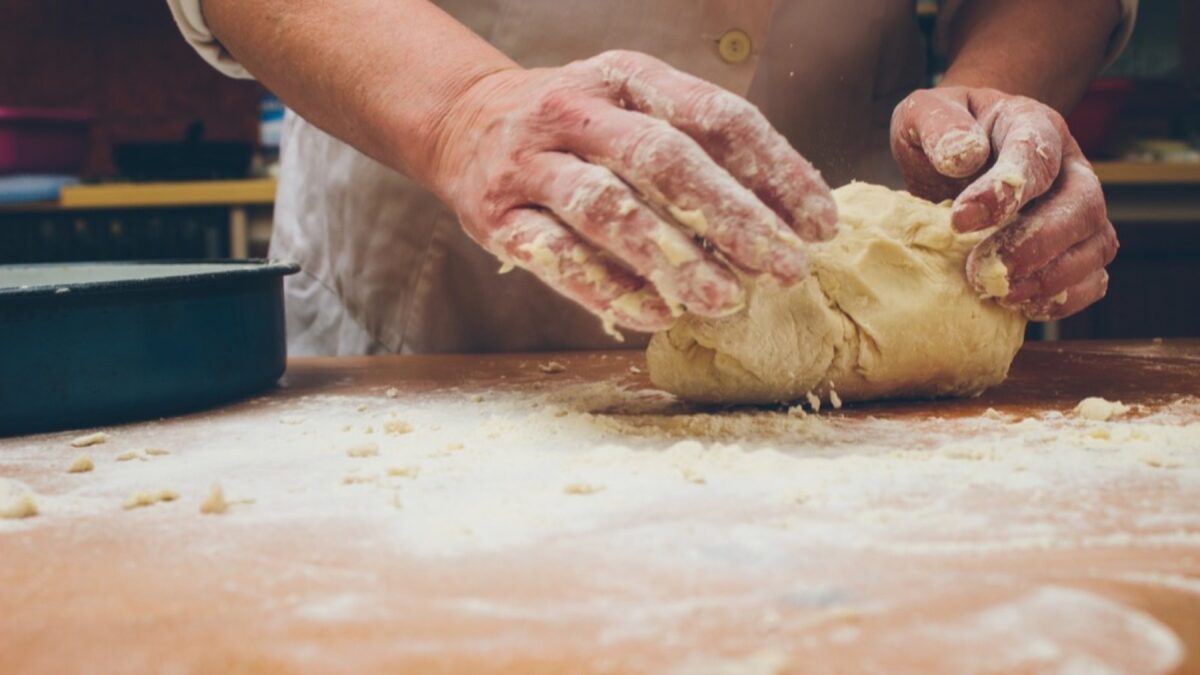
Bread remained an important food during wartime, although ingredients and recipes varied. Some families baked at home, while others purchased bread from bakeries and grocery stores.
Home baking allowed cooks to adjust ingredients and portions. Recipes could incorporate different flours or other suitable ingredients when supplies changed.
The practice also required time and fuel, so homemade bread wasn’t automatically more economical for every household. Families balanced convenience and available resources.
9. Leftover-Based Casseroles
Casseroles helped families combine small quantities of meat, vegetables, starches, and sauces. The method made it possible to create a substantial meal from ingredients that might otherwise be insufficient on their own.
The same approach later became associated with postwar convenience cooking. Packaged soups and other products made casserole preparation easier in the following decades.
Many old-fashioned American meals continued using similar techniques long after rationing ended. The habit of stretching ingredients remained valuable to families managing household budgets.
What Wartime Cooking Teaches Us
World War II food rationing was part of a much larger national mobilization. Families adapted because restrictions, shortages, and wartime priorities affected what could be purchased.
These meals shouldn’t be romanticized as evidence that hardship was easy. Many households faced real difficulties, and access to food varied.
But the cooking techniques reveal practical lessons about planning, substitution, and waste reduction. Those ideas remain relevant when households face high prices or limited ingredient availability.
Understanding wartime food history also explains why certain recipes survived into the 1950s and beyond. Habits developed during difficult years often continued after the original circumstances changed.