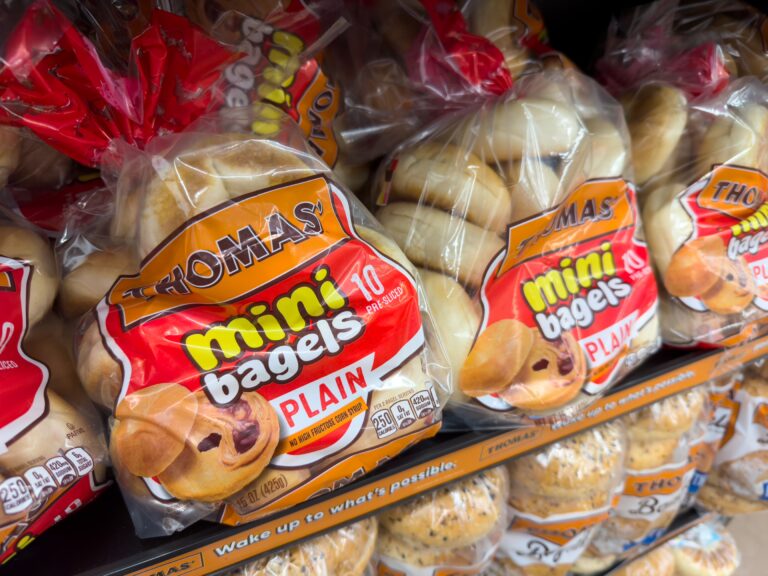
Buying in bulk can seem like an obvious way to save money. A larger package often has a lower price per ounce, and fewer shopping trips can make household life more convenient.
But a lower unit price doesn’t always translate into savings. Food that spoils, becomes stale, or remains unused may cost more in the long run than buying a smaller quantity. These nine grocery items deserve extra consideration before you place an oversized package in your cart.
1. Fresh Berries
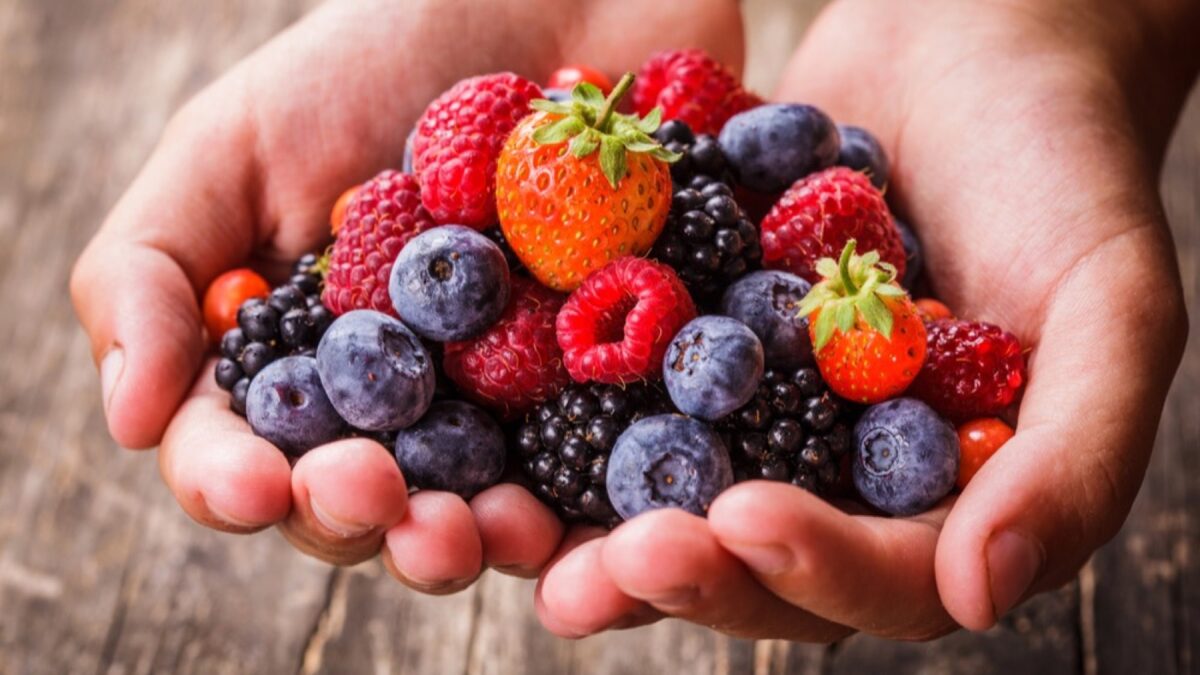
Strawberries, raspberries, and blackberries can spoil relatively quickly, especially when they are already ripe. A large container may look economical until half the fruit becomes unusable.
Before buying, consider how much your household usually eats within a few days. Inspect the container for damaged fruit and compare the price with smaller packages.
Freezing suitable berries can extend their usefulness for smoothies and baking. But if you prefer eating them fresh, buying a smaller amount more frequently may be better value.
2. Bagged Salad Greens
Prewashed salad greens offer convenience, but they can deteriorate rapidly after opening. Moisture and damaged leaves may cause the contents to become unpleasant before the package is finished.
Large bags make sense for households that prepare salads regularly or serve several people. Smaller households may struggle to finish them in time.
Compare the cost of whole lettuce or cabbage when appropriate. These alternatives may last longer and provide flexibility for different recipes.
3. Fresh Bread
Buying several loaves at once can save money during a promotion. But bread that remains unused may become stale or moldy.
Freezing extra bread can make bulk purchases more practical. Sliced bread is particularly convenient because portions can be removed as needed.
A household that rarely eats sandwiches may not benefit from buying several loaves. Understanding normal consumption is more important than the size of the discount.
4. Cooking Oil
Large bottles of cooking oil can provide lower unit prices, but oil quality can deteriorate over time. Exposure to heat, light, and air may accelerate unwanted changes in flavor and aroma.
The appropriate storage period depends on the type of oil and whether the container has been opened. A small household may not use a very large bottle quickly enough to maintain the best quality.
Store oils according to manufacturer instructions and avoid keeping them beside a hot stove. Buying an amount that fits your cooking habits is usually more useful than purchasing the largest available container.
5. Spices
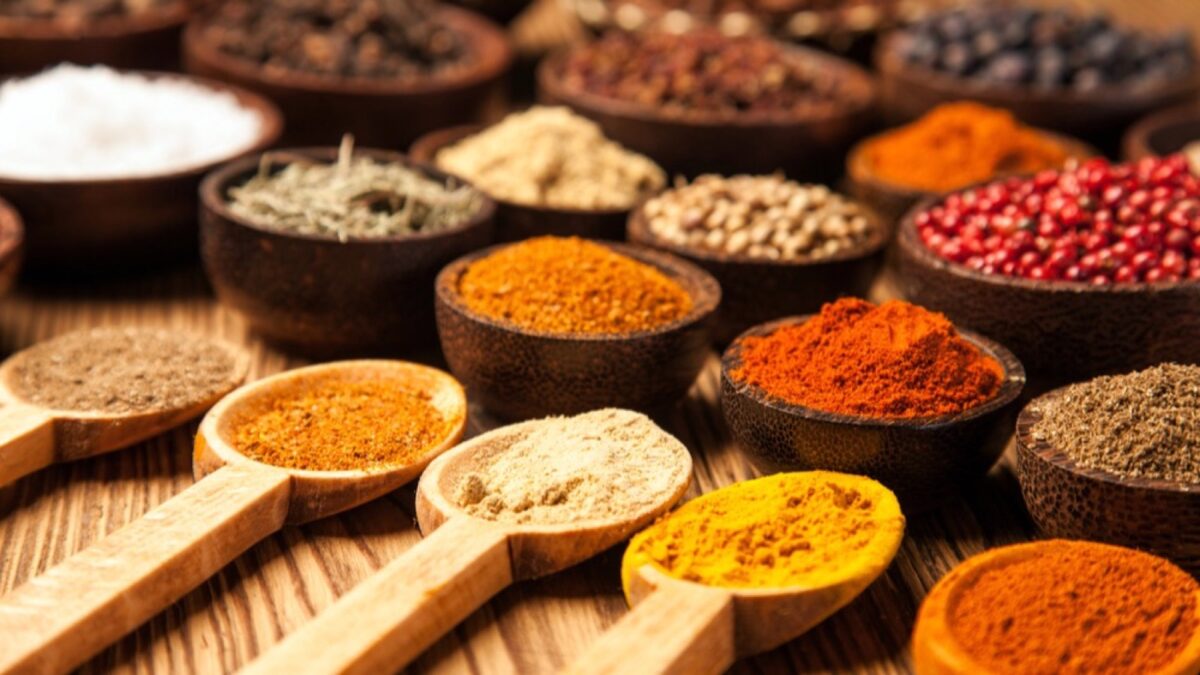
Bulk spices may look economical, particularly when the price per ounce is low. But ground spices gradually lose some of their aroma and flavor during storage.
A large container of a rarely used spice may remain in the cupboard for years. Purchasing a smaller quantity can provide better flavor and reduce waste.
Frequently used ingredients such as black pepper, cinnamon, or garlic powder may justify larger packages. Specialty spices needed for one recipe often do not.
6. Fresh Herbs
Fresh herbs can transform a dish, but they are often sold in quantities larger than a recipe requires. Cilantro, parsley, basil, and other herbs may wilt before they are used.
Planning several meals around the same herb can make the purchase more worthwhile. Some herbs can also be frozen or preserved in suitable ways.
Dried herbs provide an alternative for certain recipes, although the flavors aren’t always identical. Consider which form you are most likely to use.
7. Milk and Other Perishable Dairy Products
Large containers of milk may offer savings per ounce, but only when the household can finish them safely. Dairy products require proper refrigeration and have limited storage periods.
Buying multiple containers because of a promotion can become wasteful if they expire before use. The same problem may arise with yogurt, cream, and other refrigerated products.
Some older kitchens relied on shelf-stable pantry ingredients such as evaporated milk for particular recipes. Those products can be useful alternatives, although they aren’t interchangeable with fresh milk in every preparation.
8. Nuts
Nuts contain oils that can become rancid during storage. The rate depends on the type of nut, packaging, temperature, and exposure to air.
Buying a very large bag may not save money if the final portions develop an unpleasant flavor. Refrigeration or freezing can help preserve quality for longer periods.
Shoppers who eat nuts regularly may benefit from larger packages. Those who use them only occasionally in baking may prefer smaller containers.
9. Potatoes and Onions
Potatoes and onions are familiar bulk-purchase candidates because they are relatively versatile and can be stored for extended periods under suitable conditions. But improper storage can lead to sprouting, softening, or spoilage.
Buying a large bag makes sense only if there is enough storage space and a realistic plan for using the contents. Damp or excessively warm environments can shorten their useful life.
Potatoes and onions should be stored according to appropriate guidance rather than assuming all vegetables have identical requirements. Inspecting them regularly also helps identify problems early.
How to Decide If Bulk Buying Is Worthwhile
The first step is comparing unit prices rather than package prices. A larger quantity may cost more upfront but offer a lower cost per serving.
Next, consider how quickly your household will use the product. A large package is only a bargain when most of the contents are consumed before quality or safety becomes a concern.
Storage space matters as well. Frozen foods may be economical in bulk, but they require sufficient freezer capacity and proper organization.
Food safety should never be compromised to justify a discount. The USDA’s food safety resources provide guidance on storage, refrigeration, and handling different ingredients.
It can also help to calculate the cost of waste. If a family buys a large package and regularly discards a quarter of it, the apparent savings may disappear.
Buying in bulk is a useful strategy for the right products and households. The key is matching quantities to real consumption rather than assuming bigger automatically means cheaper.