For many American households in the 1950s, 1960s, and 1970s, dinner followed a familiar pattern. One partner often prepared the meal, and the family gathered around a dish made with meat, potatoes, vegetables, or whatever was available in the pantry.
Women frequently carried most of the responsibility for home cooking, although family arrangements differed. Today, shared responsibilities, changing schedules, and new food preferences have changed how many households approach dinner.
These seven meals reflect an earlier era of American family cooking, when preparing a substantial dinner was often part of the daily routine.
1. Liver and Onions
Liver and onions was once a familiar dinner in households where organ meats were regularly eaten. Beef or calf liver was usually pan-fried and served with cooked onions, mashed potatoes, or another simple side.
Its popularity partly reflected the availability of inexpensive cuts of meat. But liver has a distinctive flavor that can be difficult for people who didn’t grow up eating it.
Today, some home cooks still enjoy the dish, while others prefer less strongly flavored cuts. Its place on the family dinner table has become much less prominent in many households.
2. Swiss Steak
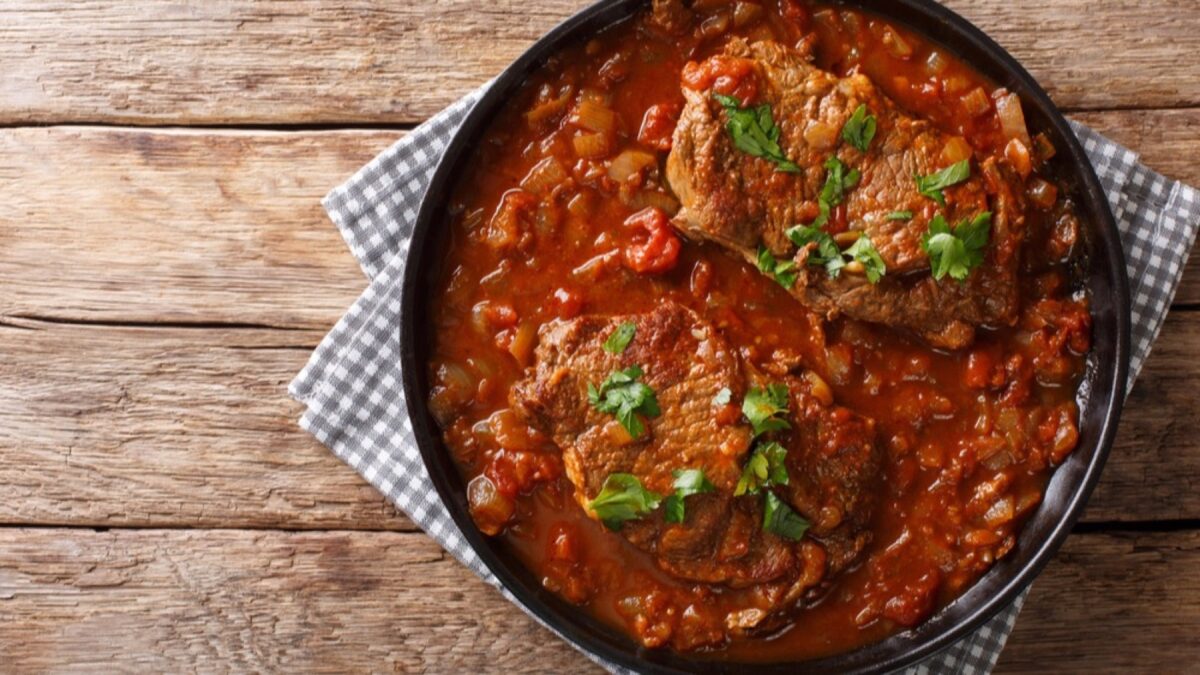
Swiss steak transformed relatively tough beef into a tender meal through slow cooking. The meat was typically tenderized, browned, and simmered with tomatoes, onions, gravy, or other seasonings.
It was practical because the long cooking process improved the texture of less expensive cuts. The finished meal could be served with potatoes, rice, or vegetables.
Modern pressure cookers and slow cookers make similar dishes easier to prepare. Yet Swiss steak itself is less frequently discussed than popular modern beef recipes.
3. Meatloaf With Mashed Potatoes
Meatloaf was a dependable choice for families trying to stretch ground beef. Breadcrumbs, eggs, onions, and seasonings helped turn a modest quantity of meat into several servings.
Mashed potatoes and vegetables completed the familiar dinner plate. Leftover meatloaf could also be sliced for sandwiches the following day.
This kind of practical cooking was a recognizable feature of 1970s family meals. Although meatloaf remains popular, changing family routines have made quick skillet meals and takeout attractive alternatives.
4. Creamed Chipped Beef on Toast
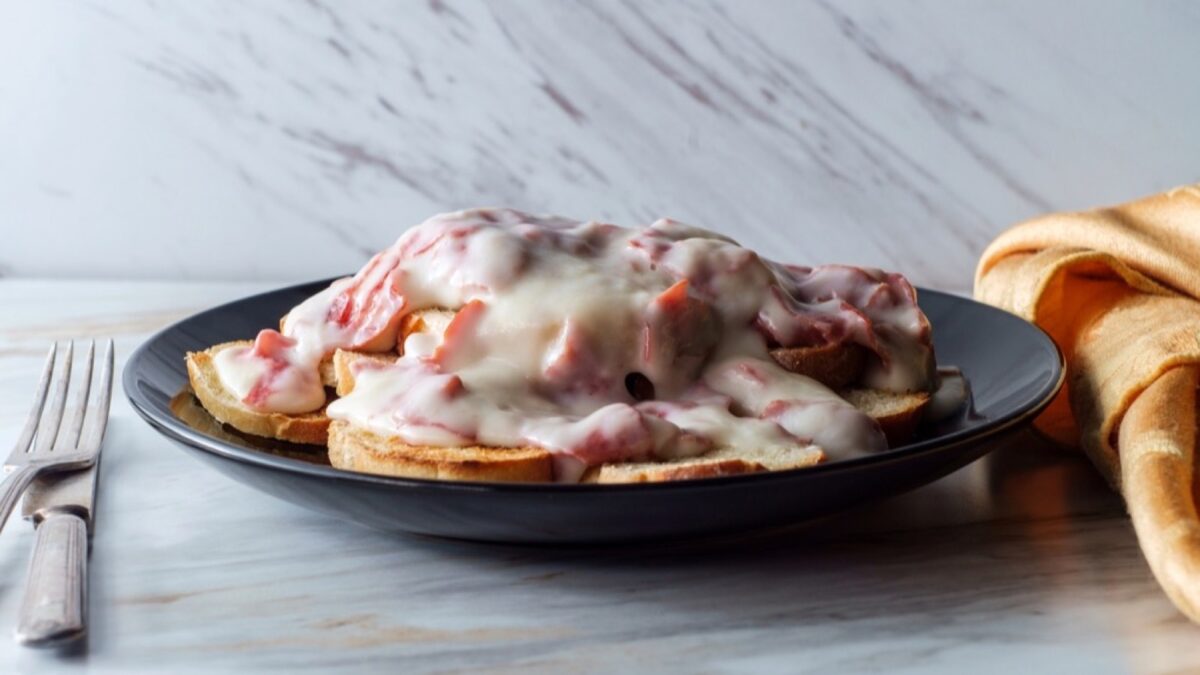
Creamed chipped beef on toast combined dried beef with a thick white sauce. The mixture was poured over toasted bread, creating a filling meal from a relatively small number of ingredients.
Some families served it for breakfast, while others considered it suitable for supper. The salty beef and creamy sauce made it memorable, although not everyone appreciated its flavor.
Because dried beef was shelf-stable, it offered convenience before modern refrigerated foods became as widely available. Today, the dish is more closely associated with traditional diners and family memories.
5. Pot Roast With Vegetables
Pot roast was often associated with Sunday dinner, particularly when families had time to prepare a larger meal. Beef was cooked slowly with carrots, potatoes, onions, and broth until tender.
The dish required patience but relatively little attention once cooking began. Leftovers could be turned into sandwiches, soup, or another dinner.
It remains a useful cooking method, especially with modern slow cookers. Still, the traditional image of a large roast prepared for the whole household belongs strongly to an earlier style of family dining.
6. Salisbury Steak
Salisbury steak combined seasoned ground beef patties with gravy, usually containing onions or mushrooms. It offered an economical alternative to serving individual steaks.
Families often paired it with mashed potatoes, green beans, or corn. Frozen dinners also helped popularize the dish among Americans seeking convenient meals.
Today, Salisbury steak remains available in packaged meals and traditional restaurants. But homemade versions don’t always receive the same attention as burgers, meatballs, or other ground-beef dishes.
7. Ham and Scalloped Potatoes
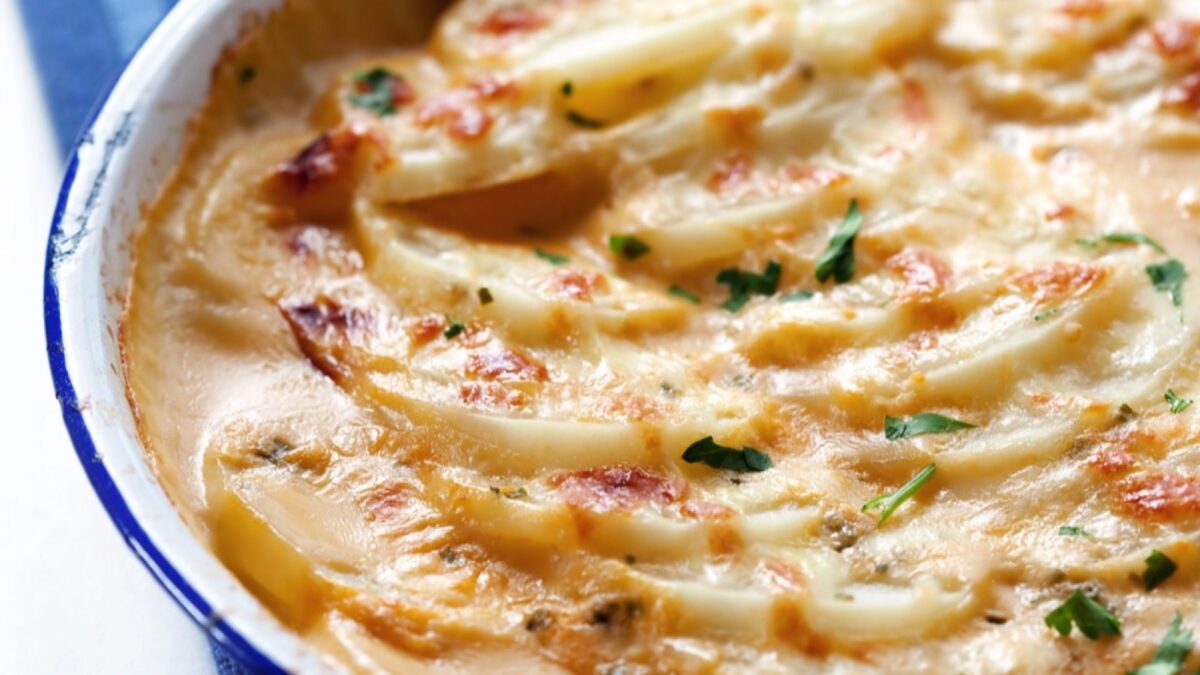
Scalloped potatoes and ham combined thinly sliced potatoes, a creamy sauce, and pieces of cooked ham. The ingredients were layered in a baking dish and cooked until the potatoes became tender.
It was particularly useful after holiday meals when leftover ham needed another purpose. The casserole could feed several people without requiring expensive additional ingredients.
Modern cooks can still prepare it using a variety of cheeses, sauces, and seasonings. Its practicality makes it worth remembering even if it no longer appears regularly in every household.
What Changed About Family Dinner?
American households have changed considerably since the mid-20th century. Work schedules, family sizes, cooking responsibilities, and access to prepared foods have all influenced what people eat.
The Smithsonian’s food history exhibits document how convenience products and kitchen technology helped reshape American meal preparation.
These old-fashioned dinners aren’t inherently better than modern meals. But their emphasis on leftovers, affordable ingredients, and feeding several people still offers useful ideas for today’s kitchens.