Thanksgiving has a funny way of turning one peaceful kitchen into a whirlwind of bubbling pots, crowded oven racks, and last-minute preparations. But what if some of your favorite holiday dishes were already waiting in the freezer?
According to Food Network Kitchen, certain Thanksgiving recipes can be prepared weeks ahead without sacrificing the finished dish. Its tested pumpkin bread can be frozen up to two months in advance, while King Arthur Baking says specially prepared dinner rolls can be frozen for up to six weeks.
The secret isn’t freezing everything and hoping for the best. It’s knowing which recipes work, what to freeze separately, and when to finish cooking. Here are nine Thanksgiving favorites that can give you a valuable head start.
Make-Ahead Turkey Gravy: One Less Pot to Worry About
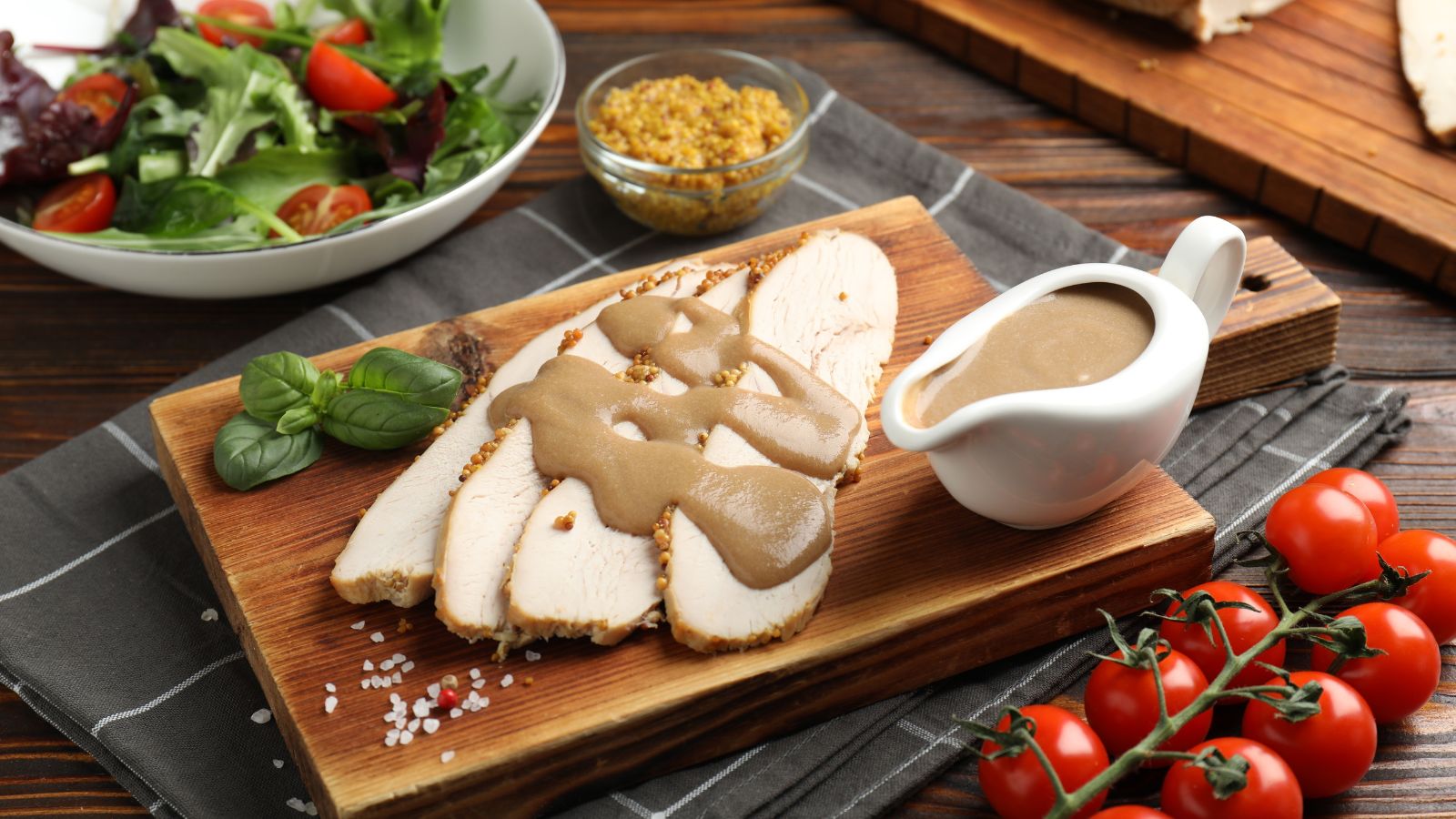
Gravy might seem like a small part of Thanksgiving dinner, but it has a way of demanding attention when everything else needs finishing.
Fortunately, America’s Test Kitchen publishes an all-purpose gravy recipe that can be frozen for up to two months.
The beauty of this approach is that you don’t have to wait for the Thanksgiving turkey to finish roasting before making the gravy.
According to the test kitchen, thaw the frozen gravy, bring it to a full boil, and whisk vigorously if it separates. Turkey drippings can also be incorporated when reheating.
Choose a freezer-friendly recipe, since creamy sauces containing milk may separate after thawing.
Stuffing: Prepare the Components Before the Big Day
Stuffing is one of those dishes that fills the kitchen with familiar holiday aromas. But chopping, cooking, mixing, and baking everything on Thanksgiving can become quite an undertaking.
Food Network Kitchen’s make-ahead stuffing method offers a clever solution.
Prepare the bread cubes, sausage, and vegetables ahead of time, then freeze the components before completing the recipe on Thanksgiving.
The USDA provides another option: assemble uncooked stuffing, place it in a shallow container, and freeze immediately. Cook it directly from frozen until the center reaches 165°F.
The distinction matters. USDA guidance advises against refrigerating assembled, uncooked stuffing for later cooking.
Mashed Potatoes: The Freezer Needs the Right Recipe
Mashed potatoes are practically Thanksgiving royalty. Their soft, creamy texture makes them a welcome companion to turkey and gravy.
But freezing ordinary mashed potatoes doesn’t always deliver the same results.
The National Center for Home Food Preservation warns that cooked white potatoes can become soft, mealy, or watery after freezing. It also recommends using frozen cooked-and-mashed preparations within a few weeks for the best quality.
Food Network Kitchen, however, has developed make-ahead mashed potatoes specifically designed for refrigerator or freezer storage.
Its recommended method involves gentle oven reheating to help preserve the desired texture.
The lesson? Follow a freezer-tested mashed-potato recipe rather than assuming every leftover batch will freeze beautifully.
Sweet Potato Casserole: Save the Topping for Later
Sweet potato casserole has a special talent for bringing dessert-like sweetness to the Thanksgiving table.
The good news is that you don’t have to prepare it entirely on the holiday.
According to Food Network Kitchen, its make-ahead sweet potato casserole can be frozen successfully when the casserole base and topping are stored separately.
When it’s time to serve, thaw the casserole, add the topping, and bake according to the recipe.
The National Center for Home Food Preservation also provides instructions for freezing cooked sweet potatoes, recommending half an inch of headspace in containers.
However, that guidance doesn’t automatically apply to every casserole containing dairy, eggs, or other ingredients.
The safest bet for texture is following a recipe specifically developed for freezing.
Green Bean Casserole: Keep the Crunch for Thanksgiving
A bubbling green bean casserole topped with golden fried onions can make the holiday table feel complete.
But nobody wants the topping to lose its signature crunch before dinner begins.
Food Network Kitchen’s freezer-tested green bean casserole solves that problem by separating the main preparation from the final finishing step.
The recipe uses green beans and mushrooms in a sauce made without canned soup.
Prepare and freeze the casserole ahead of time, then reheat it directly from frozen. Add the crispy fried onions afterward.
That’s the important detail: this particular recipe doesn’t call for thawing overnight.
Other casserole recipes may use different ingredients and reheating instructions, so don’t assume the same technique works for every version.
Cranberry-Orange Relish: A Freezer-Friendly Holiday Favorite
Cranberries bring a lively burst of color to Thanksgiving dinner. Their tart flavor offers a beautiful contrast to the rich dishes surrounding them.
And some cranberry preparations are particularly convenient to make ahead.
Ocean Spray’s Fresh Cranberry Orange Relish recipe combines chopped cranberries, orange, and sugar. Its instructions explicitly allow refrigerator or freezer storage. But here’s where things get interesting.
Ocean Spray advises against freezing its regular cranberry sauce because thawing can leave it watery. Instead, the company recommends making homemade sauce ahead and refrigerating it for up to one week.
So don’t treat cranberry relish, chutney, and jellied sauce as interchangeable.
Choose a freezer-approved recipe, and you’ll have one more colorful dish ready before the celebration begins.
Dinner Rolls: Fresh-Baked Warmth Without the Rush
There’s something irresistible about a basket of warm dinner rolls arriving at the Thanksgiving table.
The good news? You don’t have to start mixing dough while the turkey is roasting.
According to King Arthur Baking, its specially developed brown-and-serve rolls can be partially baked and frozen for up to six weeks.
When it’s time to serve, finish baking them in a hot oven. Raw yeast dough requires a different approach. King Arthur recommends freezing shaped, unrisen rolls for no longer than approximately two weeks for the best rising performance.
Food Network Kitchen also offers a method involving partial baking before freezing.
The takeaway is simple: choose the right method before preparing your dough.
Apple Pie: Assemble Now, Bake Closer to Dinner
Apple pie has a wonderful way of making a home smell like a celebration. But preparing the crust, filling, and assembly on Thanksgiving can compete with everything else happening in the kitchen.
King Arthur Baking recommends assembling apple and other fruit pies three to four weeks ahead, then freezing them before baking.
Its method calls for thawing the assembled pie overnight in the refrigerator before baking according to the chosen recipe.
Food Network Kitchen also offers a different make-ahead option involving an already baked apple pie, with a freezer window of up to two weeks. Those methods aren’t interchangeable.
And don’t assume every holiday pie freezes as successfully. Some pumpkin custard pies can develop separation between the filling and crust.
Pumpkin Bread: Bake It Weeks Before Thanksgiving
Not every Thanksgiving favorite needs to make it to the dinner table. Sometimes a slice of pumpkin bread makes the holiday morning feel special before the cooking begins.
Food Network Kitchen says you can bake make-ahead pumpkin bread and freeze it for up to two months before serving.
The instructions recommend cooling the loaf completely, wrapping it tightly in several layers, and placing it inside a resealable freezer bag with excess air removed.
That gives you a baked treat ready to thaw when the holiday arrives.
The National Center for Home Food Preservation also provides guidance for thawing precooked breads at room temperature.
However, versions with perishable fillings or frostings may require different handling.
A Little Freezer Planning Makes Thanksgiving Easier
The beauty of preparing Thanksgiving dishes ahead isn’t about doing more. It’s about spreading the work across several days or weeks instead of squeezing everything into one hectic morning.
King Arthur Baking allows up to six weeks for its parbaked rolls, while Food Network Kitchen’s pumpkin bread can be frozen for two months.
Just remember that every recipe has its own rules. Label your containers, keep the freezer at 0°F or below, and follow the specific thawing and reheating instructions.
When Thanksgiving finally arrives, your kitchen can feel less like a race against the clock—and more like the warm, welcoming heart of the celebration.