Getting children interested in books doesn’t always require expensive materials, elaborate reading schedules, or a dedicated home library.
Sometimes, the habit begins with a short story before bedtime, a trip to the local library, or a parent sharing an interesting book during a quiet afternoon.
For many families, the biggest challenge is finding a routine that fits around school, work, household responsibilities, and other activities.
The National Education Association encourages parents to make reading part of everyday family life by sharing books, talking about stories, and allowing children to explore subjects that interest them.
Here are eight practical ways families can make reading a more familiar part of their routines.
Choose a Regular Time for Reading

One of the easiest ways to introduce a reading routine is to connect it to an activity that already happens every day.
For example, parents can set aside time after dinner, before bedtime, or during a quiet afternoon.
The schedule does not need to be complicated. Even a short reading session can help children get used to the idea that books are part of everyday life.
The American Library Association’s recommendations on sharing books suggest choosing a time when both the adult and child are relaxed.
A routine that fits naturally into the household is often easier to maintain than one that requires a complete change to the family’s schedule.
Allow Children to Choose Their Own Books
Children are more likely to show interest in reading when they have some control over what they explore.
One child may enjoy animal stories, while another prefers mysteries, adventure stories, comics, or books about space.
Instead of choosing every book, parents can offer several age-appropriate options and let children decide.
The National Education Association recommends letting children explore different kinds of reading materials according to their interests.
Giving children choices can also create opportunities for conversations about the subjects they enjoy.
Make Trips to the Library Part of Family Activities
A public library can provide access to books without requiring families to purchase every title they want to read.
Many libraries also offer children’s reading sessions, storytelling events, activity programs, and other resources.
Parents can make library visits part of a regular weekend or school-break routine.
Let children browse the shelves, examine different covers, and choose books that catch their attention.
It is also helpful to speak with children’s librarians, who may recommend suitable books based on a child’s interests and reading level.
Read Aloud Even When Children Can Read Independently
Reading aloud doesn’t have to stop once a child begins reading independently.
Parents can continue sharing stories with older children, taking turns reading different sections or choosing books that are slightly more challenging.
The activity can also become a family conversation rather than a one-way exercise.
Pause occasionally to discuss a character’s decision, predict what might happen next, or ask which part of the story was most interesting.
Reading Rockets, drawing on recommendations from the American Library Association, encourages expressive reading and involves children by discussing illustrations, repeating familiar words, and letting them choose stories.
Keep Reading Materials Within Reach

Books are easier to pick up when they are accessible.
Families do not need a large bookshelf to make reading materials available. A small basket in the living room, a shelf beside a child’s bed, or a few books near a comfortable chair can be enough.
Parents can also keep age-appropriate reading materials in a travel bag for situations involving waiting time.
The National Education Association recommends keeping books accessible in different places so children can read during spare moments.
A visible collection can also encourage children to revisit stories they have already enjoyed.
Let Children See Adults Reading
Children often notice the habits of people around them.
When parents spend time reading newspapers, novels, magazines, or other materials, they demonstrate that reading is not only a school activity.
Adults can also talk about something interesting they discovered in a book or article.
For example, a parent reading about animals might share an interesting detail with a child who enjoys wildlife.
These everyday conversations help create a household environment where asking questions and discovering information feel normal.
Connect Books to Everyday Experiences
Reading can become more interesting when children recognize something familiar in a story.
A book about farms may lead to a conversation about a local market. A travel story may encourage a family to discuss places they would like to visit.
Parents can also use books to introduce activities such as drawing, cooking from a recipe, or creating a simple story together.
The National Education Association recommends connecting reading with real-life experiences and discussing what families discover along the way.
These activities can help children see books as something connected to the world around them rather than isolated school assignments.
Create a Family Reading Tradition
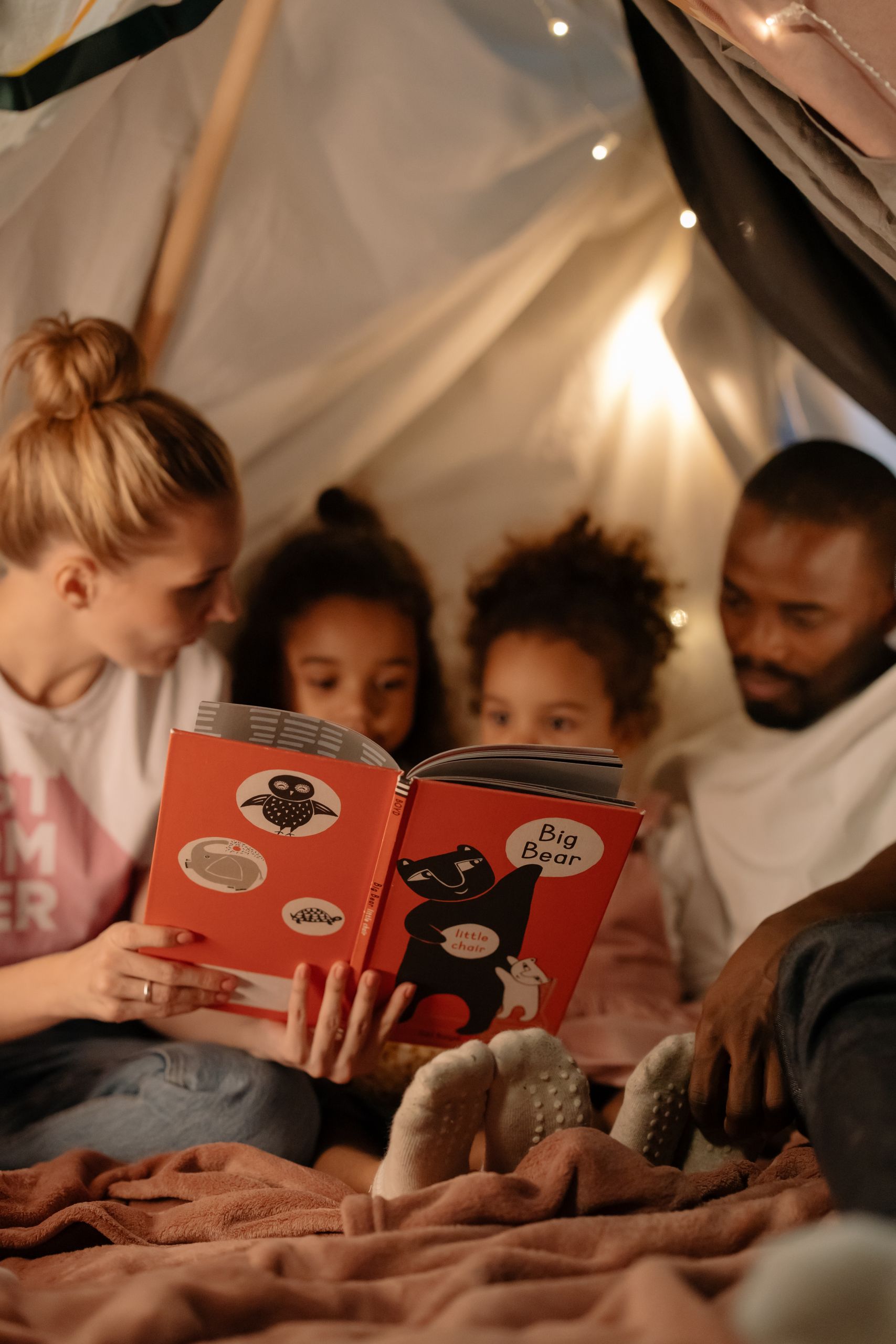
A family reading tradition does not have to be elaborate.
Some households may choose one evening each week to read together. Others may take turns selecting a story or sharing a favorite book during family time.
For families with children of different ages, older siblings can sometimes read short passages to younger ones.
The key is to make the activity enjoyable, not another demanding household task.
The National Education Association also recommends creating reading traditions, such as regular family read-aloud nights and special books for birthdays or holidays.
Final Thought
Building a reading routine is not about forcing children to finish a certain number of books every week. It is about making stories, information, and curiosity a natural part of family life.
Parents can begin with a small collection, a regular reading time, and opportunities for children to choose what interests them.
Over time, these simple activities can become familiar family traditions that children look forward to sharing.