Financial success doesn’t always mean owning a luxury car, living in a mansion, or wearing designer clothes. Sometimes, it simply means handling everyday expenses without worrying about your next paycheck.
Many Americans work hard to maintain a comfortable lifestyle, yet rising living costs and unexpected expenses can make financial stability challenging.
According to the Federal Reserve’s 2024 Economic Well-Being of U.S. Households report, 73% of American adults reported doing okay or living comfortably financially in 2024. However, only 33% described themselves as living comfortably.
If you can comfortably afford these eight everyday expenses while meeting your financial responsibilities, you may be doing better than you realize.
Handling a $400 Emergency Without Borrowing Money
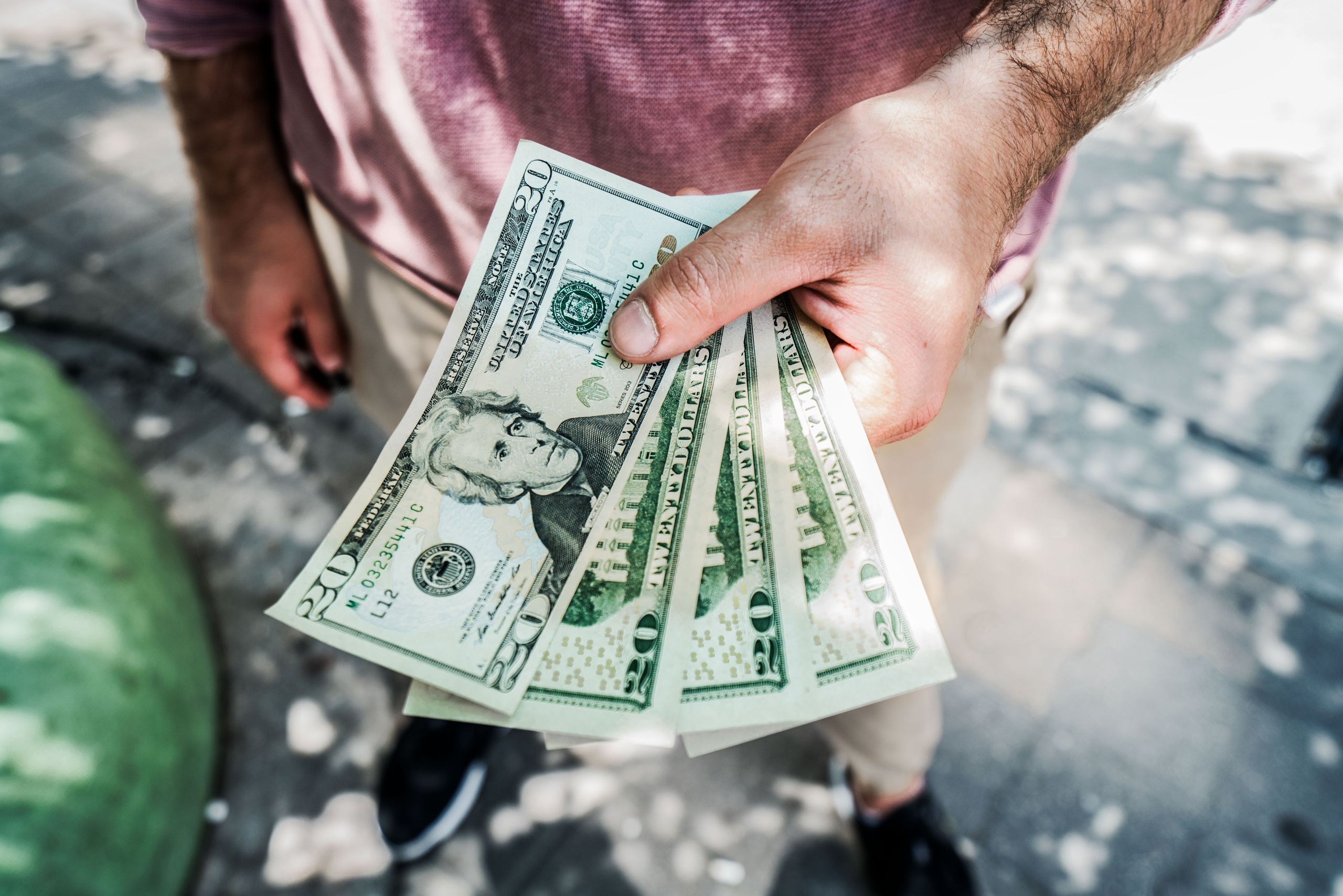
Imagine discovering that your car needs an unexpected repair or that a household appliance has suddenly stopped working. The repair costs $400, and you weren’t planning to spend that money.
For some Americans, an expense like this means borrowing from family, using credit cards, or postponing other payments.
The Federal Reserve’s 2024 savings report found that 63% of adults could cover a hypothetical $400 emergency using cash, savings, or a credit card paid off at the next statement.
Handling unexpected expenses without taking on more debt is a meaningful sign of financial flexibility.
Filling Your Grocery Cart Without Worrying About the Total

Grocery shopping should be an ordinary household activity, but for some families, it involves making difficult financial decisions.
You might find yourself comparing every price, removing items at checkout, or postponing purchases until payday.
There’s nothing wrong with shopping carefully. In fact, comparing prices is a practical habit regardless of income.
The difference is whether you’re making those choices voluntarily or because your budget leaves little room for flexibility.
The USDA’s Household Food Security report provides national data on Americans’ ability to afford adequate food.
If you can buy your regular groceries without worrying about how you’ll cover rent, utilities, or transportation afterward, that’s a financial advantage worth recognizing.
Taking a Vacation Without Coming Home to Debt
A vacation doesn’t need to involve luxury hotels, expensive flights, or exclusive destinations.
Sometimes, a short road trip, a weekend at the beach, or a visit to family in another state is enough.
What matters financially is whether you can comfortably pay for the experience.
If you can save for transportation, accommodation, meals, and entertainment without using money intended for essential expenses, you have financial flexibility.
The Federal Reserve’s Economic Well-Being report examines how American households manage income, expenses, and unexpected financial difficulties.
A vacation paid for with planned savings feels very different from one that creates months of repayments.
Enjoying a break without returning to financial pressure is a luxury that doesn’t always show up in photographs.
Replacing a Broken Appliance Without Financial Stress

Your refrigerator stops working, your washing machine breaks down, or your car suddenly needs repairs.
These expenses rarely arrive at convenient times.
According to the Federal Reserve’s 2024 Economic Hardships findings, unexpected expenses continued to create financial challenges for American households.
Being able to replace or repair an essential appliance without borrowing money or delaying other payments provides valuable financial security.
It might not feel as exciting as buying a new television or upgrading your smartphone.
However, having money available when ordinary household equipment fails can make daily life considerably easier.
Paying Your Monthly Bills Without Waiting for Payday
For some households, payday determines when bills can be paid.
Rent, electricity, internet, insurance, and transportation expenses compete for the same limited income.
Sometimes, one unexpected expense can disrupt the entire monthly budget.
According to the Federal Reserve’s 2024 Economic Hardships report, 17% of adults did not pay all their bills in full during the month before the survey.
If you can consistently pay your bills on time while keeping enough money available for other expenses, you have an important financial advantage.
The goal isn’t necessarily to have a large amount of disposable income.
It’s to manage your regular obligations without constantly worrying about whether your money will last until the next paycheck.
Saving for Retirement Without Sacrificing Today’s Needs
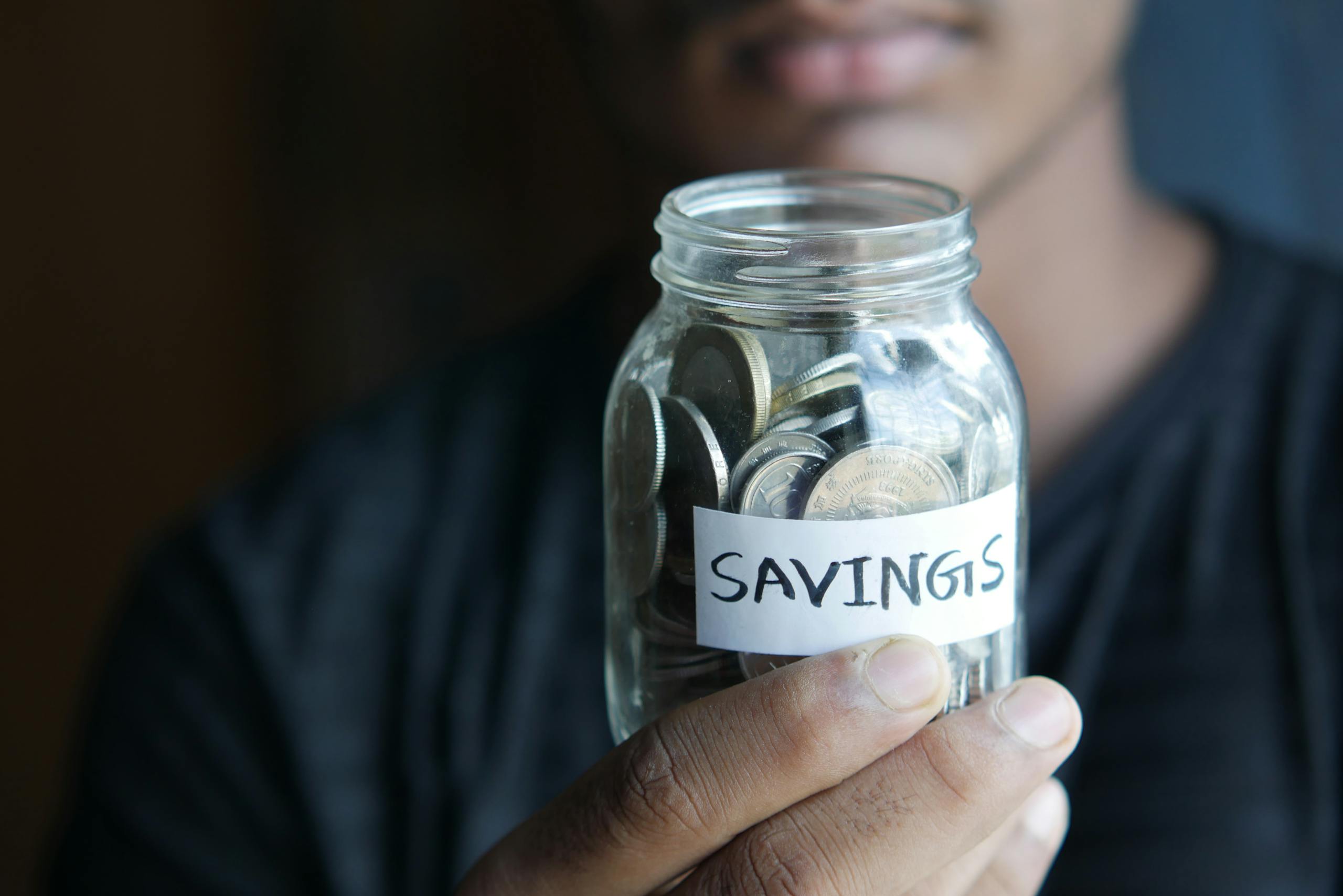
Retirement savings are easy to postpone when daily expenses demand attention.
Between housing payments, transportation, groceries, and family responsibilities, setting money aside for the distant future can feel difficult.
The Federal Reserve’s 2024 savings and investments report found that only 35% of nonretired adults believed their retirement savings plans were on track.
If you can contribute regularly to a retirement account while comfortably covering your present expenses, you’re building financial stability in two directions.
You’re managing today’s responsibilities while preparing for tomorrow.
Even modest contributions represent progress when they’re part of a realistic, sustainable financial plan.
Covering Three Months of Expenses With Your Savings
Imagine losing your primary income source unexpectedly.
Could you continue paying for housing, groceries, utilities, and transportation for three months without borrowing money?
According to the Federal Reserve’s 2024 savings findings, 55% of adults reported having emergency savings sufficient to cover three months of expenses.
An emergency fund doesn’t necessarily mean someone is wealthy.
However, it can provide valuable flexibility when circumstances change.
Having savings available may give you time to find another job, cover an unexpected household expense, or adjust your budget without immediately taking on debt.
It’s the kind of financial achievement that rarely attracts public attention but can make an enormous difference during difficult times.
Enjoying Small Luxuries Without Feeling Guilty
Sometimes, financial comfort comes down to simple experiences.
You might enjoy dinner at your favorite restaurant, purchase concert tickets, subscribe to an entertainment service, or buy something you’ve wanted for a while.
These purchases aren’t essential, but they can make everyday life more enjoyable.
The important consideration is whether you can afford them after meeting your financial responsibilities.
If treating yourself occasionally doesn’t require borrowing money, missing payments, or abandoning savings goals, you have some flexibility in discretionary spending.
Not everyone has that freedom.
And while small luxuries might not look impressive compared with expensive vacations or designer purchases, enjoying them comfortably can be a meaningful part of financial stability.