You open the fridge, grab the milk, and close it again. Simple, right? But what if that convenient spot in your refrigerator door is actually the worst place for some of your favorite foods?
Most of us arrange our refrigerators based on what fits where. The milk goes in the tall door compartment, eggs sit in their little holders, and everything else gets squeezed wherever there’s room.
Unfortunately, your refrigerator door isn’t as cool and consistent as you might think. Every time you open it, the contents are exposed to warmer air. According to the USDA, perishable foods belong inside the main refrigerator compartment because door temperatures fluctuate more.
Research backs this up. A 2023 study published in the Journal of Food Hygiene and Safety found that refrigerator door compartments averaged 5.06°C (41.1°F), compared with 3.41°C (38.1°F) in interior storage boxes.
That doesn’t mean everything kept in the door instantly becomes unsafe. However, moving certain foods to a more temperature-stable location is a smart precaution.
Here are 10 foods worth relocating before your next grocery run.
Milk
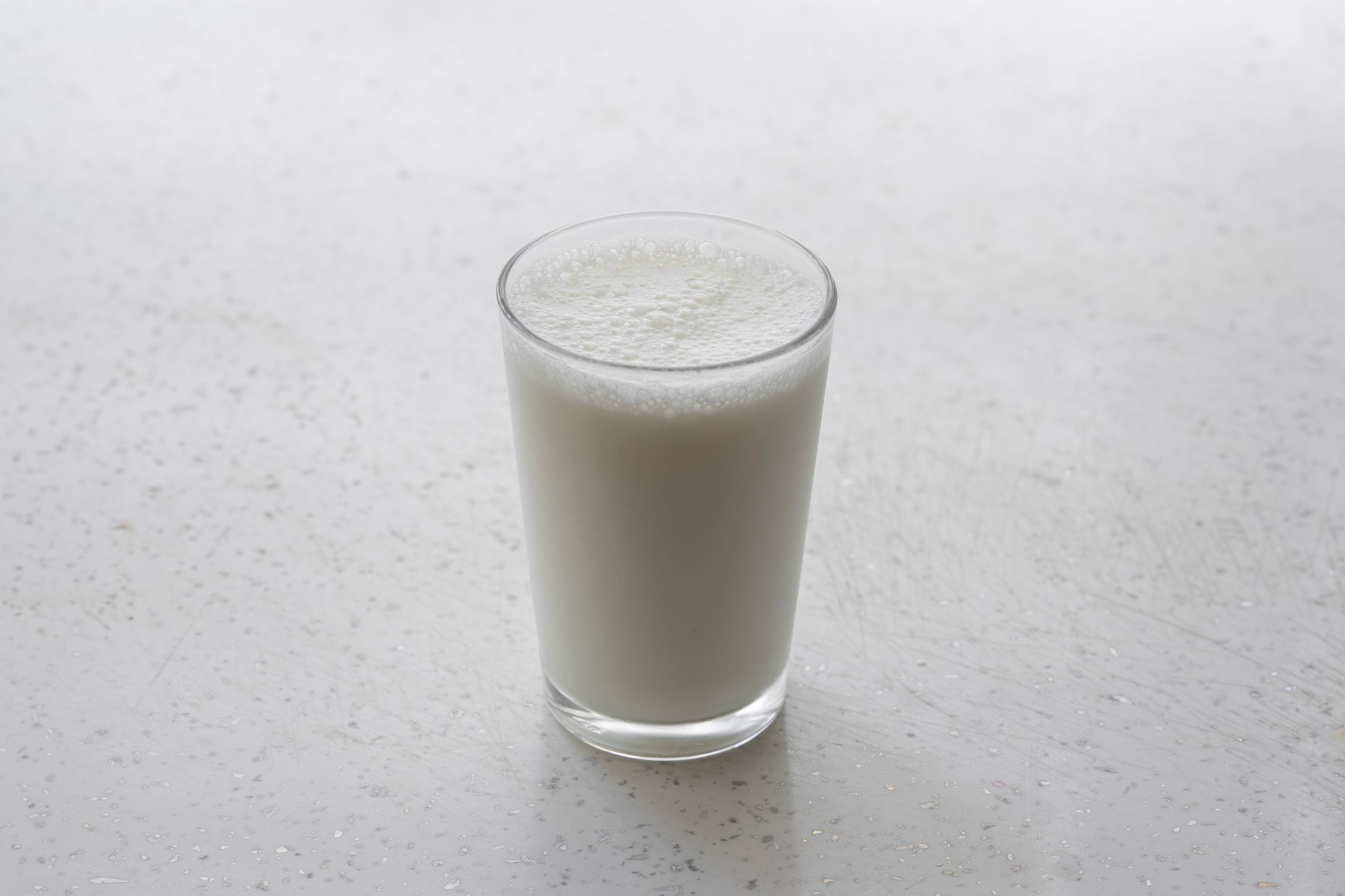
That tall compartment in your refrigerator door seems practically made for milk cartons. Unfortunately, convenience doesn’t always equal proper storage.
Milk needs consistent refrigeration to stay fresh. Every time someone opens the fridge for a snack, the milk in the door gets exposed to warmer air.
Over time, inadequate refrigeration can encourage spoilage, potentially leaving you with milk that smells or tastes unpleasant sooner than expected.
Where to store it instead: Place refrigerated milk on an interior shelf where the temperature stays at or below 40°F (4°C).
And don’t worry about finding the absolute coldest corner. Consistent, adequate refrigeration matters more than choosing a particular shelf.
Eggs
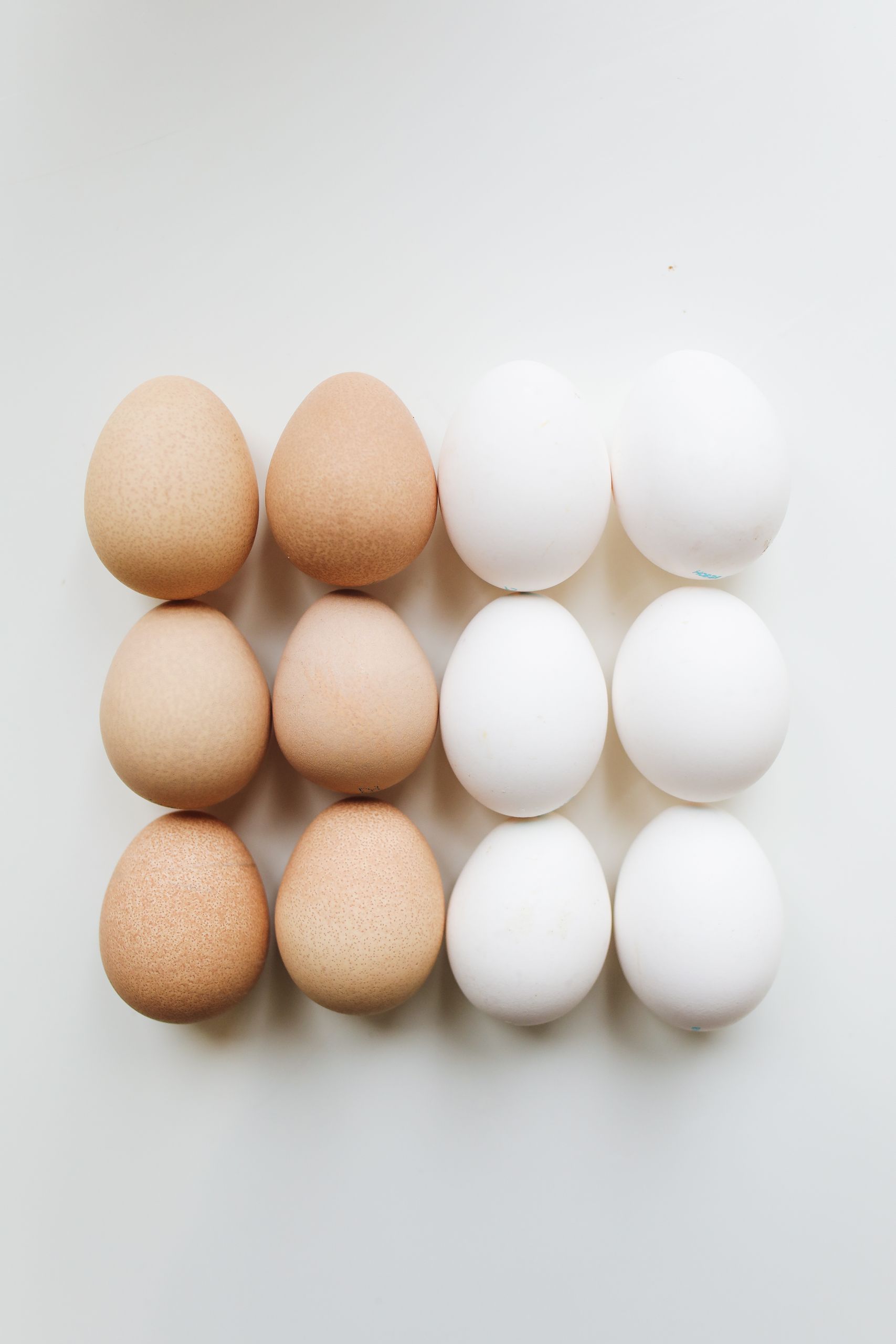
Here’s something surprising: Those cute little egg holders built into refrigerator doors aren’t necessarily the best place for eggs.
The FDA recommends keeping eggs in their original cartons in the main refrigerator compartment, not the door.
Why? Because the door experiences more temperature changes, while eggs benefit from steady refrigeration.
The original carton also makes storage easier and keeps the eggs together.
Where to store them instead: Keep eggs in their original carton on an interior shelf.
According to FoodSafety.gov, raw shell eggs generally remain suitable for refrigerated storage for three to five weeks when maintained at 40°F or below.
Raw Meat and Poultry
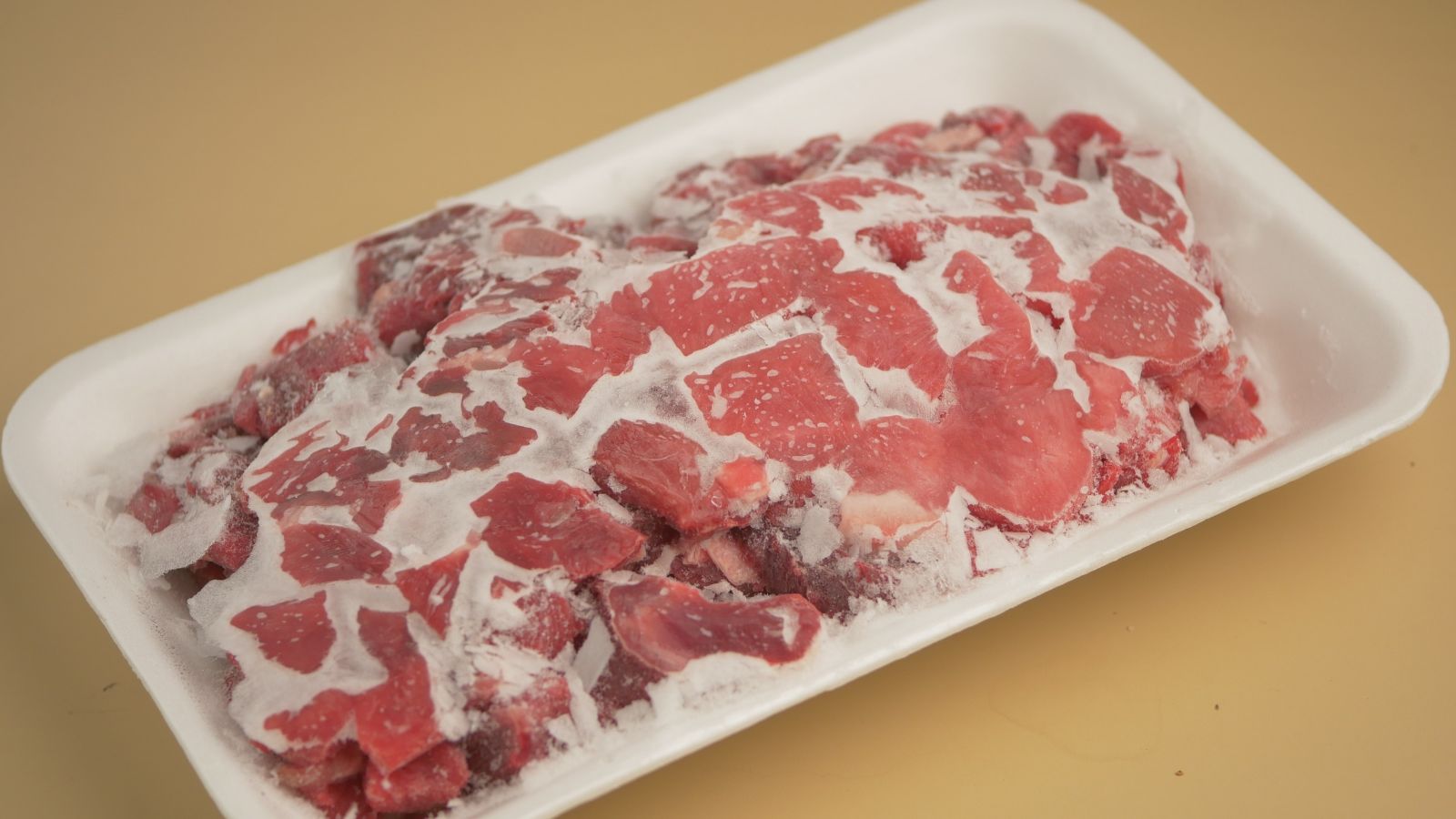
If you’ve ever tried fitting a package of chicken into the refrigerator door, here’s a reason to reconsider.
Raw beef, pork, chicken, and turkey need consistently cold temperatures. But there’s another concern: leaking juices.
A poorly sealed package can drip onto other foods, creating an unnecessary contamination risk.
Even if your refrigerator stays sufficiently cold, those leaks can cause problems.
Where to store them instead: Put raw meat and poultry on the bottom interior shelf, preferably inside a leakproof container or tray.
Remember that refrigerated ground meats and raw poultry generally have a storage window of just one to two days.
Fresh Fish and Seafood
Fresh seafood isn’t something you want bouncing between warmer and cooler temperatures.
Fish fillets, shrimp, and other refrigerated seafood benefit from consistent cold storage, especially because they’re typically intended for relatively quick use.
The FDA recommends refrigerating seafood at 40°F or below if you plan to use it within two days of purchasing it. Otherwise, freezing is the better option.
Where to store it instead: Use a cold interior lower shelf, keeping seafood securely contained and separated from ready-to-eat foods.
If you’re storing seafood on ice, make sure the melting water cannot drip onto other groceries.
Soft Cheeses
Brie, ricotta, cottage cheese, fresh mozzarella, and cream cheese might look perfectly comfortable in that refrigerator-door dairy compartment.
But don’t let the compartment’s name fool you.
Soft and fresh cheeses generally require careful refrigeration. Some can also support the growth of harmful bacteria, including Listeria, if contamination is present.
Unlike certain hard cheeses, these products shouldn’t automatically be treated as suitable for door storage.
Where to store them instead: Choose an interior shelf or a properly chilled cheese drawer.
And remember, butter and soft cheese aren’t interchangeable when it comes to storage recommendations.
Yogurt
You might assume yogurt is fine wherever it fits because it’s fermented.
Not quite.
Refrigerated yogurt still needs appropriate temperature control. Keeping it in the door exposes it to more frequent temperature changes, which can affect storage conditions.
But here’s the twist: Placing yogurt somewhere excessively cold isn’t ideal either.
Some refrigerator locations can accidentally freeze yogurt, changing its texture.
Where to store it instead: Choose an interior shelf that remains cold without freezing the contents.
An upper interior shelf can work well if your refrigerator keeps it cold without freezing the contents.
Opened Deli Meats
That package of sliced turkey or ham might be your shortcut to a quick sandwich, but it deserves a better storage location than the door.
Opened deli meats are ready-to-eat foods that require consistent refrigeration.
The FDA notes that Listeria can grow even at refrigerator temperatures, making proper storage and attention to expiration timelines important.
According to FoodSafety.gov, opened luncheon meat packages and deli-sliced meats generally have a refrigerated storage window of three to five days.
Where to store them instead: Keep them on an interior shelf or in a properly chilled deli drawer.
A useful trick? Write the opening date on the package so you aren’t guessing later.
Cooked Leftovers
Last night’s pasta, homemade soup, or leftover casserole deserves more care than being wedged into the refrigerator door.
Cooked leftovers need to cool quickly and stay consistently cold.
The USDA recommends refrigerating perishable leftovers within two hours of preparation, or within one hour when temperatures exceed 90°F.
Divide large portions into shallow containers so they cool faster.
Where to store them instead: Place covered, shallow containers on an interior shelf, safely separated from raw foods.
Most cooked leftovers should be used within three to four days.
And no, moving an old container to a colder shelf doesn’t restart the clock!
Prepared Infant Formula
Proper storage is especially important for prepared infant formula.
Formula that has been mixed but hasn’t yet been used needs careful handling and refrigeration.
According to CDC guidance, refrigerate prepared formula that won’t be fed immediately and use it within 24 hours.
Once feeding begins, discard any remaining formula after the recommended time because contact with a baby’s saliva can introduce bacteria.
Where to store it instead: Keep prepared bottles on a stable interior refrigerator shelf, away from raw foods.
One important distinction: Dry infant formula powder generally belongs in a cool, dry location outside the refrigerator, following its packaging instructions.
Expressed Breast Milk
For households storing expressed breast milk, avoid the refrigerator door.
The CDC specifically advises against storing breast milk in refrigerator or freezer doors because temperatures change more frequently when they’re opened.
Freshly expressed breast milk can generally be refrigerated for up to four days under recommended conditions.
Previously frozen milk that has thawed and milk remaining after feeding have different storage limits.
Where to store it instead: Place properly sealed and labeled containers toward the back of the main refrigerator compartment, away from spots prone to freezing.
This small organizational choice helps keep stored milk under more consistent conditions.
So, What Should You Actually Keep in the Fridge Door?
After reading this list, you might wonder whether refrigerator doors are useful for anything besides holding the light switch.
Thankfully, they are!
The door is often a convenient location for condiments such as ketchup, mustard, and pickles. Butter, bottled water, soda, and certain juices may also work, depending on their packaging and refrigeration needs.
The important thing is to follow product labels and your refrigerator manufacturer’s recommendations.
For everything else, remember one simple rule: The more temperature-sensitive the food, the more important it is to give it a stable spot inside the refrigerator.
Finally, keep an appliance thermometer handy. The FDA recommends maintaining your refrigerator at 40°F or below, and checking the actual temperature is more reliable than trusting the thermostat setting alone.
A little refrigerator rearranging might not be the most exciting weekend project, but it’s one practical habit that can help protect your groceries and reduce unnecessary food waste.