If you grew up in the ’90s, some of today’s home decor trends might look surprisingly familiar. Remember floral sofas, glass block walls, chunky wooden furniture, and those colorful kitchens that seemed to have a personality of their own?
Many of these styles disappeared as homeowners embraced minimalist interiors, neutral colors, and sleek modern furniture. Now, some of those once familiar designs are finding their way back into living rooms, bedrooms, and kitchens.
The interesting thing is that today’s versions often look a little more polished without losing the charm that made them popular in the first place. Interior designers and homeowners are revisiting the decade for its warmth, playful colors, interesting textures, and willingness to experiment. Here are 10 ’90s decor trends that are getting another chance in modern homes.
Floral Upholstery Is Bringing Pattern Back to Living Rooms
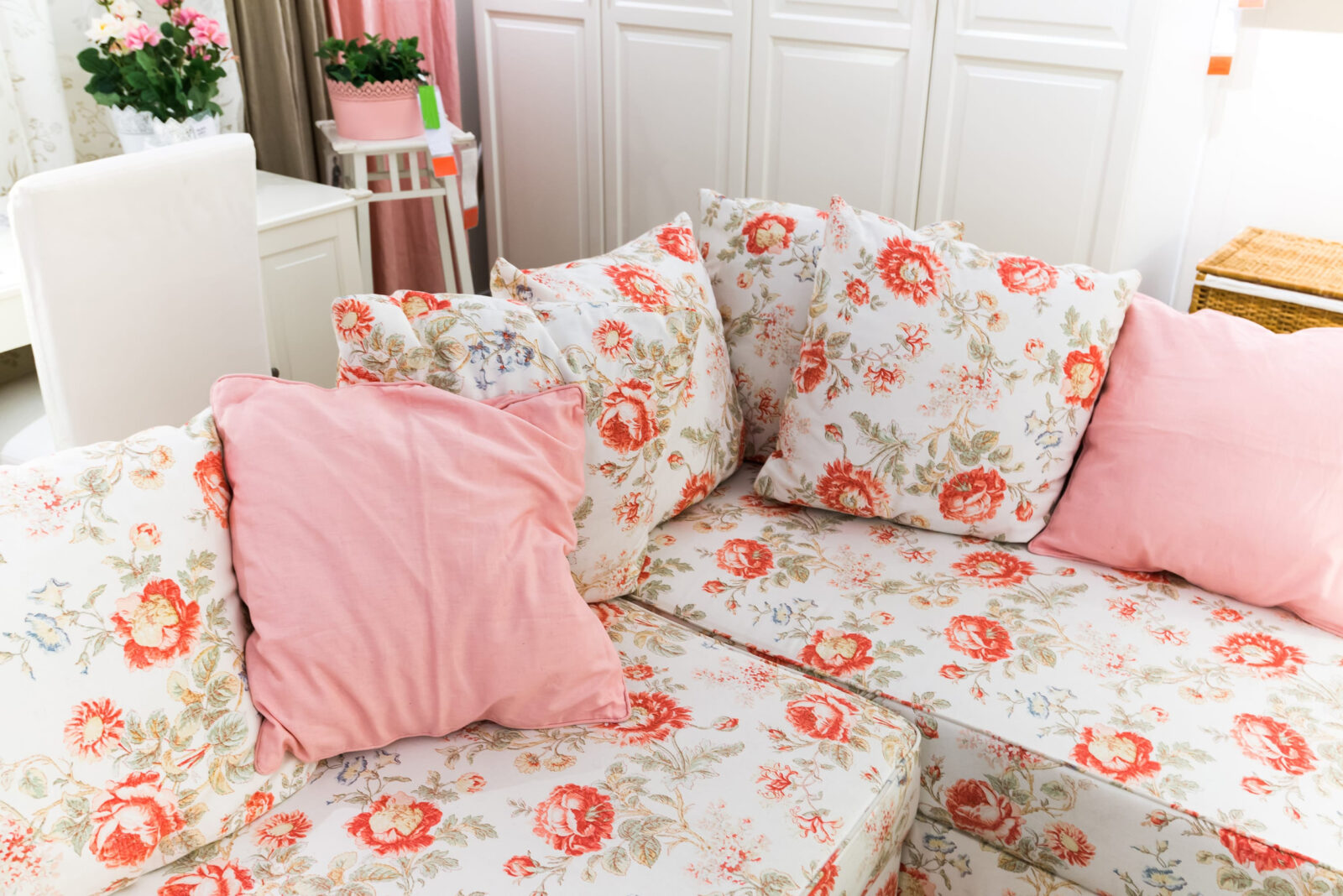
Floral upholstery was everywhere in the ’90s, from oversized sofas and armchairs to decorative cushions and dining room seats. Large flower prints, leafy patterns, and colorful botanical designs gave furniture a distinctly cozy appearance. For a while, these patterns took a back seat as plain fabrics and minimalist furniture became more popular.
Now, floral upholstery is returning, although today’s designs often use softer color combinations and more carefully selected patterns. A floral armchair can add personality to an otherwise simple living room without making the entire space feel busy. You can also introduce the look through cushions or a single upholstered bench if covering an entire sofa feels like too much.
Glass Block Walls Are Making Spaces More Interesting
Glass blocks were a recognizable feature of many ’90s homes, particularly in bathrooms, entryways, and room dividers. Their textured surfaces allowed light to pass through while providing more privacy than ordinary clear glass. They were sometimes used to create entire walls, decorative partitions, or even shower enclosures.
The material is attracting renewed interest as homeowners look for ways to bring natural light into their spaces without sacrificing privacy. Modern installations often feature cleaner arrangements and more intentional designs rather than the bulky constructions associated with older interiors. A glass block partition can work particularly well in a bathroom or between two living areas that need some separation.
Dark Wood Furniture Is Replacing All That Pale Timber
The ’90s strongly appreciated substantial wooden furniture, often featuring deep cherry, mahogany, walnut, or espresso finishes. Dining tables, bedroom sets, cabinets, and entertainment units were frequently made in darker shades that gave rooms a rich, grounded appearance. Then lighter woods and Scandinavian-inspired interiors became increasingly popular.
Dark wood is now enjoying renewed attention because it adds warmth and depth to modern spaces. A walnut dining table, dark wooden coffee table, or traditional cabinet can look beautiful against lighter walls. You don’t need to replace every piece of furniture, either. One or two darker wooden elements can create an interesting contrast without making a room feel overly heavy.
Checkerboard Floors Are Getting Another Moment
Checkerboard flooring was a popular choice in many ’90s kitchens, bathrooms, and entryways. The classic black-and-white combination was especially recognizable, though some homes experimented with softer shades and colored tiles. Its bold geometric pattern made even a relatively simple room feel more visually interesting.
Today, the pattern is appearing in updated kitchens, bathrooms, and decorative spaces. Homeowners are also experimenting with different color combinations, including cream and brown, green and white, and other softer pairings. If replacing your flooring sounds expensive, checkerboard patterns can also be introduced through rugs or smaller decorative tiles.
Glass Furniture Is Bringing Back a Touch of Glamour
Glass coffee tables, dining tables, and display cabinets were common features in ’90s interiors. They often appeared alongside chrome details, decorative lighting, and polished wooden furniture. Although glass furniture never disappeared completely, it became less prominent as people began favoring natural materials and heavier-looking pieces.
Its return makes sense in homes where keeping a room feeling open and bright is important. A glass coffee table lets more of the floor and surrounding furniture stay visible, which can make a smaller living room feel less crowded. Modern versions often combine glass with wood, metal, or sculptural bases for a more interesting appearance.
Terracotta Tiles Are Adding Warmth to Modern Homes
Terracotta was a familiar flooring and decorative material during the ’90s, particularly in kitchens, patios, and Mediterranean-inspired homes. Its reddish-brown color brought natural warmth that worked well with wooden cabinets, cream walls, and earthy accessories. As cooler gray interiors became fashionable, terracotta gradually became less common in many contemporary homes.
Now, the material is finding its way back into interiors through floor tiles, decorative pots, wall finishes, and kitchen details. Its natural variations add character, while the warm color helps a room feel welcoming. Terracotta also pairs beautifully with natural wood, linen, and other earthy materials, making it relatively easy to incorporate into different decorating styles.
Curved Furniture Is Softening Modern Living Rooms
Rounded sofas, curved armchairs, and oval coffee tables were familiar features of many ’90s interiors. These designs often looked softer and more relaxed than the sharp lines associated with some contemporary furniture. While straight-edged furniture remained popular for years, rounded shapes are now reappearing in living rooms, bedrooms, and dining spaces.
Curved furniture can make a room feel less rigid, especially when paired with angular shelves, rectangular rugs, or square coffee tables. A rounded sofa also creates a different seating arrangement that can make conversations feel more natural. You do not have to furnish an entire room with curved pieces; even a single rounded armchair can change the overall look.
Rattan and Wicker Furniture Are Returning to Indoor Spaces
Rattan and wicker furniture were popular choices in the ’90s, particularly for sunrooms, patios, and relaxed living areas. Woven chairs, baskets, decorative screens, and occasional tables brought texture into homes without relying on heavy materials. They were often associated with tropical and coastal-inspired interiors.
These materials are becoming popular again because they add warmth and natural texture to spaces that might otherwise feel too polished. A rattan accent chair can work beautifully beside a neutral sofa, while woven baskets provide practical storage for blankets and everyday household items. The trick is to balance the woven pieces with softer fabrics and contemporary furniture so the room feels current rather than like a complete recreation of a ’90s home.
Wallpaper Borders Are Finding New Ways Into Interiors
Wallpaper borders were practically a decorating staple in the ’90s. They commonly appeared near ceilings, above kitchen cabinets, or around the middle of bedroom and living room walls. Floral prints, geometric patterns, fruit designs, and decorative stripes were among the popular choices.
Although the old-fashioned versions may not appeal to everyone, decorative borders are returning in more creative forms. Some homeowners are using patterned strips to frame walls, highlight architectural details, or add visual interest to otherwise plain spaces. Today’s options include botanical illustrations, subtle geometric designs, and artistic patterns that feel more refined than the busy borders many people remember.
Statement Chandeliers Are Taking Center Stage Again
The ’90s were not exactly shy when it came to lighting. Large chandeliers, ornate ceiling fixtures, brass finishes, and decorative glass shades often served as focal points in dining rooms and entryways. These fixtures sometimes featured elaborate details that made them feel more like decorative furniture than simple light sources.
Statement lighting is enjoying another moment as homeowners look for ways to add personality to rooms. Modern interpretations include sculptural chandeliers, oversized glass fixtures, and designs that combine traditional materials with simpler shapes. A striking light fixture above a dining table or in an entryway can change a room’s atmosphere without a full renovation.
The ’90s Are Proof That Good Design Never Really Disappears
Decorating trends come and go, but many styles eventually find their way back into homes with a few changes. The return of dark wood, floral upholstery, glass blocks, and statement lighting shows people are becoming more interested in interiors with warmth, character, and personality. Not every trend needs to be copied exactly as it appeared decades ago.
The best approach is to choose the details you genuinely enjoy and mix them with pieces that suit your current home. A vintage-inspired chair, a terracotta floor, or a beautiful glass table might be all you need to bring a little ’90s charm into your space. After all, a home should feel personal, not like a showroom filled with whatever is fashionable this year.