Remember when Grandma’s house smelled like freshly baked bread, laundry hung outside in the sunshine, and there was always a little sewing basket sitting beside her favorite chair? Back then, everyday life seemed to follow a familiar rhythm, and almost every household chore had its own time and place.
For many American families, especially during the early and middle decades of the 20th century, keeping a home running involved considerably more hands-on work than it does today. Washing clothes, repairing worn socks, and preparing food could take hours rather than minutes.
Some of these traditions haven’t disappeared entirely, but modern appliances and changing lifestyles have made them far less central to everyday routines. Here are 10 old-fashioned habits that might bring back some wonderful memories of Grandma’s house.
Hanging Freshly Washed Clothes Outside
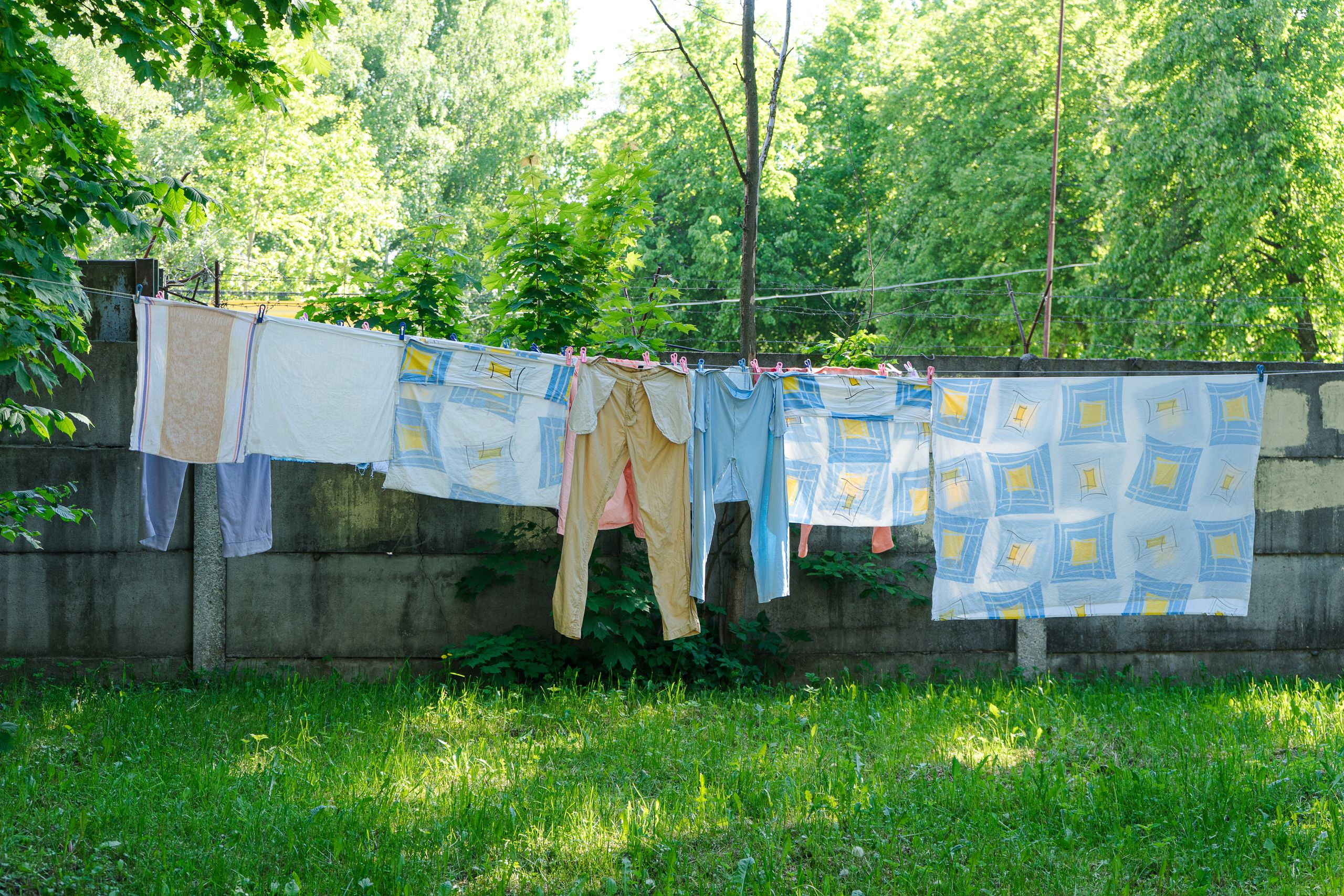
There was something unforgettable about seeing bedsheets blowing in the backyard while Grandma carefully pinned shirts and towels onto a clothesline.
Before electric dryers became common household conveniences, hanging laundry outdoors was an important part of getting clothes clean and dry.
According to Living History Farms, laundry in an Iowa farm household around 1900 involved washing, rinsing, wringing, and carrying heavy loads outside to dry.
Weather mattered, too. A sudden rainstorm could turn a successful washday into another round of work.
Today, most people are accustomed to putting clothes into a dryer and walking away. Still, clothesline drying remains popular in some households, particularly for saving electricity or enjoying naturally dried linens.
Spending Hours Ironing Clothes
If you remember Grandma setting up the ironing board and working through a large basket of clothes, you’re not alone. In some traditional households, ironing had its own designated day.
The National Park Service documents an old housekeeping routine that assigned Monday to washing and Tuesday to ironing.
Earlier generations sometimes used heavy flatirons heated on a stove. These required considerably more effort than today’s electric irons.
Clothing also needed careful pressing, especially when households wanted shirts, dresses, and collars to look neat.
Nowadays, wrinkle-resistant fabrics and casual clothing have made lengthy ironing sessions less necessary for many families. But Grandma’s perfectly pressed clothes remain a familiar memory for plenty of Americans.
Repairing Clothes Instead of Throwing Them Away
A missing button or small hole didn’t necessarily mean a trip to the store. Grandma often reached for her sewing basket.
Whether she was stitching a torn seam, patching children’s trousers, or repairing worn socks, keeping clothing usable was a practical household skill.
The Smithsonian National Museum of American History preserves examples of mending supplies from the early 20th century, showing how familiar these tools once were.
Clothing could be expensive to replace, making repairs worthwhile for many households. Today, inexpensive ready-made clothing and busy schedules sometimes make replacement easier than repair.
Still, the old habit carries a useful reminder: a small tear doesn’t always mean something has reached the end of its life.
Setting Aside a Day for Baking
Imagine walking into Grandma’s kitchen on a Saturday afternoon and finding a pie cooling near the window.
For some families, baking was part of the weekly household schedule rather than something reserved for birthdays and holidays.
Historical housekeeping routines documented by the National Park Service even designated Saturday as baking day.
Home cooks prepared familiar favorites such as bread, cakes, biscuits, and pies, depending on their circumstances and available ingredients.
Food historian Laura Shapiro’s Something from the Oven explores how American women exchanged recipes and approached home cooking during the mid-20th century.
Of course, not every grandmother baked everything from scratch. Packaged mixes and convenience foods were already changing American kitchens.
But the memory of something delicious coming out of Grandma’s oven still has a special place in many families.
Writing Handwritten Letters to Family and Friends
Before texting and social media, staying connected with someone far away often meant sitting down with a pen and paper.
Grandma might write a letter to a sister in another state, send birthday wishes to a grandchild, or share family news with an old friend.
There was something personal about choosing stationery, carefully writing each sentence, and placing the finished letter in an envelope.
According to the Smithsonian National Postal Museum, personal letter-writing declined significantly during the second half of the 20th century as other communication methods became more popular.
Today, a quick text can deliver news in seconds. But anyone who has discovered an old handwritten letter knows how meaningful those pages can become years later.
Winding the Clock by Hand
Here’s one household chore younger generations might find especially unusual. Some old-fashioned clocks needed to be wound regularly to keep running.
Grandma might have a beautiful mantel clock or wall clock that required a key and a little attention each week. The Barnes Foundation explains that certain eight-day mechanical clocks were designed to run for approximately a week between windings.
For households that owned them, remembering to wind the clock was simply part of maintaining everyday equipment.
Today, digital clocks, battery-powered watches, and smartphones keep track of time without the same routine. That gentle ticking sound, however, can still bring back memories of a quiet afternoon in an older family home.
Going to the Hair Salon for a Weekly Set
There was a time when a weekly salon visit could be an important social occasion. Women would have their hair washed, carefully placed in rollers, and dried beneath a large hooded dryer. The finished style was often intended to last until the next appointment.
The Victoria and Albert Museum documents how the weekly shampoo-and-set became a familiar routine for many British women during the mid-20th century. Similar salon styles were also recognizable in American beauty culture.
For some women, these appointments were about more than their appearance. They provided an opportunity to catch up with familiar faces, exchange neighborhood news, and enjoy a little personal attention.
Modern hairstyles and changing routines have made weekly sets less essential, but the beauty salon remains an important social space for many people.
Clipping Recipes From Newspapers and Magazines
Before Pinterest, cooking websites, and recipe videos, Grandma had a different way of collecting meal ideas. She reached for the scissors.
Recipes printed in newspapers and women’s magazines were carefully cut out and tucked into cookbooks, envelopes, or recipe boxes. Some people even wrote little notes beside them, recording substitutions or reminders for future use.
Laura Shapiro’s historical research documents how American home cooks regularly collected recipes from publications such as Woman’s Day, Ladies’ Home Journal, and Good Housekeeping. Of course, saving a recipe didn’t necessarily mean someone eventually cooked it.
But those boxes became treasured collections of cooking ideas, family favorites, and handwritten reminders.
Today, we save screenshots or bookmark websites instead. Still, a stained recipe card written in Grandma’s handwriting can feel far more personal than anything stored on a phone.
Taking Rugs Outside for a Good Beating
Long before lightweight vacuum cleaners made cleaning carpets easier, many households relied on a much more physical method.
Small rugs were carried outside, hung over a railing or clothesline, and shaken or beaten to remove accumulated dirt.
It was dusty, tiring work. A National Park Service oral-history collection includes memories of people taking rugs outdoors and using rug beaters during household cleaning.
Depending on the family, this might have been part of regular housekeeping or a larger seasonal cleaning effort.
Modern vacuum cleaners have made the process much more convenient. But the sight of a rug hanging outside and someone beating away the dust remains an unmistakable image of old-fashioned household work.
Making Butter at Home
For some rural grandmothers, butter wasn’t always something purchased in a neatly wrapped package at the grocery store.
It was something made at home. Families with access to fresh cream could use a butter churn to separate butter from the liquid. The process required repeated physical effort and additional steps before the butter was ready to use.
Traditional rural housekeeping schedules documented by the National Park Service even assigned Thursday to butter churning.
This wasn’t a universal practice among American grandmothers, especially as commercially produced butter became widely available.
But for families who lived on farms or maintained older food traditions, homemade butter was a familiar part of household life.
Today, most shoppers simply pick up a package from the refrigerated section without thinking about the work that once went into making it.