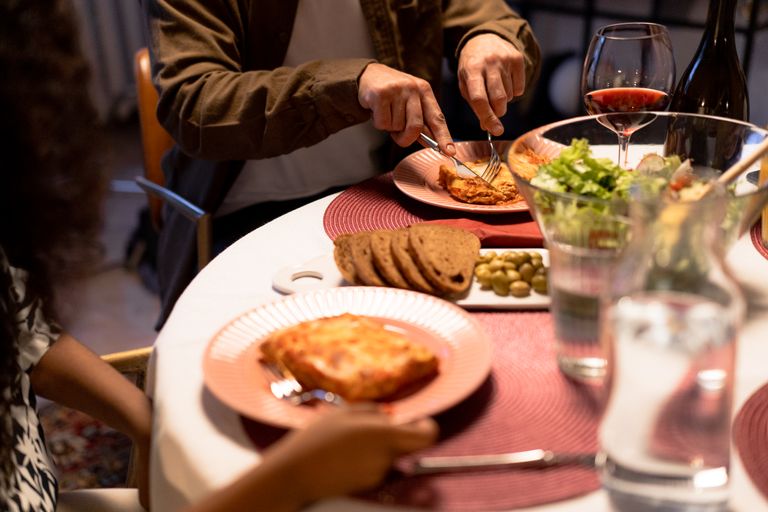
As the holiday season approaches, many households begin preparing for visitors, celebrations, and shopping. Decorations come out of storage, cupboards become crowded with groceries, and spare rooms may need to accommodate visiting relatives.
Before those activities take over the house, November can be a useful time to reconsider what is taking up unnecessary space. Professional organizers often encourage people to deal with clutter before the busiest weeks of the year rather than waiting until every room feels overwhelming.
The goal is not to throw away everything old. It is to make room for the things a household actually uses. Here are nine areas worth reviewing before holiday preparations become hectic.
Broken Seasonal Decorations
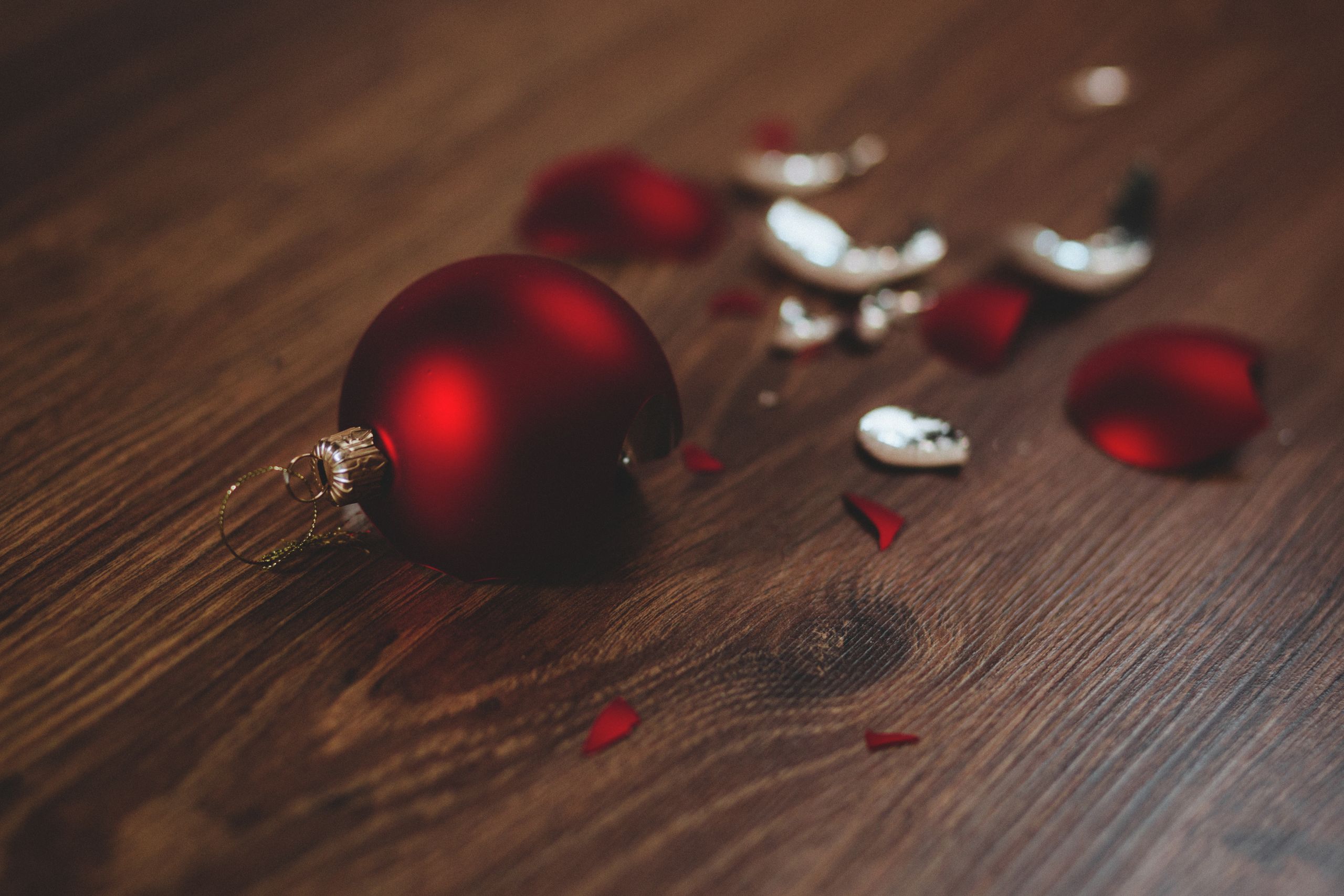
Holiday decorations often stay in storage long after they stop being useful. A box may contain tangled lights, broken ornaments, damaged wreaths, or decorations that no longer fit the household’s preferred style.
Instead of returning everything to storage, take time to inspect each item. Separate decorations that can be repaired from those that are no longer usable.
This also makes it easier to understand what needs replacing before the next celebration.
Related: 8 Ways to Declutter Your Home and Simplify Your Life
Expired Spices and Forgotten Condiments
Kitchen cupboards can become crowded with seasoning containers, sauces, and condiments purchased for recipes that were only prepared once.
Check the dates and condition of these products before making room for holiday ingredients. Some containers may be nearly empty, while others may have been sitting unused for months.
Organizing the cupboard also makes it easier to locate ingredients when preparing several dishes at once.
Food Storage Containers Without Matching Lids
A collection of plastic containers can quickly become frustrating when the lids and bases no longer match.
Take everything out of the cupboard and pair the containers with their correct lids. Set aside damaged pieces and decide whether the remaining collection is larger than the household actually needs.
A smaller, organized collection is often easier to store and retrieve.
Clothes That No Longer Fit or Get Worn
Closets can get crowded with clothes that haven’t been worn in a long time. Some pieces may no longer fit, while others may have been kept simply because they were expensive or received as gifts.
Reviewing the wardrobe before the holiday season can make room for outfits that are actually used.
Clothes in good condition can be donated or passed along, while damaged pieces can be sorted for appropriate textile recycling where available.
Related: 7 Easy, Fast-Growing Vegetables You Can Harvest in Almost No Time
Old Shopping Bags and Packaging
Reusable shopping bags are useful, but keeping every bag from every shopping trip can create another form of clutter.
Choose a manageable number that fits in a designated storage area. The same review can be applied to empty gift boxes, packaging materials, and delivery bags that have accumulated around the house.
Keeping a few useful boxes for future storage or gifts is reasonable. Holding on to every piece of packaging is rarely necessary.
Unused Kitchen Gadgets
Kitchen drawers often contain gadgets purchased for a particular recipe or cooking trend. Some may have been used once and forgotten.
Review items such as duplicate peelers, old measuring tools, unused slicers, and bulky appliances that take up valuable cupboard space.
If an item is still useful but rarely needed, consider storing it somewhere less accessible instead of letting it crowd the everyday cooking area.
Old Paperwork and Unnecessary Receipts
Paper clutter can build up quietly. Old shopping receipts, outdated instruction leaflets, duplicate documents, and expired promotional materials may occupy drawers and shelves.
Sort paperwork into categories before discarding anything. Store important financial, legal, property, and personal documents securely, based on their purpose and applicable requirements.
For documents that are no longer needed, use a secure disposal method when they contain personal information.
Toys and Games That Are No Longer Used
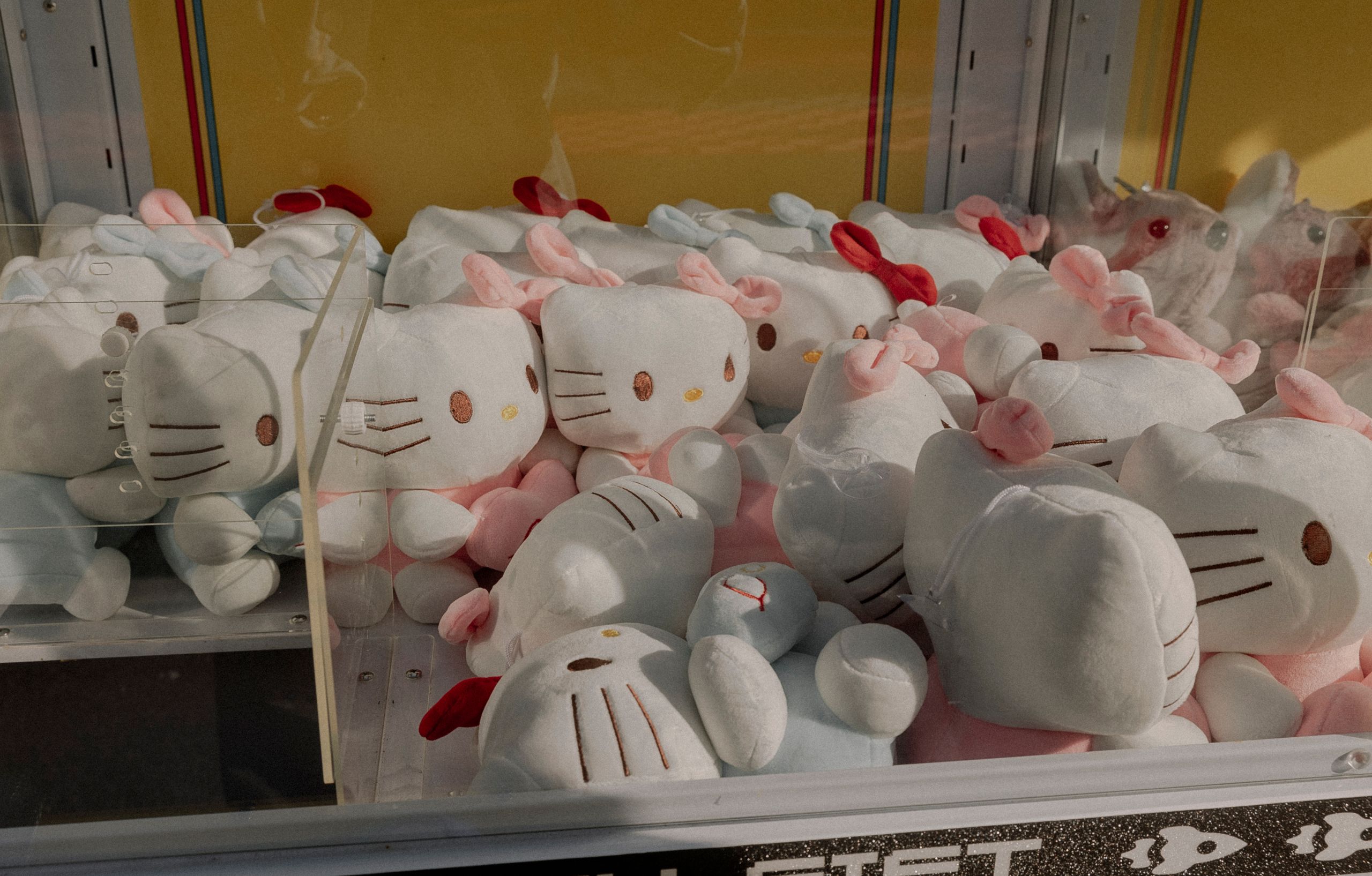
Families with children may find that toys, puzzles, and board games accumulate throughout the year.
Before bringing new gifts into the house, review what is already available. Separate complete games from those with missing pieces, and identify toys that children have outgrown or no longer use.
Items in good condition can be donated if they are suitable for another household. This can also help children prepare their rooms for the holiday period.
Related: 15 Everyday Items That Are Worth More Than You Think
Decorative Items That Have Lost Their Place
Decorative objects can make, tables, and countertops can make rooms difficult to clean and arrange.
Look at each space and decide which pieces still contribute to the room. Store, donate, or pass along items that no longer fit the decor.
The goal isn’t to make the home look empty. It is to give meaningful pieces enough space to stand out.
Final Thought
Preparing a home for the holiday season does not have to begin with expensive storage products or a major makeover. A thoughtful review of decorations, kitchen cupboards, closets, and everyday belongings can make the house easier to manage.
Starting in November gives households time to make decisions gradually instead of rushing through everything just before guests arrive.