Your living room should be the place where you can relax, entertain guests, and feel completely comfortable. But sometimes, the very things we keep on display can make the space feel more chaotic than welcoming. And the surprising part? You might have stopped noticing them altogether.
From outdated decorations to everyday items that somehow become permanent fixtures, certain things can quietly make even a beautifully furnished living room look messy. The good news is that you don’t need an expensive makeover to fix the problem. A few thoughtful changes can make a noticeable difference.
Here are 10 things to remove, relocate, or rethink to make your living room feel more organized and inviting.
A Collection of Half-Empty Water Bottles
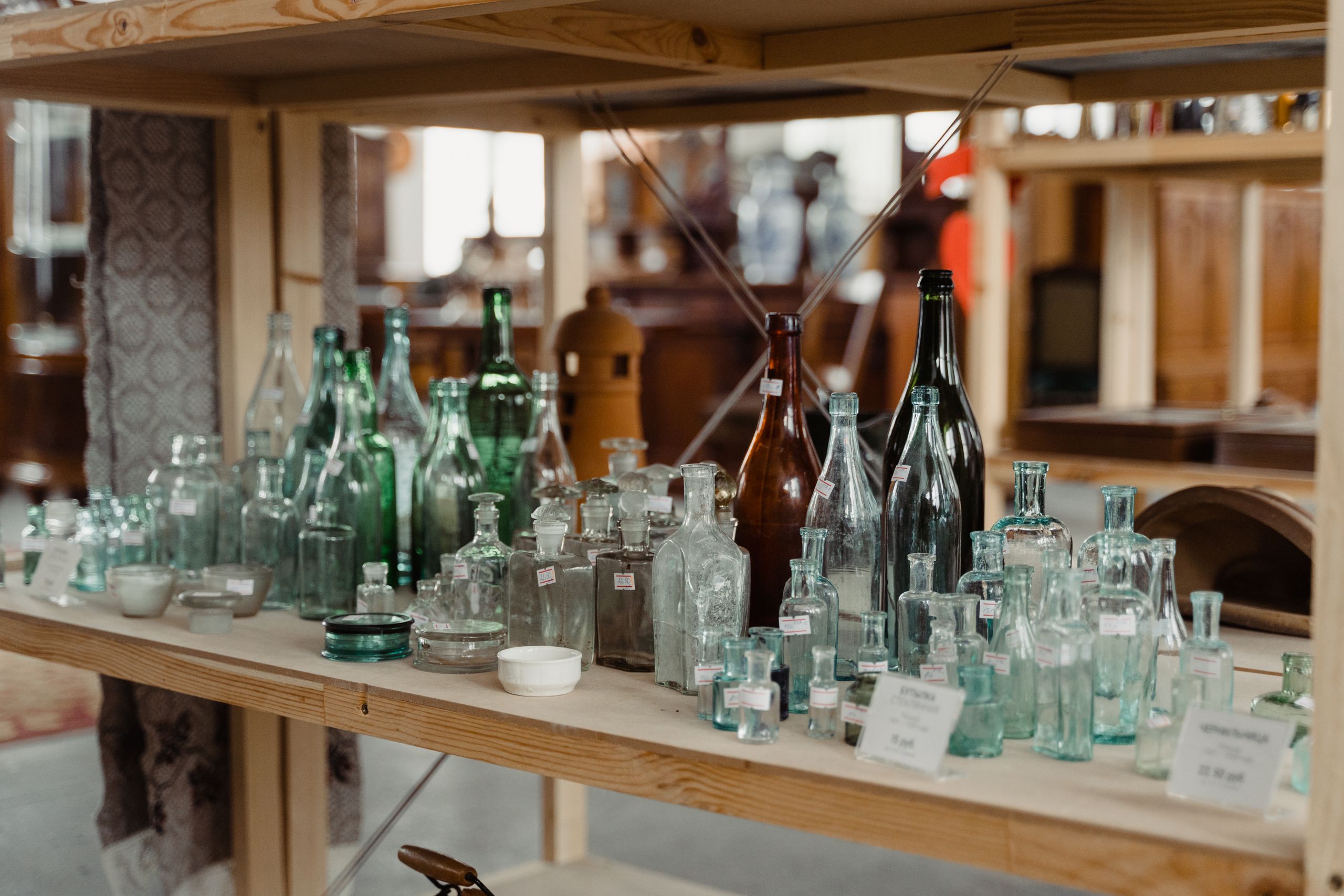
It starts innocently enough. You bring a bottle of water to the couch, take a few sips, and leave it on the side table. Before you know it, several bottles have gathered around the room.
Half-empty bottles can make your living room look untidy, especially when they’re scattered across coffee tables, shelves, and windowsills.
Instead of letting them accumulate, make a habit of clearing them away each evening. A reusable water bottle or a designated drinking station can help keep things organized without sacrificing convenience.
Too Many Decorative Throw Pillows
Throw pillows can make a couch look warm and inviting, but there’s a point where decoration becomes an inconvenience.
If guests have to remove five or six pillows before finding somewhere to sit, your arrangement might be working against you.
A few well-chosen cushions can create a more balanced appearance while leaving enough space for people to relax.
Consider mixing different textures rather than piling on more pillows. Two or three thoughtfully arranged cushions may achieve the cozy look you’re after without overwhelming the furniture.
Old Magazines Nobody Reads Anymore
A stack of magazines on the coffee table might have started as a decorative touch. But when the pile grows taller, and the issues become outdated, it can make the room feel neglected.
There’s nothing wrong with keeping a few favorite publications, especially if you enjoy reading them.
However, magazines you haven’t opened in months probably don’t need a permanent spot in your living room.
Recycle outdated issues, donate suitable publications, or keep your favorites in a magazine holder. Your coffee table will have more breathing room immediately.
Tangled Charging Cables Everywhere
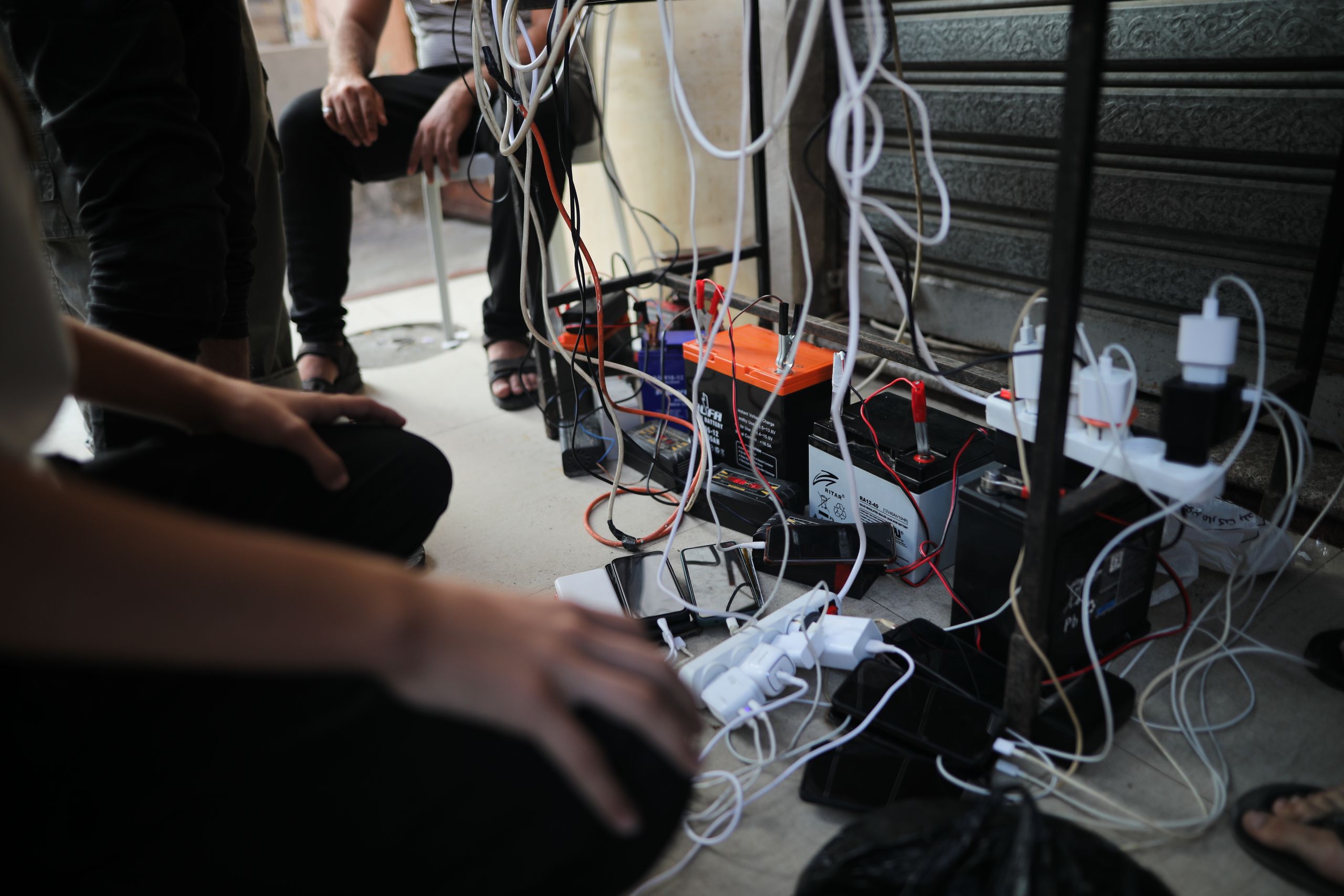
Phones, tablets, laptops, speakers, and other gadgets have turned many living rooms into unofficial charging stations.
Unfortunately, tangled wires hanging from outlets or stretching across tables can distract from an otherwise tidy space.
You don’t need to get rid of electronics to solve the problem.
Try cable clips, cord organizers, or a charging station tucked beside a sofa or cabinet.
Keeping cables neat also makes it easier to find the charger you need without untangling a bundle every time your phone battery runs low.
Decorations That Have Lost Their Purpose
Remember that decorative vase you bought years ago because it matched your old curtains? Or the artificial flower arrangement that has collected dust for several seasons?
Sometimes, we continue displaying things simply because they’ve always been there.
But decorations that no longer reflect your taste can make a room feel dated or overcrowded.
Take a fresh look at your shelves and tables. Keep the pieces you genuinely enjoy and consider storing, donating, or repurposing the rest.
A little space can be just as attractive as another decorative object.
Shoes Scattered Near the Couch
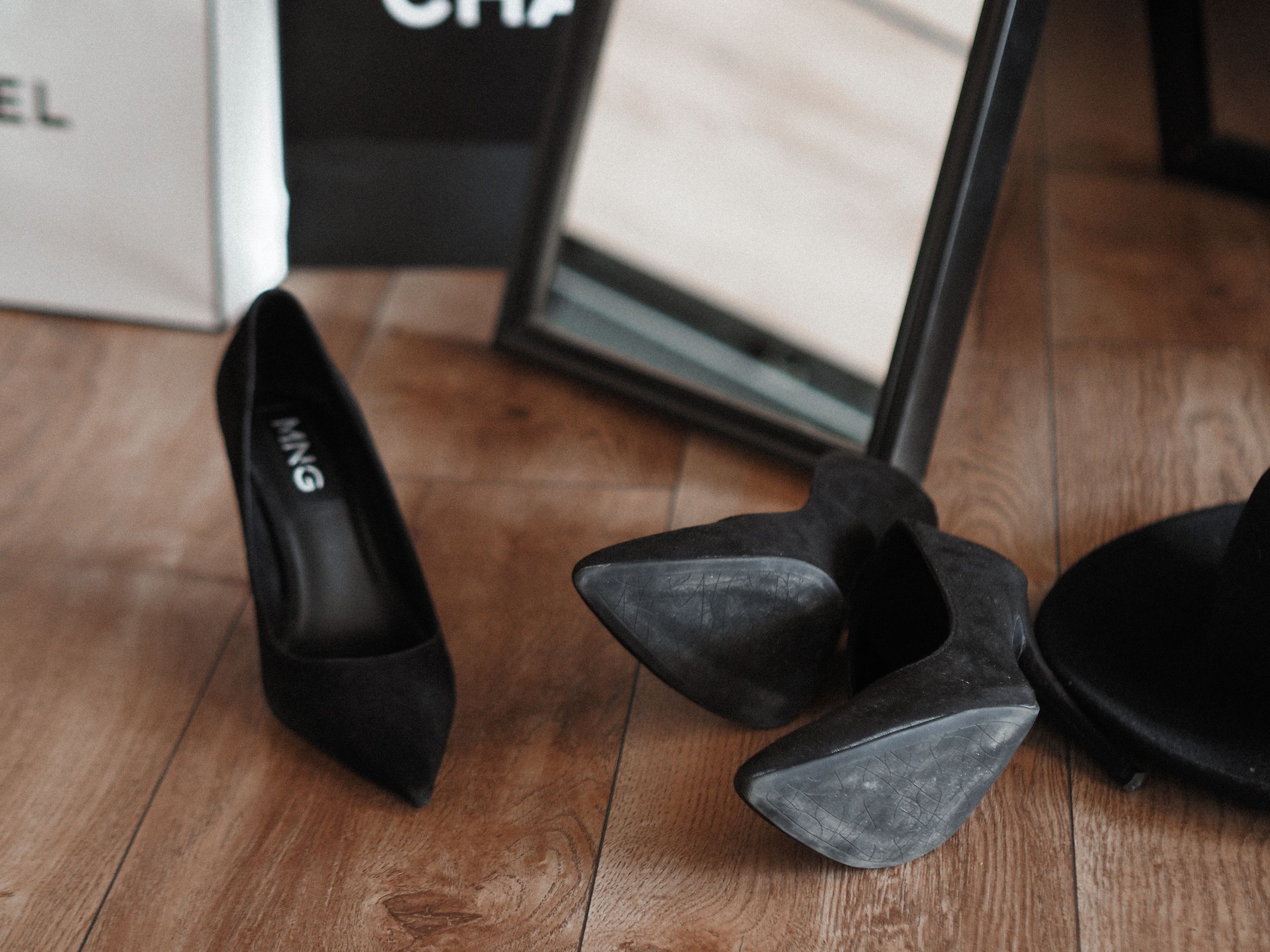
It’s convenient to kick off your shoes after a long day, especially when the couch is only a few steps away.
But when slippers, sneakers, and sandals start piling up around the furniture, your living room can quickly start to feel like an entryway.
If removing shoes indoors is part of your household routine, give them a designated place.
A small shoe rack, basket, or storage bench near the entrance can keep footwear organized.
That simple change helps keep the living room a place to relax, not a place to store everything you take off when you get home.
An Overcrowded Display of Family Photos
Family photographs add personality and warmth to a home. They remind us of important people, happy moments, and meaningful milestones.
However, covering every available shelf and tabletop with framed pictures can look crowded.
Instead of displaying dozens of photographs in different-sized frames, consider creating a gallery wall or choosing a smaller selection of favorites.
You can also rotate photographs throughout the year.
This allows you to celebrate cherished memories while giving each picture enough space to be appreciated.
Unopened Mail and Random Paperwork
Your living room shouldn’t have to double as storage for bills, receipts, advertising flyers, and unopened envelopes.
Yet paperwork can surprisingly accumulate on side tables and entertainment units.
The problem often begins when you place one letter somewhere convenient and promise to deal with it later.
Before long, that single envelope becomes a pile.
Create a designated spot for incoming mail, preferably away from the living room. Sort papers regularly, recycle unwanted flyers, and file important documents.
An uncluttered table can make the entire space feel calmer.
Too Many Small Decorative Figurines
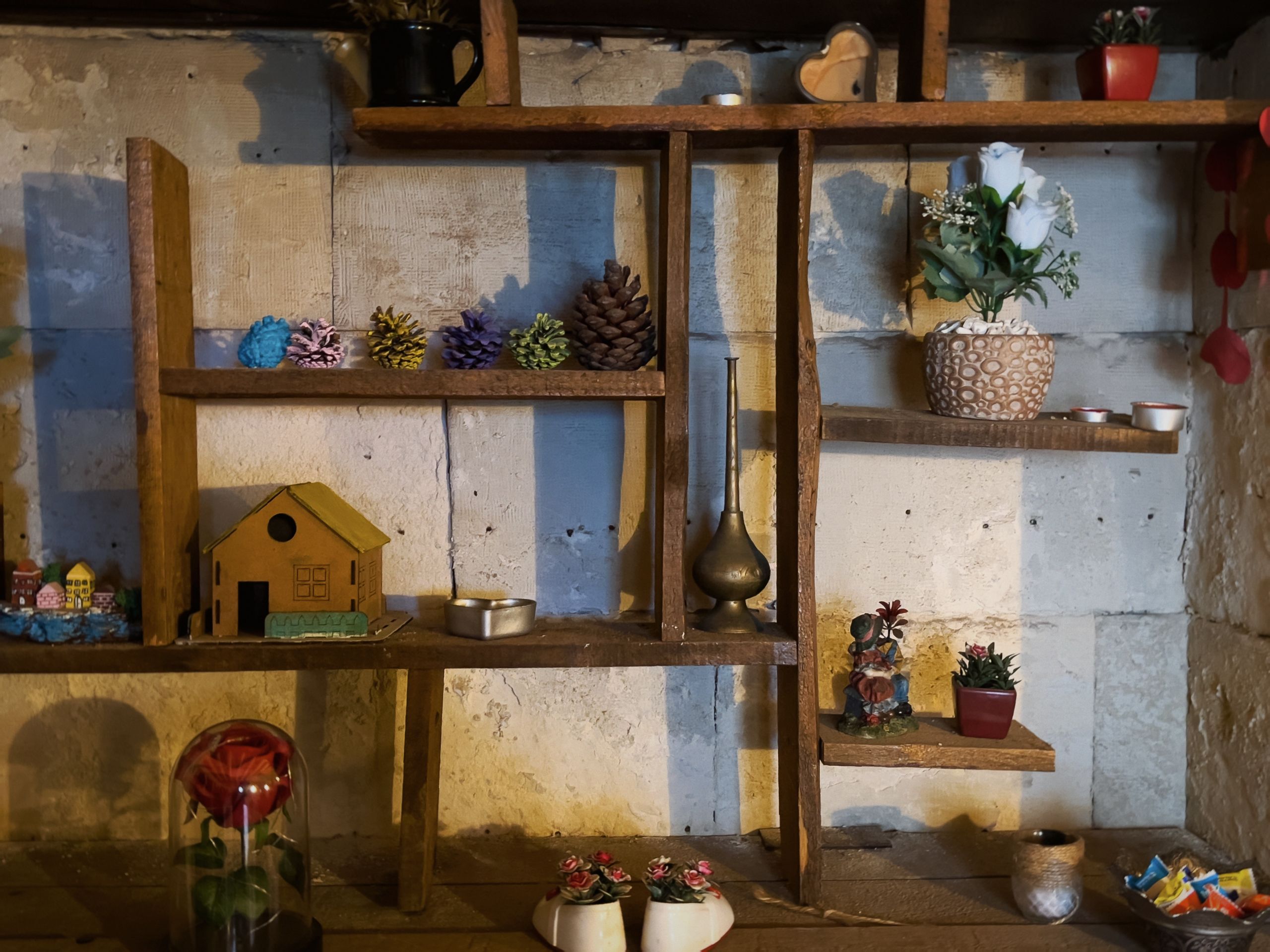
Small ornaments can be charming, especially when they hold sentimental value.
But a collection of miniature animals, souvenir statues, ceramic figures, and decorative trinkets can quickly overwhelm shelves.
When every surface is filled with tiny objects, the eye has nowhere to rest.
Rather than displaying your entire collection at once, choose a few favorite pieces and arrange them together.
You can rotate the others whenever you want a fresh look.
This approach also makes dusting easier, which is a welcome bonus for anyone tired of moving dozens of small objects every time they clean.
Exercise Equipment That Never Gets Put Away
A pair of dumbbells beside the sofa might seem harmless. Add a yoga mat, resistance bands, and an exercise ball, though, and your living room may start looking like a miniature gym.
There’s nothing wrong with working out at home, especially if the living room offers the best available space.
The problem comes when exercise equipment remains scattered around long after the workout ends.
Try storing smaller items in a basket or cabinet. Tuck foldable equipment behind furniture when you’re not using it.
If you exercise regularly in the living room, a designated storage corner can make switching between workout time and relaxation much easier.