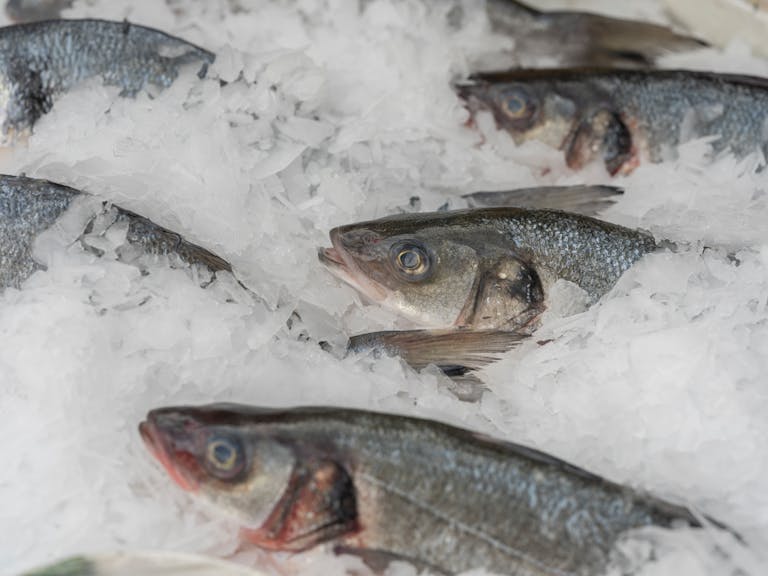
A grocery cart can hold a few surprises, and some aren’t visible on the packaging. That carton of fresh milk, bag of crisp sprouts, or beautifully arranged tray of oysters might look perfectly ordinary. But food-safety experts know that appearances don’t always tell the whole story.
A CDC investigation published in 2025 identified 171 Salmonella cases across five states linked to raw dairy products during 2023 and 2024. It’s a reminder that careful shopping involves more than checking prices and expiration dates.
That doesn’t mean every food on this list is contaminated or deserves a permanent ban from your kitchen. Some require careful handling, while others come with specific recommendations for pregnant people, older adults, and those with weakened immune systems.
Here are seven grocery purchases worth examining more closely before they hit your cart.
Raw, unpasteurized milk
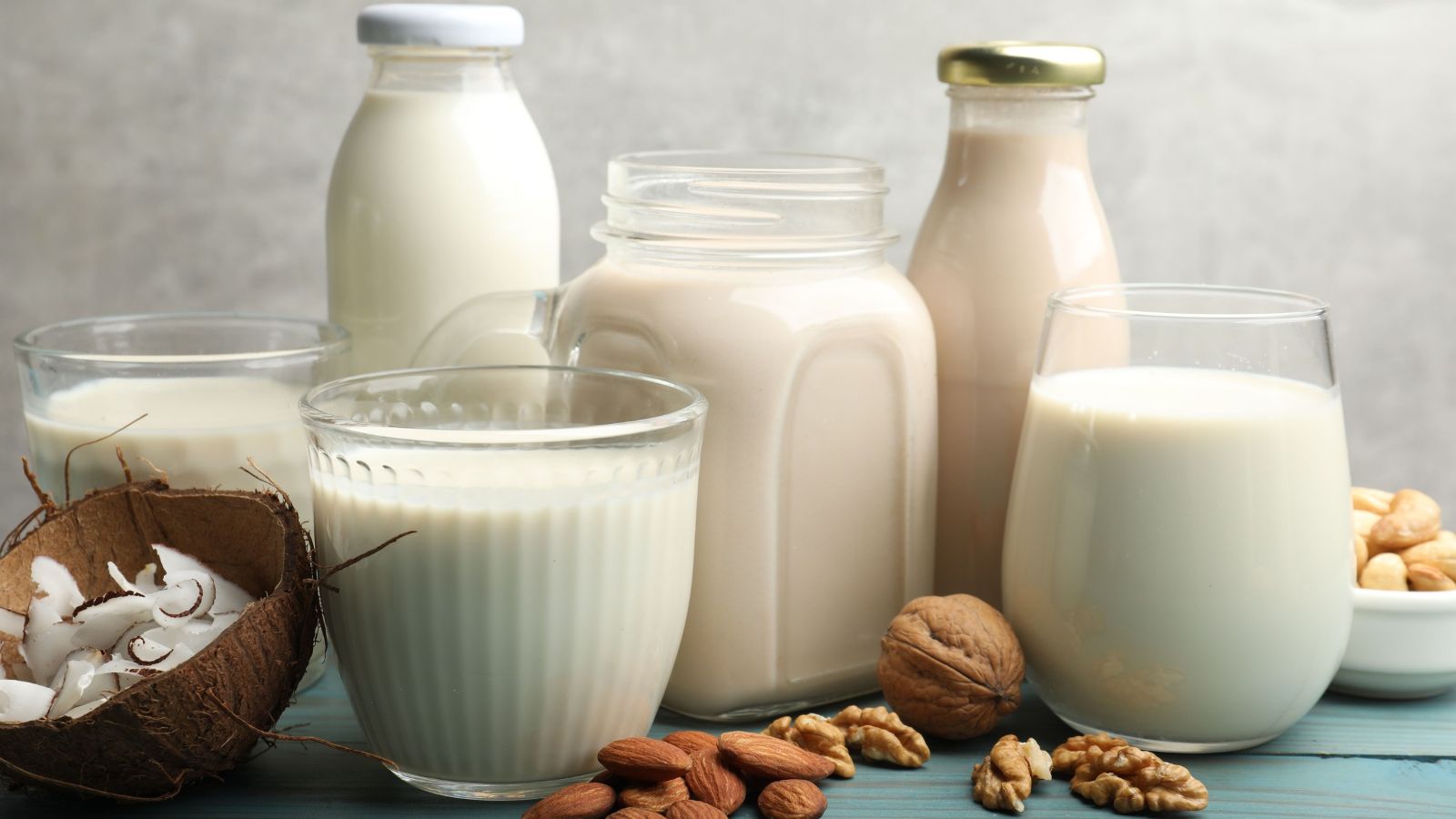
Fresh from the farm sounds wonderfully old-fashioned, doesn’t it? Raw milk often carries that rustic appeal, but skipping pasteurization raises important considerations.
According to the Centers for Disease Control and Prevention, raw milk can contain bacteria such as Salmonella, E. coli, Campylobacter, and Listeria. Even careful farm management cannot guarantee it is free of contamination.
A CDC investigation published in July 2025 documented 171 cases associated with raw dairy products across five states. Approximately 70% involved people younger than 18.
The agency recommends choosing pasteurized milk, even when unpasteurized alternatives come from licensed producers.
The important distinction isn’t whether milk looks fresh or comes from a picturesque dairy farm. It’s whether the product has undergone pasteurization.
Raw sprouts
A handful of fresh sprouts can give a sandwich that delicate crunch and garden-fresh appearance. Unfortunately, the conditions that help sprouts grow also create an opportunity for unwanted bacteria.
The Food and Drug Administration explains that sprouts develop in warm, humid environments. Even a small number of bacteria on seeds can multiply considerably during sprouting.
Washing isn’t always enough because contamination can occur inside seeds, where rinsing cannot easily reach it.
The FDA particularly advises children, pregnant people, older adults, and those with weakened immune systems to avoid raw or lightly cooked sprouts.
If sprouts regularly appear in your sandwiches or stir-fries, thorough cooking is a safer option. You can still enjoy their distinctive texture in a cooked dish.
Cold deli meats
There’s something wonderfully convenient about a deli sandwich. A few slices of meat, fresh bread, and your favorite toppings can turn an ordinary afternoon into lunchtime bliss.
But for certain shoppers, those ready-to-eat slices deserve additional attention.
According to the CDC’s Listeria-prevention guidance, pregnant people, adults 65 and older, and individuals with weakened immune systems should reheat deli meats, cold cuts, hot dogs, and certain sausages to 165°F or until steaming hot.
Listeria can grow in refrigerated food, meaning cold storage alone doesn’t eliminate the concern.
The good news is that reheated deli meat can cool before you eat it. And remember, discard or return recalled products, not reheat them in an attempt to salvage them.
For most shoppers, deli meat isn’t automatically off the menu. The important consideration is who’s eating it and how it’s prepared.
Refrigerated smoked fish
Silky slices of smoked salmon can make a simple bagel feel like something from a fancy breakfast café. Yet not every smoked fish product belongs in the same food-safety category.
The CDC identifies refrigerated smoked fish as a food that people at increased risk of Listeria infection should avoid unless thoroughly cooked.
The FDA notes that refrigerated smoked seafood may carry labels such as lox, nova-style, kippered, or smoked.
Refrigerated smoked fish differs from unopened, shelf-stable versions that don’t require refrigeration.
For higher-risk shoppers, the CDC identifies shelf-stable smoked fish and smoked fish incorporated into thoroughly cooked dishes as alternatives.
Before adding smoked salmon to your cart, check how it’s packaged, stored, and intended to be served.
Pre-cut fruit and bagged produce that isn’t properly chilled
Few grocery-store displays are more inviting than colorful containers of freshly cut watermelon, pineapple, and ready-to-eat salad greens.
But convenience shouldn’t come at the expense of proper storage.
The FDA’s produce-shopping recommendations advise choosing pre-cut or packaged produce that is refrigerated or surrounded by ice.
According to federal food-safety guidance, perishable groceries should generally be refrigerated within two hours. When temperatures exceed 90°F, that window drops to one hour.
Additional handling also creates opportunities for contamination, and cut melon can support bacterial growth without showing obvious changes in appearance.
That doesn’t mean bagged salads and prepared fruit are automatically poor purchases. Proper refrigeration makes all the difference.
If a product that should be chilled is sitting unrefrigerated, it’s worth leaving it behind.
Oysters intended for raw consumption
A platter of oysters on ice has a certain elegance, especially when paired with fresh lemon wedges and a splash of hot sauce.
Unfortunately, those familiar toppings aren’t substitutes for proper preparation.
According to the CDC’s guidance on oysters, raw or undercooked oysters can contain Vibrio bacteria. Lemon juice, hot sauce, and alcohol do not eliminate these bacteria.
Proper cooking is the recommended way to reduce this risk.
However, cooking doesn’t solve every shellfish concern. Certain naturally occurring marine toxins cannot be removed through cooking or freezing.
That’s why you should never consider officially recalled or implicated shellfish suitable simply because you plan to cook them.
The distinction matters: buying oysters to cook is different from buying them to eat raw.
Bulging, leaking, or deeply dented canned goods
Canned goods are the dependable workhorses of countless kitchen pantries. From beans to tomatoes, they make everyday cooking wonderfully convenient.
But that bargain-priced can with an unusual bulge or deep dent deserves a second look.
The USDA’s Food Safety and Inspection Service warns against purchasing cans that are leaking, bulging, or badly dented.
Deep dents, particularly those affecting seams, can compromise the container’s seal.
Not every tiny dent is a reason for alarm. The USDA distinguishes minor cosmetic damage from serious structural problems.
However, suspicious containers shouldn’t be opened for a quick taste test.
A discounted can might save a little money, but choosing an undamaged package is a much better bargain.
The final takeaway
Grocery shopping should feel like an opportunity to discover delicious ingredients, not a guessing game about every product on the shelf.
These seven examples demonstrate that small details matter. Pasteurization, refrigeration, cooking methods, and packaging conditions can influence whether a purchase is appropriate for your household.
The most useful shopping habit isn’t avoiding entire categories without understanding why. It’s reading labels, checking storage conditions, following official guidance, and recognizing when extra caution makes sense.
After all, a well-stocked kitchen begins long before the first pot reaches the stove. It starts with the choices you make in the grocery aisle.