Imagine walking into your favorite grocery store and discovering that some of the foods you’ve enjoyed your entire life are suddenly difficult to find. Your morning coffee costs twice as much, chocolate becomes an occasional luxury, and bananas are no longer the inexpensive fruit you remember. It sounds like a strange future, but scientists already warn of threats to several familiar foods. Rising temperatures, unpredictable rainfall, destructive plant diseases, and changing growing conditions are pressuring farms worldwide. Although these foods are unlikely to disappear completely anytime soon, some could become increasingly expensive, scarce, or harder to produce where they grow today.
Coffee
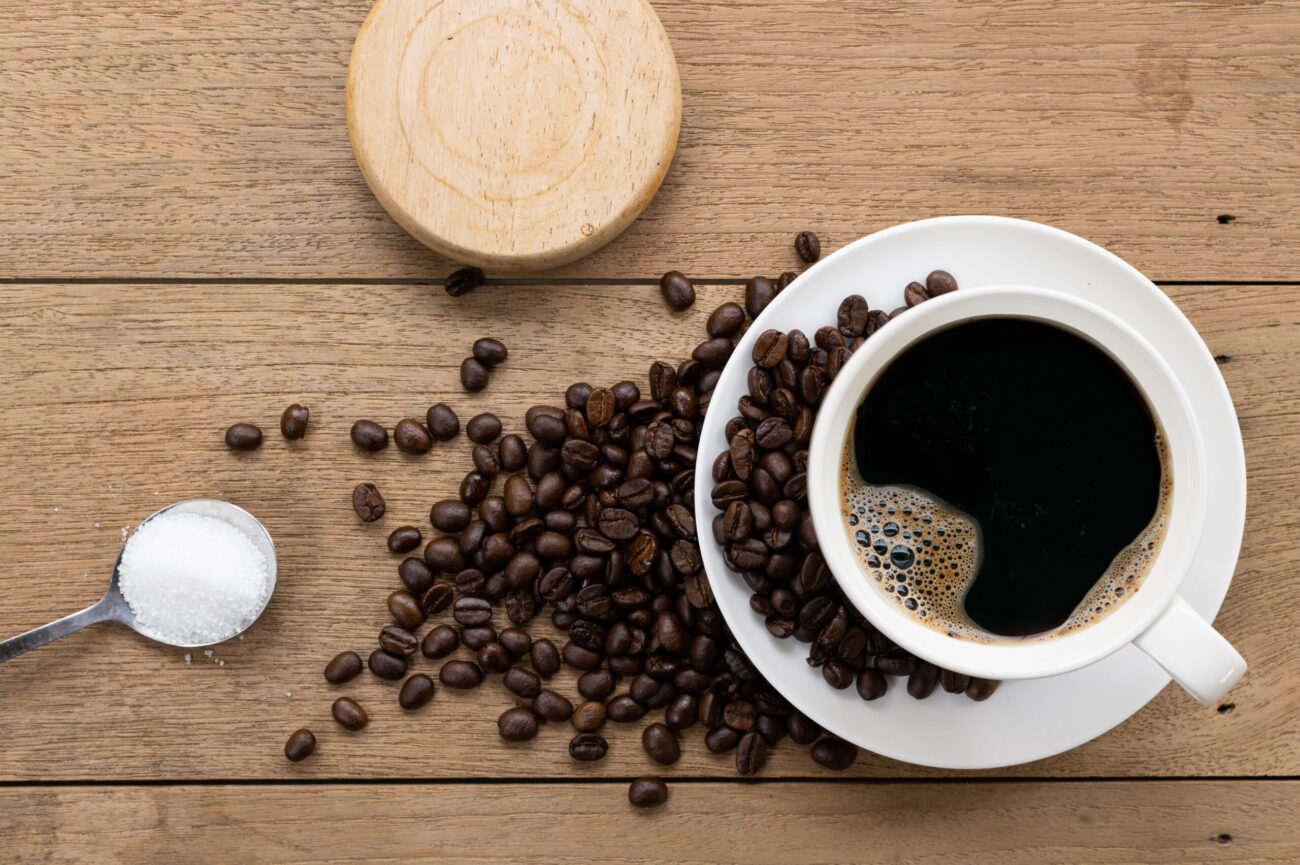
For millions of Americans, starting the morning without coffee is almost unimaginable. However, the future of this everyday favorite is becoming increasingly uncertain as climate change affects major coffee-producing regions.
Coffee plants depend on suitable temperatures, rainfall, and growing conditions. When these conditions change, farmers can face smaller harvests, lower-quality beans, and rising production costs. Arabica coffee, widely valued for its flavor, is particularly sensitive to environmental changes.
A 2026 study published in Plants, People, Planet projected substantial declines in suitable growing conditions across several major coffee-producing regions. Countries in Central and South America face particularly significant challenges under higher-emissions scenarios.
Scientists are exploring more resilient coffee varieties and alternative growing locations. Coffee isn’t disappearing tomorrow, but keeping it affordable and widely available could become increasingly challenging.
Chocolate
Chocolate is one of those treats people rarely imagine living without. Unfortunately, the cacao trees that produce it face increasingly difficult growing conditions.
Much of the world’s cocoa supply comes from West Africa, particularly Côte d’Ivoire and Ghana. These regions have traditionally offered favorable conditions for cacao cultivation, but rising temperatures are changing that.
A 2025 analysis by Climate Central found that human-caused climate change has increased the number of extremely hot days in major West African cocoa-producing areas. Excessive heat can interfere with production and affect the quality of harvested cacao beans.
The consequences extend beyond chocolate lovers. Farmers who depend on cacao for their livelihoods face uncertain harvests, while chocolate manufacturers must manage unpredictable supplies.
Chocolate will almost certainly remain available in some form, but familiar chocolate bars could become more expensive as producers struggle with changing conditions.
Bananas
Bananas might seem like one of the most dependable fruits in the grocery store. They are affordable, widely available, and found in everything from breakfast smoothies to homemade banana bread.
Yet the familiar Cavendish banana faces a particularly serious threat from a destructive fungal disease known as Tropical Race 4, or TR4.
The fungus attacks banana plants through their roots and can remain in contaminated soil for decades. Once established, it becomes extremely difficult to control, and infected plantations can suffer devastating losses.
According to the United Nations Food and Agriculture Organization, Cavendish bananas account for roughly half of worldwide banana production. Their widespread cultivation makes the industry especially vulnerable to diseases that attack this particular variety.
Researchers are developing resistant varieties and improving disease-control methods. The most likely threat isn’t the disappearance of every banana, but the possibility that today’s familiar supermarket variety could eventually become much harder to produce.
Related: 9 Bizarre 1960s Food Trends That Deserve to Stay Buried
Oranges
A cold glass of orange juice has been a breakfast tradition in American households for generations. However, orange growers, particularly those in Florida, have been struggling with a serious agricultural crisis.
One of the biggest problems is citrus greening, a bacterial disease spread by tiny insects. Infected trees gradually weaken, produce poor-quality fruit, and may eventually die.
Florida has also experienced damaging hurricanes and other weather-related problems that have further reduced production.
According to the U.S. Department of Agriculture, Florida’s orange production declined dramatically after its early-2000s peak because of disease and natural disasters.
Other regions continue growing oranges, so worldwide extinction is extremely unlikely. Nevertheless, the difficulties facing Florida illustrate how a once-reliable regional food supply can change dramatically in just a few decades.
For consumers, the consequences may include greater dependence on imported orange juice and continued price pressure.
Vanilla
Vanilla might seem like a simple baking ingredient, but producing genuine vanilla beans is a surprisingly demanding process.
The vanilla orchid requires particular growing conditions, and commercial production involves considerable labor. The crop is especially important in Madagascar, where many farming families depend on vanilla cultivation.
Changing rainfall patterns, drought, and rising temperatures are adding new challenges to an already delicate agricultural process.
Scientists are also concerned about the future of wild vanilla plants. A 2025 study highlighted how climate change could separate certain wild vanilla species from the insects that pollinate them.
These wild varieties are important because they contain genetic diversity that could help researchers develop more resilient commercial plants in the future.
Artificial vanilla flavoring offers manufacturers an alternative, but genuine vanilla beans could become harder and more expensive to produce if environmental pressures continue.
Olive Oil
Olive oil has become a kitchen staple in countless American homes. People use it for everything from preparing pasta dishes to roasting vegetables and making homemade salad dressings.
However, the Mediterranean regions responsible for much of the world’s olive oil production face growing challenges from drought, heat, and water scarcity.
Olive trees can tolerate relatively dry conditions, but prolonged water shortages and extreme weather can still interfere with fruit development and harvests.
The European Union’s agricultural outlook for 2025–2035 identifies climate change and water scarcity as important pressures on olive cultivation, particularly in traditionally important producing regions.
There is some encouraging news. International Olive Council figures show that global olive oil production recovered considerably during the 2024–2025 crop year. This demonstrates that difficult harvests do not necessarily mean permanent shortages.
Still, as weather patterns become more unpredictable, consumers may experience larger price swings and changing availability of their preferred olive oils.
Related:7 Foods You Should Never Store in the Fridge Door, According to Food Safety Experts
Maple Syrup
Few foods are more closely associated with a traditional North American breakfast than maple syrup. Its distinctive flavor comes from the sap collected from maple trees, making production closely tied to seasonal weather.
Maple syrup producers depend on a particular combination of freezing nights and warmer days to encourage sap flow. When winter temperatures become less predictable, the timing and length of the harvesting season can change.
A 2026 assessment by the University of Wisconsin–Madison Extension and USDA climate experts identified several growing concerns, including earlier tapping seasons, fewer freezing days, and changes in snow cover.
These changes don’t mean maple syrup production will suddenly stop. Farmers can adjust collection methods, and some northern regions may remain suitable for production.
However, traditional maple-producing areas could face increasing difficulties, potentially affecting supplies and prices over time.
Could These Foods Really Disappear?
The possibility of losing familiar foods can sound frightening, but it’s worth remembering an important distinction. Scientists generally aren’t predicting that coffee, bananas, chocolate, or the other foods on this list will vanish from Earth within the next few years. The greater concern is that certain varieties could become less common, traditional growing regions could become unsuitable, and production could become more expensive.
Agricultural researchers are already developing disease-resistant crops, exploring new growing methods, and helping farmers adapt to changing environments. These efforts could make a considerable difference in determining which foods remain readily available for future generations.
For consumers, the earliest signs of change may appear in everyday shopping habits. A favorite product might cost more, become available only seasonally, or contain ingredients sourced from a different region.
The foods we enjoy today have long histories, but their future depends on how successfully agriculture adapts to the challenges ahead.
Which food on this list would be the hardest for you to give up, and what would you replace it with if it became too expensive to buy?