A recipe name can bring an entire kitchen back into focus. Salmon loaf cooling in its pan. A bright tomato mold waiting to be unmolded. Creamed beef spooned over toast.
For some Americans, these dishes need no introduction. For others, they sound like something pulled from a community cookbook rather than served for supper.
No single national dinner table ever existed. What counted as an ordinary meal depended on region, household budget, available ingredients, and family tradition.
These ten dishes belong to different parts of that history. Some have receded from broader attention; others remain familiar within particular communities. Together, they show how home cooks turned preserved ingredients, leftovers, sauces and a little presentation into meals worth remembering.
Creamed Chipped Beef on Toast
Thin pieces of dried beef in a creamy sauce make a straightforward topping for toast. The meat supplies concentrated flavor, while the sauce turns a modest quantity into a larger dish.
Fannie Merritt Farmer included “Dried Beef with Cream” in the 1910 edition of her Boston Cooking-School Cook Book. Her version allowed white sauce in place of cream.
A 1913 community cookbook from Williston, North Dakota, also included creamed dried beef, identifying it as suitable for breakfast or lunch.
That flexibility matters. Although some households remembered it as supper, it was never exclusively a dinner dish. Its basic idea was adaptable: preserved meat, a sauce and bread.
Liver and Onions
Liver and onions represents a different relationship to the meat counter, one in which organ meats had an established place alongside steaks, chops and roasts.
The pairing brings liver’s pronounced flavor together with onions cooked until softened and browned. Preparations vary, but the contrast is central to the dish.
Early American cookbooks treated liver as an ordinary cooking ingredient, with recipes for frying, braising and other preparations.
Its visibility has changed, but calling it extinct would overlook the households and diners that still prepare it. For those who grew up with it, the combination may be less a culinary curiosity than a familiar plate from the family kitchen.
Salmon Loaf
Salmon loaf turned canned fish into something that could be molded, served with sauce and portioned at the table.
The 1913 Civic League Cook Book combined canned salmon with eggs, cracker crumbs, and butter. They steamed the loaf and served it with a sauce made from the salmon liquid.
Mary Green’s 1917 Better Meals for Less Money offered another version using bread crumbs and an egg.
These variations show the format’s appeal. A can of salmon became the foundation for a composed dish rather than being opened and served. The loaf also gave cooks another use for crumbs, a recurring ingredient in economical household cooking.
Ham Loaf
Ham loaf resembles meatloaf in shape, but its flavor comes from ground ham, often combined with ground pork.
Eggs and crumbs help bind the mixture. A sweet-and-tangy glaze, frequently made with brown sugar, vinegar, and mustard, supplies a contrasting finish.
The dish is particularly strongly associated with Pennsylvania cooking. According to the Pittsburgh Post-Gazette, ham loaf was commercially available in northwestern Pennsylvania by the 1930s.
It remains part of Pennsylvania’s butcher-shop and diner traditions. This reminds us that a dish can seem unfamiliar nationally while remaining entirely recognizable locally.
The combination of savory ham and a sweet glaze gives it an identity distinct from a conventional beef-based meatloaf.
Related: 15 Foods From the ’60s Most Boomers Loved With a Passion
Tomato Aspic
Tomato aspic is a savory gelatin dish made with tomato juice and seasonings, sometimes including celery, olives, or other additions.
Its molded shape gave it a visual presence unlike a bowl of dressed greens. It could arrive as a red ring or individual portion, ready to accompany a cold plate.
Tomato aspic remains part of Southern dining traditions, including restaurant menus and home holiday meals. Its molded presentation may evoke another era, but it still has a place at the table.
What looks like a relic from outside that tradition can still be somebody’s expected side dish.
Mock Turtle Soup
The name sounds fanciful, but the purpose was practical: imitate turtle soup using other ingredients.
Historical versions often used a calf’s head. American recipes and restaurant service gave the dish a life beyond its British beginnings.
Cincinnati became an especially important home for it. Later local versions used ground beef, with ingredients such as hard-boiled eggs and lemon contributing to the finished soup.
In Cincinnati, the soup survives in restaurants, community gatherings, and canned form.
That makes mock turtle soup another case where geography changes the story. It may be unfamiliar to many readers, but it is not merely a dish preserved in an old cookbook.
Chicken à la King
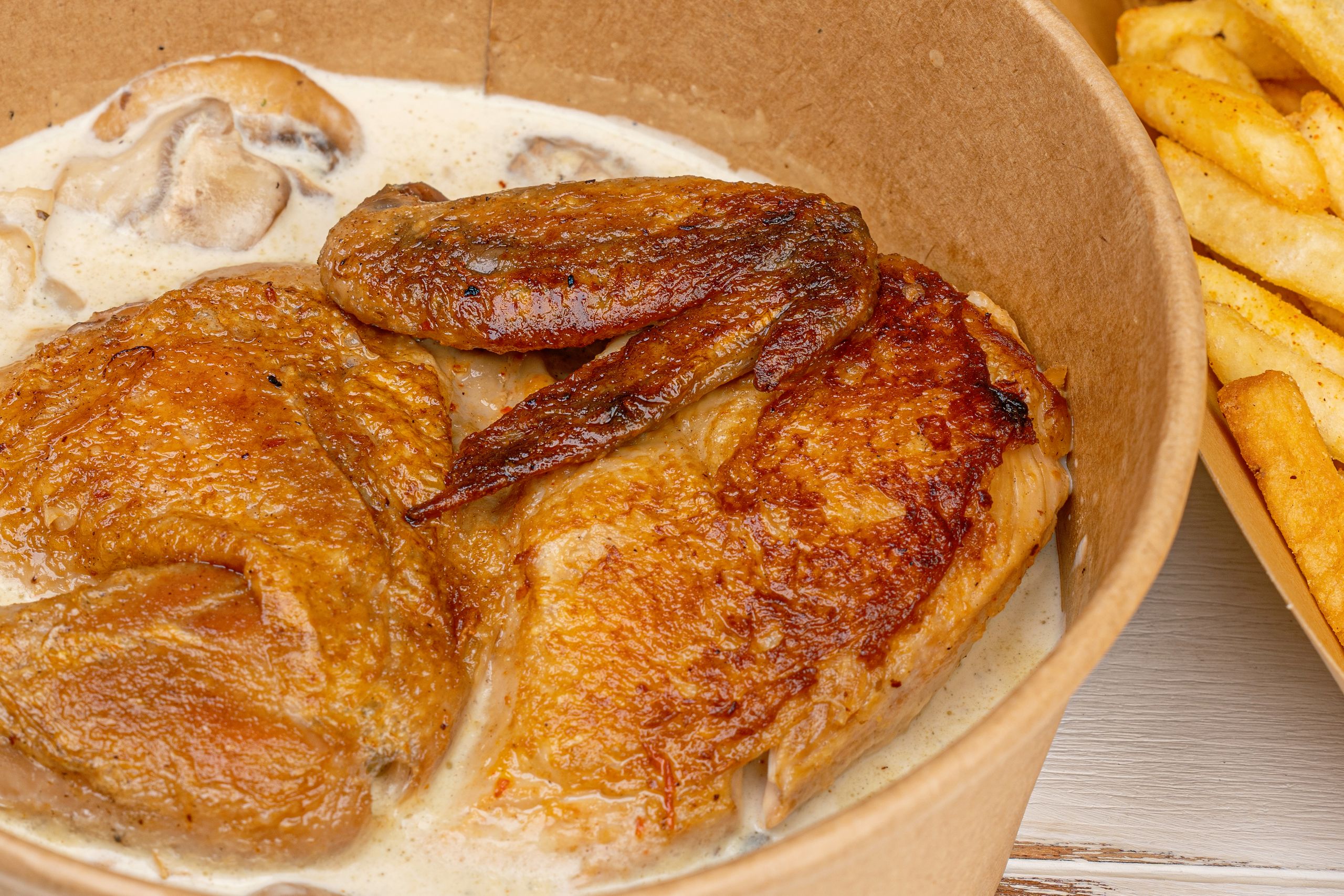
Chicken à la King combines pieces of chicken with a creamy sauce, commonly including mushrooms and pimientos, served over toast, rice, or another base.
Its name suggests ceremony, but its structure is approachable: cooked chicken becomes the centerpiece of a sauced dish.
A 1916 Fredericksburg community cookbook preserved a version, placing it firmly within American home-cooking literature.
Chicken à la king shows how a sauce could change the presentation of familiar ingredients. Toast or rice was not an afterthought; it caught the sauce and completed the plate.
The result was a dish whose character came as much from its creamy accompaniment as from the chicken itself.
Welsh Rarebit
Despite the similar-sounding name, Welsh rarebit contains no rabbit. It is a cheese preparation served over toast or crackers.
American cookbooks adopted the British dish, with versions using milk, cream or ale and seasonings such as mustard and cayenne.
Mary Green’s 1917 household cookbook included Welsh rarebit and even suggested using leftovers as sandwich filling.
The dish demonstrates that a meatless supper was not a modern invention. Cheese and bread could become a warm, deliberately prepared meal.
Its underlying appeal remains easy to understand, even for someone encountering the name for the first time: a richly seasoned cheese mixture served over something crisp.
Related: 15 Foods From the ’60s Most Boomers Loved With a Passion
Salt-Cod Cakes
Salt-cod cakes combined preserved fish with potatoes, often with an egg to help hold the mixture together.
The Williston community cookbook called them “Codfish Balls,” pairing flaked cod with mashed potatoes before shaping and frying.
The combination reveals two recurring household techniques: preparing a preserved ingredient for cooking and extending it with something already familiar.
Salt-cod cakes connect American household cooking with broader Atlantic traditions of preserving and preparing fish.
They fit within American cooking practice. Older cookbooks gave them a routine place among fish dishes, rather than treating preserved fish as a novelty.
Oyster Pie
Oyster pie brought shellfish under pastry or biscuit crust, with recipes varying by household and region.
The 1913 Williston cookbook offered a version with oysters, milk, butter, hard-boiled eggs, cracker crumbs and cream.
It is a useful counterpoint to the economical loaves elsewhere on this list. Old-fashioned cooking was not one uniform exercise in thrift; it included dishes built for richer, more elaborate meals.
Oyster pie also shows how a familiar format could accommodate different fillings. The crust framed the dish, while oysters distinguished it from an ordinary meat pie.
Which recipe from your family’s past would you bring back, not simply for nostalgia, but to give a new generation something worth remembering?