Every family has that one cooking rule nobody can question. Never wash mushrooms. Never touch a steak more than once. And whatever you do, keep soap away from the cast-iron skillet.
Some of these rules have a practical purpose, while others have become kitchen traditions that people defend simply because that is how they learned to cook.
The trick is knowing which habits deserve to stay, which depend on personal preference, and which need a closer look at the evidence.
Here are seven everyday cooking disagreements worth settling, so you can spend less time arguing over the stove and more time enjoying what comes out of it.
Oil in Pasta Water: Necessary or Pointless?
Adding oil to boiling pasta water is common, but it isn’t essential to keep spaghetti from sticking together. Serious Eats recommends stirring the pasta instead and finishing it with the sauce, letting proper cooking and handling do the work.
That does not mean oil has no place in a pasta dish. It simply means you don’t need to pour it into the cooking pot. If your family has always added a splash, you can leave it out without feeling that you have abandoned an important Italian cooking secret.
The practical verdict: stir your pasta and pay attention while it cooks. You do not need to add another ingredient just because someone insists it is mandatory.
Washing Mushrooms: Brush Them or Rinse Them?
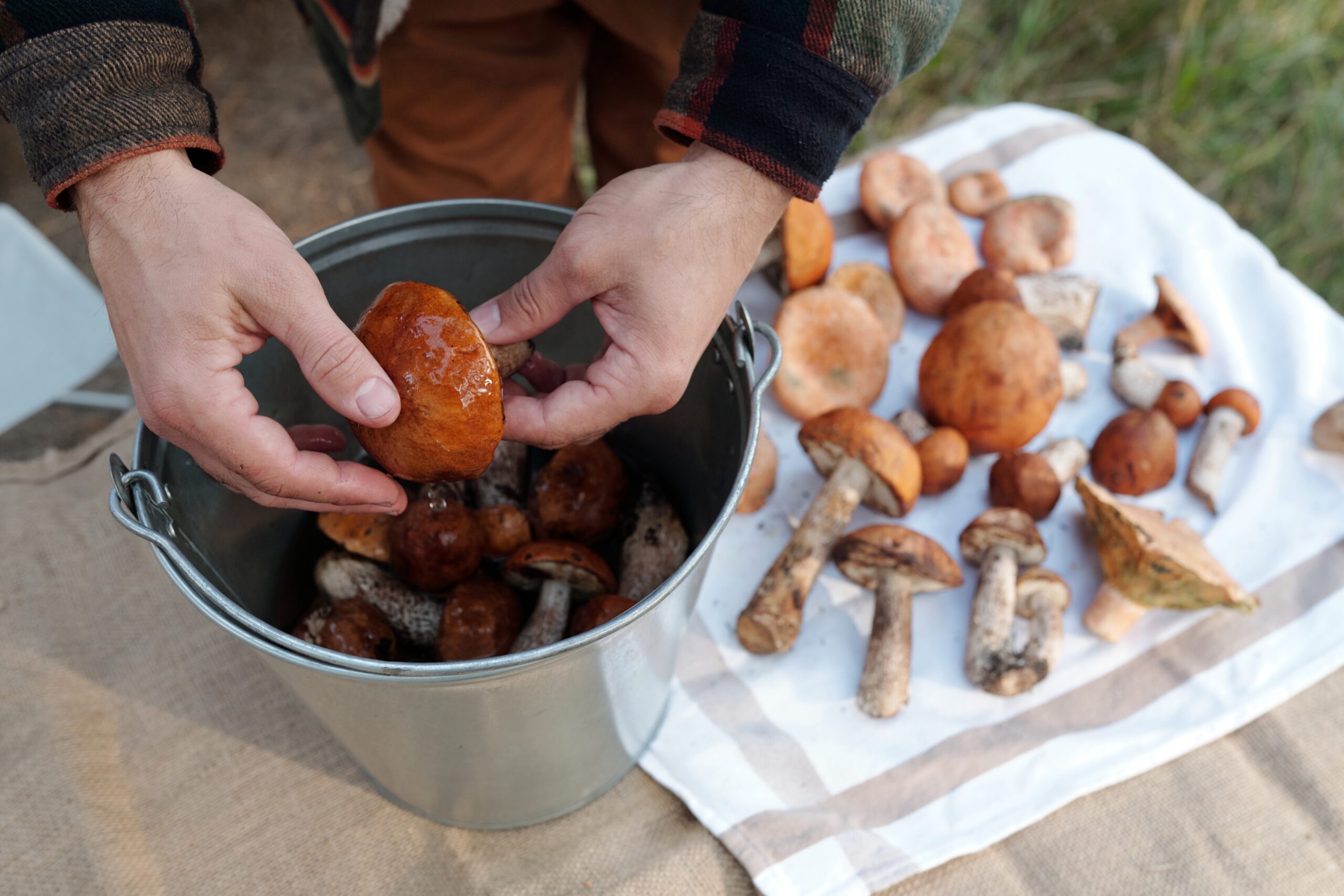
Cleaning fresh mushrooms can provoke surprisingly strong opinions. Some cooks prefer a brush or damp towel, while others rinse mushrooms under running water before preparing them.
J. Kenji López-Alt compared these approaches and found that rinsing added only a small amount of water when the mushrooms were dried afterward. He recommends rinsing them under cold running water, drying them thoroughly, and cooking them promptly.
There is an important distinction, though. This advice is for a quick rinse followed by drying, not prolonged soaking or thorough washing before storing. Extra moisture can shorten their refrigerated shelf life.
The verdict: brushing is a reasonable option, but a brief rinse is not automatically a culinary mistake. Choose the method that suits your preparation, and don’t treat one cleaning technique as the only acceptable choice.
Salted or Unsalted Butter: Which Belongs in Baking?
Choosing between salted and unsalted butter is less about being a serious baker and more about following the recipe.
Unsalted butter gives the recipe writer greater control over the amount of salt added separately. However, King Arthur Baking also uses salted butter in certain recipes, including some shortbread preparations where distributing salt evenly through a dry dough can be challenging.
If you substitute salted butter for unsalted, King Arthur offers a general guideline: reduce the added salt by a quarter teaspoon for every eight tablespoons of butter. That is a useful starting point, though butter’s salt content varies.
The verdict: use the type specified when possible, especially when baking a recipe for the first time. Neither choice proves that someone is a better cook.
Steak: Flip It Once or Keep Turning It?
Repeatedly flipping steak is one of those techniques that can divide home cooks into opposing camps.
The traditional approach favors leaving the steak undisturbed long enough to develop a browned crust. However, Serious Eats has reported testing in which frequent flipping produced good browning and a more evenly cooked interior, particularly with steaks at least an inch thick.
That does not mean frequent flipping is the only correct method. Other cooking guidance favors letting the first side develop its crust before turning the steak. Both approaches depend on the steak, the heat, and the cook’s preferred technique.
The more useful priorities are a dry surface, sufficient heat, and attention to doneness. USDA guidance recommends cooking whole beef steaks to an internal temperature of 145°F, then resting for at least three minutes.
The verdict: stop treating the number of flips as a test of cooking ability. Focus on the result rather than a rigid rule.
RELATED: 7 Foods You Should Never Wash Before Cooking
Cast Iron: Does Soap Really Ruin the Pan?
Some traditionalists think washing seasoned cast-iron cookware with dish soap is a recipe for disaster. Yet Lodge, a cast-iron manufacturer, explicitly permits warm, soapy water in its cleaning instructions.
The recommended process is straightforward: wash the skillet, dry it completely, and apply a thin layer of oil. Lodge advises against putting its cast-iron cookware in the dishwasher because that can remove seasoning and encourage rust.
The distinction matters. Ordinary handwashing with mild dish soap is not the same as using harsh stripping chemicals or leaving a pan soaking for an extended period.
The verdict: you do not need to preserve food residue to protect your skillet. Follow the manufacturer’s care instructions and keep the pan properly dried and maintained.
Wooden or Plastic Cutting Boards: Which Is Better?
Choosing a cutting board often becomes a debate about materials, but the material alone doesn’t answer every question.
USDA guidance permits both wood and nonporous cutting boards. Cleaning the board after use, preventing cross-contamination, and replacing excessively worn boards are important parts of proper kitchen practice.
FoodSafety.gov recommends using separate boards for raw meat, poultry, and seafood and for produce or other ready-to-eat foods. That separation helps prevent raw-food juices from reaching ingredients that won’t be cooked further.
Wood and plastic each have practical considerations, and the board’s condition matters. A deeply worn board deserves attention regardless of the material.
The verdict: choose a board you can clean and maintain properly, and organize food preparation to keep raw animal products separate from ready-to-eat ingredients. You do not need to declare every wooden board unsuitable.
Washing Raw Chicken: A Tradition Worth Rethinking
Rinsing raw chicken before cooking is different from the other disagreements on this list because it involves specific food-safety guidance.
The USDA advises against washing raw poultry because splashing water can spread bacteria around the sink and nearby kitchen surfaces. In a 2019 observational study, 60% of participants who washed poultry contaminated their sinks, and 14% still had contaminated sinks after attempting to clean them.
Washing chicken with water, vinegar, or lemon juice does not reliably eliminate the bacteria of concern.
The recommended approach is to handle the poultry carefully, keep it separate from ready-to-eat food, clean hands and surfaces, and cook it to an internal temperature of 165°F, measured with a food thermometer.
This isn’t about declaring one family tradition more sophisticated than another. It is about explaining why the recommended practice differs from what some people learned growing up.
The verdict: skip rinsing raw chicken and concentrate on careful handling, separation, cleaning, and proper cooking.
The Bottom Line
Cooking traditions can be worth keeping, but they should not become loyalty tests. Stir the pasta, clean the mushrooms in a way that works for your recipe, follow the butter measurements, and use the steak technique that delivers the result you want.
When it comes to raw chicken, follow food-safety guidance rather than treating it as a matter of taste.