Shoofly pie sounds like a dessert with an insect problem. What arrives on the plate is considerably more appealing: a pastry shell filled with dark molasses flavor, a cake-like layer and a buttery crumb topping. Depending on the version, the bottom can be wonderfully gooey or more firmly set. This Pennsylvania Dutch specialty has earned its distinctive place in American baking by blurring the line between pie and coffee cake, and by refusing to wait until after dinner.
“Shoofly pie is a molasses crumb cake baked in a pie crust,” food historian William Woys Weaver, author of As American as Shoofly Pie, told HuffPost. That description gets straight to its appeal. The crust supplies structure, the molasses brings a deep, bittersweet character, and the crumbs provide a contrasting finish. Instead of featuring fruit, nuts or a smooth cream filling, shoofly builds its identity around an everyday sweetener and a clever combination of textures.
Its story also reaches beyond the ingredients. Shoofly pie connects Pennsylvania Dutch baking traditions with Philadelphia’s 1876 Centennial celebration, a memorable molasses brand and a breakfast habit that might surprise anyone accustomed to saving pie for holidays. Some details remain uncertain, particularly around its earliest origins and unusual name. But the documented accounts explain why this regional favorite deserves recognition as something more interesting than a dessert with a funny label.
It Is Part Pie, Part Coffee Cake and Proud of Both
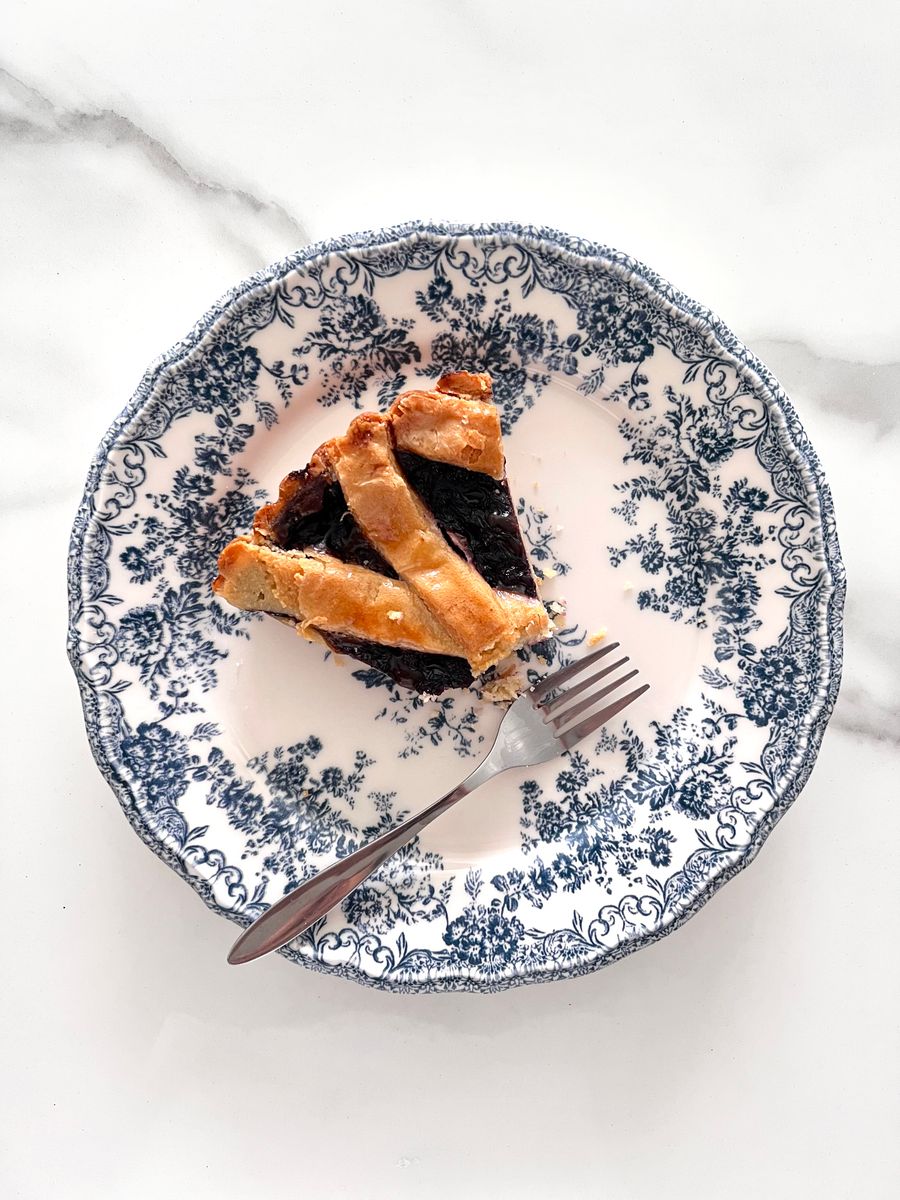
Molasses does the heavy lifting in shoofly pie, supplying much of its flavor rather than serving as a background ingredient. The basic components include molasses, flour, brown sugar, butter and baking soda, although recipes vary in their use of eggs and spices. Weaver describes a preparation in which the molasses mixture rises during baking to form a cake beneath the crumbs. The result belongs to the pie family by its crust, but its interior tells another story.
That interior comes in two recognized styles: wet-bottom and dry-bottom. A wet-bottom shoofly pie has a sticky layer immediately above the crust, a cake-like middle and crumbs across the top. A dry-bottom version has a more consistently cake-like texture throughout. Neither name describes a baking failure. They identify different expressions of the same specialty, giving eaters a choice between a gooier slice and one that behaves more like coffee cake tucked inside pastry.
The baking chemistry helps explain how those layers develop. In recipe developer Mark Huxsoll’s version for America’s Test Kitchen, boiling water thins the molasses, while baking soda reacts with its acidity to lighten the filling. A beaten egg supplies structure, and some of the crumb mixture goes into the liquid to give it enough body to set. Those details apply to his tested formulation, but they illustrate how a relatively short ingredient list can produce a surprisingly complex texture.
For the baker, the challenge is supporting that filling rather than decorating it extravagantly. Huxsoll emphasizes a crisp, sturdy crust because the mixture is both moist and heavy. His development process included replacing a small portion of the crust’s butter with sour cream to make the dough easier to handle. Shoofly’s appeal may look simple, but getting the pastry and filling to cooperate requires the same attention that goes into a more elaborate pie.
Related: 8 Old-School Pantry Ingredients That Are Quietly Making a Comeback
Its History Includes a Centennial Cake and Possibly a Boxing Mule
Shoofly pie’s connection to German baking traditions is important, but historians caution against treating its beginnings as completely settled. “The precise origins of shoofly pie are obscure, but it has elements of traditional German streusel-topped cakes that were eaten for breakfast and not as a dessert,”Mark Louden told HuffPost. Louden, a professor of Germanic linguistics at the University of Wisconsin–Madison, describes the pastry as a distinctly American development incorporating older European influences.
Weaver traces its development to a crustless predecessor known as centennial cake. “It first appeared at the U.S. Centennial in 1876 at the Centennial Restaurant, which was the German restaurant on the fairgrounds” in Philadelphia, he told HuffPost. In his account, that cake was essentially shoofly without the pastry shell. America’s Test Kitchen likewise reports that the pie evolved during the 1880s from the cake associated with the celebration of 100 years of American independence.
The name has an equally colorful explanation, although it should not be presented as beyond dispute. “The name likely derives from Shoo-fly Molasses, which was produced in Philadelphia and named for Shoofly the Boxing Mule, a circus animal popular in 19th century Pennsylvania,” Louden said. Weaver also connects the molasses brand to the animal. It is an unusually lively backstory for a pantry ingredient: a circus celebrity apparently leaving a mark on regional baking.
Another familiar explanation says the sweet pie attracted flies while cooling, requiring bakers to shoo them away. HuffPost presents that account as a popular legend, not an established fact. The Pennsylvania Dutch name is less theatrical and more descriptive: melassich riwwelkuche, which Louden translates as “molasses crumb cake.” Between the practical name and the circus-linked theory, there is no need to mistake the fly story for a verified origin.
The Most Surprising Part May Be When People Eat It
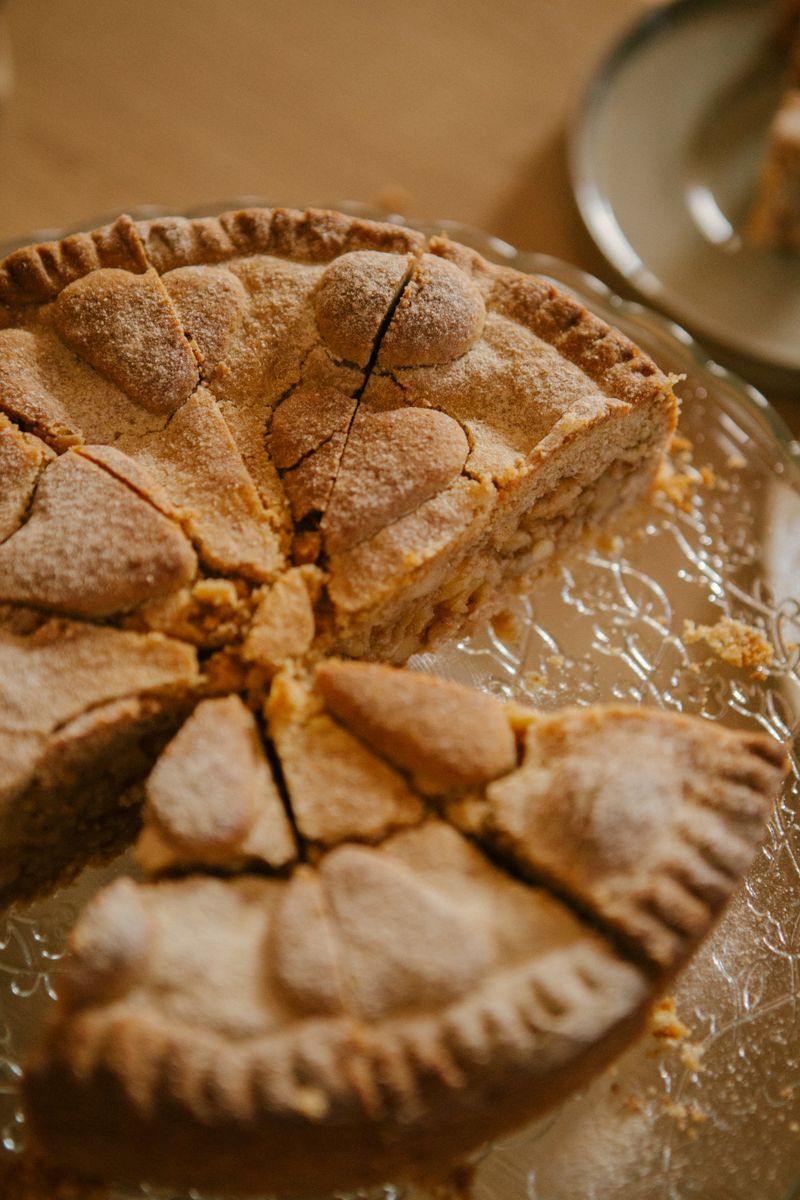
Shoofly pie’s traditional place at breakfast helps distinguish it from desserts reserved for celebrations. “Shoofly pie is a coffee cake normally consumed at breakfast or as a snack during breaks,” Weaver explained to HuffPost. He credits Pennsylvania Dutch bakers with adding the crust so the cake could be eaten by hand while being dipped into coffee. In that telling, the pastry shell was not simply decoration; it made the food practical to eat.
The coffee connection could go further than dunking. Weaver said some people broke the pie directly into their coffee and called the resulting mixture “coffee soup.” That does not mean every contemporary slice comes with instructions to crumble it into a mug. It does, however, underline the pie’s everyday role: this was food fitted to a morning routine, not merely a showpiece brought out after a large holiday meal.
Today, shoofly pie remains widely associated with southeastern Pennsylvania and the Amish, Mennonite and Moravian communities of Lancaster County. Louden told HuffPost that residents still commonly eat it for breakfast with coffee, though it is also enjoyed as dessert. Its distinction lies in that combination of regional identity and culinary ingenuity: European-style crumbs, a molasses-centered filling and an American pie crust, all in a slice comfortable at either end of the day.
Other Posts You Might Like:
- 6 Ways to Declutter Your Pantry and Maximize Space
- 6 Pantry Essentials to Toss for a Healthier Kitchen