Something about walking into a Chinese buffet is irresistible. Rows of steaming trays, crispy appetizers, saucy chicken, and endless choices make it tempting to pile everything onto your plate before you’ve even decided what you really want.
But not every buffet dish deserves an automatic scoop. Some foods need careful temperature control, while others simply lose their delicious texture after sitting on a serving line. Knowing the difference can help you make smarter choices without giving up your favorites.
That doesn’t mean Chinese buffets are inherently unsafe or that these seven foods should always be avoided. The trick is knowing what to look for, when to ask questions, and which alternatives might offer a better dining experience.
Fried Rice
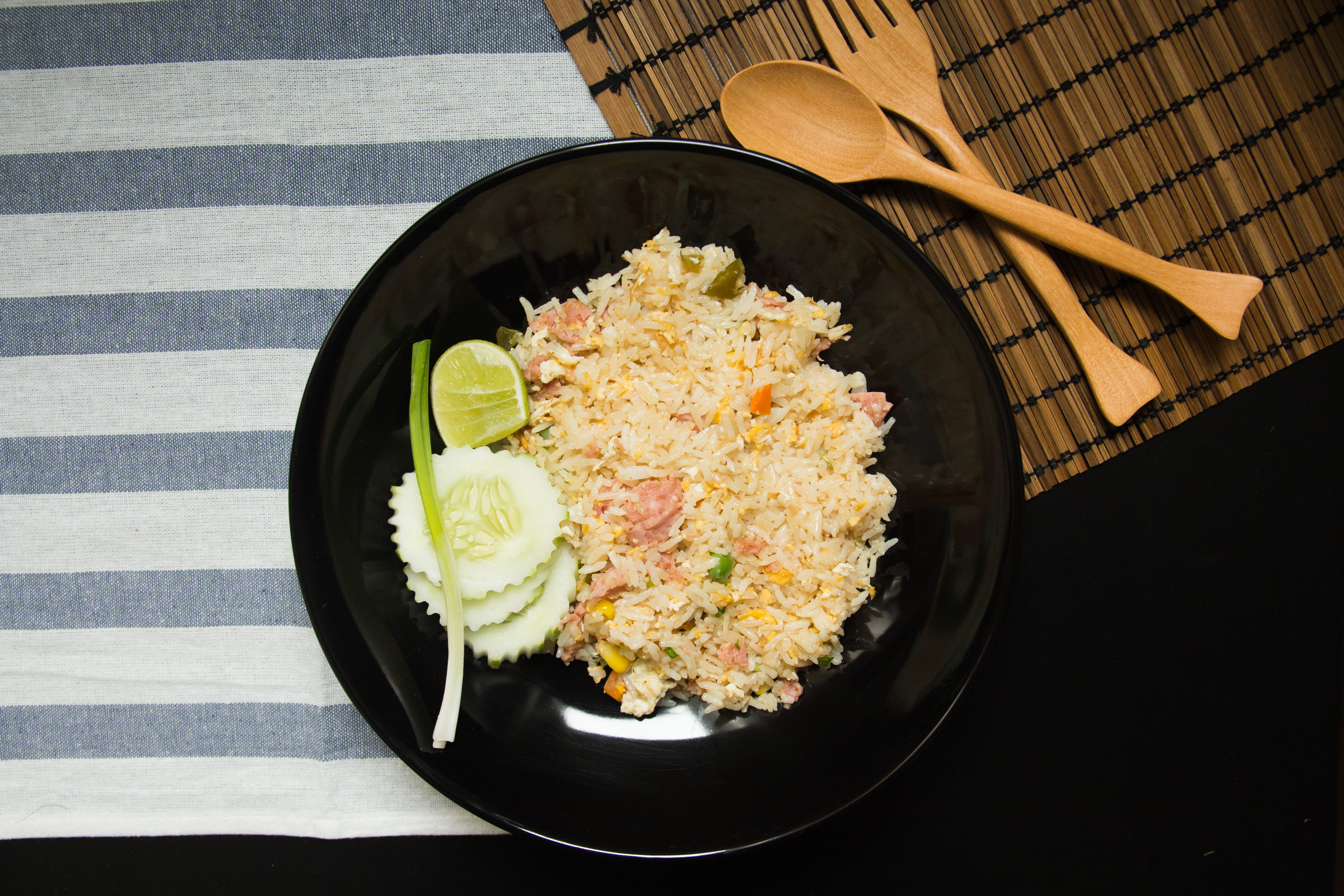
Fried rice seems like one of the safest bets at a Chinese buffet. It’s familiar, filling, and goes with practically everything. Surprisingly, though, improperly handled rice can cause problems that aren’t obvious from the tray.
According to the Centers for Disease Control and Prevention (CDC), improperly cooled or stored cooked rice can allow Bacillus cereus bacteria to grow and produce toxins. Some of these toxins can withstand reheating, meaning another round in the wok may not solve the problem.
A fresh-looking tray doesn’t necessarily tell you how the rice was handled before serving. If the rice looks dried out or unappetizing, skipping it might improve your meal, though appearance alone can’t confirm safety. When possible, ask whether rice is being prepared and held under proper temperature controls.
General Tso’s Chicken
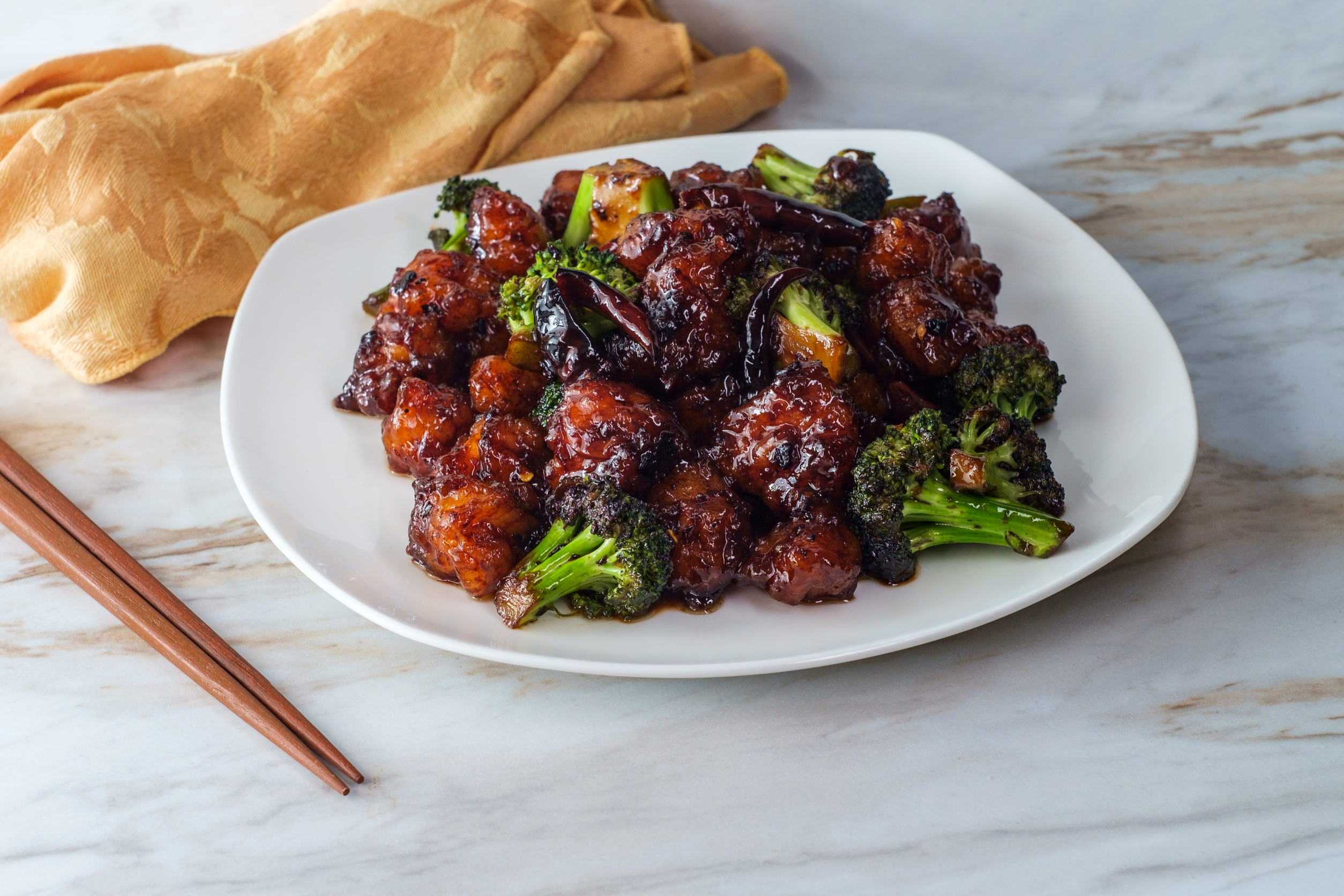
Few Chinese buffet dishes rival General Tso’s chicken in popularity. The combination of crispy chicken and sticky, flavorful sauce is hard to resist. Unfortunately, that same sauce can work against the texture that makes the dish so appealing.
As fried chicken sits in sauce, moisture can soften its crunchy coating. Instead of that satisfying bite, you might end up with gummy or overly soft chicken. However, the coating and preparation method matter, so not every buffet version suffers the same fate.
Here’s a practical trick: start with one or two pieces instead of loading up right away. If the texture is still enjoyable, you can always return for more. Remember, a soggy coating is a quality issue, not proof the chicken is unsafe.
Related: Chickens Can Count and Plan — 7 Surprising Things Researchers Learned About Chickens
Chilled Peel-and-Eat Shrimp
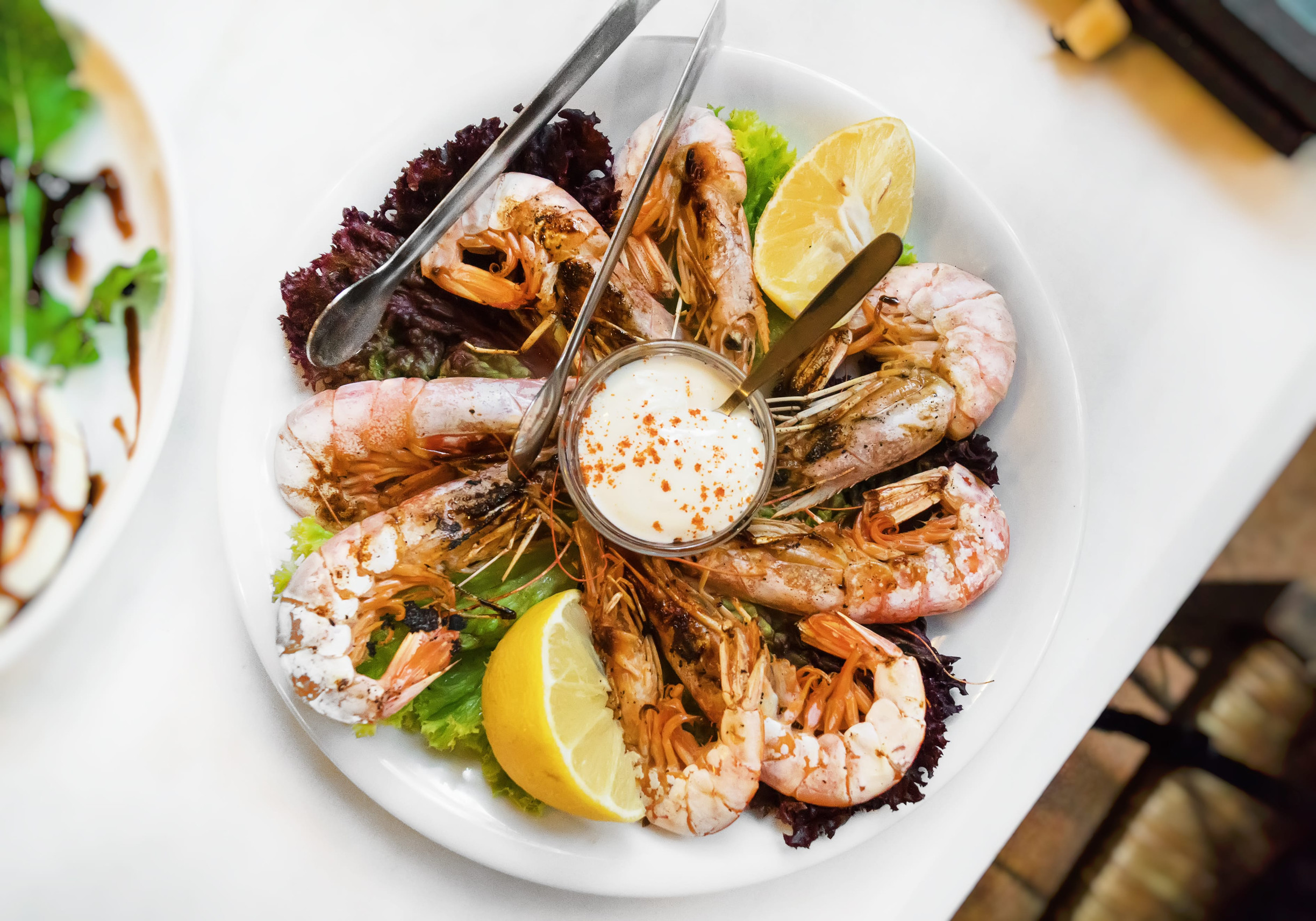
A platter of chilled shrimp can look particularly tempting when you’re surrounded by hot, heavily sauced dishes. It’s a refreshing change of pace, especially if you enjoy seafood. However, cooked shrimp still requires careful handling after it leaves the kitchen.
The Food and Drug Administration (FDA) emphasizes keeping refrigerated seafood cold and preventing contamination between raw and cooked products. An attractive display with ice isn’t enough to confirm that every shrimp has been maintained at the proper temperature.
Pay attention to how the shrimp station is managed. If customers touch the food directly or use contaminated utensils, choose something else and notify an employee. Thoroughly cooked shrimp served directly from the kitchen may be another option, provided it has also been handled correctly.
Meat-Filled Egg Rolls
Nothing beats biting into an egg roll with a perfectly crispy wrapper. That first crunch is half the fun, followed by the savory filling inside. Unfortunately, egg rolls don’t always maintain that appealing texture during extended buffet service.
Moisture can gradually soften fried wrappers, leaving them limp or leathery rather than crisp. The filling also needs proper cooking and temperature control, especially when it contains meat. A golden-brown exterior alone doesn’t prove that the inside was prepared or held correctly.
For the best experience, look for a newly prepared batch or ask when fresh egg rolls will be available. If the wrappers appear soft and unappealing, freshly cooked steamed dumplings might be a better choice. Just remember that dumplings have their own preparation and handling requirements.
Sushi Rolls Containing Raw Fish
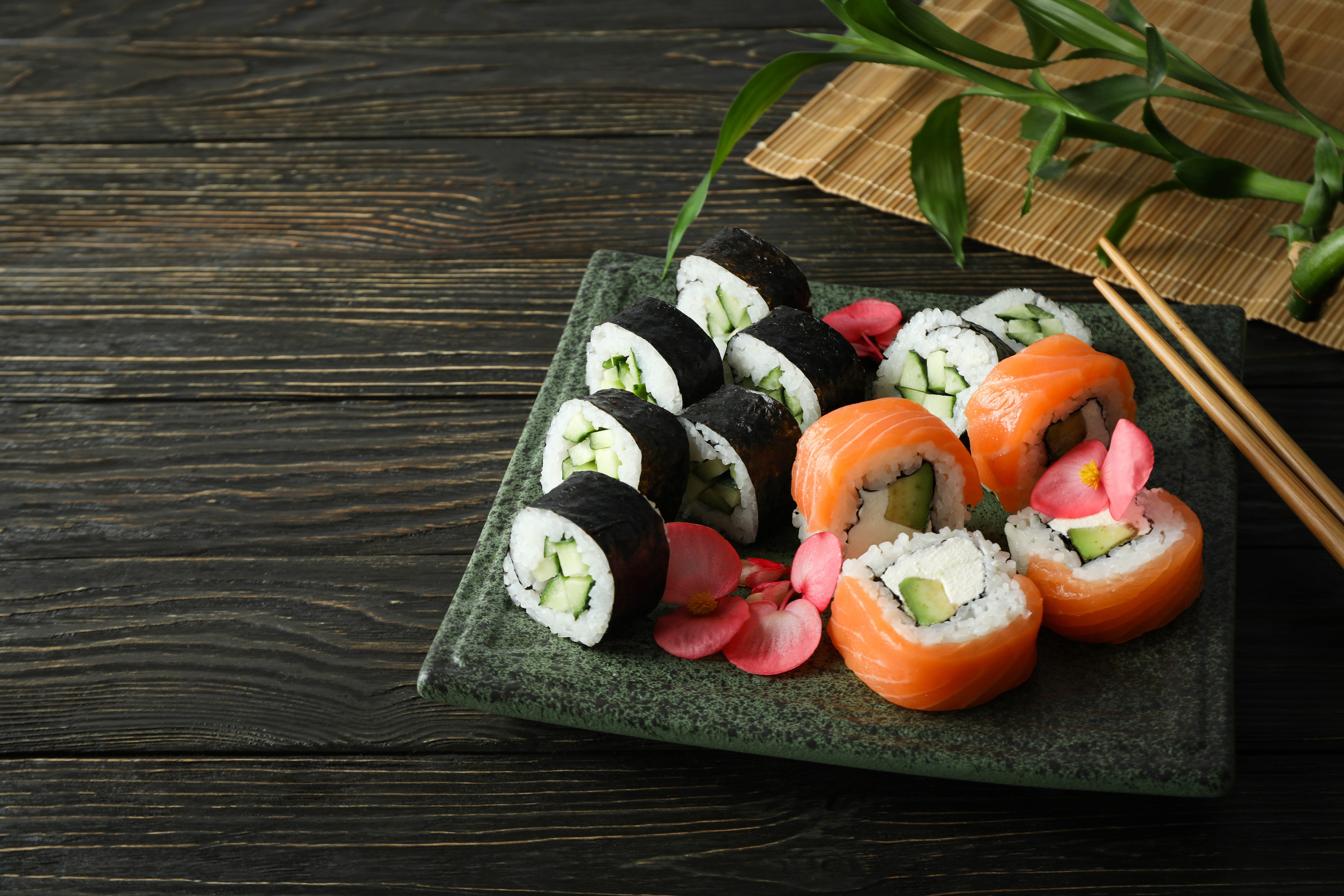
Sushi can make a buffet feel like a much bigger culinary adventure. Colorful rolls, interesting fillings, and beautifully arranged platters are certainly eye-catching. But before you grab a few pieces, it’s worth knowing exactly what’s inside.
Not all sushi contains raw fish. Some rolls feature cooked seafood or vegetables, while others contain uncooked fish that requires additional sourcing, handling, and parasite-control measures.
The FDA explains that freezing fish can reduce certain parasite risks, but it doesn’t eliminate every harmful microorganism. Proper refrigeration and clean preparation practices are still important.
If you’re unsure how the raw fish was handled, consider choosing a cooked shrimp roll or vegetable roll instead. Both avoid the raw-fish component, although the rice and other ingredients still require proper handling.
Creamy Seafood Casserole
That bubbling, golden-topped seafood casserole can look like the ultimate comfort-food discovery. With its creamy sauce and assorted seafood ingredients, it’s easy to see why people might reach for a generous spoonful. However, mixed seafood dishes deserve a little extra attention.
The biggest concern isn’t the creamy sauce itself. It’s whether the dish has been properly cooked, stored, and kept at the right temperature. Another consideration is that a mixed casserole may contain ingredients that aren’t immediately obvious.
Depending on the restaurant’s recipe, the dish could include shrimp, crab, imitation seafood, dairy products, or other ingredients. If you have a food allergy or simply want to know what you’re eating, ask an employee for clarification.
When the ingredients aren’t clear, a plainly identified seafood dish may be easier to navigate. You can still enjoy a creamy casserole when its ingredients and preparation are properly managed.
Related: 6 Best Cuisines in the World
Mussels in the Shell
Mussels can bring an upscale restaurant feeling to an otherwise casual buffet visit. They might appear in a savory sauce, alongside vegetables, or as part of a seafood display. However, shellfish requires careful sourcing, cooking, and handling.
The FDA advises that mussels should come from approved sources and be properly cooked. For shell-on mussels cooked from live shellfish, those that remain closed after cooking should be discarded.
A browned topping or attractive sauce isn’t enough to confirm how the mussels were prepared. If the preparation is unclear, ask the staff rather than guessing based on appearance.
If you prefer to avoid the uncertainty, consider a thoroughly cooked fish dish instead. Proper handling still matters, but you’ll avoid choosing mussels whose cooking method you cannot establish.
Related: 13 Weird Old-Fashioned Foods Only Boomers Eat
How to Make Smarter Choices at Any Buffet
You don’t need to turn dinner into a food inspection. A few simple habits can make the experience more enjoyable without taking away the fun.
Pay attention to serving utensils, food protection, and whether staff respond promptly when customers contaminate a dish. Ask questions when ingredients or preparation methods aren’t clear, and don’t assume that a newly replenished tray guarantees safe handling.
The FDA’s 2026 Food Code generally requires hot holding at 135°F or above and cold holding at 41°F or below, though approved time-control procedures and local regulations may differ. Customers usually cannot verify these temperatures by looking at the food, which is why proper restaurant management matters.
Most importantly, remember that disappointing texture and a real food-safety problem aren’t the same. A soggy egg roll might just be less enjoyable, while improperly handled rice or seafood can raise invisible concerns.
The bottom line: Chinese buffets can still be a delicious way to enjoy your favorites and discover something new. Choose thoughtfully, speak up about obvious handling problems, and don’t feel obligated to try every tray just because it’s included in the price.
Other Posts You May Like
- If You Had to Finish Everything on Your Plate as a Child, You Probably Still Do These 10 Things
- 8 Things That Instantly Make a Family Gathering Awkward