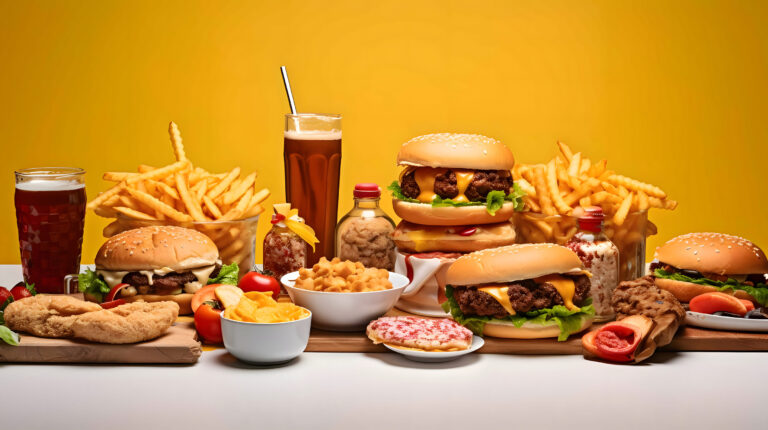
Americans have a serious relationship with fast food. Whether it’s grabbing a burger between errands, picking up chicken on the way home, or ordering pizza after a long day, convenience often wins when hunger strikes. But have you ever wondered which states are the biggest fans of quick-service dining?
You might expect Texas, California, or a Southern state to dominate the list. After all, these places have plenty of familiar drive-thrus and restaurant chains. However, the numbers tell a more interesting story, and some near-top states might surprise you.
There’s one important catch. No reliable, nationally representative dataset currently establishes which state’s residents actually eat the most fast food. Researchers can compare restaurant locations, sales, and spending patterns, but those measures don’t necessarily show how often people eat burgers, fries, or chicken sandwiches.
Still, the available research offers a fascinating look at America’s fast-food landscape.
Maryland: A Surprising Leader in Fast-Food Access
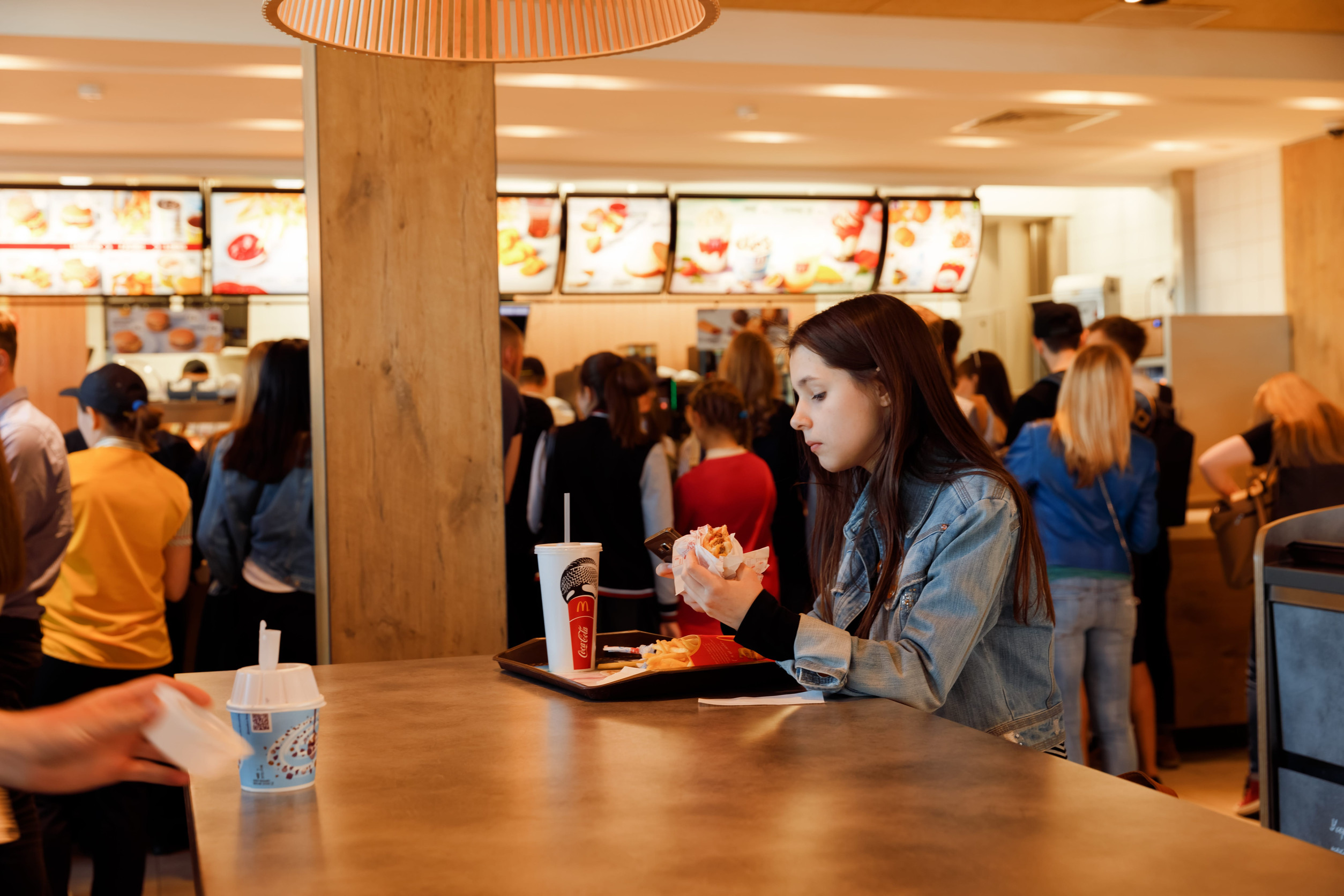
Maryland might not be the first place that comes to mind when you think about fast-food culture. Yet the state earned first place in a February 2025 ranking published by the Auguste Escoffier School of Culinary Arts.
The study combined factors including limited-service restaurant availability and estimated spending. Maryland received a composite score of 100, putting it ahead of every other state.
However, the ranking didn’t directly measure how often Maryland residents eat fast food. It tells us more about the state’s restaurant landscape than what’s actually landing on people’s dinner plates.
Nevada: Restaurant Spending Reaches Impressive Heights
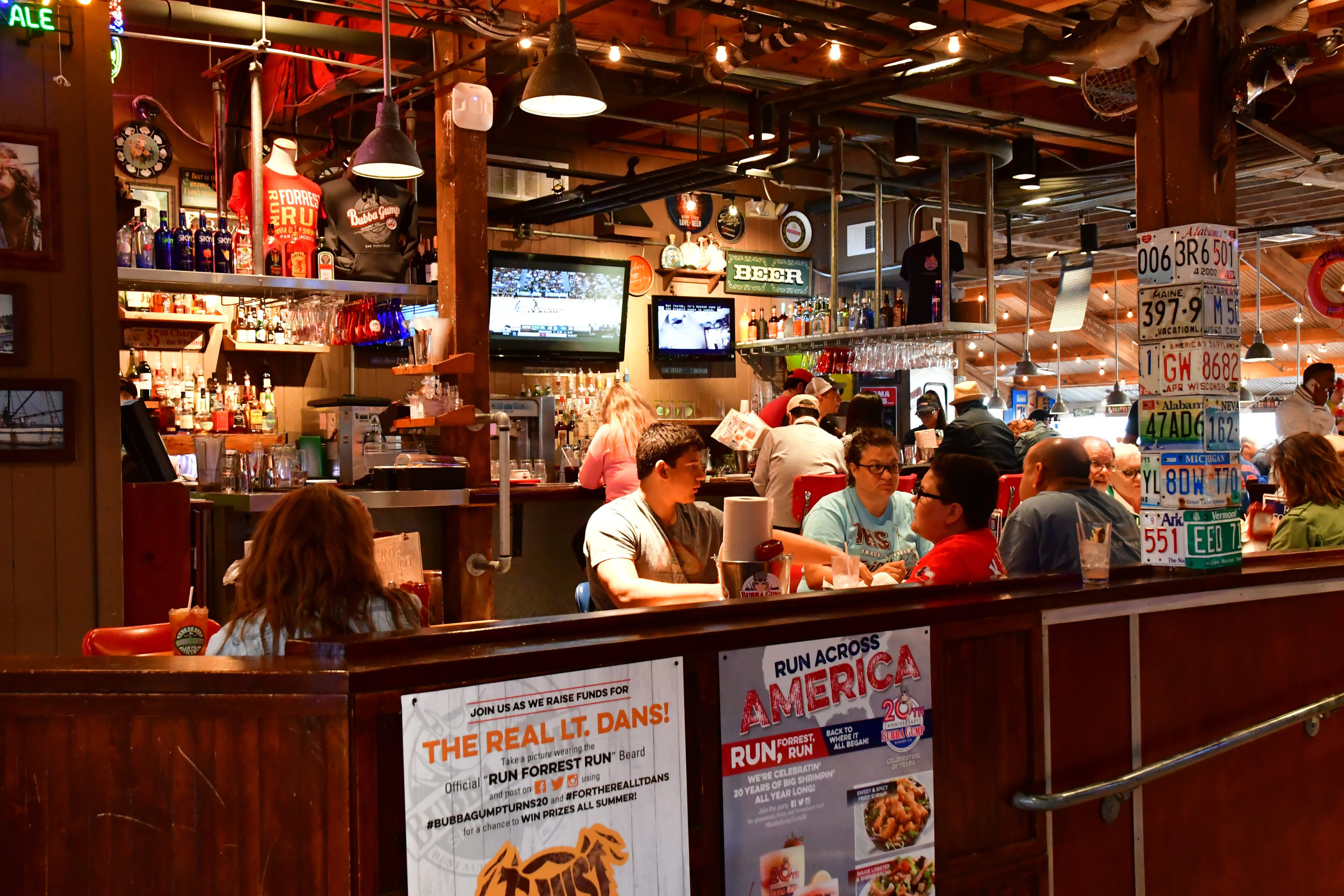
Las Vegas is famous for its buffets, celebrity-chef restaurants, and dining options that seem to stay open around the clock. So perhaps it’s not surprising that Nevada stands out when researchers examine restaurant sales.
According to the USDA’s 2025 figures, Nevada recorded $6,008 in annual food-away-from-home sales per resident, the highest among all 50 states.
That’s a remarkable number, but it includes everything from full-service restaurants to quick-service establishments. Visitors also contribute to restaurant sales, so the figure doesn’t prove Nevada residents order more fast food than anyone else.
Hawaii: Plenty of Restaurants, Plenty of Visitors
Hawaii is another state that regularly ranks near the top for restaurant-related metrics. A historical restaurant-density analysis published by Caliper in 2019 placed Hawaii first among states for limited-service restaurant locations per resident.
More recently, USDA figures showed Hawaii recording $5,572 in food-away-from-home sales per resident in 2025. That placed the state second behind Nevada.
Tourism is an important consideration when examining these numbers. Visitor purchases can push sales totals higher without revealing how often local residents eat fast food.
California: Big Restaurant Numbers in the Golden State
California has no shortage of recognizable fast-food names, and its enormous population helps explain why the state has so many restaurant locations.
Commercial location data ScrapeHero published on October 8, 2026, listed 1,242 McDonald’s restaurants across California. That was the second-highest state total, behind Texas.
USDA data also placed California third nationwide for overall food-away-from-home sales per resident in 2025, at $4,826.
Those figures point to a substantial restaurant market. They don’t, however, tell us whether the average Californian visits fast-food restaurants more frequently than someone living in a smaller state.
Texas: The King of McDonald’s Locations
Everything really is bigger in Texas, including its McDonald’s footprint. According to ScrapeHero’s October 2026 location report, Texas had approximately 1,291 McDonald’s restaurants, more than any other state.
California followed with 1,242, while Florida came third with 909 locations. Illinois and Ohio rounded out the top five, with 642 and 620 restaurants, respectively.
Of course, Texas has a large population, so having more restaurants doesn’t automatically mean individual Texans eat more fast food. To compare eating habits fairly, researchers would need reliable figures on purchases or meals per person.
Illinois and New York: Two Unexpected Fast-Food Hotspots
Illinois and New York might be better known for deep-dish pizza and classic New York slices, respectively. But both performed exceptionally well in Escoffier’s 2025 fast-food landscape ranking.
Illinois earned third place with a composite score of 95.70, while New York followed closely at 95.68. Restaurant availability contributed to those results, making both states interesting examples of how fast food extends well beyond traditional burger destinations.
The important distinction is that the scores reflect a combination of indicators, not measured meal frequency.
West Virginia and Idaho: The Other End of the Scale
Not every state reports enormous restaurant sales figures. According to USDA data, West Virginia recorded the lowest food-away-from-home sales per resident in 2025, at $2,732.
Idaho followed at $2,885, while Iowa came next at $2,948. Wisconsin and Arkansas also appeared among the five lowest states.
These figures don’t prove residents rarely visit drive-thrus. Restaurant prices, visitor spending, and the types of dining establishments operating in each state can influence the totals.
What Americans’ Actual Eating Habits Reveal
Here’s where the numbers become especially interesting. A CDC report published in June 2025 found that 32% of American adults ages 20 and older consumed fast food on a given day during the August 2021 to August 2023 survey period.
Younger adults obtained a greater share of their daily calories from fast food than older Americans. For adults ages 20 to 39, that share averaged 15.2%, compared with 7.6% among adults 60 and older.
The research also found that Americans’ average fast-food calorie share declined from 14.1% in 2013–2014 to 11.7% in the latest survey period.
Those findings offer a clearer picture of actual eating behavior, although the CDC’s national survey doesn’t establish which individual state consumes the most.
Related:Americans’ Gut-Healthy Eating Habits Stay Flat Even as Probiotic Use Soars 287%
So, Which State Really Loves Fast Food the Most?
That depends entirely on what you’re measuring. Maryland topped Escoffier’s composite restaurant ranking, Nevada led USDA’s overall restaurant-sales-per-resident comparison, and Texas had the most McDonald’s locations in the October 2026 commercial count.
But none of those measures establishes which state’s residents eat fast food most frequently.
The bigger takeaway is that America’s fast-food culture is more complicated than a simple state ranking. Restaurant availability, visitor spending, population size, and everyday convenience all help shape the picture.
And until researchers publish comparable consumption figures for all 50 states, the nation’s true fast-food champion remains an open question.
Other Posts You May Like
- 7 classic poor man’s meals that actually taste better than takeout
- Fast-Food Chains Are Bringing the Human Touch Back, and Customers Are Noticing