Oysters might seem like an unexpected addition to Thanksgiving dinner, especially beside turkey, mashed potatoes, and cranberry sauce. But tucked into bread dressing, they connect the holiday table to a much older American cooking tradition.
For households that serve it, oyster dressing is not necessarily an adventurous alternative. It can be the familiar dish, the one that makes the meal feel complete.
Its story is less about a single invention than about ingredients and customs meeting: oysters paired with poultry, bread used in savory preparations, and regional cooks giving those combinations their own character.
Early American recipes document the pairing. Contemporary Maryland and New Orleans versions show how it remains recognizable while taking different forms.
The result is a Thanksgiving tradition with coastal connections, but no single recipe that speaks for every family.
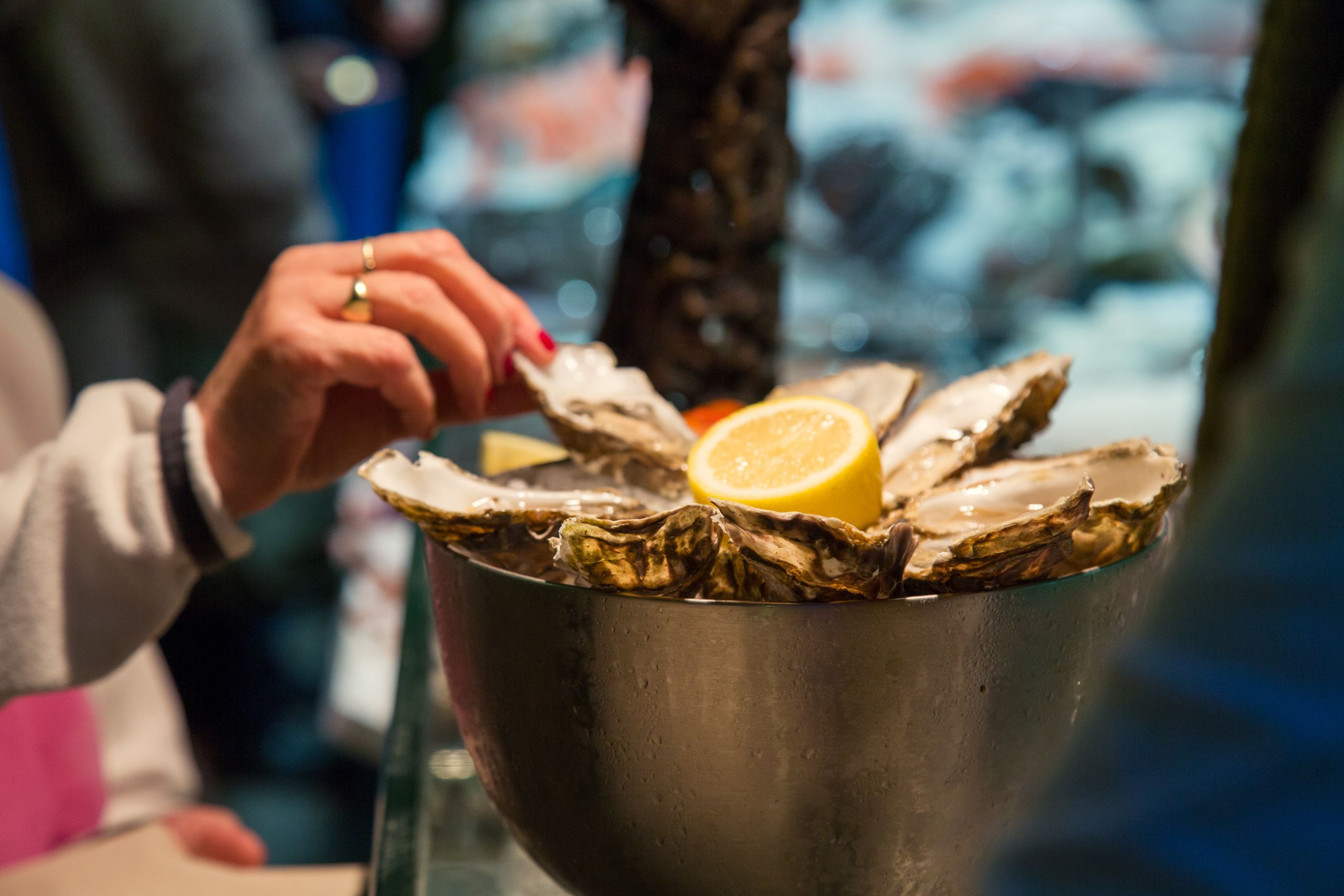
Oysters and Poultry Have a Long History Together
American cooks combined oysters with birds long before today’s Thanksgiving menu took its familiar shape.
In her 1796 cookbook, American Cookery, Amelia Simmons included instructions titled “To smother a Fowl in Oysters.” The preparation called for filling the bird with oysters, cooking it in water and serving it with additional stewed oysters, butter and pepper.
The same instructions mention garnishing a turkey. Elsewhere, Simmons offered bread-based turkey stuffings seasoned with herbs.
These were separate preparations, not one recipe for the baked oyster dressing served today. Her book does not identify who first combined them into a Thanksgiving side dish. It does show that oysters, poultry, and savory stuffing preparations already belonged to the early American kitchen.
That connection helps explain why oysters alongside turkey are less unusual historically than they may appear now. The pairing was already part of an established cooking vocabulary.
From a Poultry Preparation to a Holiday Side
The older recipe and modern dressing share an important idea: oysters do not have to arrive as a separate seafood course.
They can become part of a larger preparation, contributing their own flavor alongside bread, butter, vegetables, and herbs.
In contemporary oyster dressing, bread is central. Rather than surrounding the oysters with an elaborate sauce, cooks combine them with a familiar savory mixture and bake it.
That format makes the dish easy to understand within a Thanksgiving meal. It remains dressing, but the oysters distinguish it from versions built around sausage, chestnuts, or herbs alone.
Oyster dressing is better understood as a regional preparation than a universal American requirement.
Its Thanksgiving identity combines an older culinary pairing with regional recipes suited to a celebratory meal.
Related: 14 Strange Thanksgiving Traditions That Everyone Pretends Aren’t Weird
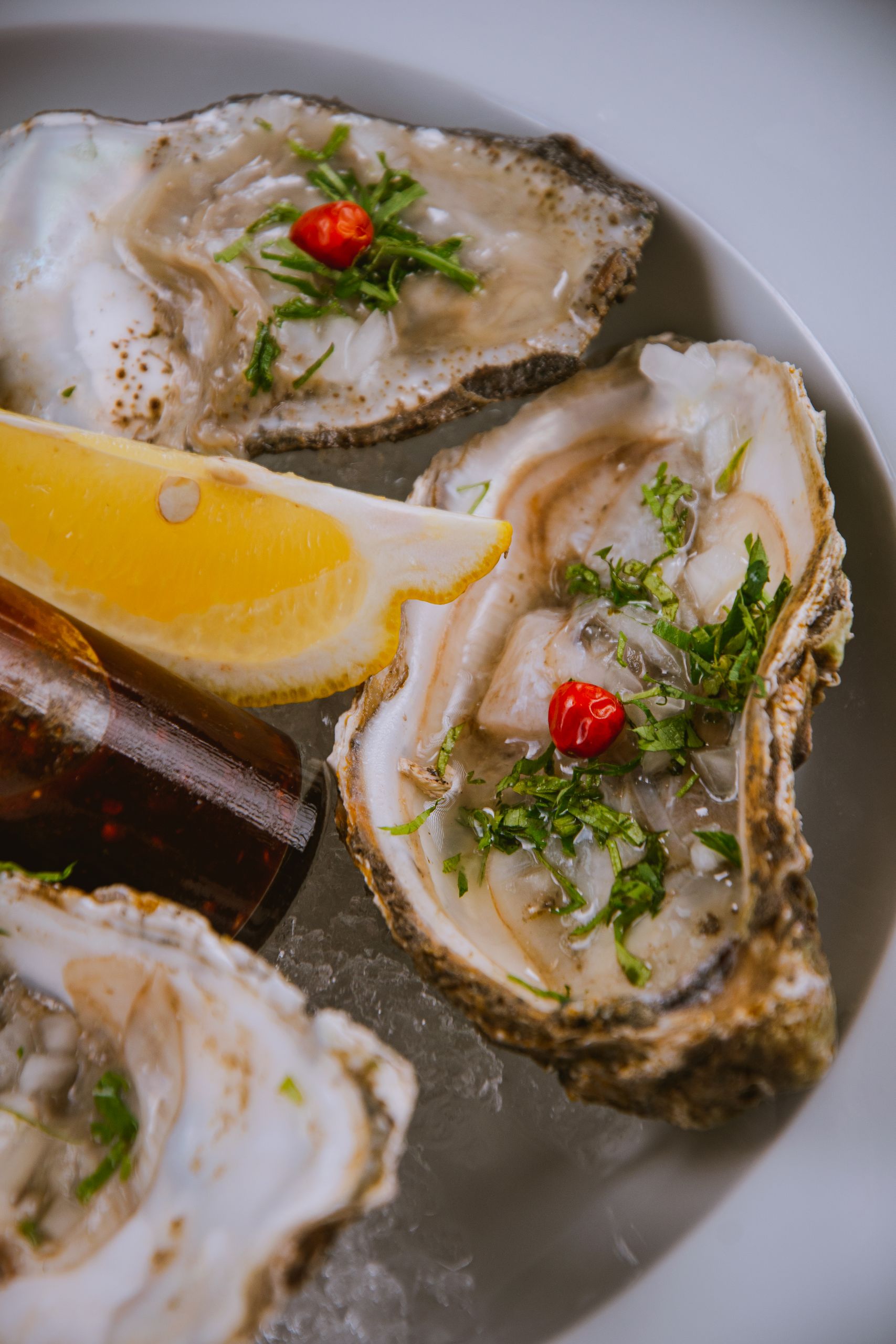
Maryland Gives the Dish a Local Identity
In Maryland, the connection is explicit: the oysters themselves define the recipe’s identity.
A Maryland Oyster Dressing published by Maryland’s Best, the state agriculture department’s marketing program, calls for Maryland oysters, cornbread and artisan white bread.
Supporting ingredients include onion, celery, garlic, butter, lemon, and herbs. The recipe reserves the oysters’ liquid and mixes it into the dressing with stock.
That combination illustrates how a local ingredient can fit into an otherwise familiar holiday preparation. The bread and vegetables provide the framework, while the oysters give the dish its defining character.
It also complicates the idea that regional dressings must follow rigid bread boundaries. This Maryland version uses both cornbread and white bread.
Not every Maryland household needs to serve the same preparation for that regional connection to matter. Here, oysters aren’t an incidental addition. They are the ingredient that gives the dressing its name and anchors it to a place.
New Orleans Brings a Different Combination
Farther south, oyster dressing takes on another recognizable identity.
A Creole baked oyster dressing published by Louisiana Cookin’ combines Louisiana oysters with day-old New Orleans-style French bread, onions, celery and green bell pepper.
Sage, parsley, thyme, garlic, and Creole seasoning build out the mixture. Oyster liquor adds moisture.
Here, “liquor” means the oysters’ natural liquid, not an alcoholic ingredient. Reserving it lets the oyster flavor spread through the bread instead of staying in individual pieces.
Oyster dressing belongs to New Orleans holiday cooking, though this French-bread preparation differs from Maryland’s two-bread version. Both retain a recognizable structure.
Neither needs to displace the other. Their differences show how a dish can keep its name and central ingredient while reflecting a place’s cooking habits.
Regional variation is part of the tradition, not a problem to resolve.
Why a Family Recipe Can Matter More Than a Standard One
A published recipe can identify ingredients. It cannot determine which version will feel right to a particular household.
Someone returning to a family preparation may care about whether the oysters are chopped, how much bread surrounds them, or whether the top is crisp. Those preferences need not match another family’s understanding of the dish.
That is where holiday cooking becomes personal. Repeating a preparation can preserve a connection to the person who taught it, even when the written directions are brief.
The Maryland and New Orleans versions leave room for those differences. One combines two breads; the other emphasizes French bread and a different vegetable-and-seasoning mixture.
A family can recognize itself in those choices without claiming its recipe is the original.
The meaningful question becomes less “Which version is correct?” and more “Which version carries something we want to keep?”
Related: 20 Odd American Traditions That Confuse the Rest of the World
What Oyster Dressing Looks Like Today
Both the Maryland and New Orleans dressings are baked separately in dishes, rather than cooked inside poultry.
They begin with vegetables cooked in butter, then combine bread, oysters, seasonings, and liquid before baking. From that shared foundation, the details diverge.
The Maryland recipe includes lemon zest and juice, stock, and several herbs. The Louisiana version uses French bread with seasoned breadcrumbs, green bell pepper, and Creole seasoning.
Those differences offer a clearer picture than treating oyster dressing as one fixed formula. It is a family of related preparations, with oysters providing the common thread.
Calling it stuffing or dressing does not, by itself, explain the recipe. The ingredients and method tell readers much more.
What remains consistent across these versions is how bread carries the oysters’ flavor through a dish meant to be served alongside the rest of the meal.
A Tradition That Does Not Need to Be Universal
Oyster dressing does not have to appear on every Thanksgiving table to deserve a place in the holiday’s history.
Its interest lies in the connections it preserves: an early American pairing of oysters and poultry, regional ingredients, and recipes that continue to make room for both.
The dish also reminds us that Thanksgiving tradition isn’t a single national menu. A side that surprises one guest may be the food another guest most hoped to see.
If a holiday table can hold both familiar favorites and regional stories, what dish from your own family’s past deserves a place beside the turkey?