A restaurant can have beautiful lighting, stylish furniture, and an impressive menu, yet somehow make dinner feel like an assignment.
You arrive expecting a relaxing meal, only to struggle with the menu, shout across the table, or wonder whether that elegant bottle of water comes with an unexpected charge.
Restaurants have nothing wrong with wanting to create a special experience. The trouble starts when presentation and ceremony matter more than making guests comfortable.
Here are eight restaurant touches that can look sophisticated while making dining out more complicated than it needs to be.
Lighting So Dim You Can Barely Read the Menu
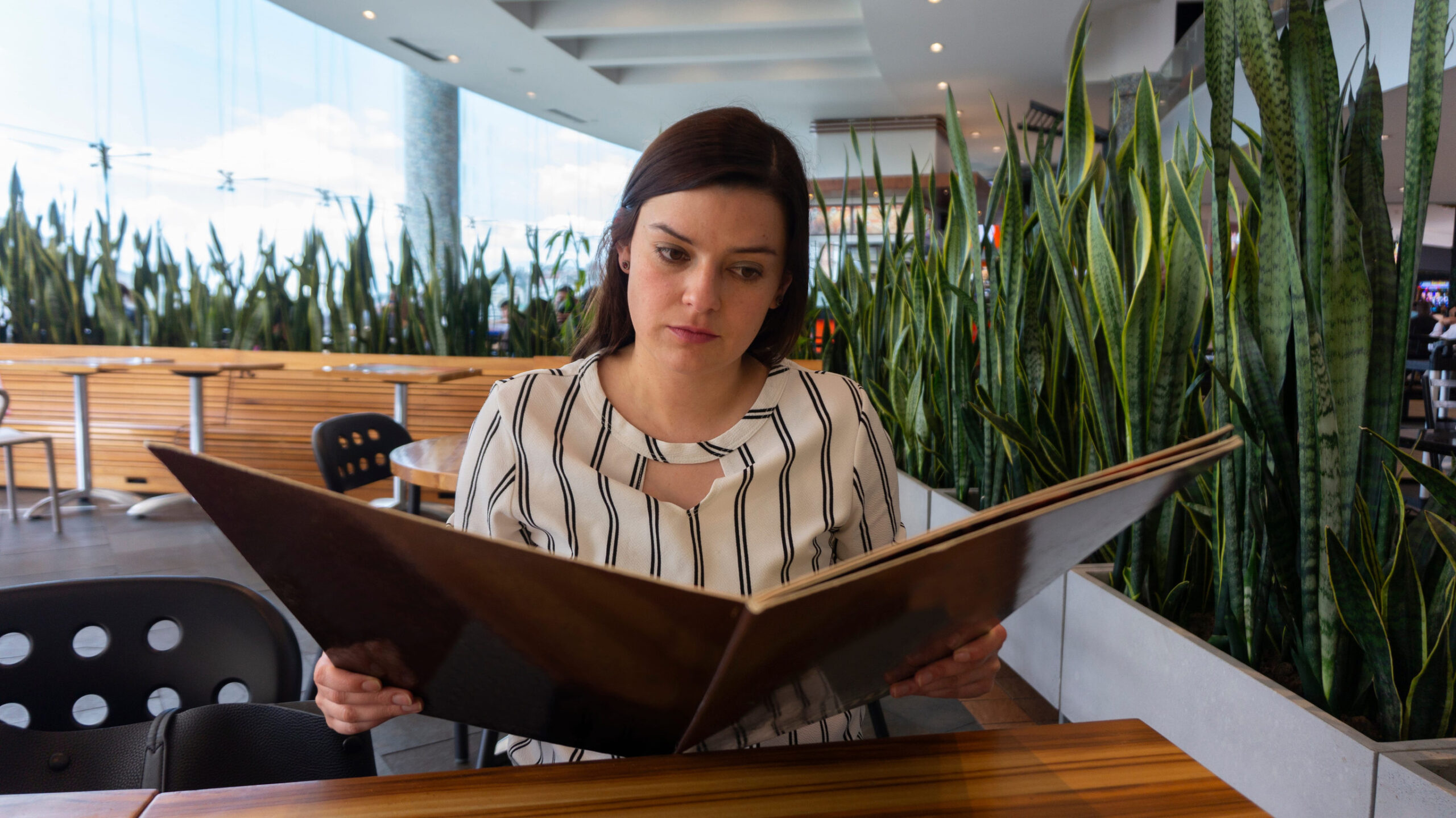
Low ambient lighting can make a restaurant feel intimate and elegant. But when the room gets so dark that guests have to reach for their phone flashlights to read the menu, the atmosphere starts interfering with a basic part of dinner.
Dim lighting isn’t necessarily the problem. A restaurant can maintain a soft, inviting mood while providing enough light at the table for guests to see their food and make their selections.
The difference comes down to thoughtful design. If customers regularly need extra assistance just to understand what’s being offered, the lighting may be serving the décor better than the people sitting beneath it.
Dining Rooms Where Conversation Becomes a Challenge
Loud dining-room acoustics can make a restaurant feel energetic, especially when music and conversation fill the space. Unfortunately, reflected sound and competing background noise can also make it difficult to hear someone sitting directly across the table.
A lively atmosphere isn’t automatically unpleasant. Some diners enjoy the excitement of a busy room, while others prefer quieter surroundings where they can talk without constantly repeating themselves.
The problem arises when a restaurant offers little relief from the noise. Quieter seating areas and sound-absorbing design features can preserve the atmosphere without making conversation feel like hard work.
Menus That Explain Almost Nothing
Minimalist menus can look wonderfully sophisticated with their clean design and short descriptions. But a list of ingredients isn’t always enough to tell customers what they’re actually ordering.
A menu might identify several ingredients without explaining whether they arrive as a soup, salad, pasta dish, or small accompaniment. When that happens, diners must ask questions that a few additional words could have answered.
Unusual ingredients or unfamiliar culinary terminology aren’t inherently wrong. Exploring new dishes can be part of the enjoyment of eating out.
The issue is whether the restaurant makes that exploration approachable. A clear description can preserve the menu’s elegance while helping diners feel confident about their choices.
Long Speeches Before You Can Order
Overly long menu presentations can turn a simple restaurant visit into a guided lecture. A server may begin explaining every course, ingredient, and preparation method before guests have decided what interests them.
Detailed explanations can be valuable, especially when the food is unfamiliar. But not everyone wants the same amount of information, and a lengthy presentation can interrupt a conversation or slow down ordering.
A more welcoming approach allows guests to choose how much guidance they want. Some may appreciate a full introduction, while others simply want to ask about two dishes and enjoy their evening.
Related: 7 Modern Restaurant Trends Boomers Say Have Ruined the Dining Experience
Water Service That Makes You Nervous About the Bill
Premium bottled-water service can be an interesting addition to fine dining, particularly for people who enjoy exploring different waters. At The Inn at Little Washington, for example, a reported selection of approximately 15 waters included bottles ranging from around $9 to $75.
That doesn’t mean offering expensive water is unreasonable. The difficulty comes when guests aren’t sure whether a bottle carries an additional charge or what alternatives are available.
Someone who wants a premium water-tasting experience can appreciate having several choices. Another diner may simply want water with dinner.
The welcoming approach is to explain the options and associated charges clearly, without making anyone feel uncomfortable for choosing differently.
Beautiful Seating That Isn’t Comfortable
Statement seating can give a restaurant a distinctive look. Stylish counters, striking stools, and carefully arranged booths may look impressive in photographs, but they don’t necessarily suit every guest.
Seating arrangements become frustrating when customers have limited options or feel awkward asking for an alternative. Even small factors like seat height, available space, or the route to a table can affect how comfortably someone uses the dining room.
Of course, a counter or stool isn’t automatically a bad choice. Many diners enjoy those arrangements, particularly when they offer a view of the kitchen.
The real question is whether the restaurant has considered different guests’ needs alongside its visual design.
Fancy Serving Boards That Make Eating Difficult
Flat slates and wooden serving boards can make a dish look distinctive when it arrives. For dry, shareable foods, these surfaces may work perfectly well.
Trouble begins when a saucy meal arrives on a completely flat surface without a raised edge. Gathering the last ingredients with a fork becomes difficult, and sauces have nowhere to collect.
The presentation may look impressive at first, but diners shouldn’t have to struggle to keep their meal contained.
Traditional plates have a practical advantage for foods with loose components or generous sauces. Choosing a serving surface that suits the dish can make the meal more enjoyable without sacrificing creativity.
Tasting Menus With Too Many Surprises
Fixed-course tasting menus can offer an exciting opportunity to experience several carefully planned dishes. For diners who understand the arrangement and want that experience, the format can be a memorable part of an evening out.
However, a tasting menu becomes less welcoming when important details aren’t explained before guests commit. The expected duration, total price, included courses, and any limits on changing dishes can all influence whether the experience suits a particular occasion.
Someone expecting a relaxed dinner may feel differently after discovering that the meal involves a longer, more structured commitment than anticipated.
The problem isn’t the tasting-menu format. It’s failing to make the terms clear enough for customers to decide whether they want the experience.
True Hospitality Is More Than Beautiful Décor
A stylish restaurant can absolutely be comfortable, welcoming, and memorable. Dim lighting, detailed service, unusual tableware, and elaborate menus can all contribute to a distinctive experience when they’re thoughtfully designed.
What matters is whether the details make dinner easier to enjoy. Guests should feel comfortable asking questions, choosing their meals, talking with companions, and understanding what they’re paying for.
The most impressive restaurant isn’t always the one with the fanciest touches. Sometimes, it’s the one that makes guests feel completely at ease.