A French dessert with fresh pears, a golden top, and a soft custard center sounds like it should require a pastry brush, considerable patience, and maybe a small kitchen meltdown. Pear clafoutis offers a friendlier proposition. In Ina Garten’s version, you put sliced fruit in a buttered dish, pour a simple batter over it, and let the oven do the rest. No pastry needs rolling, no crust needs blind-baking, and no elaborate decoration is required.
Garten’s recipe, published in Barefoot in Paris and on her Barefoot Contessa website, serves six to eight and carries a beginner rating. Bartlett pears, vanilla, lemon zest, and pear brandy provide the flavor, while eggs, cream, and a modest amount of flour create the custardy base. The appeal is straightforward: you get a proper, shareable dessert without making a separate shell or assembling multiple layers. A dusting of confectioners’ sugar finishes it.
One detail deserves clarification before you begin mixing. Although Garten calls her recipe “Pear Clafouti,” the traditional cherry-free relative of clafoutis is called flognarde, also spelled flaugnarde. Cookbook author Dorie Greenspan explains the distinction in an excerpt from Everyday Dorie published by CBC: “A flognarde is a flognarde is a flognarde… unless it has cherries, in which case it’s a clafoutis.” Think of this pear version as a variation on the classic French fruit-and-batter dessert, not the original cherry preparation.
Meet the Custardy Dessert That Lets the Pears Do the Talking
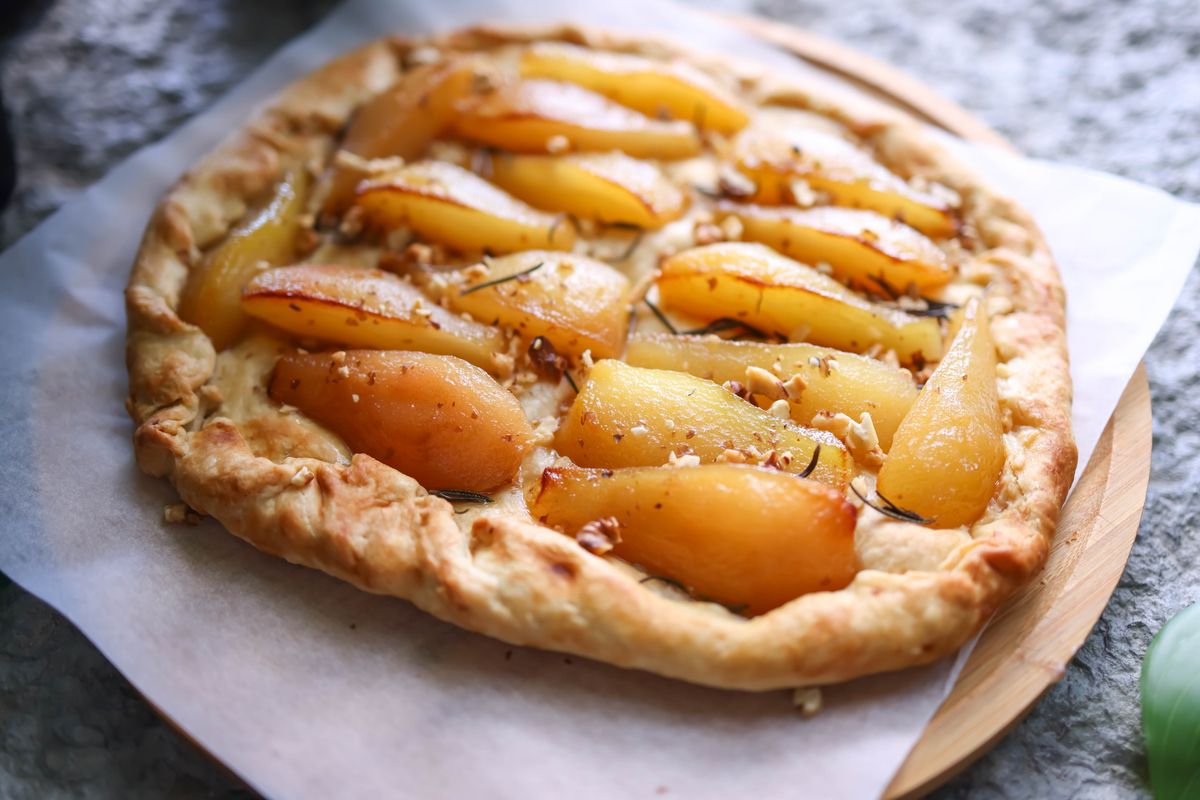
Traditional cherry clafoutis is a specialty of France’s Limousin region, according to Greenspan. Its fruit-filled relatives follow the same appealing idea: bake fruit inside a batter resembling the mixture used for crêpes. The result is neither a conventional layer cake nor a pastry-lined tart. Greenspan describes the texture as “soft and custardy almost like a chubby pancake.” That is a useful expectation to bring to the kitchen: tender and gently set, rather than fluffy like a sponge cake.
For Garten’s pear version, start with two to three firm but ripe Bartlett pears. Her instructions call for peeling, quartering, coring, and slicing them before arranging the pieces in the baking dish. Follow that ripeness guidance rather than treating the recipe as a rescue mission for any pear in the fruit bowl. The fresh fruit is a central ingredient, and Garten specifically chooses pears that are ripe while still holding their shape during preparation.
The recipe’s simplicity also makes its flavorings worth measuring carefully. Two teaspoons of pure vanilla extract, one teaspoon of grated lemon zest, and two tablespoons of pear brandy accompany the fruit. Garten names Poire William as an example of the brandy to use. These are not finishing touches added after baking; they go directly into the batter, giving the custard its own flavor instead of leaving the pears to carry the entire dessert alone.
Related: Root Beer in Pie? This Sweet-and-Salty Peanut Dessert Is the Throwback Nobody Saw Coming
Mix the Batter, Then Give It a Brief Breather
For one batch, gather one tablespoon of room-temperature unsalted butter; one-third cupplus one tablespoon of granulated sugar; three room-temperature extra-large eggs; six tablespoons of all-purpose flour; and 1½ cups of heavy cream. Add the vanilla, lemon zest, and pear brandy listed above, along with one-quarter teaspoon kosher salt. You will also need the pears and confectioners’ sugar for serving. These quantities belong to Garten’s recipe, so keep them together rather than borrowing measurements from a different clafoutis.
Heat the oven to 375°F and prepare a round baking dish approximately 10 inches across and 1½ inches deep, as specified in the Food Network publication of Garten’s recipe. Spread the tablespoon of butter over the interior, then distribute one tablespoon of granulated sugar across the bottom and sides. This preparation happens before the fruit and batter go in. Keep the remaining one-third cup of granulated sugar separate: that portion belongs in the egg mixture.
Using an electric mixer fitted with a paddle attachment, beat the eggs with that one-third cup of sugar on medium-high speed for about three minutes. Garten’s target is a mixture that looks light and fluffy. Reduce the speed to low and incorporate the flour, cream, vanilla, lemon zest, salt, and pear brandy. Then let the batter stand for 10 minutes. There is no need to invent an extra step here; the published method calls for a short rest, not chilling or overnight preparation.
Use those 10 minutes to prepare the pears and arrange their slices in a single layer in the buttered, sugared dish. Garten suggests fanning them out slightly, which gives the fruit an attractive arrangement without requiring a complicated pattern. Pour the rested batter over the pears. Unlike a pie, this dessert does not need a lid, a lattice, or carefully crimped edges. Once the fruit and batter are together, the assembly is complete.
Bake Until Golden, Then Keep the Finish Simple
Bake for 35 to 40 minutes, watching for the two signs Garten specifies: a golden-brown top and a firm custard. Those cues matter alongside the clock. The goal is a set, custardy dessert, not a dry cake, so judge it against the texture the recipe actually promises. Also, resist switching to the temperature or baking time from another fruit-batter recipe midway through; Greenspan’s separate flognarde formula, for example, uses different proportions and a longer bake.
Serve the pear clafoutis warm or at room temperature, with confectioners’ sugar sprinkled over the surface. That is Garten’s entire finishing instruction, and it suits the dessert’s uncomplicated character. You do not need to make another sauce to complete the recipe. The sliced pears, softly set batter, and lightly sugared top already provide the contrast that makes this dish appealing: fresh fruit baked into something richer, with very little assembly between bowl and oven.
If any remains, cover and refrigerate it rather than leaving it out for another day. Greenspan recommends that approach for leftover flognarde and notes that she enjoys hers straight from the refrigerator the next day. For the first serving, though, follow Garten’s warm-or-room-temperature guidance and let the dessert stay simple. The pleasure is in the combination of pears and custard, not in how many extra tasks you can add before bringing it to the table.
Other Post You Might Also Like
.6 Essential Foods to Keep Your Muscles Strong and Healthy as You Age
.5 Smart Ways to Shop Healthy and Save Money on Groceries