When the lights suddenly go out, most people have the same reaction. They grab their phones, check whether the neighbors still have electricity, and wonder how long it will take for everything to start working again. Then comes the scramble for flashlights, backup power, and food.
But sometimes, the things people do to make a blackout more manageable can create bigger problems than the outage itself. A generator placed too close to the house, a candle left burning, or a refrigerator opened one too many times can turn an inconvenience into an expensive or dangerous situation.
The good news? Many of these mistakes are easy to avoid once you know what to watch for. Here are eight things safety experts recommend avoiding during a power outage, along with smarter ways to handle the situation.
Never Run a Generator in Your Garage, Even With the Door Open
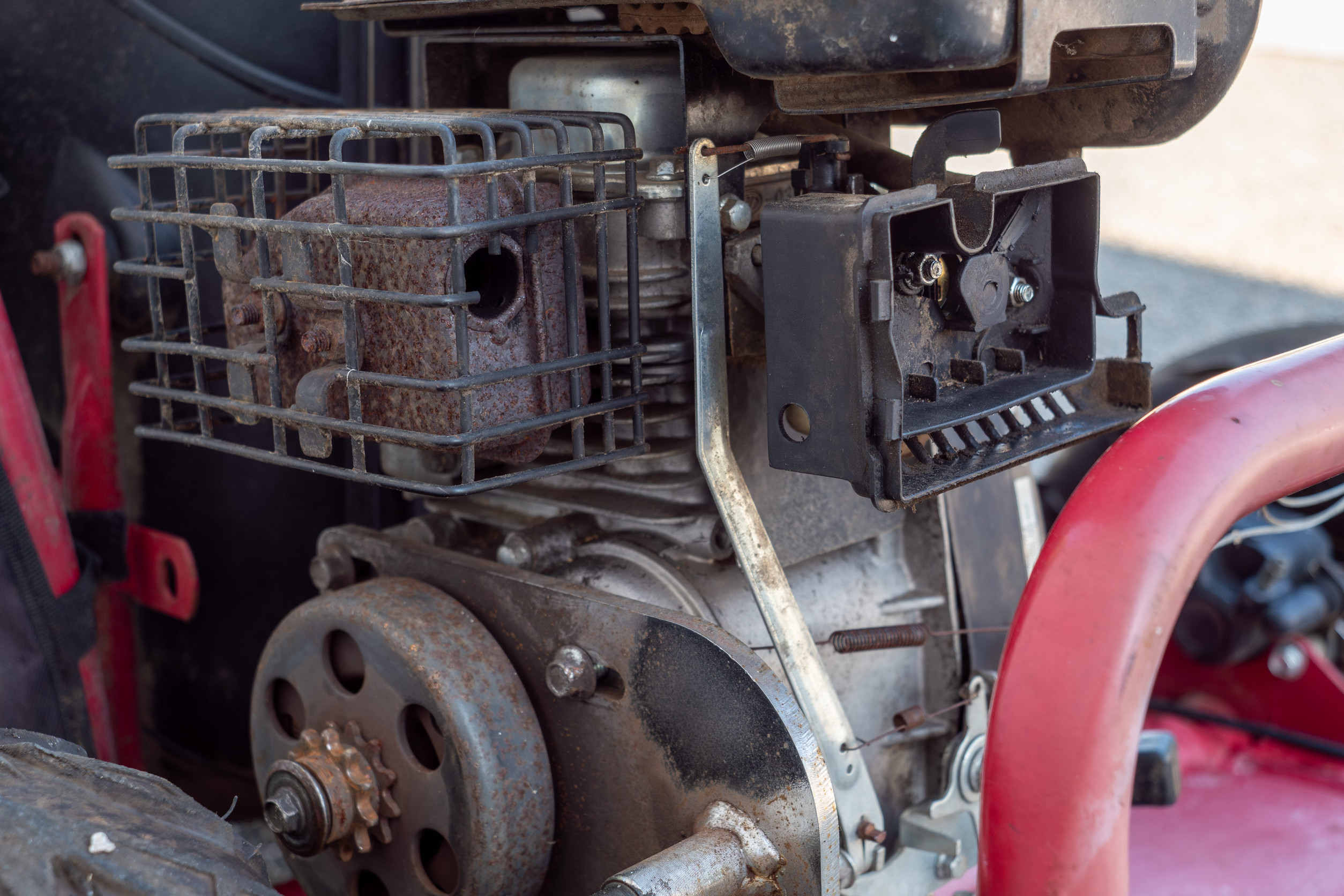
A portable generator can feel like a lifesaver when the power goes out. However, placing one inside your garage, basement, or enclosed porch is a mistake that can have deadly consequences. Even keeping the garage door wide open doesn’t make it safe.
Generators release carbon monoxide, an invisible, odorless gas that can quickly build up in enclosed spaces. According to the U.S. Consumer Product Safety Commission (CPSC), portable generators should operate outdoors, at least 20 feet away from homes and buildings, with exhaust directed away from windows, doors, and vents.
The danger is well documented. A May 2026 CPSC staff report estimated that generators alone were associated with 892 unintentional, non-fire carbon monoxide deaths between 2012 and 2022.
Keep your generator outdoors, follow the manufacturer’s operating instructions, and install working carbon monoxide alarms. If an alarm sounds, get everyone outside immediately and call 911.
Never Use Your Gas Oven or Outdoor Grill to Heat Your Home
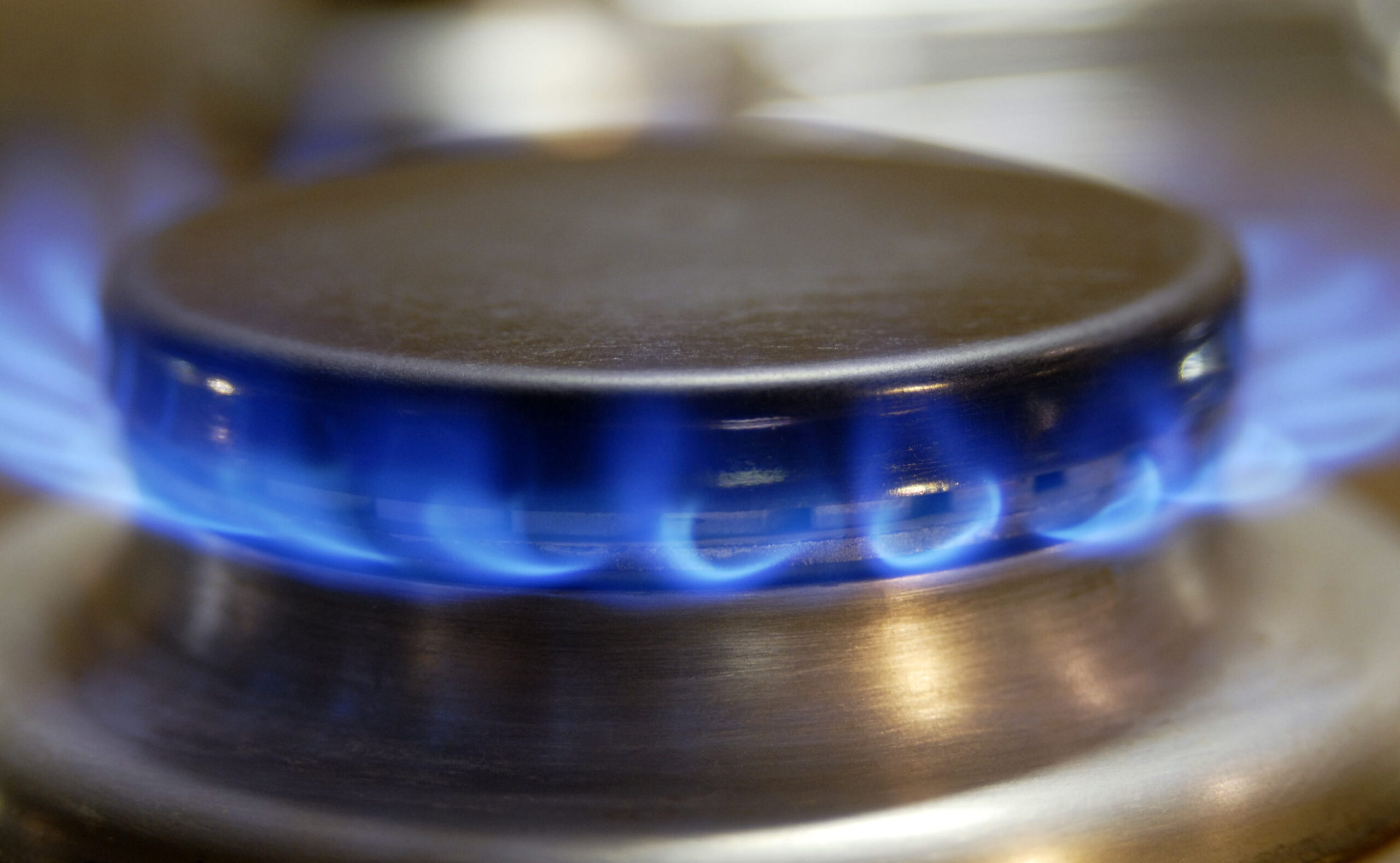
When the heating system stops working during a winter blackout, turning on the gas stove might seem like a clever workaround. After all, if it can heat food, why couldn’t it warm the kitchen?
Unfortunately, cooking equipment isn’t designed to heat an entire room. The Federal Emergency Management Agency (FEMA) specifically warns against using gas stovetops, ovens, grills, or dryers to heat a home.
Bringing charcoal grills, camping stoves, or outdoor propane heaters inside can be especially dangerous because these appliances may produce carbon monoxide. Opening a window isn’t a reliable solution, either.
Instead, grab extra blankets, dress in warm layers, and close off unused rooms to conserve warmth. If indoor temperatures become dangerously cold, consider moving to a community warming center or another heated location.
Never Keep Opening the Refrigerator to Check Your Food
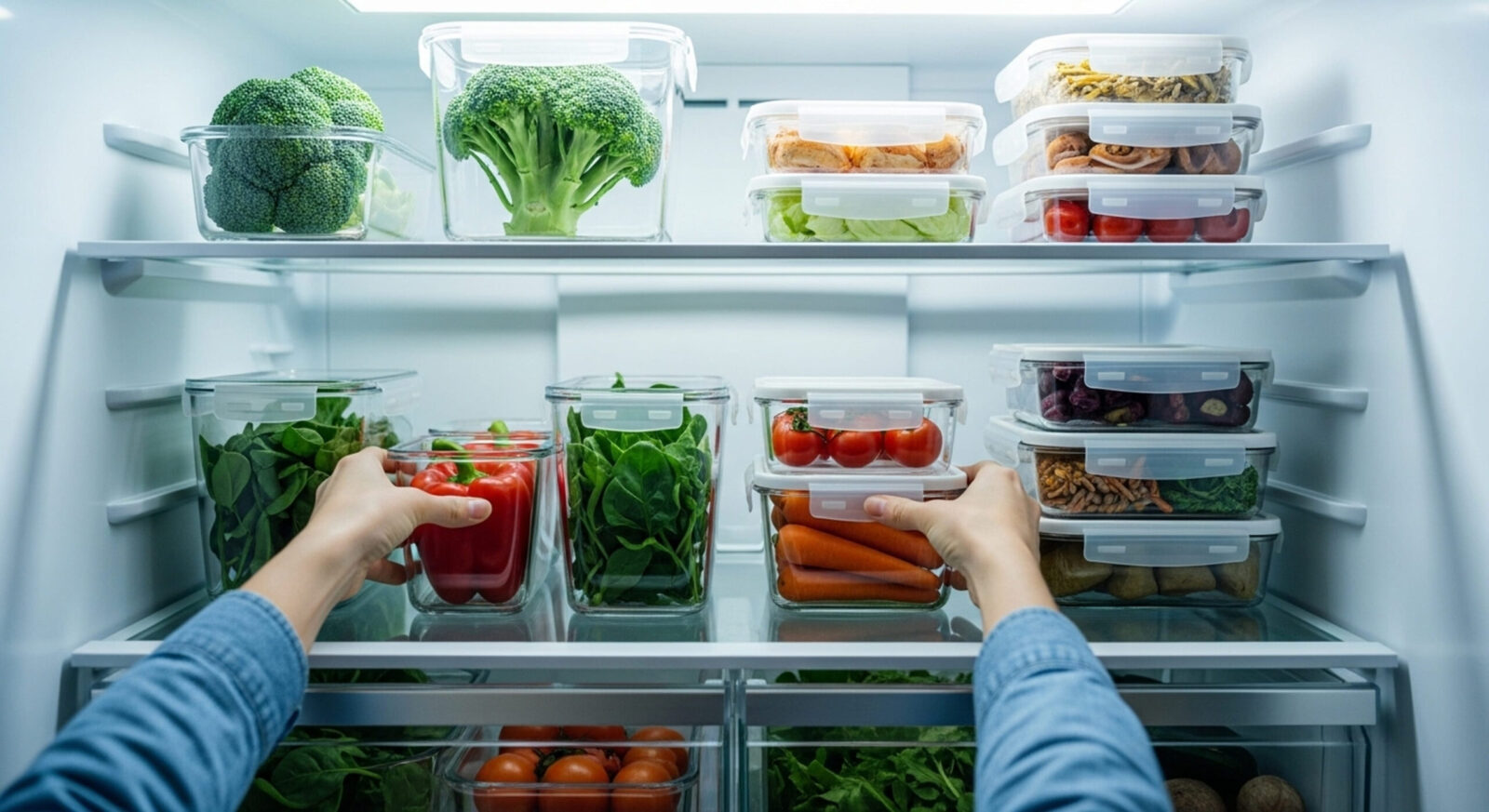
Power outages make people suddenly curious about everything inside their refrigerators. Unfortunately, each peek allows cold air to escape, making it harder to preserve perishable groceries.
Federal food safety guidance says an unopened refrigerator generally keeps food cold for about four hours. A full freezer can maintain its temperature for about 48 hours, while a half-full freezer typically lasts about 24 hours, as long as the door stays closed.
Those aren’t guaranteed safety deadlines, though. The U.S. Department of Agriculture recommends discarding many perishable foods that have spent more than two hours above 40 degrees Fahrenheit.
And don’t rely on the sniff test. Food can look perfectly normal but still be unsafe to eat.
Keep the doors closed, use an appliance thermometer when available, and consult FoodSafety.gov’s food-specific guidance before deciding what to save or throw away.
Never Leave Candles Burning Unattended
Candles might create a cozy atmosphere on an ordinary evening, but they’re not the smartest lighting option during a blackout. It’s easy to forget a flame while you search for supplies, check on family members, or get ready for bed.
The National Fire Protection Association reports that candles were associated with an estimated annual average of 5,894 home structure fires between 2020 and 2024. Those figures cover candle-related fires generally, not just fires during power outages.
The American Red Cross recommends using flashlights instead of candles whenever possible.
Battery-operated lanterns, headlamps, and flameless LED candles are practical alternatives. If you must use traditional candles, keep them at least 12 inches away from anything flammable and extinguish them before leaving the room or going to sleep.
Never Leave Your Stove Switched On When the Power Goes Out
Imagine cooking dinner when the electricity suddenly disappears. You assume everything has stopped working, walk away, and forget the stove is still on.
When electricity returns, some appliances can resume operating unexpectedly. That’s why the American Red Cross recommends turning off cooking equipment and other appliances that were running when the outage occurred.
Sensitive electronics can also be affected by electrical surges during power restoration.
When conditions are safe, switch off cooking appliances and disconnect unnecessary electronics. However, avoid touching electrical equipment during active lightning or when connections are wet or damaged.
A little preparation can prevent unpleasant surprises when the lights finally come back.
Never Approach a Fallen Power Line, Even if It Isn’t Sparking
After a major storm, you might spot a fallen wire across your driveway or tangled in a tree. If it isn’t sparking or making noise, it can be tempting to assume the electricity has stopped flowing.
Never make that assumption.
Downed electrical lines can remain energized without producing visible sparks. They may also become energized again when utility crews restore electricity.
The American Red Cross recommends staying at least 35 feet away from fallen power lines and anything touching them.
Never attempt to move a fallen wire, clear branches from it, or drive over it. Keep children and pets away, and contact emergency services and your electricity provider.
Never Plug a Generator Directly Into a Household Outlet
Trying to power your entire house through a regular wall outlet might sound like a convenient shortcut. In reality, it’s an extremely dangerous way to connect a portable generator.
The Electrical Safety Foundation International warns that improperly connecting generators to household wiring can cause backfeeding. This happens when generator electricity travels into utility lines, potentially endangering utility workers and other people.
Improper connections can also create electrical shock and fire hazards inside your home.
If you want a generator to supply household circuits, have a qualified electrician install appropriate transfer equipment that isolates the generator from utility power.
Otherwise, connect selected devices directly to the generator using suitable, properly rated cords and following the manufacturer’s instructions. Never improvise electrical connections just to get the lights working again.
Related: If Your Home Has These 8 Things, It’s Ready for a Rough Winter
Never Turn On Flood-Damaged Electrical Appliances Without an Inspection
When floodwater finally recedes, it’s natural to want your home back to normal as quickly as possible. You might see an appliance that looks dry, plug it in, and hope everything works.
But appearances can be misleading.
According to the CPSC and Electrical Safety Foundation International, electrical systems exposed to flooding may remain dangerous even after visible water disappears. Damaged wiring, breakers, and appliances can create shock or fire hazards when power is restored.
Don’t enter standing water to reach electrical equipment, and never attempt to restart appliances that have been submerged without professional assessment.
A qualified electrician should inspect affected electrical systems before they are reenergized. Some equipment may be suitable for professional reconditioning, while other components must be replaced.
Taking that extra precaution is far better than discovering hidden damage the hard way.
Related:Not Unplugging These 7 Appliances Could Harm Your Whole Electrical System
A Little Preparation Makes the Next Outage Easier
Nobody looks forward to losing electricity, especially when the outage stretches from a few minutes into several hours or even days. But the decisions you make during those first moments can make a big difference.
Keep flashlights accessible, understand how to operate backup equipment, and know when a situation requires professional assistance. Keep emergency supplies organized so you’re not searching through dark cabinets when the lights go out.
Most importantly, remember that getting everything running again isn’t worth taking unnecessary risks. Sometimes, the smartest thing you can do during a blackout is avoid a tempting shortcut and choose the safer alternative.
Other Posts You May Like
- 10 Things Every Home Should Have in Case of a Winter Power Outage
- Never Do These 8 Things During a Power Outage — Experts War